
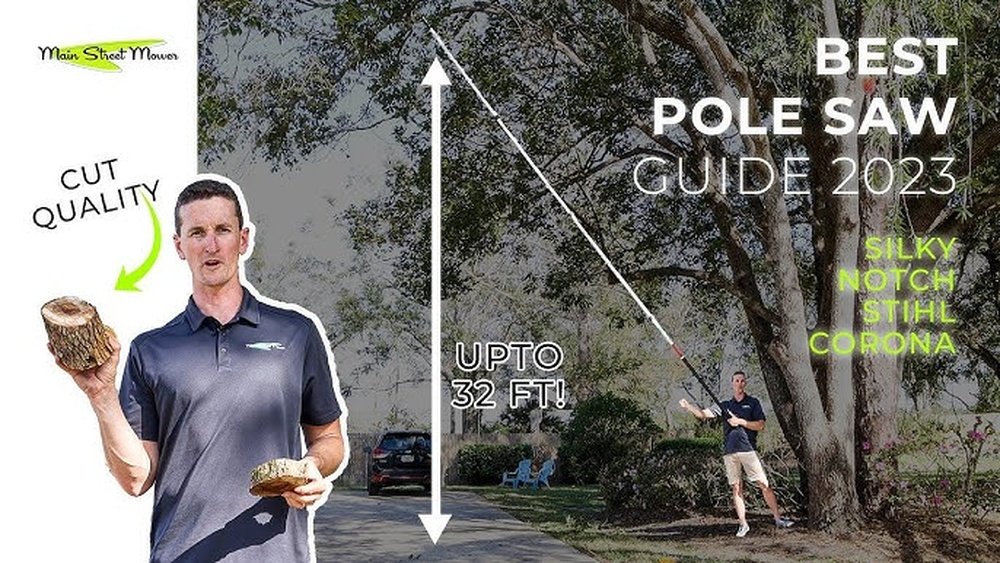
Using a pole saw is one of the best ways to trim tall branches and keep trees healthy. But it’s also a tool that can be risky if you don’t follow safety rules. Many homeowners and landscapers want to save time and money by doing tree work themselves. However, accidents with pole saws are more common than you might think. This guide will show you exactly how to use a pole saw safely, step by step. We’ll cover everything from choosing the right saw, preparing your work area, proper cutting techniques, and smart safety habits. Whether you’re a beginner or have some experience, you’ll find practical advice, real-world examples, and tips that most people miss.
Understanding Pole Saws And Their Types
Pole saws are long tools with a saw blade or chainsaw attached to the end. They help you reach high branches without climbing a ladder. Choosing the right type matters for both safety and performance.
Manual Pole Saws
These are lightweight and have a simple blade. They require physical effort but give you more control. Manual saws are best for smaller branches, usually less than 2 inches thick.
Electric Pole Saws
Electric models are easy to use and quiet. They need a power outlet or a battery. They can cut branches up to 6 inches thick. Be careful with cords—they can create tripping hazards.
Gas-powered Pole Saws
These are powerful and suitable for heavy-duty work. Gas saws are heavier and louder. They can handle thick branches but require careful handling. Gas models need regular maintenance.
Telescopic Pole Saws
These saws can extend to different lengths. They are great for reaching higher branches but can be harder to control when fully extended. Always check the locking mechanism before use.
| Type | Best For | Branch Thickness | Power Source |
|---|---|---|---|
| Manual | Small branches | Up to 2 inches | Human |
| Electric | Medium branches | Up to 6 inches | Plug/Battery |
| Gas | Thick branches | 6+ inches | Gasoline |
| Telescopic | High branches | Depends on blade | Varies |
Preparing For Safe Pole Saw Use
Preparation is the key to avoiding accidents. Most injuries happen because people skip these steps.
Inspecting Your Pole Saw
Always check your pole saw before starting. Look for cracks, loose parts, or dull blades. Test the extension and ensure the locking mechanism works. If using an electric or gas saw, check the power system, oil, and chain tension.
Wearing Personal Protective Equipment
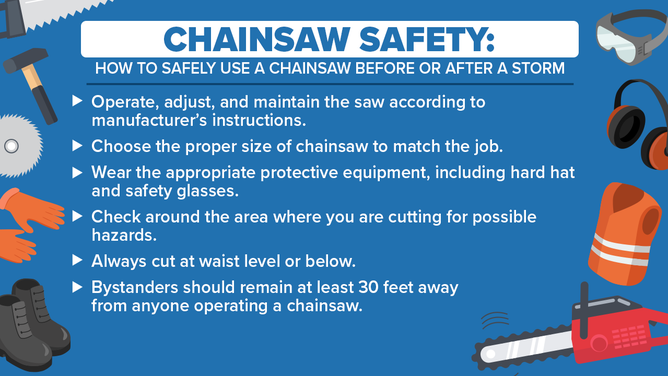
Safety gear is not optional. You should wear:
- Safety glasses or goggles to protect your eyes from flying debris.
- Helmet or hard hat for head protection.
- Gloves for grip and hand safety.
- Ear protection (for gas/electric models).
- Long sleeves and pants to protect skin.
- Non-slip boots for secure footing.
Many beginners ignore gloves or boots, but they are essential. Slippery shoes can cause falls, and bare hands increase injury risk.
Clearing Your Work Area
Remove obstacles like garden tools, furniture, or toys. Make sure pets and children are not nearby. If you’re working near power lines, stay at least 10 feet away. Never use a pole saw in wet conditions or on unstable ground.
Planning Your Cut
Look at the branch you want to cut. Check if it’s dead, heavy, or leaning. Predict where it will fall. Avoid cutting branches directly above you. Mark your escape path and make sure nothing blocks your way.
Setting Up Your Pole Saw Correctly
Incorrect setup is a common cause of accidents. Take time to assemble and adjust your pole saw properly.
Assembling The Pole Saw
Follow the manufacturer’s instructions. Attach the saw head firmly. If using a telescopic model, extend it gradually and lock each section. Loose connections can cause the saw head to detach during use.
Adjusting The Length
Set the pole length based on the branch height. Longer poles help reach higher branches, but they are harder to control. Keep the pole as short as possible for better balance.
Checking The Blade Or Chain
A dull blade makes cutting harder and increases kickback. Sharpen manual blades regularly. For chainsaws, check the chain tension and oil level. A loose chain can derail and cause injury.
| Setup Step | Safety Risk | Preventive Action |
|---|---|---|
| Loose saw head | Head detaches, falls | Secure attachment |
| Overextended pole | Loss of control | Use minimal length |
| Dull blade/chain | Kickback, difficult cut | Sharpen/Check tension |
Safe Pole Saw Techniques
How you use the tool matters more than its features. Follow these proven techniques for safer and more effective cutting.
Correct Grip And Stance
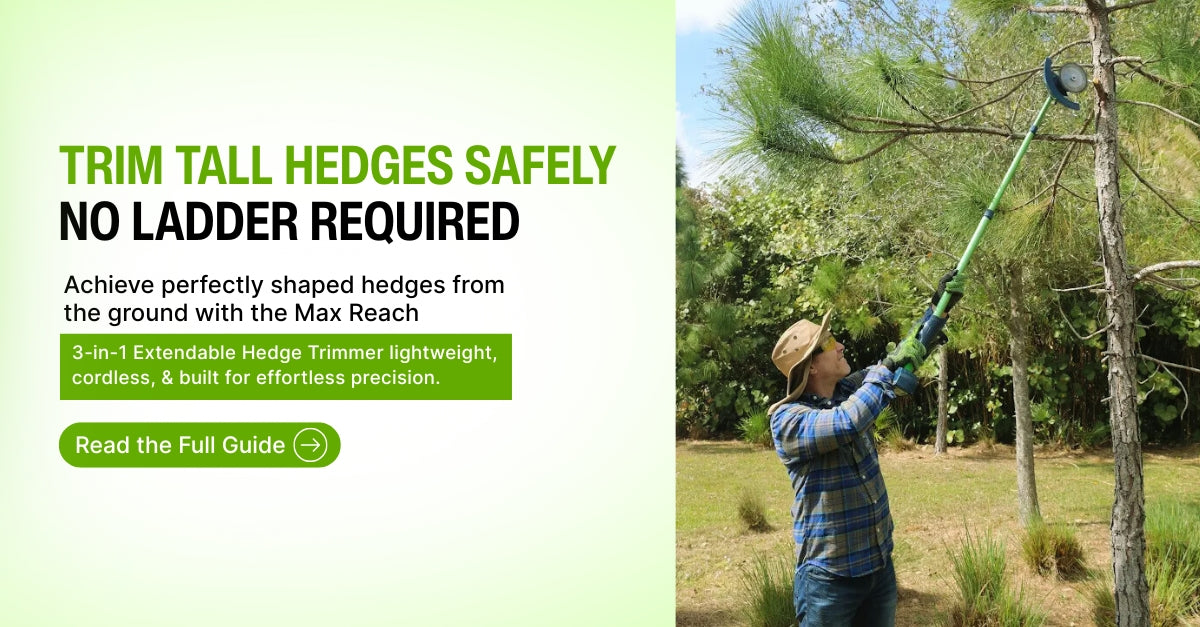
Hold the pole saw with both hands. Keep your feet shoulder-width apart. Stand slightly off to the side of the branch, not directly underneath. This reduces the risk of falling debris hitting you.
Starting The Cut
Position the blade on the branch, about 6 inches from the trunk. Use slow, steady strokes. For chainsaw models, start with a low speed. Let the blade do the work—don’t force it.
Making The Undercut
For thick branches, make an undercut first. This means cutting a small notch on the underside of the branch. It prevents the branch from splitting and tearing bark when it falls.
Finishing The Cut
After the undercut, cut from the top. Stop if you feel resistance or the pole becomes hard to control. Move away as the branch starts to fall. Never try to catch a falling branch.
Avoiding Kickback
Kickback happens when the blade suddenly jumps back toward you. It’s more common with chainsaw pole saws. To reduce kickback:
- Keep the tip of the saw away from the branch.
- Use slow, controlled movements.
- Stand clear of the saw’s path.
Credit: www.foxweather.com
Common Mistakes To Avoid
Even experienced users make errors. Here are some mistakes and how to prevent them.
- Cutting above your head: Always cut branches at an angle, not directly overhead.
- Ignoring fatigue: Take breaks often. Tired arms and hands increase accident risk.
- Skipping protective gear: Even for “quick” cuts, always wear safety equipment.
- Using a damaged saw: Repair or replace faulty tools before use.
- Working alone: Have someone nearby in case you need help.
- Rushing the job: Hurrying leads to poor cuts and accidents.
- Overreaching: Move your feet instead of stretching your arms.
Advanced Safety Tips
Some pole saw safety tips are not obvious but can make a big difference.
Watch For Hanging Branches
Sometimes, a cut branch gets stuck and doesn’t fall. This is called a “widowmaker. ” Never stand under a branch that’s stuck. Use a long stick or another tool to knock it down from a safe distance.
Be Aware Of Wind
Even light wind can move branches and make cutting dangerous. Wait for calm weather. Windy conditions can cause branches to swing or fall unpredictably.
Use The Right Saw For The Job
Don’t try to cut large branches with a small pole saw. Use a more powerful saw or hire a professional for big jobs. Trying to force a tool can lead to accidents.
Mind Your Surroundings
Check for power lines, fences, or buildings near your work area. Plan your cuts so branches fall away from hazards.
Maintaining Your Pole Saw For Safety
Proper maintenance keeps your pole saw safe and extends its life.
Cleaning After Use
Wipe off sap, dirt, and debris after each use. Clean the blade and chain with a brush. For gas models, empty the fuel tank before storing.
Sharpening The Blade
A sharp blade cuts faster and safer. Sharpen manual blades with a file. For chainsaws, use a chain sharpener or take it to a professional.
Storing Safely
Store your pole saw in a dry place, away from children and pets. Hang it or keep it in a case. Avoid storing with the blade exposed.
Regular Inspections
Check the pole, blade, chain, and locking mechanisms before every use. Look for cracks or wear. Replace worn parts immediately.
| Maintenance Task | Frequency | Why It Matters |
|---|---|---|
| Cleaning | After each use | Removes debris, prevents rust |
| Sharpening | Every 5-10 uses | Ensures clean cuts |
| Inspection | Before every use | Finds hidden damage |
| Storing | After each use | Keeps saw away from children |
Choosing The Right Pole Saw For Your Needs
Selecting the right pole saw is crucial for safety and efficiency. Many buyers focus only on price, but there are other important factors.
Length And Reach
Choose a pole saw that matches the height of your trees. Telescopic models are helpful but can become unstable at maximum length. Measure your tree height before buying.
Weight And Balance
Heavy saws are harder to control, especially for long jobs. Try lifting the saw before buying. A balanced saw reduces fatigue and helps prevent accidents.
Power Source
Electric saws are best for small yards. Gas models are better for large properties or thick branches. Battery-powered saws are quieter and require less maintenance.
Blade Type
Chainsaw blades cut faster but need more care. Manual blades offer better control but are slower. Pick the blade based on your comfort level and branch size.
Safety Features
Look for saws with safety locks, anti-kickback chains, and secure grips. Some models have auto-oiling, which keeps the chain running smoothly.
Common Buyer Mistakes
- Choosing a saw that’s too heavy or long.
- Ignoring safety features to save money.
- Buying without checking reviews or ratings.
- Not considering local tree types and branch thickness.
Geo-specific Safety Advice
Pole saw safety can vary based on location and climate.
Urban Areas
In cities, you may be close to power lines, buildings, and neighbors. Always check for local regulations about tree trimming. Some cities require permits or professional help for large trees.
Rural Areas
You may have more space but face hazards like uneven ground, wild animals, or poor weather. Always inspect the ground before working and stay alert for wildlife.
Wet Or Humid Regions
Moisture can make tools slippery and increase rust risk. Dry your saw after each use and wear extra-grip gloves.
Dry Or Hot Regions
Heat can cause fatigue and dehydration. Take breaks often, drink water, and avoid working during peak sun hours.
Emergency Preparedness And Response
Knowing what to do in case of an accident is vital.
First Aid Kit
Always keep a first aid kit nearby. Include bandages, antiseptic, and splints.
Emergency Contacts
Have a phone with emergency numbers ready. If working alone, let someone know your plans.
Dealing With Injuries
If you cut yourself, stop the bleeding and seek medical help. For eye injuries, rinse with clean water and go to a doctor. If you fall or get hit by a branch, check for broken bones and call for help.
Reporting Incidents
If you are injured while working near public areas or utilities, report the accident to local authorities. This helps prevent future accidents and ensures proper assistance.

Credit: www.walmart.com
Environmental Impact And Responsible Use
Using a pole saw responsibly helps protect the environment.
Avoid Over-pruning
Cut only dead or damaged branches. Over-pruning can harm trees and reduce their lifespan.
Dispose Of Branches Properly
Don’t leave cut branches in public spaces. Compost them or use them for mulch. Some cities offer branch pickup services.
Use Eco-friendly Tools
If possible, choose battery-powered or manual pole saws to reduce emissions and noise.
Respect Local Wildlife
Check for bird nests or animal homes before cutting. Avoid disturbing wildlife.
Real-world Examples And Data
Pole saw accidents are more common than people think. According to the Consumer Product Safety Commission, over 4,000 injuries related to tree trimming tools occur each year in the US. Most accidents happen because of poor preparation or improper use.
For example, a homeowner in Florida suffered a head injury when a branch fell unexpectedly. He was not wearing a helmet and was standing directly under the branch. Another case in California involved a pole saw user who slipped on wet grass and cut his arm.
Both accidents could have been prevented with proper safety steps.
Credit: maxreachtools.com
Non-obvious Insights For Beginners
Many beginners miss these points:
- Pole saws are harder to control when fully extended. It’s better to reposition yourself than to overextend the tool.
- Eye protection is crucial. Even small chips of wood can cause serious eye injuries. Use wrap-around goggles for full coverage.
- Check local weather forecasts. Unexpected rain or wind can create dangerous conditions quickly.
- Take time to plan cuts. Rushing leads to mistakes. Mark your escape route before cutting.
Frequently Asked Questions
What Is The Safest Way To Cut A High Branch With A Pole Saw?
Stand off to the side, never directly under the branch. Use slow, controlled movements. Make an undercut first, then finish from the top. Wear full protective gear and ensure your escape path is clear.
Can I Use A Pole Saw Near Power Lines?
No. Always stay at least 10 feet away from power lines. If branches are close to power lines, call your local utility company or a professional arborist. Working near electrical lines is extremely dangerous.
How Often Should I Sharpen The Blade Or Chain?
Manual blades should be sharpened every 5–10 uses. Chainsaw chains need sharpening when you notice slower cuts or more vibration. Check the chain tension and oil regularly.
What Should I Do If A Branch Gets Stuck And Doesn’t Fall?
Do not stand under the branch. Use a long stick to dislodge it from a safe distance, or wait until wind or weather helps. If the branch is large, call a professional for help.
Are Battery-powered Pole Saws Safer Than Gas Or Electric Models?
Battery-powered saws are generally quieter and lighter, which can make them easier to control. However, safety depends on your experience, the tool’s condition, and proper use. Always follow safety guidelines for any model.
Final Thoughts
A pole saw is a powerful tool that can make tree maintenance easier and safer, but only if you use it correctly. Careful preparation, proper technique, and regular maintenance are essential for safe operation. Avoid shortcuts, wear the right safety gear, and choose the best tool for your needs. By following these guide tips, you’ll protect yourself, your property, and the environment. If you ever feel unsure, don’t hesitate to ask a professional for help. For more in-depth safety information, visit the OSHA Tree Care Operations site. Stay safe, and enjoy healthier trees with confidence.