
A healthy, green lawn makes any home look beautiful, but sometimes, brown patches appear and ruin that perfect look. One common cause is necrotic ring spot, a tricky fungal disease that many homeowners struggle to control. If you have noticed yellow or straw-colored rings on your grass, you might be dealing with this problem. Understanding how to treat necrotic ring spot lawn issues can save your yard and help you maintain a lush, green carpet all season long.
What Is Necrotic Ring Spot?
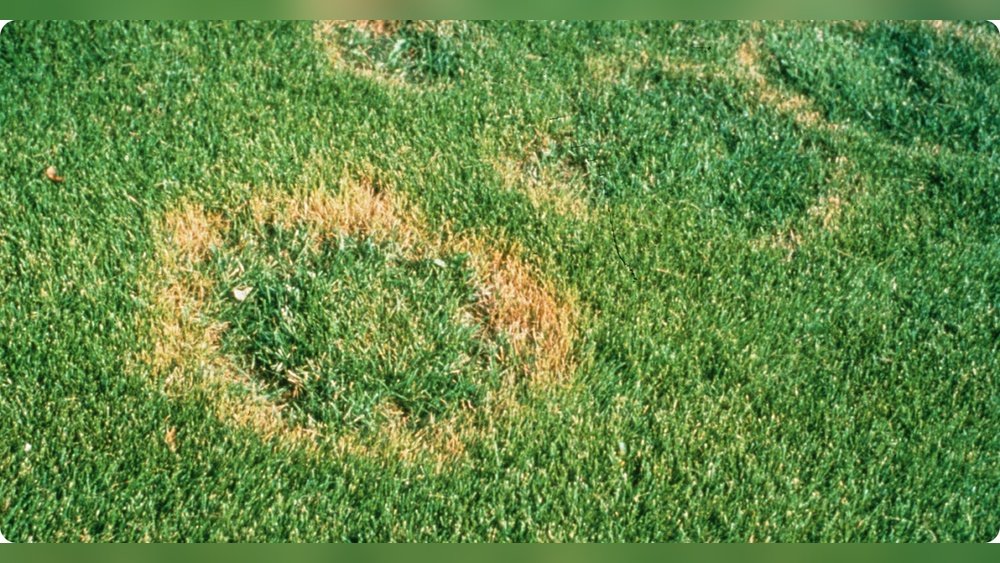
Necrotic ring spot is a fungal disease caused by the fungus *Ophiosphaerella korrae*. It mostly affects cool-season grasses, especially Kentucky bluegrass and annual bluegrass. The fungus attacks the roots and lower stems, causing patches of grass to die in a ring or arc pattern. The center of the ring often looks healthy, which can confuse many lawn owners.
This disease usually appears in late spring to early summer, but symptoms can last all year. It spreads more in cool, wet weather and can be hard to remove once established.
Signs And Symptoms
Identifying necrotic ring spot early is key to successful treatment. Here’s what to look for:
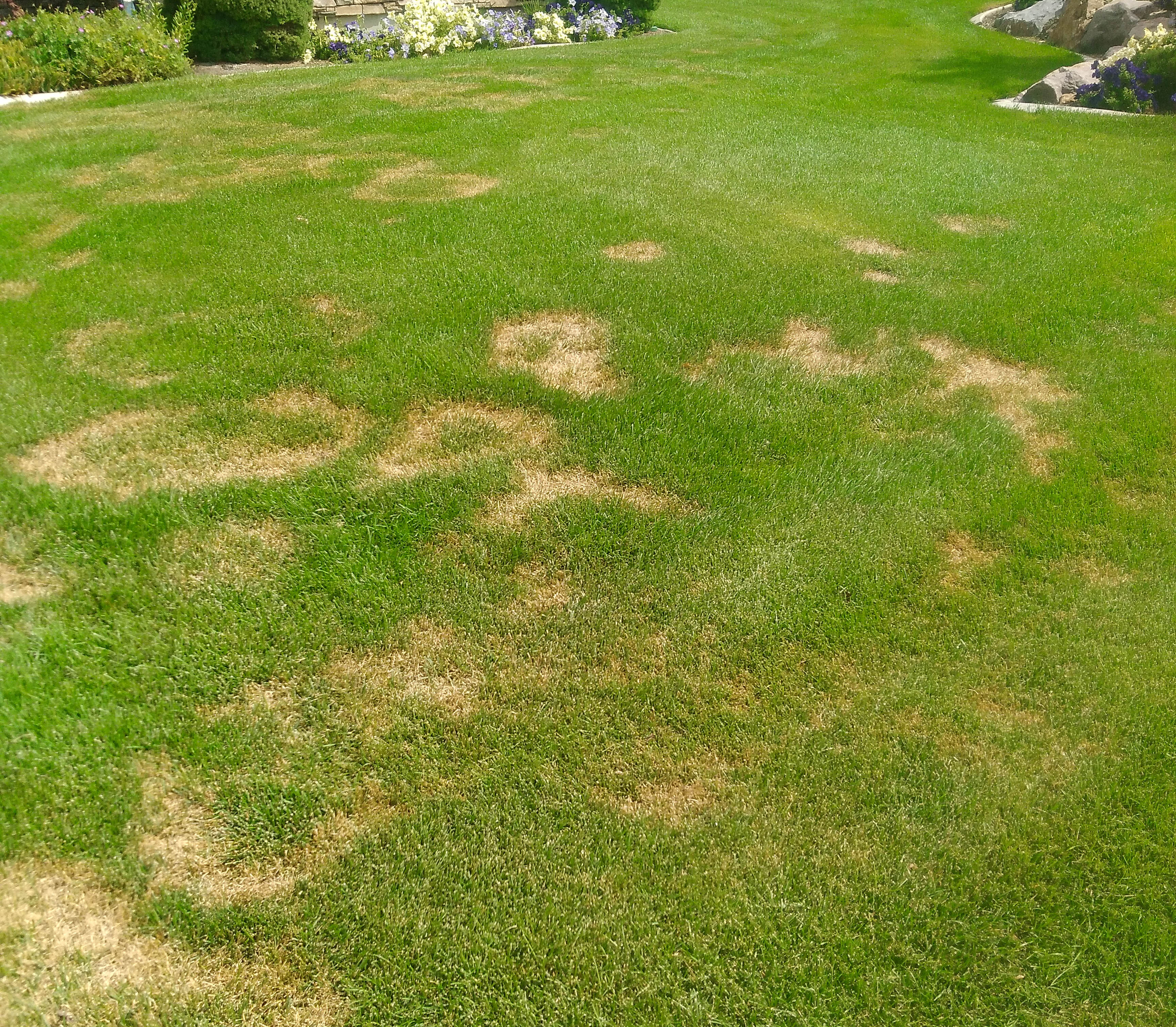
- Circular or irregular rings of dead or yellow grass, usually 2–12 inches wide.
- Healthy green grass inside the rings, which makes the patches look like “frog eyes.”
- Thinning grass and roots that are brown and decayed.
- Worsening symptoms during hot, dry weather, even though the fungus grows in cool, wet soil.
If you see these signs, you likely have necrotic ring spot and not another issue like grubs or drought.
Credit: stewartslawn.com
Causes And Risk Factors
Several factors make lawns more likely to get necrotic ring spot:
- Susceptible grass types: Kentucky bluegrass is most at risk.
- Young lawns: Lawns less than 3 years old get the disease more often.
- Heavy soil: Clay soils that hold water can help the fungus grow.
- Poor drainage: Waterlogged soil creates the right conditions for the fungus.
- Too much nitrogen fertilizer: Over-fertilizing can weaken roots.
- Thatch buildup: Thick layers of thatch keep soil damp and promote disease.
Understanding these causes helps you prevent the problem in the future.
How To Confirm Necrotic Ring Spot
To be sure you have necrotic ring spot, try these steps:
- Dig up a small patch of affected grass with roots and soil.
- Look for dark, rotting roots and a “frog-eye” pattern.
- If you are not sure, send a sample to a local university extension office or plant disease lab for testing.
This step is important because other issues, like summer patch or insect damage, can look similar but need different treatments.

Credit: www.youtube.com
Steps To Treat Necrotic Ring Spot
Treating necrotic ring spot is challenging. The fungus hides in the soil and often returns year after year. Here is a complete action plan to help your lawn recover.
1. Improve Lawn Care Practices
Good lawn care makes your grass stronger and less likely to get sick.
- Mow at the right height: Keep grass at 2.5 to 3 inches. Cutting too short stresses the lawn.
- Water deeply, but not often: Give about 1 inch of water once a week. Water early in the morning to reduce moisture on leaves.
- Aerate the soil: Use a core aerator in fall or spring to reduce compaction and improve drainage.
2. Adjust Fertilization
Fertilizer can either help or harm your lawn, depending on how you use it.
- Use a balanced fertilizer with slow-release nitrogen.
- Avoid high-nitrogen fertilizers, especially in late spring and summer.
- Add potassium if a soil test shows low levels, as potassium helps roots fight disease.
3. Remove Thatch
Thatch is a layer of dead grass and roots above the soil. If it gets thicker than 0. 5 inches, it holds moisture and helps the fungus.
- Rake the lawn with a dethatching rake or machine in early fall.
- Compost or remove the thatch so it does not spread disease.
4. Overseed With Resistant Grass
Some types of grass resist necrotic ring spot better than others.
- Choose a disease-resistant blend of Kentucky bluegrass or fescue.
- Overseed thin areas in fall to help your lawn recover and crowd out the fungus.
5. Fungicide Application
Fungicides can help, but timing and method are critical.
- Use a fungicide labeled for necrotic ring spot (check the active ingredient: Propiconazole, azoxystrobin, or myclobutanil).
- Apply in spring and fall, before symptoms appear, for best results.
- Water the lawn lightly after applying, so the product reaches the roots.
- Always follow the label instructions for safety.
Below is a table comparing some common fungicides for necrotic ring spot:
| Fungicide Name | Active Ingredient | Application Timing | Effectiveness |
|---|---|---|---|
| Bayer Advanced Lawn Fungus Control | Propiconazole | Spring/Fall | Good |
| Scotts DiseaseEX | Azoxystrobin | Spring/Fall | Very Good |
| Fertilome F-Stop | Myclobutanil | Spring/Fall | Moderate |
6. Manage Soil And Water
Healthy soil is the key to a healthy lawn.
- Test your soil every 2–3 years.
- Add organic matter like compost to improve drainage and root health.
- Fix low spots or drainage issues to prevent standing water.
- Avoid frequent, shallow watering, which encourages shallow roots.
7. Control Weeds And Insects
Weeds and insects can stress grass, making necrotic ring spot worse.
- Remove weeds by hand or with a selective herbicide.
- Watch for insect signs, such as chewed roots, and treat as needed.
8. Remove And Replace Severely Damaged Grass
If an area is dead and not recovering, you may need to remove the sod and start over.
- Cut out the dead turf and a few inches of soil.
- Fill with fresh, disease-free soil and reseed or lay new sod.
- Water and care for the new area carefully.
9. Monitor And Repeat
Necrotic ring spot can return. Keep an eye on your lawn every season.
- Check for new rings in spring and fall.
- Repeat aeration, overseeding, and fungicide if needed.
10. Seek Professional Help
If you have tried everything and the problem continues, contact a lawn care professional or turf specialist. They can test your soil, diagnose problems, and treat your lawn with specialized products.
Common Mistakes To Avoid
Many homeowners make simple mistakes that make necrotic ring spot worse. Here are some to avoid:
- Overwatering or watering at night, which keeps the lawn damp.
- Applying too much fertilizer, especially quick-release types.
- Ignoring thatch buildup.
- Using the wrong fungicide or applying at the wrong time.
- Not mowing often enough, or cutting the grass too short.
Fixing these mistakes can make your treatment plan much more effective.
Credit: extension.usu.edu
Prevention: Keeping Your Lawn Healthy
Prevention is always better than cure. Here’s how to keep necrotic ring spot away in the future:
- Choose disease-resistant grass varieties when planting or overseeding.
- Aerate your lawn every 1–2 years, especially on compacted soils.
- Water early in the day to allow grass to dry quickly.
- Fertilize with slow-release products and based on soil test results.
- Dethatch when necessary.
- Monitor for early signs and act quickly.
Below is a table summarizing prevention strategies and their benefits:
| Prevention Method | How It Helps |
|---|---|
| Aeration | Reduces soil compaction and improves root growth |
| Disease-resistant grass | Decreases risk of infection |
| Proper watering | Limits excess moisture on roots |
| Balanced fertilization | Supports healthy, strong grass |
| Thatch control | Prevents moist, fungus-friendly conditions |
Non-obvious Insights Beginners Miss
Many new lawn owners focus only on the visible grass, not what is happening below the surface. Two non-obvious but important insights:
- Soil health matters most. Necrotic ring spot is a root disease. Improving soil structure, organic matter, and drainage gives long-term results.
- Timing is everything. Fungicides work best as a preventative, not after you see symptoms. Mark your calendar each year for spring and fall treatments.
Missing these steps often leads to repeated outbreaks and frustration.
When Is The Best Time To Treat?
The best time to treat necrotic ring spot is early spring or early fall, when the fungus is active but before major symptoms appear. This is when grass roots are growing and can recover fastest. Do not wait until summer when the grass is stressed and brown.
Here’s a seasonal treatment plan:
| Season | Recommended Actions |
|---|---|
| Early Spring | Soil test, aerate, apply fungicide, overseed |
| Late Spring | Balanced fertilizer, check for early symptoms |
| Summer | Deep, infrequent watering, mow high, avoid stress |
| Early Fall | Aerate, dethatch, overseed, apply fungicide if needed |
| Late Fall | Winterize lawn, remove leaves, prepare for dormancy |
Real-world Example
A homeowner in Minnesota noticed brown rings in their Kentucky bluegrass lawn every June. They tried watering more and adding fertilizer, but the problem got worse. After a soil test showed compacted, low-potassium soil and thick thatch, they changed their approach:
- Aerated the lawn in spring and fall.
- Switched to slow-release, balanced fertilizer.
- Removed 1 inch of thatch with a dethatching rake.
- Applied azoxystrobin fungicide in spring and overseeded with resistant grass.
By the next summer, the rings were gone, and the lawn looked thicker and greener. This shows that tackling the root causes—not just the symptoms—makes the biggest difference.
When To Expect Results
Necrotic ring spot recovery can take one full growing season or more. Be patient and keep up with lawn care. Quick fixes are rare with this disease, but steady improvement is possible with the right plan.
Frequently Asked Questions
How Do I Know If My Lawn Has Necrotic Ring Spot Or Another Disease?
Look for yellow rings with green centers and decaying roots. Other diseases like summer patch can look similar, so if you are unsure, send a sample to a plant disease lab or your local extension office for confirmation.
Can I Treat Necrotic Ring Spot Without Chemicals?
Yes, but it is harder. Improve soil health, aerate, reduce thatch, and overseed with resistant grass. Organic compost helps, but if the disease is severe, a fungicide may be necessary for quick recovery.
Is Necrotic Ring Spot Harmful To Pets Or Children?
The disease itself is not harmful, but some fungicides can be. Always read product labels and keep pets and children off the lawn until it is dry and safe.
How Often Should I Aerate My Lawn?
Aerate at least once a year if you have clay soil or compaction problems. For sandy soils, every 2–3 years is enough. Aeration in early spring or fall works best.
Where Can I Find More Information About Lawn Diseases?
You can read more at the official Wikipedia page on necrotic ring spot or contact your local extension service for expert advice.
A healthy lawn takes time and care, but with the right steps, you can beat necrotic ring spot and enjoy a green, beautiful yard all year. Focus on the soil, use the right products at the right time, and your efforts will pay off.