
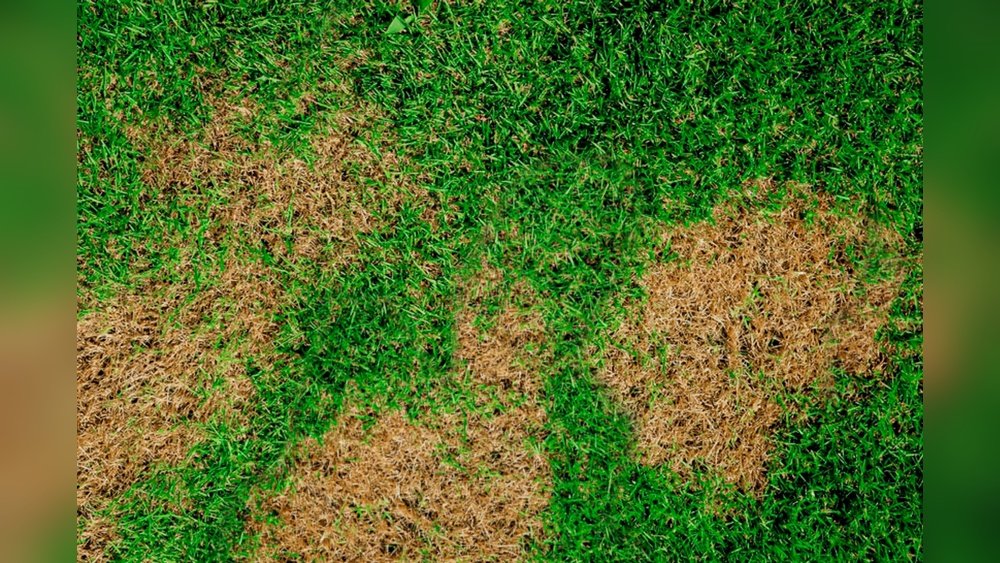
Brown patch lawn disease can leave a once-beautiful yard looking dull and unhealthy almost overnight. If you see large, irregular brown spots or thinning grass, you might be dealing with this common fungal problem. The good news is that with the right approach, you can treat brown patch and help your lawn recover quickly.
This guide explains everything you need to know—from identifying symptoms to choosing the best treatments and preventing future outbreaks.
What Is Brown Patch Lawn Disease?
Brown patch is a fungal disease caused mainly by the Rhizoctonia species. It targets cool-season grasses like tall fescue, perennial ryegrass, and Kentucky bluegrass, but can also affect some warm-season types. The fungus thrives in hot, humid weather—usually when daytime temperatures are above 80°F (27°C) and nights remain warm.
The infection often starts after long periods of rain or overwatering. Dense lawns and excessive fertilizer use can make things worse, giving the fungus the perfect environment to spread.
How To Identify Brown Patch
Catching brown patch early is key for effective treatment. Here are the classic signs:
- Circular or irregular brown spots: These can range from just a few inches to several feet wide.
- “Smoke ring” border: Sometimes, a gray or dark ring appears at the edge of the patch, especially in the morning.
- Wilted, sunken grass blades: The grass may look thin, weak, or water-soaked.
- Blades with tan lesions: Look for grass blades with thin, tan-colored patches surrounded by dark edges.
Brown patch can sometimes be confused with drought stress or other lawn diseases. One quick test is to gently pull on the affected blades—if they break off easily at the crown (base), it’s likely a fungal infection.
Why Brown Patch Happens
Understanding why brown patch appears will help you tackle the root causes. The main triggers are:
- Overwatering: Consistently wet soil is a perfect home for the fungus.
- High humidity and heat: Warm, sticky nights let the disease grow quickly.
- Dense grass or thatch: Thick grass and heavy thatch trap moisture, fueling the fungus.
- Excess nitrogen: Applying too much fertilizer encourages soft, lush growth that is more vulnerable.
- Poor air movement: Crowded plants and fences block airflow, keeping the grass damp.
A key insight: Many homeowners make the mistake of watering late in the evening or using heavy fertilizer in summer. Both of these actions can worsen brown patch outbreaks.
Step-by-step Brown Patch Treatment
The best way to beat brown patch is a mix of practical lawn care changes and, if needed, fungicide treatments. Here’s a proven step-by-step process:
1. Adjust Watering Habits
Water deeply, but less often. Early morning is the best time—this lets the grass dry out during the day. Avoid watering in the evening, as wet grass overnight encourages fungus.
A practical schedule: Water 1-2 times per week, aiming for about 1 inch (2.5 cm) total per week. Use a rain gauge or an empty tuna can to measure.
2. Improve Lawn Airflow
Good airflow dries out grass blades and makes it harder for fungus to survive. Mow your lawn to the correct height—usually 2.5 to 4 inches for cool-season grasses. Remove grass clippings if they are thick, and trim back overgrown shrubs or trees around the lawn.
If your lawn has a thick thatch layer (more than 0. 5 inch/1. 2 cm), consider dethatching in late summer or early fall.
3. Cut Back On Nitrogen
High-nitrogen fertilizer feeds the fungus as much as the grass. Use a slow-release, balanced fertilizer, and avoid feeding during hot, humid weather. The best time to fertilize cool-season lawns is early spring and fall.
4. Mow Correctly
Keep your mower blades sharp. Dull blades tear grass, making it easier for diseases to enter. Never remove more than one-third of the grass height at a time.
5. Treat With Fungicide (if Needed)
If the outbreak is severe, a fungicide can help stop brown patch from spreading. Look for products with azoxystrobin, propiconazole, or thiophanate-methyl. Always follow the label instructions.
Fungicides work best when applied early—at the first sign of brown patch. For large lawns, a hose-end sprayer gives even coverage.
Example Of Common Fungicides
| Active Ingredient | Brand Example | Application Frequency |
|---|---|---|
| Azoxystrobin | Scotts DiseaseEx | Every 14-28 days |
| Propiconazole | Bayer BioAdvanced Fungus Control | Every 14 days |
| Thiophanate-methyl | Cleary’s 3336 | Every 14-21 days |
6. Repair Damaged Lawn Areas
After treating brown patch, some areas may not bounce back right away. Rake out dead grass gently and reseed bare spots with a suitable grass seed. Water lightly until new grass is established.
7. Monitor And Repeat As Needed
Check your lawn every few days during hot, humid spells. If brown patch returns, repeat the steps above. Early intervention is the best defense.
Brown Patch Vs. Other Lawn Problems
Brown spots in your lawn can have many causes. Here’s a quick comparison to help you be sure:
| Problem | Symptoms | Main Causes |
|---|---|---|
| Brown Patch | Circular brown spots, “smoke ring”, tan lesions | Fungus, heat, humidity, wet soil |
| Drought Stress | Irregular browning, grass feels dry | Lack of water, hot weather |
| Chinch Bugs | Patches with insects, grass appears chewed | Insect damage |
| Dog Urine | Small, round yellow spots | Pet urine |
If you’re still unsure, contact a local extension office or lawn care professional for help.
Proven Prevention Tips
Stopping brown patch before it starts is much easier than treating a full outbreak. Here’s what you can do:
- Water smartly: Early morning, deep watering, and let the soil dry between sessions.
- Choose the right fertilizer: Go for slow-release types, and don’t overfeed in summer.
- Aerate compacted soil: Use a core aerator every 1-2 years to help water and air reach the roots.
- Dethatch if needed: Keep thatch under 0.5 inch (1.2 cm).
- Plant resistant grass varieties: Some new types are less likely to get brown patch. Ask at your local garden center.
- Maintain mower blades: Sharpen them at least once per season.
- Avoid overwatering: Remember, grass prefers to be a little dry rather than too wet.
An often-missed tip: Test your soil’s pH every few years. Fungal diseases thrive in soil that is too acidic or alkaline. Aim for a pH of 6.0-7.0 for most lawns.
Common Mistakes To Avoid
Many homeowners accidentally make brown patch worse. Here are two missteps you should avoid:
- Watering at night: This keeps grass blades wet for hours and gives fungus an advantage.
- Ignoring signs of early disease: Small brown spots can spread quickly in the right conditions. Treat early!
A less obvious mistake is using too much fertilizer in late spring or summer. This causes rapid, weak growth that is easy for fungus to attack.
When To Call A Professional
If you have tried these steps and the disease continues to spread, it may be time to call in a lawn care expert. Professionals can test for the exact disease, recommend the best fungicide, and give advice tailored to your climate and grass type.
Severe brown patch in high-value lawns (like golf courses or sports fields) is almost always managed by professionals due to the risk and cost of damage.

Credit: www.youtube.com
Real-world Example: Recovering From Brown Patch
Consider a homeowner in North Carolina who noticed large, irregular brown circles in their fescue lawn during a humid July. They had been watering every evening and used a high-nitrogen fertilizer in late June. After switching to early morning watering, lowering fertilizer use, mowing more often, and applying a fungicide with propiconazole, new green shoots appeared in two weeks.
By late August, the lawn was nearly fully recovered.
This example highlights how changing daily habits is often more effective than relying on chemicals alone.
Essential Tools And Supplies
Here’s what you’ll need for brown patch control:
- Hose or sprinkler (with timer for early morning use)
- Rake
- Dethatcher (optional, for thick thatch)
- Lawn aerator (for compacted soil)
- Sharp mower blades
- Slow-release fertilizer
- Grass seed (for overseeding)
- Fungicide (only if needed)
Credit: heritageppg.com
Cost Comparison: Diy Vs. Professional Treatment
Treating brown patch yourself is usually much cheaper than hiring a pro. Here’s a basic cost breakdown:
| Item/Service | DIY Cost (USD) | Professional Cost (USD) |
|---|---|---|
| Fungicide (1,000 sq ft) | $15–$35 | $50–$100 |
| Aeration | $30 (rental) | $80–$150 |
| Full Lawn Treatment | $50–$100 | $150–$300 |
For more data about brown patch and turfgrass diseases, visit the Wikipedia Brown Patch page.
Frequently Asked Questions
How Long Does It Take For A Lawn To Recover From Brown Patch?
Most lawns begin to recover in 2–4 weeks with proper care, though full regrowth depends on the grass type and weather. Overseeding may help speed up recovery for badly damaged spots.
Can I Walk On My Lawn When It Has Brown Patch?
It’s best to minimize foot traffic on affected areas. Walking can stress weakened grass and spread fungal spores to healthy areas.
Are There Natural Treatments For Brown Patch?
Improving airflow, reducing watering, and overseeding with resistant varieties are the best “natural” methods. Some people use compost teas or neem oil, but scientific evidence for their effectiveness is limited.
Will Brown Patch Go Away On Its Own?
Brown patch may stop spreading when the weather turns cooler and drier. However, without changes to watering or fertilizing, the problem often returns and can worsen each year.
Is Brown Patch Harmful To Pets Or People?
Brown patch only affects grass and does not harm humans or animals. However, always keep pets away from recently treated areas if you use fungicides.
A healthy lawn is less likely to get brown patch. With careful attention to watering, mowing, and soil health, you can keep your yard green and strong—even during the toughest summer months.
:max_bytes(150000):strip_icc()/brown-patch-lawn-disease-2153086-03-c65a93589f274753a42d769240f57b9e.jpg)
Credit: www.thespruce.com