
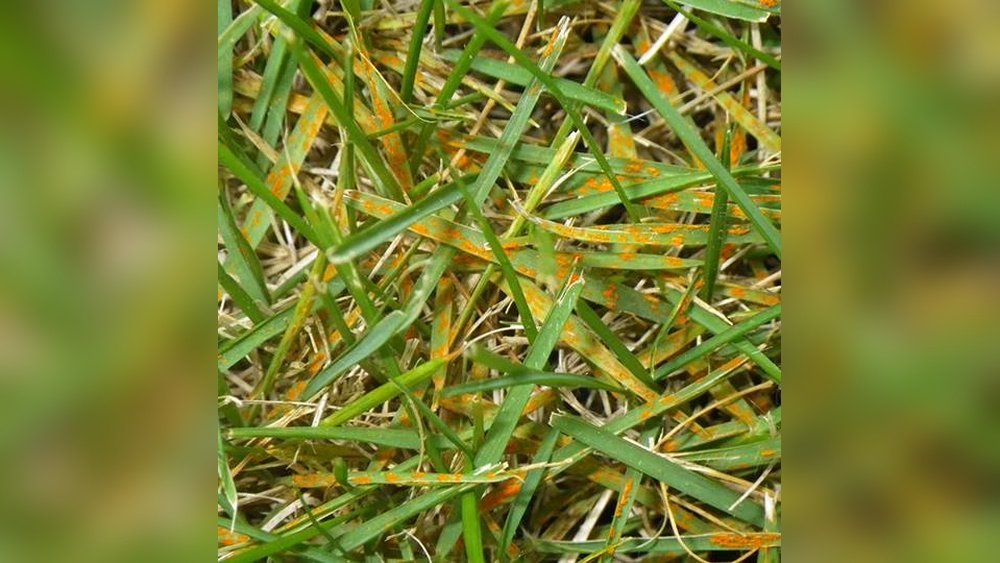
Orange rust on grass tips can be a frustrating problem for anyone who values a healthy, green lawn. You walk outside, expecting soft, vibrant grass under your feet, but instead, you see powdery orange patches dusting the blades. This isn’t just an eyesore—it signals deeper issues that can weaken your grass if left untreated.
Many people don’t realize how quickly orange rust can spread, or that it often returns year after year if not properly managed. The good news? With a clear plan and a little extra attention, you can restore your lawn’s health and keep orange rust at bay.
This guide will walk you through everything you need to know about identifying, treating, and preventing orange rust on grass tips. We’ll look at why it happens, what it means for your lawn, and the best practices to fix the problem for good.
Whether you’re a new homeowner or an experienced gardener, you’ll find practical steps and insights that go beyond basic advice.
What Is Orange Rust On Grass Tips?
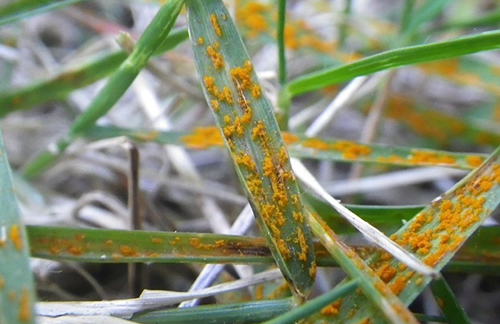
Orange rust is a fungal disease caused by several species of the Puccinia fungus. It appears as powdery orange spots or streaks, usually starting at the tips of grass blades. If you rub the grass between your fingers, you’ll notice a bright orange dust—this is the fungus’s spores.
It’s most common in cool, moist conditions, especially in late spring and early summer. Lawns with heavy thatch, poor drainage, or low fertility are more likely to develop orange rust. While it rarely kills grass outright, it can weaken your lawn, making it thin and patchy.
Signs And Symptoms Of Orange Rust
Recognizing orange rust early is important for effective control. Here’s what to look for:
- Orange powder: Fine, rusty powder on the tips and surfaces of grass blades.
- Yellowing leaves: Grass turns yellow before the orange spots appear.
- Thinning grass: Affected areas look sparse or weak.
- Slowed growth: Grass grows more slowly than usual.
- Stained shoes or pets: Walking across the lawn leaves orange stains on shoes or animal paws.
Sometimes, orange rust can be confused with other problems like nutrient deficiencies or other fungal diseases. If you’re unsure, gently rub a paper towel over the grass—orange rust will leave a clear orange smudge.
Why Does Orange Rust Happen?
Understanding the causes of orange rust can help you prevent it. The fungus thrives when:
- Moisture stays on grass blades for several hours (especially after rain or heavy dew).
- Grass is weak due to low nitrogen or compacted soil.
- Thatch layer is thick, holding moisture and blocking air flow.
- Lawns are shaded, which keeps grass wet longer.
Orange rust often returns if the underlying issues aren’t fixed. Many homeowners try fungicides without addressing soil health, drainage, or proper mowing, leading to repeat outbreaks.
How To Fix Orange Rust On Grass Tips
Restoring your lawn’s health takes a combination of immediate actions and long-term care. Here’s a complete plan for tackling orange rust:
1. Mow Properly
- Keep blades sharp: Dull blades tear grass, making it more vulnerable to disease.
- Mow higher: Set your mower to leave grass at least 2.5 to 3 inches tall. Taller grass shades soil, discourages fungus, and grows stronger roots.
- Bag clippings: During rust outbreaks, collect clippings to reduce spore spread.
2. Improve Watering Practices
- Water early in the morning: This lets grass dry quickly, reducing fungal growth.
- Deep, infrequent watering: Water less often but more deeply (about 1 inch per week), encouraging deep roots and drier leaf surfaces.
- Avoid evening watering: Watering late in the day leaves grass wet overnight—prime conditions for rust.
3. Boost Lawn Nutrition
- Apply balanced fertilizer: Lawns low in nitrogen are more likely to develop rust. Use a slow-release fertilizer with higher nitrogen content (e.g., 24-0-6).
- Follow soil test recommendations: Test your soil every 2-3 years to fine-tune fertilizer choices.
4. Reduce Thatch And Improve Airflow
- Dethatch: Remove excess thatch if it’s thicker than half an inch. You can rent a dethatcher or use a manual rake.
- Aerate: Core aeration (removing plugs of soil) helps air, water, and nutrients reach roots.
5. Address Shade And Drainage
- Trim trees and shrubs: Allow more sunlight and air to reach the grass.
- Improve drainage: For wet spots, consider adding organic matter, installing French drains, or regrading problem areas.
6. Apply Fungicides (when Necessary)
Most home lawns recover from orange rust with improved care, but severe cases may need fungicide. Look for products labeled for rust diseases containing ingredients like propiconazole or myclobutanil.
- Apply at first sign of rust: Early treatment is more effective.
- Follow label instructions: Overuse can lead to resistance and environmental harm.
- Rotate products: Don’t use the same fungicide every time.
7. Overseed With Resistant Varieties
Some types of grass are less susceptible to rust. If your lawn struggles every year, overseed with more resistant varieties:
- Kentucky bluegrass: Many cultivars show good resistance.
- Tall fescue: Tolerant of rust and drought.
- Perennial ryegrass: Some improved varieties resist rust.
Mixing these with your existing grass can gradually boost your lawn’s durability.
Credit: www.thegrassmaster.com
Orange Rust Vs. Other Lawn Problems
Orange rust isn’t the only reason your grass might look unhealthy. Here’s a quick comparison to help you spot the difference:
| Problem | Main Sign | Key Difference |
|---|---|---|
| Orange Rust | Powdery orange spots | Leaves orange dust on shoes/hands |
| Nitrogen Deficiency | Uniform yellowing | No powder, whole lawn affected |
| Dollar Spot | Straw-colored patches | White fungal mycelium in the morning |
| Red Thread | Pinkish-red threads on grass tips | Threadlike structures, not powder |
If you’re still unsure, local extension offices or turf experts can help diagnose the issue.
Common Mistakes When Treating Orange Rust
Many homeowners repeat the same errors that allow orange rust to return. Here are pitfalls to avoid:
- Relying only on fungicides: Fungicides are a last resort, not a cure-all. Without improving lawn health, rust will come back.
- Mowing too short: Scalping weakens grass, making it more vulnerable.
- Ignoring soil health: Compacted or poor soils keep grass stressed.
- Overwatering: Too much water keeps grass wet and favors fungus.
- Not cleaning tools: Mowers and shoes can spread rust spores to healthy areas.

Credit: yardandgarden.extension.iastate.edu
Data: How Orange Rust Affects Lawn Quality
Orange rust can have a surprising impact, even if it looks like a cosmetic problem. Research shows:
| Condition | Healthy Lawn | Rust-Infected Lawn |
|---|---|---|
| Photosynthesis Rate | 100% | 60-70% |
| Growth Rate | Normal | Slowed by 30-50% |
| Recovery After Stress | Fast | Delayed by 2-3 weeks |
A lawn repeatedly affected by rust will thin out over time, letting weeds move in and making recovery harder.
Practical Tips For Long-term Prevention
- Fertilize regularly: Keep nitrogen levels steady, especially in spring and early fall.
- Choose the right grass: Some types are less prone to rust in your region.
- Monitor weather: Rust often follows long periods of wet, cool weather.
- Reseed bare spots: Don’t leave thin patches, as these are more vulnerable.
- Check thatch every spring: If it’s thick, dethatch before growth starts.
Many people miss that orange rust spores can survive the winter in grass debris. Raking and removing dead material each spring can make a big difference.

Credit: www.youtube.com
Example: Fixing Orange Rust In A Home Lawn
Let’s look at a real scenario. A homeowner in the Midwest found orange dust on her lawn each May. She used fungicide, but rust kept coming back. When she tested her soil, she found low nitrogen and heavy clay. Here’s what turned her lawn around:
- Added nitrogen fertilizer in early spring and again in late summer.
- Core-aerated the lawn to reduce soil compaction.
- Overseeded with tall fescue in fall for better rust resistance.
- Raked up clippings during rust outbreaks.
- Watered only in the morning and kept grass at 3 inches.
The next year, orange rust patches were smaller and disappeared after fertilizing. By year three, the lawn was lush and green with no visible rust.
When To Call A Professional
If your efforts aren’t working, or if more than half your lawn is affected, consider hiring a lawn care pro. They can diagnose soil issues, recommend the best treatment, and safely apply fungicides if needed. This is also a good idea if you have irrigation or drainage problems that are hard to fix on your own.
Frequently Asked Questions
What Causes Orange Rust On Grass Tips?
Orange rust is caused by Puccinia fungi. It thrives in cool, wet conditions and attacks weak or undernourished grass. Poor drainage, thick thatch, and low nitrogen levels make lawns more susceptible.
Is Orange Rust Dangerous For Pets Or Children?
No, orange rust is not toxic. The orange dust can stain shoes, clothes, or fur, but it washes off easily. The main risk is to the lawn’s health, not people or pets.
Can Orange Rust Go Away On Its Own?
Mild cases sometimes disappear when the weather turns hot and dry. However, without improving lawn care (fertilizer, mowing, watering), it often returns and can weaken your grass over time.
Should I Use A Fungicide Right Away?
Not always. Most rust outbreaks can be controlled with better lawn care. Use fungicides only for severe cases, and always follow the label. Overuse can harm beneficial soil microbes and lead to resistance.
How Do I Know If My Grass Is Rust-resistant?
Check the variety listed on your seed bag or ask your supplier. Tall fescue and many modern Kentucky bluegrass types resist rust better than older varieties or fine fescues.
If you want more details on turfgrass diseases and control, the NC State TurfFiles site is a great resource.
Keeping your lawn free of orange rust takes patience and a few changes to your routine. By understanding the root causes, making smart choices, and staying vigilant, you can restore your grass to its healthy, green glory and enjoy your yard with confidence.