
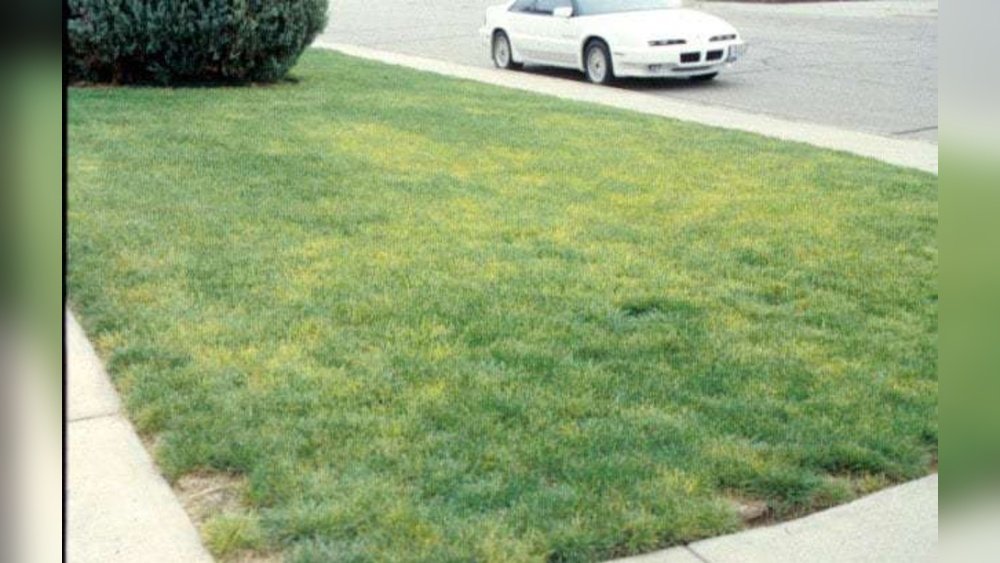
A healthy, green lawn is the pride of any yard. But sometimes, even with good care, you may notice your grass turning yellow or pale. This can be disappointing, especially if you mow, water, and fertilize regularly. One common reason for this problem is iron deficiency in the lawn. If you’ve spotted these symptoms, you’re not alone—iron chlorosis is a widespread issue, especially in certain soils and climates.
Understanding how to treat iron deficiency in your lawn can save you time, money, and frustration. This guide will show you how to identify the issue, why it happens, and most importantly, step-by-step methods to restore your lawn’s vibrant color.
You’ll also learn common mistakes to avoid, the science behind iron in grass health, and how to prevent the problem from returning.
What Is Iron Deficiency In Lawns?
Iron deficiency, also called iron chlorosis, is a condition where grass cannot access enough iron from the soil. Iron is a vital micronutrient for plants. It helps produce chlorophyll, the green pigment that allows grass to make food using sunlight. Without enough iron, grass blades lose their rich color, and their growth weakens.
Iron deficiency is not the same as a lack of fertilizer or poor watering. Lawns with this problem may still get enough nitrogen, phosphorus, and potassium, but they are missing available iron. This difference is important: you can fertilize as much as you want, but if iron is locked up in the soil, your lawn will still look sickly.
Causes Of Iron Deficiency In Lawns
Several factors can make iron unavailable to grass, even if the soil contains enough iron. Here’s what typically causes the problem:
- High Soil pH (Alkaline Soil): Iron becomes less available as pH rises above 7.0. Many lawns in the western United States, or in areas with lime in the soil, suffer from this.
- Poor Soil Aeration: Compacted or waterlogged soil prevents roots from taking up iron.
- Excess Phosphorus: Over-fertilizing with phosphorus can tie up iron, making it harder for grass to absorb.
- Cool Soil Temperatures: Iron uptake slows in cool spring weather.
- Root Damage: Grubs, disease, or drought can limit root function, reducing iron absorption.
Non-obvious insight: Even lawns with rich, dark soil can have iron deficiency if the pH is too high. It’s not always about the total iron in the dirt—it’s about whether the grass can use it.
Signs And Symptoms Of Iron Deficiency
Catching iron deficiency early is key to a quick fix. Here’s what to look for:
- Yellowing between leaf veins: Grass blades turn pale or yellow, but the veins stay green. This is called interveinal chlorosis.
- Patchy appearance: Yellow spots often appear in patches, sometimes in the sunniest parts of the yard.
- Slow growth: The lawn may grow more slowly and thin out.
- No response to nitrogen fertilizer: If you add regular fertilizer and see no improvement, iron may be the missing piece.
Example: Kentucky bluegrass and fescue are especially prone to iron chlorosis, while some grass types (like zoysia) are less sensitive.
Testing For Iron Deficiency
Before adding anything to your lawn, it’s smart to confirm the real problem. Not all yellow grass is due to iron! Here’s how to test:
Soil Testing
A proper soil test will reveal:
- PH level (how acidic or alkaline your soil is)
- Iron content (both total and available)
- Levels of other nutrients that may affect iron uptake
You can buy a simple kit, but for best results, send a sample to a local extension office or professional lab. They can give you a full report, often for a small fee.
Tissue Testing
Some professionals analyze grass clippings for nutrient content. This can show if grass is absorbing iron, even if the soil has enough.
Home Clues
If you see classic interveinal chlorosis, have high soil pH, and regular fertilizer isn’t working, iron deficiency is likely. But a test removes the guesswork.
How Iron Works In Lawn Health
Iron is not just for color—it’s essential for core plant functions:
- Chlorophyll production: Without iron, grass can’t make enough chlorophyll, and leaves lose their green.
- Energy transfer: Iron helps convert sunlight into energy.
- Disease resistance: Healthy, iron-fed lawns are less prone to some diseases.
Non-obvious insight: Iron is a micronutrient—lawns don’t need much, but a small shortage causes big problems. Unlike nitrogen or potassium, too much iron rarely hurts the grass.
Step-by-step Guide: Treating Iron Deficiency
Restoring your lawn’s color and health is possible with a clear process. Here’s what you need to do:
1. Confirm The Problem
Start with a soil test (as described above). If the pH is high and available iron is low, you’ve found the issue.
2. Choose The Right Iron Source
There are several ways to supply iron to your lawn. Each has pros and cons.
Granular Iron Fertilizers
These are spread like regular fertilizer. They release iron slowly and are good for long-term improvement.
Liquid Iron Sprays
Liquid iron chelates (such as iron sulfate or iron EDTA) are sprayed directly on the grass. They work fast—sometimes greening up the lawn in days.
Soil Amendments
If high pH is the root cause, adding sulfur or organic matter can lower pH and free up existing iron.
Iron Chelates
Chelated iron stays available to plants even in alkaline soil. Look for products labeled EDDHA, EDTA, or DTPA.
3. Apply Iron Properly
Follow label instructions exactly—more is not always better. Here are general tips:
- Water the lawn before and after applying iron.
- Don’t mow right before or after spraying.
- Avoid iron products on concrete—they can stain sidewalks or driveways.
- Wear gloves and old shoes; iron can stain skin and clothes.
4. Address Underlying Issues
Treating iron deficiency only works if you fix the real cause. If soil pH is high, consider these steps:
- Add elemental sulfur to lower pH (usually 5–10 pounds per 1,000 square feet, but test first).
- Topdress with compost or peat moss to increase organic matter.
- Aerate compacted soil to improve root health.
- Reduce phosphorus fertilizer if levels are high.
5. Monitor And Repeat As Needed
Check your lawn’s color and health over the next few weeks. Some lawns may need repeat treatments—especially in high pH soils.

Credit: lawnlove.com
Common Mistakes To Avoid
Iron deficiency can be stubborn. Many homeowners make these errors:
- Ignoring pH: Adding iron alone won’t help if the soil is too alkaline.
- Over-application: Too much iron can cause black patches or even harm the grass.
- Using the wrong product: Not all iron sources work in all soils. For high pH, chelated iron is a must.
- Neglecting soil health: Compacted, poorly drained, or low-organic-matter soils need more than iron.
Comparing Iron Treatment Options
Here’s a comparison of the most common iron sources for lawns:
| Iron Source | Speed of Results | Effect Duration | Works in High pH? | Cost |
|---|---|---|---|---|
| Iron Sulfate (Granular) | Medium | 4-6 weeks | Limited | Low |
| Liquid Iron Chelate (EDTA, EDDHA) | Fast (days) | 2-4 weeks | Yes | Medium |
| Elemental Sulfur | Slow (months) | Long-term | Yes (lowers pH) | Low |
| Compost/Organic Matter | Slow | Seasonal | Somewhat | Low-Medium |
When To Apply Iron To Your Lawn
Timing matters for best results. Here’s a quick guide:
- Spring: When new growth starts, especially if you see yellowing.
- Summer: If yellowing returns, a light re-application can help.
- Fall: Only if needed—overuse can build up iron in soil.
Apply early in the morning or late in the day to avoid burning the grass. Don’t apply just before rain, as it can wash away the treatment.
How Much Iron Does Your Lawn Need?
Most lawns need only 0.5–1.0 pounds of actual iron per 1,000 square feet per year. But always check product labels—some formulas are more concentrated. Overuse can cause dark patches that look almost black.
Example: If your product contains 10% iron and the bag weighs 20 pounds, you have 2 pounds of iron. For 2,000 square feet, that’s enough for two annual treatments.

Credit: www.youtube.com
Caring For Your Lawn After Iron Treatment
Iron can green up your lawn quickly, but lasting health depends on good care. Here’s what to do next:
- Mow at the right height: Taller grass shades roots and improves health.
- Water deeply, not often: This encourages strong roots.
- Fertilize wisely: Avoid high-phosphorus fertilizers if iron has been an issue.
- Aerate in spring or fall: This helps roots access nutrients.
- Monitor for pests or disease: Weak lawns are more prone to other problems.
The Role Of Soil Ph In Iron Deficiency
Soil pH is often the hidden villain in iron chlorosis. Here’s why:
- Low pH (acidic): Iron stays available. Deficiency is rare.
- High pH (alkaline): Iron becomes insoluble, even if soil tests show plenty.
Grass prefers a soil pH of 6.0–7.0. If your lawn’s pH is above 7.5, iron problems are almost guaranteed.
How to lower pH:
- Use elemental sulfur or acidifying fertilizers.
- Add organic materials like compost, peat moss, or pine needles.
- Avoid lime (it raises pH).
Retesting pH each year is smart, as changes happen slowly.
The Science: Why Some Soils Cause Iron Deficiency
Not all soils are equal. Here’s how different types affect iron:
| Soil Type | Iron Availability | Common in These Regions | Notes |
|---|---|---|---|
| Clay (Alkaline) | Low | Midwest, Southwest US | High pH, compacted |
| Sand (Neutral/Acidic) | Medium-High | Coastal areas | Drains well |
| Organic-rich loam | High | Forest edges | Lots of natural iron |
| Lime-amended soils | Very Low | Gardens, old farmland | Lime binds iron |
Non-obvious insight: Sometimes, new homes have lawns planted over subsoil after construction, which can be very alkaline and low in available iron—even if the old yard had no problem.
Preventing Iron Deficiency In The Future
Prevention is easier than cure. Here’s how to keep your lawn green year-round:
- Test soil pH every 2–3 years. Catch problems early.
- Use balanced fertilizer. Avoid over-applying phosphorus.
- Topdress with compost annually. This improves soil health and iron availability.
- Aerate regularly. Roots need air to absorb nutrients.
- Choose the right grass type. Some varieties handle high pH better than others.
Example: Tall fescue and perennial ryegrass are more iron-efficient than Kentucky bluegrass. If you’re planting a new lawn in a known high pH area, consider your options.
Organic And Natural Iron Treatments
Some homeowners prefer natural solutions. Here are options that work:
- Compost and organic matter: Topdressing with mature compost adds iron and improves soil biology, making existing iron more available.
- Seaweed extracts: These contain small amounts of iron and natural chelators.
- Coffee grounds: These can slightly acidify soil and add trace nutrients, including iron, when sprinkled lightly.
- Blood meal: This organic fertilizer provides both iron and nitrogen, but should be used sparingly.
Note: These methods work best in soils with only mild iron deficiency or slightly high pH. Severe cases may need stronger interventions.
Troubleshooting: If The Lawn Stays Yellow
What if you’ve tried everything and your grass is still yellow? Here are next steps:
- Check watering: Overwatering or poor drainage can mimic iron deficiency.
- Inspect for grubs or root disease: Damaged roots cannot absorb nutrients properly.
- Look for compaction: Hard soil can block nutrient uptake.
- Re-test soil: Sometimes, other nutrient problems (like manganese deficiency) look similar to iron chlorosis.
- Consult an expert: Your local extension service or turf professional can help with stubborn cases.
Environmental And Safety Considerations
Iron is generally safe for pets and people when applied as directed. However, keep these tips in mind:
- Keep iron products away from concrete and stone: They can cause orange or rust stains.
- Store fertilizers safely: Keep out of reach of children and animals.
- Avoid runoff: Don’t fertilize just before heavy rain, which can wash chemicals into waterways.
- Use chelated products responsibly: While effective, they are stronger and can cause problems if misused.
Real-life Example: A Case Study
A homeowner in Denver, Colorado, noticed his Kentucky bluegrass lawn was yellow, even after fertilizing with a popular lawn food. A soil test showed a pH of 7. 8 and low available iron, even though total iron was high. He applied a liquid EDDHA chelate spray and saw green-up in five days.
To prevent return, he topdressed with compost and aerated each spring. Over two years, the lawn stayed green with only light, occasional iron treatments.
Key takeaway: Fixing the underlying cause (high pH) and improving soil health worked better than endless fertilizer.

Credit: www.davey.com
How Iron Deficiency Compares To Other Lawn Problems
Iron deficiency is just one of many reasons for yellow or pale grass. Here’s how it compares:
| Problem | Symptoms | Quick Fix | Long-term Solution |
|---|---|---|---|
| Iron Deficiency | Yellowing between veins; green veins | Iron chelate spray | Lower soil pH, improve soil health |
| Nitrogen Deficiency | Uniform yellowing; older leaves first | Nitrogen fertilizer | Balanced feeding |
| Overwatering | Pale, limp grass; soggy soil | Reduce watering | Improve drainage |
| Root Disease | Patches of dead or dying grass | Fungicide (if disease is present) | Reseed, fix drainage |
If you’re not sure, start with a soil test. Guessing often wastes money and time.
Linking To Research And Further Reading
For more detailed soil science, see the USDA Natural Resources Conservation Service. They provide excellent guides on soils, fertilizers, and lawn health.
Frequently Asked Questions
What Is The Fastest Way To Green Up A Lawn With Iron Deficiency?
Applying a liquid iron chelate is the quickest solution. Results can appear within 2–7 days. Spray in the early morning or late afternoon, and always follow label directions to avoid staining or over-application.
How Often Should I Apply Iron To My Lawn?
Most lawns only need one or two applications per year. Overuse can cause black patches or soil buildup. Always test before repeating treatments, and focus on fixing pH and soil health for long-term results.
Can I Use Household Products To Treat Iron Deficiency?
Some household items, like coffee grounds or diluted seaweed extract, can add small amounts of iron and acidify the soil. However, they are not strong enough for severe cases. For best results, use commercial iron chelate products for lawns.
Will Iron Treatments Harm Pets Or Children?
When used as directed, iron fertilizers are generally safe for pets and children. Keep them off the lawn during application and until the product dries or is watered in. Store all chemicals safely.
Why Does My Neighbor’s Lawn Stay Green While Mine Turns Yellow?
Differences in soil pH, grass type, and past soil management can make one lawn more prone to iron deficiency than another. Even small changes in soil chemistry or compaction can cause big differences in color and health.
A lush, green lawn is within reach if you understand and treat iron deficiency correctly. With careful testing, the right products, and good cultural practices, you can restore your lawn’s beauty—and keep it thriving year after year.