
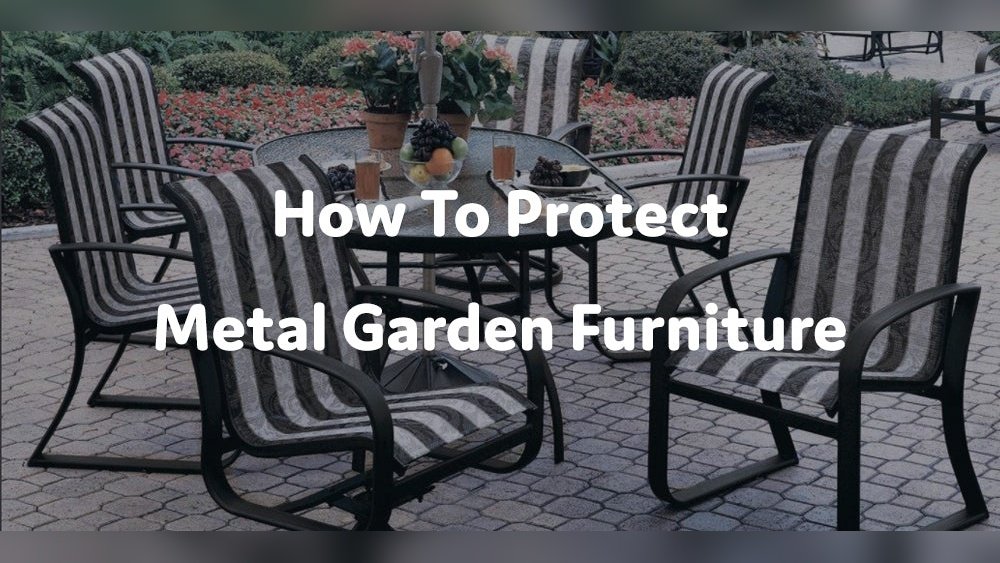
Your patio is a place to relax, host friends, and enjoy the outdoors. But patio furniture faces a tough challenge: rust. Rain, humidity, dew, and even salty air can turn beautiful furniture into a collection of brown, flaky surfaces. Rust not only looks bad, but it can weaken your furniture. Many people don’t realize that rust can start in hidden places—under cushions, inside joints, or even beneath paint. Protecting patio furniture from rust is not just about keeping it looking good, it’s about making your investment last for years.
This guide offers practical advice for anyone who wants their patio furniture to stay strong and attractive. You’ll learn why rust forms, how to prevent it, and what to do if rust starts. Whether your furniture is made of metal, wood, or plastic, you’ll find clear tips, proven methods, and useful comparisons.
Let’s make sure your patio stays a place you love, not a source of stress.
Understanding Rust And Why It Matters
Rust is more than just a cosmetic issue. Rust is a chemical reaction between iron, oxygen, and water. When these elements mix, they form iron oxide, which appears as the reddish-brown coating you see on metal surfaces.
Why Does Patio Furniture Rust?
- Moisture exposure: Rain, dew, and humidity are the main triggers.
- Salty air: If you live near the coast, salt accelerates the rusting process.
- Poor paint or coating: If the protective layer cracks or wears away, moisture reaches the metal.
- Hidden spots: Joints, screws, and areas beneath cushions often trap water.
How Rust Affects Furniture
- Weakens structure: Rust eats away at metal, causing parts to break or bend.
- Reduces lifespan: Furniture may need replacement sooner.
- Looks unattractive: Rust stains are hard to remove and can spread fast.
Not Just Metal—other Materials
Even wood and plastic patio furniture can suffer. Wood absorbs moisture, leading to mold and rot, while plastic can crack and fade. But metal is most at risk for rust, so the tips here focus mainly on metal, with advice for other materials too.
Choosing Rust-resistant Patio Furniture
The best defense against rust starts before you buy furniture. Selecting the right material can make a huge difference.
| Material | Rust Resistance | Maintenance Level |
|---|---|---|
| Aluminum | Excellent | Low |
| Stainless Steel | Very Good | Medium |
| Wrought Iron | Poor (unless treated) | High |
| Teak Wood | N/A (no rust, but can rot) | Medium |
| Plastic | N/A (no rust, can fade/crack) | Low |
Aluminum
Aluminum is lightweight, doesn’t rust, and is easy to clean. It can corrode (white powder), but this is less harmful than rust. Aluminum furniture works well in most climates.
Stainless Steel
Stainless steel resists rust due to its chromium content. However, it can still rust if scratched or exposed to salt air. It’s strong and modern but needs regular cleaning.
Wrought Iron
Wrought iron is classic and strong, but it’s highly prone to rust if not painted or powder-coated. It needs frequent maintenance.
Wood And Plastic
Wood won’t rust, but it can rot. Plastic is immune to rust, but sun exposure can cause cracks or fading. Both require different protection methods.
What To Look For When Buying
- Powder coating: Provides a strong, weatherproof layer.
- Galvanized steel: Steel treated with zinc to resist rust.
- Quality paint: Look for thick, even coverage.
- Sealed joints: Fewer gaps means less moisture entry.
- Warranty: Good brands offer rust warranties.
How To Prevent Rust On Patio Furniture
Preventing rust is easier (and cheaper) than fixing it. Here’s how to stop rust before it starts.
Keep Furniture Dry
Moisture is the main cause of rust. Whenever possible:
- Wipe off water after rain or dew.
- Don’t let cushions stay wet.
- Tilt chairs to drain water away.
Use Furniture Covers
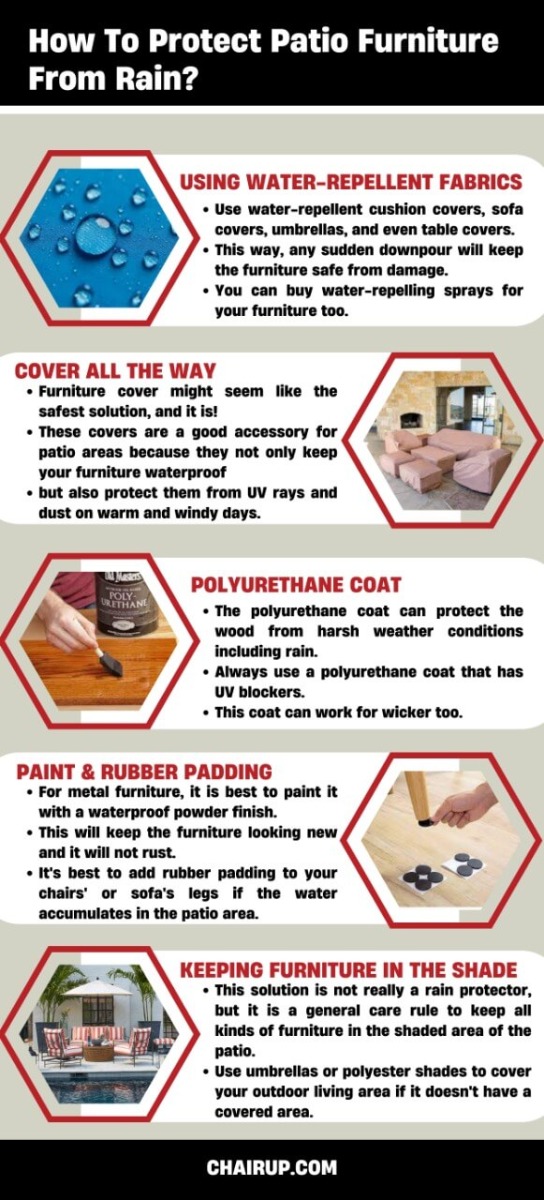
Quality covers protect from rain, snow, and dust. Choose covers that:
- Are waterproof and UV-resistant.
- Fit snugly but allow air circulation (to prevent mold).
- Have tie-downs or elastic edges.
Store Indoors Or In A Shed
If possible, move furniture inside during heavy rain or winter. Garages, sheds, or covered patios protect from moisture.
Apply Protective Coatings
Regularly apply coatings to create a barrier:
- Wax: For metal and painted surfaces.
- Sealant: For wood.
- Spray-on protectants: For plastic.
A good practice is to reapply wax or sealant every 3–6 months.
Maintain Paint And Powder Coating
Chipped paint lets water reach metal. Inspect furniture every month:
- Touch up scratches with matching paint.
- For powder-coated furniture, use repair kits for chips.
Use Rust Inhibitors
Rust inhibitors come as sprays or liquids. They block moisture and oxygen. Use them after cleaning, especially on joints and screws.
Keep Furniture Away From Sprinklers
Sprinklers often spray water onto furniture, causing rust. Place furniture outside the range of automatic watering systems.
Cleaning And Maintenance Routines
Regular cleaning is a key defense against rust. Dirt holds moisture and hides small scratches.
Cleaning Metal Furniture
- Use mild soap and warm water.
- Scrub gently with a soft brush or sponge.
- Rinse and dry with a towel.
- Avoid harsh chemicals—they can damage coatings.
Deep Cleaning
Every 2–3 months, do a deeper clean:
- Remove cushions.
- Check for rust, mold, or stains.
- Clean joints, screws, and underside.
Wood Furniture Care
- Clean with a damp cloth and mild soap.
- Dry immediately.
- Apply wood sealant or oil every 6 months.
Plastic Furniture Care
- Wash with soapy water.
- Avoid abrasive pads.
- Apply UV protectant spray.
Inspect For Rust
Look in hidden places:
- Inside hollow legs.
- Underneath seats.
- Around bolts and screws.
Early rust is easier to fix.
Repairing Rust Damage
If you spot rust, act fast. Leaving it spreads damage and weakens furniture.
Removing Rust
- Scrub rust spots with a wire brush or sandpaper.
- Clean area with soapy water, dry fully.
- Apply rust converter (turns rust into a stable surface).
- Touch up with paint or protective coating.
Repairing Larger Rust Areas
If rust has spread:
- Use a rust remover gel. Let it sit, then wipe off.
- For big holes, use metal filler, then sand and paint.
Replacing Parts
Sometimes, screws, bolts, or small pieces rust beyond repair. Replace with stainless steel or galvanized parts.
Preventing Recurrence
After repair:
- Apply paint, powder coating, or wax.
- Keep furniture dry and covered.
Comparing Rust Prevention Methods
Not every method works equally well. Here’s a clear comparison of common approaches:
| Method | Effectiveness | Frequency | Cost |
|---|---|---|---|
| Furniture Covers | High | Daily/Seasonal | Medium |
| Regular Cleaning | Medium | Weekly | Low |
| Protective Coatings | High | Every 3–6 months | Medium |
| Rust Inhibitor Sprays | Medium | Monthly | Low |
| Indoor Storage | Very High | Seasonal | High |
Furniture covers and protective coatings offer the best protection for most people. Indoor storage is most effective but not always practical.
Credit: www.chairup.com
Weather And Location Factors
Your climate and location change how much rust you’ll see.
Humid Climates
High humidity means more moisture. Choose aluminum or stainless steel, and use covers daily.
Coastal Areas
Salt in the air speeds up rust. Rinse furniture often and use rust inhibitors.
Dry Climates
Less moisture means less rust risk, but dust can scratch coatings. Clean regularly.
Urban Settings
Pollution can damage protective coatings. Inspect paint and coatings more often.
Practical Tips For Daily And Seasonal Protection
Many people forget simple steps that can double the life of their furniture. Here are clear actions you can take:
- Bring cushions indoors during rain or overnight.
- Check joints and screws monthly for early rust signs.
- Rotate furniture so all sides get sunlight and dry evenly.
- Don’t let leaves or debris pile up—they trap moisture.
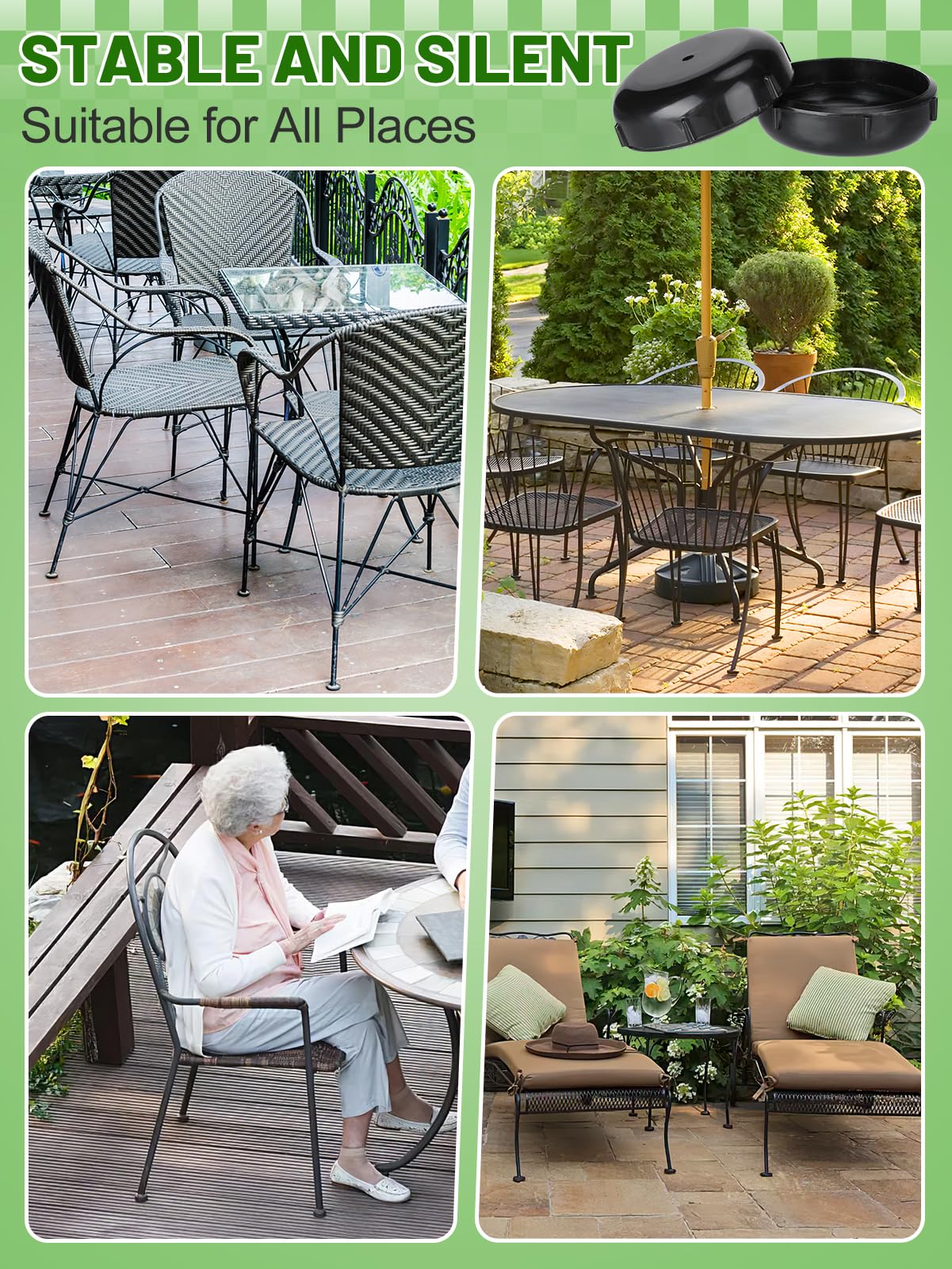
- Consider raised pads under furniture legs to reduce contact with wet ground.
- Label paint colors used for touch-ups, so repairs match perfectly.
- Schedule maintenance—set reminders for cleaning and coating.
Many beginners miss the importance of hidden rust in joints and screws. Even if the main surface looks fine, rust can start inside and weaken the structure. Another non-obvious insight: rainwater can seep through umbrella holes and collect inside frames. Plug or cover these areas.
Common Mistakes To Avoid
Even experienced patio owners can make mistakes. Here are errors to watch for:
Using The Wrong Cleaner
Harsh chemicals strip paint and coatings, increasing rust risk. Use mild soap and water.
Ignoring Small Chips
Tiny paint chips are entry points for moisture. Touch up immediately.
Covering Wet Furniture
Putting a cover on wet furniture traps moisture and causes rust.
Forgetting About Winter
Even if furniture is unused, moisture and condensation collect during cold months. Always store or cover properly.
Skipping Regular Inspections
Rust often starts in hidden places. Check furniture monthly.
Protecting Different Types Of Patio Furniture
Not all furniture needs the same care. Here’s how to protect each type:
Metal Furniture
- Use covers, wax, and rust inhibitors.
- Touch up paint and powder coating.
- Inspect joints, screws, and underside.
Wood Furniture
- Apply sealant or oil.
- Keep dry and covered.
- Watch for mold and rot.
Plastic Furniture
- Clean regularly.
- Use UV protectant.
- Store away from direct sun.
Mixed Material Furniture
Some furniture has metal frames and wood seats. Treat each part separately.
Real-life Examples And Success Stories
Many people have extended the life of their patio furniture with simple steps.
- Janet from Florida: Switched to aluminum furniture after losing two wrought iron sets to rust. Now her furniture lasts over 8 years with minimal maintenance.
- Eric in California: Uses covers and checks joints monthly. He caught early rust in a screw, replaced it, and avoided replacing the whole chair.
- Maria in Texas: Applies protective wax every season. Her powder-coated steel furniture still looks new after 5 years.
- Liam from Maine: Stores furniture in a shed during winter. His wooden table survived harsh winters without rot or mold.
- Patricia from New York: Sets reminders for seasonal maintenance. She keeps touch-up paint on hand for quick repairs.
These stories show that prevention pays off. Small actions save money and keep patios beautiful.
Eco-friendly And Safe Rust Prevention
Many people worry about chemicals and environmental impact. Here are safer options:
- Natural waxes: Beeswax or carnauba wax protect metal without harsh chemicals.
- Biodegradable cleaners: Use plant-based soaps for cleaning.
- Vinegar for rust removal: Works for small spots, but rinse and dry thoroughly.
- Recycled covers: Choose covers made from recycled materials.
Eco-friendly methods can be just as effective, with less harm to pets or plants.
Professional Help And When To Call Experts
Sometimes, rust damage is too big for DIY methods. Here’s when to call a professional:
- Large rust holes or structural damage.
- Furniture with complex designs (hard to reach spots).
- Need for sandblasting or powder coating.
- Warranty repairs.
Professionals have tools and experience for deep repairs. They can also apply industrial coatings for long-lasting protection.
Comparing Patio Furniture Brands For Rust Protection
Some brands offer better rust protection than others. Here’s a comparison:
| Brand | Material | Rust Protection | Warranty |
|---|---|---|---|
| Trex Outdoor Furniture | Aluminum | Powder-coated, high resistance | 20 years |
| Brown Jordan | Stainless steel, aluminum | Premium coatings | 15 years |
| Hampton Bay | Steel, aluminum | Standard coatings | 5 years |
| Woodard | Wrought iron | Regular paint, needs maintenance | 10 years |
| IKEA | Mixed materials | Basic coatings | 10 years |
Trex and Brown Jordan offer the best rust protection, but cost more. Hampton Bay and IKEA are affordable but require more maintenance.
Credit: www.amazon.com
How To Extend Furniture Life Beyond Rust Prevention
Protecting against rust is just one part of furniture care. For maximum lifespan:
- Store furniture indoors during harsh weather.
- Rotate pieces so wear is even.
- Keep furniture out of direct sun to prevent fading.
- Clean regularly and inspect for damage.
- Replace worn parts before they cause bigger problems.
These steps help your furniture last for years, saving money and hassle.
Useful Accessories And Products
Some accessories make rust prevention easier:
- Furniture covers: Waterproof, UV-resistant, custom-fit.
- Touch-up paint: Matches original color, easy to apply.
- Rust inhibitor spray: Blocks moisture and oxygen.
- Protective wax: Shields metal from water.
- Raised pads: Keep legs off wet surfaces.
Look for products with good reviews and quality guarantees.
When To Replace Furniture
Sometimes, furniture reaches the end of its life. Signs it’s time to replace:
- Structural damage (can’t be fixed safely).
- Large areas of rust or rot.
- Broken parts that can’t be replaced.
- Warranty expired and repairs costly.
Replacing early can prevent injury and frustration.
Frequently Asked Questions
How Often Should I Clean My Patio Furniture To Prevent Rust?
Clean your furniture at least once a week. Remove dirt, leaves, and moisture. For deep cleaning, do it every 2–3 months. Regular cleaning prevents dirt from trapping moisture and hiding rust spots.
Are Furniture Covers Really Effective Against Rust?
Yes, furniture covers are highly effective. They block rain, dew, and dust, which are the main causes of rust. Choose covers that are waterproof and allow air flow. Never cover wet furniture, as trapped moisture can cause rust.
What’s The Best Material For Rust-proof Patio Furniture?
Aluminum is the best choice for rust-proof furniture. It doesn’t rust and is lightweight. Stainless steel is also good but can rust if scratched. Always look for powder coating and sealed joints for extra protection.
Can I Use Household Items To Remove Rust?
Yes, you can use vinegar or baking soda to remove small rust spots. Apply, scrub gently, rinse, and dry. For bigger areas, use commercial rust removers. Always touch up with paint or protective coating after removal.
Where Can I Find More Information About Rust Prevention?
For detailed scientific information, visit Wikipedia’s Rust page. It explains the chemistry and prevention methods in depth.
Protecting patio furniture from rust is all about smart choices and regular care. With the right materials, maintenance routines, and protective products, your patio can stay beautiful and strong for years. Small actions—like checking screws, touching up paint, and using covers—make a big difference.
Remember, prevention is easier than repair. Enjoy your outdoor space without worry, knowing your furniture is safe from rust.

Credit: www.amazon.com