
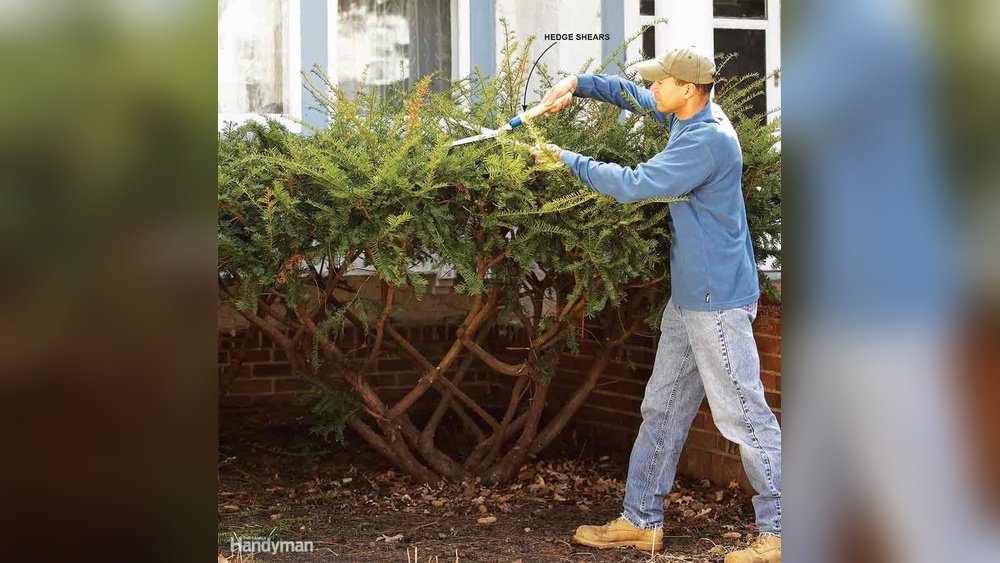
Few things can make a garden look messy faster than overgrown hedges. When hedge tips grow wild, they spoil the neat lines and block sunlight for other plants. Knowing how to cut back overgrown hedge tips is essential for any homeowner or gardener who wants a healthy, attractive landscape. In this guide, you will learn exactly how to trim hedge tips, the best tools to use, safety steps, and expert advice for a clean result. Whether your hedge is boxwood, privet, laurel, or yew, these steps will help you get the job done efficiently and safely.
Why Cutting Back Overgrown Hedge Tips Matters
A hedge is not just a fence. It’s a living boundary. When you let the hedge tips grow unchecked, several problems appear:
- The hedge loses its shape and beauty.
- Overgrown tips shade lower branches, causing bare spots.
- Pests and diseases find hiding places in thick, tangled growth.
- Hedges can block paths, driveways, or windows.
Pruning hedge tips keeps the hedge healthy, encourages new growth, and improves air circulation. It also helps sunlight reach all parts of the plant. Regular trimming is the secret to strong, dense hedges.
Many people do not realize that when hedge tips grow too long, the lower parts often suffer. The leaves and branches near the bottom can become thin and weak, which leads to gaps or holes in the hedge. These bare spots are difficult to fix once they appear.
Consistent trimming helps prevent this problem, making the hedge fuller and more attractive.
Another reason to cut back overgrown hedge tips is safety. Hedges that grow over pathways or driveways can block clear access, which is especially dangerous at night or during bad weather. Trimming hedge tips makes your property safer and more welcoming.
Understanding Hedge Growth And Overgrowth
Hedges grow from the tips. Most popular hedges—like boxwood, privet, yew, and laurel—have fast-growing shoots at the top and sides. If you miss a trimming session, these shoots can stretch out quickly, making the hedge look untidy.
Different hedge plants grow at different speeds. For example, privet grows very quickly and can become messy in just a few weeks. Yew grows much slower, but its tips still need regular attention to stay neat. Boxwood and laurel fall somewhere in between.
Signs Your Hedge Tips Are Overgrown
Look for these clues:
- Long, thin shoots sticking out from the main hedge shape
- Uneven or ragged edges
- Branches blocking paths or views
- Leaves looking pale or sparse near the bottom
- The hedge is taller or wider than you want
These signs mean it’s time to trim the tips and restore order.
Some hedges show overgrowth by leaning or sagging. If you notice your hedge is no longer upright, or if it looks “top heavy,” these are signs the upper tips need cutting. Also, if you see small branches crossing and tangling together, this can make it harder for air and light to reach inside the hedge.
Untangling and trimming these tips helps prevent disease and keeps the shape strong.
Choosing The Right Tools For Cutting Hedge Tips
The right tool makes trimming easier and safer. Here are the main options:
| Tool | Best For | Key Features |
|---|---|---|
| Hand Pruners | Small tips and light work | Precise cuts, easy to handle |
| Hedge Shears | General hedge trimming | Long blades, manual use |
| Electric Hedge Trimmer | Large hedges, thick growth | Fast, powerful, less effort |
| Pole Trimmer | Tall hedges | Extendable, reaches high spots |
Electric hedge trimmers are great for speed, but hand shears give you more control for shaping. For small hedges or fine-tuning, pruners work best.
If your hedge is very dense or has thick branches mixed with soft tips, you may need both a trimmer and pruners. For example, use the trimmer to cut the main surface, then switch to pruners for stray branches. For hedges near walls or fences, smaller tools can help you reach tight spaces without damage.
Tool Maintenance Tips
- Sharpen blades before each use.
- Clean tools after trimming to prevent disease.
- Lubricate moving parts.
A dull blade crushes tips, while a sharp blade slices cleanly.
If you use electric tools, check the battery or plug before starting. Many people forget to charge their tools, which leads to interruptions. Also, keep a brush or cloth nearby to wipe blades during trimming. Sap from hedge branches can make blades sticky and harder to use.
Safety Steps Before Cutting Hedge Tips
Safety is important. Follow these steps:
- Wear gloves to protect hands from thorns and sharp branches.
- Use eye protection—hedge tips can fly up during trimming.
- If using electric tools, check for loose wires and keep cords away from water.
- Make sure your ladder is stable if working on tall hedges.
- Do not trim during rain or wet conditions. Wet leaves make tools slip.
Many beginners forget to wear eye protection. Even small clippings can cause injuries.
Some hedges, like holly or hawthorn, have sharp leaves or thorns. Wearing thick gloves is extra important with these plants. If you work near a busy street, wear bright clothing so drivers see you. For hedges with dense growth, check inside for hidden objects or wildlife before starting.
Birds sometimes nest inside hedges, and you should avoid disturbing them.

Credit: www.wikihow.life
When Is The Best Time To Trim Overgrown Hedge Tips?
Timing is crucial. Most hedges grow fastest in spring and summer. The best time to trim depends on your hedge type:
- Evergreen hedges (boxwood, yew): Trim in late spring or early summer.
- Deciduous hedges (privet, beech): Trim in summer, after new growth appears.
- Avoid trimming in late autumn—new cuts can get damaged by winter cold.
If your hedge flowers, wait until after blooming. This preserves the flowers for the season.
Some hedges, like beech or hornbeam, keep their leaves in winter. For these, trim in late summer to keep their color and shape. If you are unsure about timing, check with a local garden center for advice on your specific hedge type.
Frequency Of Trimming
For formal hedges, trim 2–3 times per year. Informal hedges may need only one trim. Fast-growing types like privet may need monthly attention.
If you see tips growing unevenly between trims, do quick touch-ups instead of waiting for the next big session. This prevents overgrowth and keeps the hedge in better shape year-round.
Step-by-step Guide To Cutting Back Overgrown Hedge Tips
Follow these steps for a neat, healthy hedge:
1. Inspect The Hedge
Walk around and look for overgrown tips. Mark the areas that need cutting. Decide the desired shape and size.
Take time to view the hedge from different angles. Sometimes, overgrowth is more visible from the side or from a distance. Use chalk or string to outline the shape you want before starting.
2. Prepare Your Tools
Sharpen blades and check safety gear. For electric trimmers, test the motor.
Keep a small bucket for clippings nearby. This makes cleanup easier. If you work alone, plan your path so you do not trip over tools or cords.
3. Start With The Top
Begin at the top of the hedge. Hold your tool level and cut back overgrown tips to your chosen height. Use long, smooth strokes for even results.
Expert tip: Cut slightly lower than the final height. This encourages bushy growth.
Many people rush the top, but taking time here sets the stage for the whole hedge. Step back often to check your progress. If you want a rounded top, angle your cuts gently. For flat tops, keep your tool horizontal.
4. Trim The Sides
Move to the sides. Cut tips that stick out from the main shape. Keep the sides slightly narrower at the top and wider at the base. This helps sunlight reach all leaves.
Hold your tool parallel to the hedge surface. If the hedge is very wide, do one side at a time. This reduces mistakes and helps you see results clearly.
5. Shape The Edges
Use hand pruners for fine shaping. Remove any stray shoots. Avoid cutting too deep into old wood—it may not regrow.
When shaping corners, make small cuts and check your work frequently. For rounded edges, use your wrist to guide the blade smoothly. If you want sharp corners, use stakes or boards as guides.
6. Clean Up
Gather clippings and dispose of them. Check for missed spots. Rake under the hedge to remove debris.
Clippings left under the hedge can attract pests or block new growth. Compost healthy clippings or use them as mulch. If your hedge has disease, dispose of clippings in the trash.
7. Water And Feed
After trimming, water the hedge and add fertilizer if needed. This helps recovery.
If you trimmed heavily, extra water helps reduce shock. Use slow-release fertilizer for steady growth. Avoid feeding too much—too much fertilizer can harm the roots.
Common Beginner Mistakes
- Cutting too much at once. This shocks the plant.
- Using dull blades, which damage tips.
- Trimming in bad weather.
- Ignoring safety gear.
- Forgetting to clean up—left clippings attract pests.
Another mistake is cutting into thick, old wood expecting quick regrowth. Most hedges grow best from newer, green wood. If you cut into thick stems, recovery can take months or years.
How Much Should You Cut Back?
For most hedges, cut back one-third of new growth. If tips are very overgrown, cut back less at first and repeat after a few weeks.
| Hedge Type | Safe Cutting Amount | Regrowth Rate |
|---|---|---|
| Boxwood | Up to 1/3 of new growth | Slow to moderate |
| Privet | Up to 1/2 of new growth | Fast |
| Yew | Up to 1/3 of new growth | Slow |
| Laurel | Up to 1/2 of new growth | Moderate |
Regrowth rate depends on the hedge species and soil health. Fast growers can handle heavier cuts.
If your hedge is very old or neglected, cut less than suggested. Give the plant time to adjust. In a few weeks, when new growth appears, trim again for a better shape.
Shaping Tips For Formal And Informal Hedges
There are two main hedge styles:
- Formal hedges: Straight lines and flat tops. Trim often for a crisp look.
- Informal hedges: Natural shapes, gentle curves. Trim less often.
Formal hedges need careful measuring. Use a level or string to keep lines straight. For informal hedges, let some tips grow longer for a softer edge. This attracts birds and insects, making your garden more lively.
Formal Hedge Tips
- Use string or stakes to guide straight cuts.
- Check your level as you work.
- Trim edges for sharp corners.
A good trick for formal hedges: Place a long board or piece of wood along the top as a visual guide. Move it as you trim to keep your cuts even.
Informal Hedge Tips
- Follow the natural curve of the hedge.
- Avoid cutting too much at once.
- Let some tips grow for a softer look.
If you want a wavy or rounded hedge, use your hand to guide the blade in a gentle arc. Practice on a small section first to see how the shape looks.

Credit: www.earthwisescott.com
Dealing With Tall Or Wide Hedges
Tall hedges need extra care. Use a pole trimmer or ladder. Work slowly and check your cuts from a distance.
For wide hedges, trim from both sides. Do not try to reach too far—this can cause uneven cuts and accidents.
Safety For Tall Hedges
- Never lean too far from a ladder.
- Ask a friend to steady the ladder.
- Use tools with long handles for extra reach.
Wide hedges often hide dead branches. Remove these as you trim.
For tall hedges, trim the top first, then the sides. If you cannot reach the top safely, consider hiring a professional. Tall hedges often need regular checks for bird nests and wildlife before trimming.
Caring For Hedges After Trimming
After cutting back overgrown tips, help your hedge recover:
- Water deeply—especially during dry weather.
- Add mulch under the hedge to protect roots.
- Fertilize with a balanced formula.
- Watch for signs of stress, like yellow leaves.
Avoid heavy feeding right after trimming. Too much fertilizer can burn new growth.
If you see wilting or browning after trimming, water more often. Mulch helps keep soil moist and prevents weeds. If your hedge has a history of disease, spray with organic controls after trimming.
Preventing Overgrowth: Long-term Hedge Care
Regular care keeps hedges from getting out of control.
- Trim tips every season.
- Inspect for pests and diseases.
- Feed and water regularly.
- Remove dead branches quickly.
Non-obvious insight: Use mulch to keep weeds away from hedge bases. Weeds compete for water and nutrients.
Another helpful trick: Use slow-release plant food each spring. This gives hedges steady nutrients and reduces sudden growth spurts that cause overgrowth.
Common Hedge Problems And Solutions
Overgrown tips are not the only issue. Here are other common problems:
Bare Spots
- Cause: Over-shading from thick tips.
- Solution: Thin out tips, allow sunlight, feed with balanced fertilizer.
Pest Infestation
- Cause: Dense, tangled growth.
- Solution: Trim tips, remove debris, treat with organic pest control.
Disease
- Cause: Poor air flow.
- Solution: Prune tips, open up the hedge, clean tools.
Uneven Growth
- Cause: Trimming mistakes or uneven sunlight.
- Solution: Use guides, trim in dry weather, rotate sides.
If pests return after trimming, check the soil and roots for damage. Sometimes, poor drainage leads to root rot or fungal disease. Improve soil and drainage for long-term health.
Environmental Factors Affecting Hedge Growth
Location matters. Hedges in full sun grow faster than those in shade. Soil quality, rainfall, and wind also play roles.
Geographic Tips
- In hot climates, trim early morning or late afternoon.
- In cold regions, avoid late autumn trimming.
- Coastal areas need salt-tolerant hedges.
Expert insight: Windy sites can dry out hedge tips. Mulching helps retain moisture.
If your hedge faces a wall or other barrier, it may get less sunlight. Trim these areas more carefully to encourage balanced growth. In drought-prone regions, choose hedge plants that handle dry conditions well.
Hedge Trimming And Local Regulations
Some cities or neighborhoods have rules about hedge height and trimming. Always check local guidelines before cutting back overgrown hedge tips.
- Maximum allowed height may be set.
- Trimming may be restricted during bird nesting season.
- Some hedges are protected species.
Royal Horticultural Society offers advice on hedge laws.
If you live near a property line, talk to neighbors before trimming shared hedges. This prevents disputes and keeps the area friendly.
Tools: Comparing Manual Vs Electric Hedge Trimming
Here’s a simple comparison:
| Type | Cost | Effort | Speed | Precision |
|---|---|---|---|---|
| Manual Shears | Low | High | Slow | High |
| Electric Trimmer | Medium to High | Low | Fast | Medium |
| Pole Trimmer | High | Medium | Medium | Medium |
Manual shears give more control but need more effort. Electric trimmers make quick work of large hedges.
If you use electric trimmers, wear ear protection. The motor is loud and can be tiring. For very precise cuts, manual tools are better. Use both types for best results—trimmer for shape, shears for detail.
Tips For Beginners: Starting Out With Hedge Trimming
If you are new to hedge trimming, start small:
- Practice on a short section.
- Use sharp tools.
- Take breaks to check your work.
- Ask for advice from local gardeners.
Non-obvious tip: Mark your desired height with a chalk line on the hedge. This keeps your cuts straight.
When starting, do not rush. Trim a little, then step back and look. If you make a mistake, hedges usually recover with time. Watch videos or ask experienced gardeners for help with tricky plants.
Advanced Hedge Trimming Techniques
For experienced gardeners:
- Try cloud pruning for fancy shapes.
- Use multiple tools for detailed work.
- Shape hedges into arches or waves.
Advanced shaping needs patience and practice.
If you want to create patterns or topiary shapes, use wire frames as guides. Gradually trim toward the frame for the best result. Some hedges, like boxwood, are perfect for detailed shapes because they regrow well after trimming.
Eco-friendly Hedge Care
Choose organic fertilizers and pest controls. Compost hedge clippings instead of burning them. Plant native hedges for better wildlife support.
Attracting Birds And Pollinators
Let some hedge tips grow longer in spring. Birds use these for nests, and flowers attract bees.
If you live in a city, plant hedges that produce berries or flowers. This gives local wildlife food and shelter, making your garden a small haven for nature.

Credit: www.youtube.com
Signs Your Hedge Needs Professional Help
Sometimes, hedges are too overgrown or damaged for DIY trimming. Look for:
- Dead sections
- Heavy pest or disease damage
- Hedge taller than 10 feet
Professional arborists have the right tools and experience for big jobs.
If your hedge blocks a street or power line, call a professional. They know how to trim safely and follow legal rules.
Frequently Asked Questions
What Is The Best Tool For Cutting Back Overgrown Hedge Tips?
The best tool depends on hedge size and type. Hand shears work well for small hedges. Electric hedge trimmers are best for large, thick hedges. For tall hedges, use a pole trimmer for safe reach.
Can I Cut Back Hedge Tips In Winter?
It’s not recommended. Winter cuts can damage hedges, especially evergreens. Wait until late spring or summer when the plant is actively growing.
How Often Should I Trim Hedge Tips?
Formal hedges need trimming 2–3 times per year. Fast-growing hedges may need monthly cuts. Informal hedges can be trimmed once a year.
Should I Fertilize After Trimming Overgrown Hedge Tips?
Yes, but use a balanced fertilizer. Overfeeding right after cutting can burn new growth. Wait a week, then feed lightly to encourage recovery.
How Do I Fix Uneven Hedge Tips After Trimming?
If you cut unevenly, trim again using guides like string or stakes. Step back often to check your progress. Over time, the hedge will grow back evenly.
—
Keeping hedges neat is a blend of good tools, safe habits, and knowing the right timing. With practice and attention, you can transform overgrown hedge tips into crisp, healthy hedges that enhance your garden’s look. Regular care prevents overgrowth and keeps your landscape in top shape.
By following the advice in this guide, you’ll gain both confidence and skill in hedge maintenance—making your outdoor space both beautiful and easy to manage.