
Do you want a beautiful lawn? One without weeds? This guide will help you. Follow these steps to prevent lawn weeds.
Understanding Lawn Weeds
Weeds are plants that grow where they are not wanted. They compete with grass for water, sunlight, and nutrients. To prevent weeds, you need to understand them first.
Types Of Lawn Weeds
There are three main types of lawn weeds:
- Broadleaf Weeds: These have wide leaves. Examples include dandelions and clover.
- Grassy Weeds: These look like grass. Examples are crabgrass and quackgrass.
- Sedge Weeds: These have a triangular stem. Nutsedge is a common sedge weed.
Steps to Prevent Lawn Weeds
Follow these steps to keep your lawn free of weeds.
1. Mow Your Lawn Properly
Proper mowing helps prevent weeds. Cut your grass to the right height. Most grasses should be kept at 2.5 to 3 inches tall. Taller grass shades the soil. This prevents weed seeds from growing.
2. Water Your Lawn Deeply And Less Often
Water your lawn deeply. This means giving it a lot of water at once. Water less often, but make sure the water reaches deep into the soil. Deep roots help grass compete with weeds.
3. Fertilize Your Lawn
Grass needs nutrients to grow strong. Use a good fertilizer. Apply it in the spring and fall. This helps grass grow thick and healthy. Thick grass crowds out weeds.
4. Aerate Your Lawn
Aeration helps your lawn breathe. It involves making small holes in the soil. This allows air, water, and nutrients to reach the grass roots. Aerate your lawn once a year, in the spring or fall.
5. Use Mulch In Flower Beds
Mulch helps prevent weeds in flower beds. It covers the soil and stops weeds from growing. Use organic mulch like wood chips or straw. Spread a thick layer, about 2 to 3 inches deep.
6. Remove Weeds By Hand
Sometimes, you need to pull weeds by hand. Do this when the soil is moist. It makes it easier to pull out the whole weed, including the roots. Use a weeding tool to help you.
7. Apply Pre-emergent Herbicides
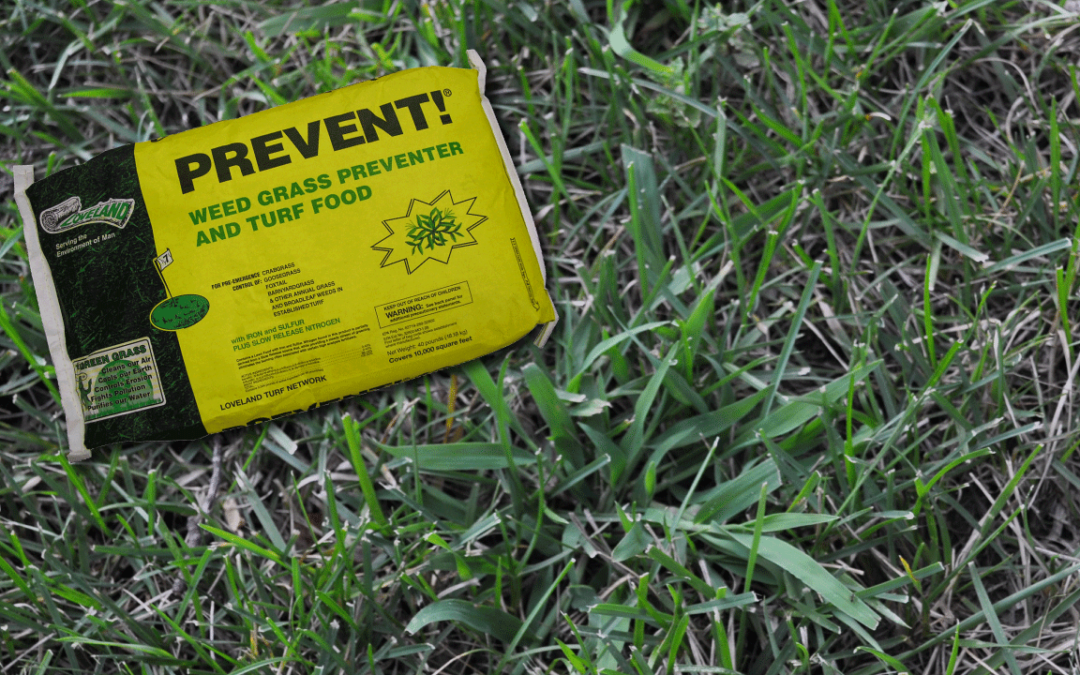
Pre-emergent herbicides stop weed seeds from sprouting. Apply them in the early spring. They are especially good for preventing grassy weeds like crabgrass.
8. Keep An Eye On Your Lawn
Check your lawn regularly. Look for signs of weeds. Catching weeds early makes them easier to control. If you see a weed, remove it right away.
Credit: grasspad.com
Common Lawn Weeds and How to Control Them
Here are some common lawn weeds and tips to control them.
Dandelions
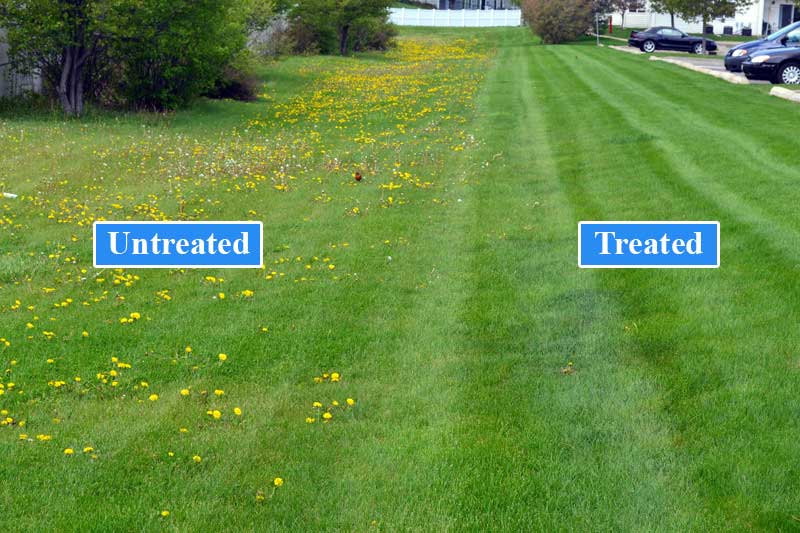
Dandelions have bright yellow flowers. They turn into white puffballs. Pull dandelions by hand. Make sure to remove the entire root.
Crabgrass
Crabgrass is a grassy weed. It grows in the summer. Use pre-emergent herbicides in the spring to prevent it. If crabgrass appears, pull it out by hand.
Clover
Clover has small, white flowers. It spreads quickly. Fertilize your lawn to keep clover away. Healthy grass can outcompete clover.
Nutsedge
Nutsedge has a triangular stem. It grows in wet areas. Improve drainage in your lawn to prevent nutsedge. Pull it by hand if it appears.
Credit: aalawns.com
Frequently Asked Questions
How To Identify Lawn Weeds?
Check for unusual plant growth, different from grass, with distinct leaves or flowers.
What Causes Lawn Weeds?
Poor lawn maintenance, soil compaction, and improper watering can lead to weed growth.
Can Mowing Prevent Lawn Weeds?
Yes, regular mowing can help prevent weeds by cutting them before they seed.
How Often Should I Water My Lawn?
Water your lawn early morning, 2-3 times a week, deeply.
Conclusion
Preventing lawn weeds takes effort, but it is worth it. Follow these steps to keep your lawn healthy and green. Remember to mow properly, water deeply, fertilize, aerate, use mulch, remove weeds by hand, apply pre-emergent herbicides, and keep an eye on your lawn. With these tips, you can enjoy a beautiful, weed-free lawn.
FAQs
| Question | Answer |
|---|---|
| How often should I mow my lawn? | Mow your lawn once a week. This keeps your grass at the right height. |
| When is the best time to water my lawn? | Water your lawn early in the morning. This reduces evaporation and helps water reach the roots. |
| Can I use chemicals to control weeds? | Yes, but use them carefully. Follow the instructions on the label. |
| How do I know if my lawn needs aeration? | If your soil is compacted, your lawn may need aeration. Check for signs like water pooling on the surface. |
| What type of mulch should I use? | Use organic mulch like wood chips or straw. It helps retain moisture and prevent weeds. |