
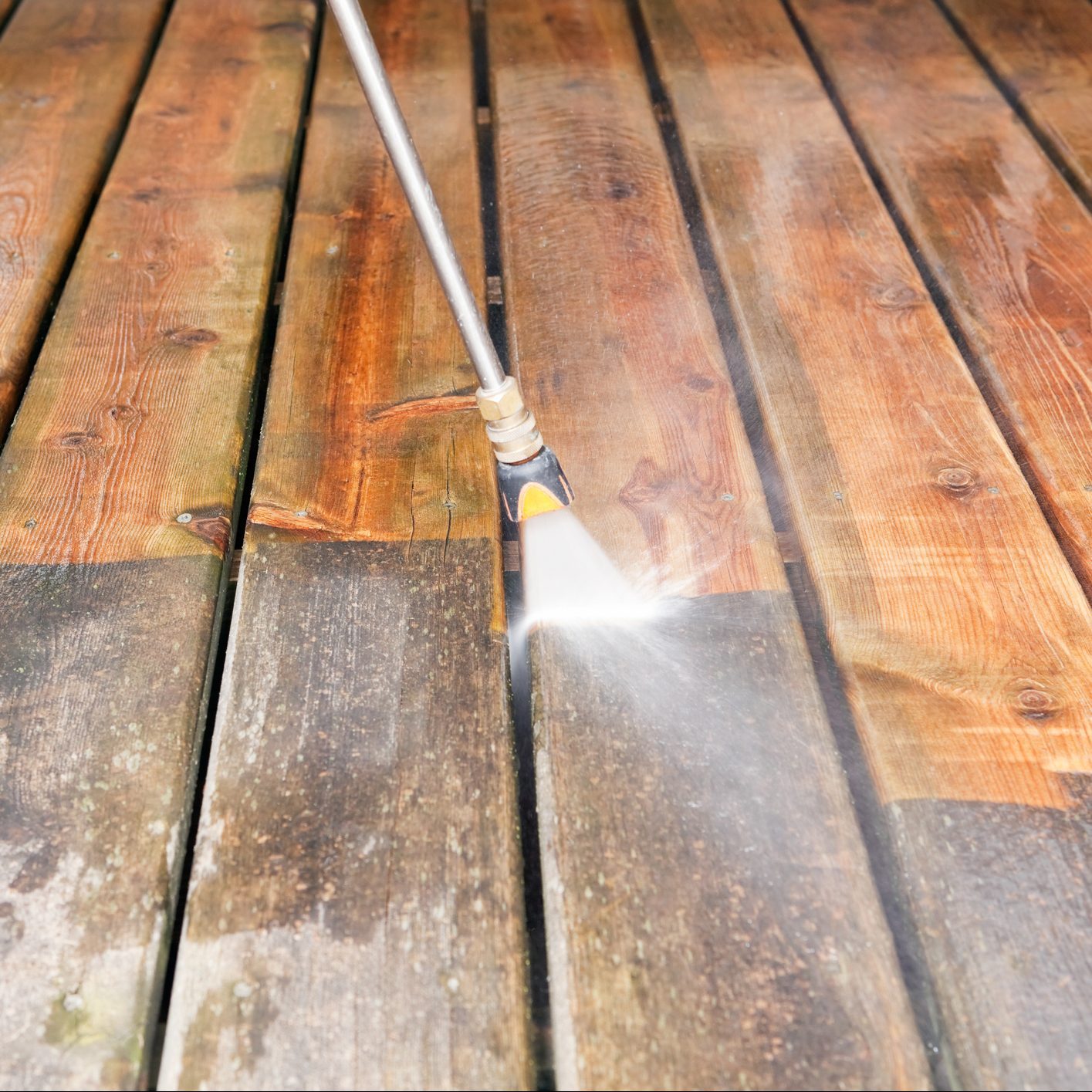
Pressure washing a wood deck is a powerful way to bring back its beauty and extend its life. Over time, decks collect dirt, mold, algae, and stains. These make wood look old and can cause damage. Many homeowners think pressure washing is simple, but doing it wrong can ruin the deck.
The wood can get splintered, gouged, or faded. If you want your deck to look great and last longer, you need to follow safe and smart steps. In this guide, you’ll learn exactly how to pressure wash a wood deck, what mistakes to avoid, and how to make the job easy and successful—even if you’re new to pressure washing.
Why Pressure Wash Your Wood Deck?
A wood deck is exposed to the sun, rain, dirt, and leaves. These elements slowly stain and weaken the wood. Pressure washing removes surface grime, mold, algae, and old stains. This makes the deck look new and prepares it for sealing or staining.
Wood decks that aren’t cleaned regularly can become slippery and unsafe. Mold and algae can cause wood to rot, leading to expensive repairs. According to the North American Deck and Railing Association, regular cleaning can extend the life of a deck by up to 10 years.
Pressure washing is much faster than scrubbing by hand. It cleans deep into the wood fibers, removing more than just surface dirt. But it’s important to use the right method and tools, or you risk damaging your deck.
There’s another benefit that’s easy to miss: removing dirt and mold from wood also helps prevent insect problems. Insects like termites and carpenter ants are attracted to damp, decaying wood. By keeping your deck clean, you make it less welcoming for these pests. A clean deck also makes it easier to spot early signs of wood problems, such as small cracks or rot, so you can fix issues before they get worse.
Choosing The Right Pressure Washer
Not every pressure washer is safe for wood decks. The wrong machine can easily gouge the surface or splinter the wood.
Pressure Washer Types
There are two main types: electric and gas-powered. Electric washers are lighter and often safer for wood decks, as they usually have lower pressure. Gas washers are stronger and should be used with care.
| Type | PSI Range | Best For | Cost |
|---|---|---|---|
| Electric | 1300–2000 PSI | Wood decks, patio furniture | $120–$300 |
| Gas-powered | 2000–3500 PSI | Concrete, large areas | $300–$600 |
For wood decks, 1500–2000 PSI is ideal. Avoid washers above 2500 PSI unless you’re experienced.
If your deck is made from softwood, like pine or cedar, stick to the lower end of the PSI range. Hardwoods can handle a bit more pressure, but it’s always best to start low and increase only if needed. Always check your deck’s material if you’re unsure.
Nozzle Selection
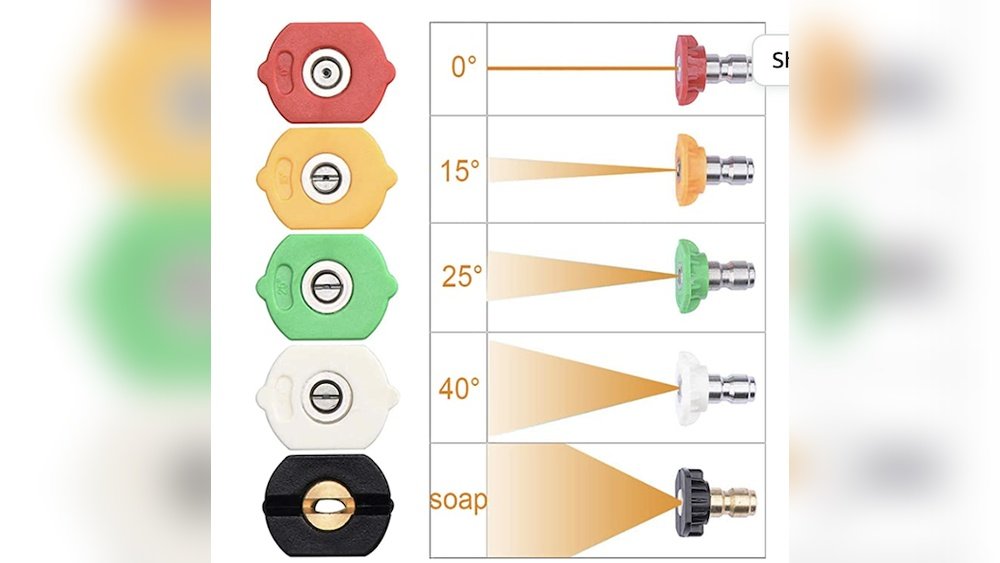
Pressure washers come with different nozzles, usually color-coded:
- Green (25°): Good for decks, balances cleaning power and safety.
- White (40°): Safer for wood, gentle cleaning.
- Red (0°): Never use on wood; too strong.
Use the green or white nozzle for your deck. These spray wide enough to prevent damage.
It’s tempting to use a yellow nozzle (15°) for tough stains, but this can still damage soft wood. Only use it on very stubborn spots, and keep the nozzle moving at all times. Many beginners don’t realize that using a too-narrow nozzle increases the risk of leaving visible lines or rough patches in the wood.
Flow Rate
Besides PSI, flow rate (measured in GPM, gallons per minute) affects cleaning speed. For decks, a flow rate of 1.4–2.0 GPM works well.
A higher flow rate helps rinse away dirt and cleaner more efficiently. However, if your washer has both high PSI and high GPM, be extra careful and test in a hidden area first.
Renting Vs. Buying
If you only clean your deck once or twice a year, renting is often cheaper. Rental rates are around $40–$60 per day. Buying a decent electric washer costs $150–$250.
Some rental shops will let you try different nozzle types or show you how to set up the machine. If you’re unsure about using a pressure washer, renting first can be a smart way to learn before buying.
Preparing Your Deck For Pressure Washing
Preparation is key. Skipping steps can lead to poor results or damage.
- Remove furniture and plants: Clear the deck completely. Don’t leave anything that can be damaged by water or pressure.
- Sweep debris: Use a broom to remove loose dirt, leaves, and branches.
- Cover nearby plants: Use plastic sheets to protect garden beds or delicate shrubs from water and cleaning chemicals.
- Check for repairs: Look for loose boards, protruding nails, or screws. Fix these before washing.
- Close doors and windows: Prevent water from getting inside your house.
- Test a small area: Pressure washers can damage wood. Always test the nozzle and pressure on a hidden spot.
A less obvious step is to check your deck’s drainage. Make sure there are no blocked gaps between boards. Pressure washing can push dirt into these spaces, which leads to water pooling and eventual wood rot.
Deck Cleaner Solutions
Pressure washing works best with a deck cleaner. These solutions remove stains, mildew, and old sealers. You can buy deck cleaners or make your own:
- Oxygen bleach: Mix with water per label instructions. Safe for wood and plants.
- Dish soap solution: For light cleaning, mix 1/4 cup dish soap in 2 gallons water.
Don’t use chlorine bleach—it can damage wood and harm plants.
Many deck cleaners also contain surfactants that help lift dirt from the wood. If your deck has greasy stains, such as from a barbecue grill, look for a cleaner made for oil and grease. Always read the label to see if you need to rinse plants or take extra precautions.
How To Pressure Wash A Wood Deck: Step-by-step
Step 1: Set Up The Pressure Washer
- Attach the correct nozzle (green or white).
- Fill or connect the water supply.
- If using a detergent, fill the pressure washer tank or use a siphon hose.
- Set the pressure to 1500–2000 PSI.
If your washer doesn’t have a detergent tank, you can apply cleaner with a pump sprayer before pressure washing. This is often more effective for even coverage.
Step 2: Apply Deck Cleaner
- Spray the cleaner evenly across the deck.
- Let it sit for 5–10 minutes (check product instructions).
- Keep the surface wet—don’t let the cleaner dry.
For vertical surfaces like railings or steps, start from the bottom and work up to avoid streaks. If working in hot or windy weather, apply the cleaner in smaller sections to keep it from drying out before scrubbing or rinsing.
Step 3: Start Pressure Washing
- Hold the nozzle about 12–18 inches from the deck surface.
- Start at one end and move in the direction of the wood grain.
- Use steady, even strokes. Overlapping each pass slightly prevents streaks.
- Don’t linger in one spot; keep moving to avoid gouging the wood.
It’s easy to get impatient and move the nozzle closer for tougher spots, but this often causes uneven cleaning or damage. For stubborn areas, go over them a second time instead of increasing pressure or decreasing distance.
Step 4: Rinse Thoroughly
- Switch to plain water (no detergent).
- Rinse off all cleaner and loosened dirt.
- Make sure to rinse railings, stairs, and corners.
Missed cleaner can leave residue that attracts dirt or creates sticky patches. Move methodically and check for suds or foam as you rinse.
Step 5: Check For Missed Spots
- Inspect the deck for stains or areas that need more cleaning.
- Repeat washing or spot-clean as needed.
If you see gray or dark patches after rinsing, these may be old mildew or water stains. Spot treat with cleaner and gently scrub with a soft brush, then rinse again.
Step 6: Let The Deck Dry
- Allow the deck to dry completely, at least 24–48 hours.
- Drying times depend on weather and wood type.
Patience is important here. Even if the surface looks dry, deeper wood fibers might still be damp, especially in shaded or thick-plank decks.
Common Pressure Washing Mistakes (and How To Avoid Them)
Pressure washing mistakes are costly. Many people damage their decks because they rush or skip steps. Here are frequent errors and how to stay safe.
- Using too much pressure: High PSI gouges wood. Always use 1500–2000 PSI for decks.
- Wrong nozzle: A narrow nozzle (like red, 0°) can ruin the surface. Stick with green or white.
- Holding the nozzle too close: Less than 12 inches can splinter wood. Keep a safe distance.
- Washing against the grain: Always wash with the wood grain to prevent streaks.
- Not testing first: Test on a small area before cleaning the whole deck.
- Skipping cleaner: Water alone won’t remove tough stains or mildew.
- Letting cleaner dry: Keep the deck wet while applying cleaner.
- Pressure washing wet wood: Wait for dry weather; wet wood absorbs more water and damage.
- Ignoring repairs: Fix loose boards and nails first.
- Not protecting plants: Cover nearby plants to prevent chemical damage.
Another common mistake is not checking the weather before starting. If rain is expected soon after washing, the deck may not dry properly, which can trap moisture and lead to problems when sealing or staining.
How To Protect And Restore Your Deck After Pressure Washing
Cleaning is only half the job. Pressure washing opens the wood’s pores. If you don’t seal or stain the deck, moisture and UV rays can cause new damage.
When To Seal Or Stain
Wait until the deck is fully dry—usually 24–48 hours. If the wood feels damp, wait longer.
For best results, test multiple areas for dryness, especially in shady parts or under overhangs. It’s better to wait an extra day than to seal over damp wood.
Choosing Sealers And Stains
You have several choices:
- Clear sealers: Protect against water but keep natural wood look.
- Semi-transparent stains: Add color and protect against UV.
- Solid stains: Hide grain, offer maximum protection, but can peel.
| Type | Protection | Appearance | Durability |
|---|---|---|---|
| Clear sealer | Water | Natural | 1–2 years |
| Semi-transparent stain | Water, UV | Shows grain | 2–4 years |
| Solid stain | Water, UV | Hides grain | 3–5 years |
Clear sealers are best if you want to keep the wood’s original color, but they require reapplication more often. Semi-transparent stains offer a good balance between showing the natural grain and adding some UV protection. Solid stains are ideal for old decks with many repairs, but they can chip or peel if not applied to perfectly dry, clean wood.
Application Tips
- Use a brush, roller, or sprayer.
- Apply thin, even coats.
- Avoid working in direct sunlight; it dries too fast.
- Follow manufacturer’s drying times.
If you’re using a sprayer, back-brush the surface right after spraying. This helps push the stain into the wood and ensures an even finish. Always stir stains and sealers well before use, as pigments can settle at the bottom.
Non-obvious Insight
Many beginners don’t realize that wood decks can absorb water for days after pressure washing. Even if the surface feels dry, deep wood fibers might still be wet. This can cause sealers to “bubble” or fail. Always test dryness by taping a small plastic sheet to the deck.
If condensation appears after a few hours, wait longer.
Another often-missed tip: avoid sealing in the early morning when dew is present, as even small amounts of surface moisture can cause problems.

Credit: www.hotsyab.com
Safety Tips For Pressure Washing
Pressure washers are powerful tools. Used incorrectly, they can cause injury or property damage.
- Wear eye protection and gloves.
- Keep children and pets away from the area.
- Never point the spray at yourself or others.
- Be careful on stairs and slippery surfaces.
- Don’t use a pressure washer on electrical outlets or fixtures.
A less obvious risk is kickback. When you pull the trigger, especially at high pressure, the force can push the wand back suddenly. Hold the wand firmly with both hands and stand with your feet apart for balance.
Electrical Safety
If using an electric washer, plug it into a GFCI outlet. Keep extension cords dry and away from water.
Never use a pressure washer if you see frayed cords, loose plugs, or if the machine makes strange noises. Safety first—if in doubt, stop and check.
Chemical Safety
Deck cleaners can irritate skin and eyes. Wear long sleeves and rinse off spills quickly.
After using chemicals, always wash your hands, and don’t touch your face until you’ve removed gloves and cleaned up.
How Often Should You Pressure Wash A Wood Deck?
Regular cleaning keeps your deck safe and beautiful. Most experts recommend pressure washing once a year. If you live in a humid area, or your deck gets heavy use, you might need to clean twice yearly.
Signs Your Deck Needs Cleaning
- Slippery or sticky surface
- Visible mold or algae
- Faded color or dark stains
- Bad smell after rain
If you notice splinters or small cracks appearing, this could be a sign of delayed cleaning or aging wood. Regular cleaning helps catch these issues early, making repairs easier and cheaper.
Credit: www.familyhandyman.com
Can You Pressure Wash Composite Decks?
Composite decks look like wood but are made of plastic and wood fibers. They resist stains and mold better than wood. Still, they can be pressure washed—but only at low pressure.
- Use 1000–1500 PSI
- Hold nozzle at least 18 inches from the surface
- Use a soft brush for stubborn spots
Don’t use hot water or harsh chemicals.
Composite materials can be scratched by aggressive cleaning. Always check your deck manufacturer’s cleaning guidelines. Some brands recommend only using soap, water, and a soft brush.
Comparing Pressure Washing Vs. Other Cleaning Methods
Is pressure washing better than scrubbing by hand or using a hose? Here’s a quick comparison.
| Method | Cleaning Power | Time Required | Risk of Damage |
|---|---|---|---|
| Pressure washing | High | 1–2 hours | Medium |
| Hand scrubbing | Medium | 3–5 hours | Low |
| Garden hose | Low | 2–4 hours | None |
Pressure washing is fastest and most effective, but must be done carefully. Hand scrubbing is safer but takes much longer.
A useful trick is to combine hand scrubbing and pressure washing: scrub tough spots first, then use the pressure washer for the rest. This saves time and reduces wear on the wood.
Expert Tips For Best Results
Even experienced homeowners can miss small details. Here are tips that make a big difference:
- Work in sections: Divide the deck into small areas. This prevents drying and makes cleaning easier.
- Clean the railings first: Dirt from railings can fall onto the deck.
- Start with the least visible area: If you make a mistake, it won’t be noticed.
- Move furniture back only after deck dries: Wet wood can stain cushions and rugs.
- Check weather forecast: Avoid rain for at least 48 hours after washing and sealing.
- Use a fan tip nozzle for railings: It covers more area and is gentle.
Another advanced tip: before sealing, use a wood brightener. This restores the wood’s natural color and neutralizes any cleaner left behind, helping the sealer bond better. Wood brighteners are sold at most hardware stores and are simple to apply with a garden sprayer.
Real-life Example: Pressure Washing Success
In 2023, a homeowner in Atlanta pressure washed their 300-square-foot deck. Before cleaning, the wood had black stains and slippery spots. Using an electric washer at 1800 PSI and a green nozzle, they applied an oxygen bleach cleaner. It took 2 hours to wash and rinse.
After drying for 48 hours, they applied a semi-transparent stain. The deck looked new, and neighbors complimented the result. No wood was damaged, and the homeowner saved $500 compared to hiring a pro.
The homeowner also made sure to check the weather forecast and waited for three sunny days in a row. By planning ahead, they avoided rain delays and got a better finish on the stain. Taking time to do prep work paid off.
Should You Hire A Professional?
Many homeowners pressure wash their own decks, but hiring a pro can save time and prevent mistakes. Professionals charge $0.30–$0.50 per square foot. For a 400-square-foot deck, that’s $120–$200.
Pros have better equipment and know how to avoid damage. If your deck is large, has tricky stains, or you’re unsure about safety, consider hiring help.
A professional can also spot hidden problems, like deep rot or loose fasteners, before you start. This can prevent bigger issues down the road.
Environmental Considerations
Pressure washing uses a lot of water. A typical deck cleaning can use 150–300 gallons. Use biodegradable cleaners and avoid letting runoff flow into storm drains.
Some cities have rules about water use or chemicals. Check local guidelines before starting.
If you live near a lake, river, or protected area, take extra care to use only safe cleaning products. Consider capturing runoff with tarps or using a wet vacuum to collect dirty water.
Credit: www.riverviewpressurecleaning.com
Non-obvious Insight: Direction Matters
Beginners often wash decks in random directions. Always wash with the wood grain. This prevents streaks and splinters. Washing across the grain can cause lines and rough spots.
When rinsing, use the same direction. This helps remove all cleaner and dirt, leaving a smoother finish.
Frequently Asked Questions
How Much Pressure Is Safe For Wood Decks?
Use 1500–2000 PSI for wood decks. Higher pressure can splinter wood or cause gouges. Always test on a small area first.
Can I Pressure Wash A Painted Or Stained Deck?
Yes, but pressure washing can remove paint or stain. Use lower pressure and a wide nozzle. If you plan to re-stain or re-paint, pressure washing is a good way to prepare the surface.
What Is The Best Deck Cleaner For Pressure Washing?
Oxygen bleach is safe and effective for wood decks. Avoid chlorine bleach—it can damage wood and plants. Many brands make deck cleaners; check reviews at Consumer Reports for recommendations.
How Long Does It Take For A Deck To Dry After Pressure Washing?
Most decks dry in 24–48 hours. Humid weather or thick wood can take longer. Always check dryness before sealing or staining.
Is It Possible To Damage My Deck With A Pressure Washer?
Yes. Using too much pressure, the wrong nozzle, or spraying too close can ruin wood. Follow the steps above and test before cleaning the whole deck.
Final Thoughts
Pressure washing a wood deck brings back its shine and keeps it safe. The process works best when you use the right tools, prepare carefully, and avoid common mistakes. Remember to use proper pressure, the right nozzle, and clean with the wood grain.
Protect your plants and test everything before starting. After washing, let the deck dry fully and then seal or stain it to protect the wood.
By following these tips, you can pressure wash your deck safely and efficiently. Whether you do it yourself or hire a pro, you’ll enjoy a clean, beautiful deck for years to come. With regular care, your deck becomes a favorite outdoor spot, ready for family, friends, and fun.
When you treat your deck right, you’re not just cleaning wood—you’re protecting a valuable part of your home and making memories that last.