
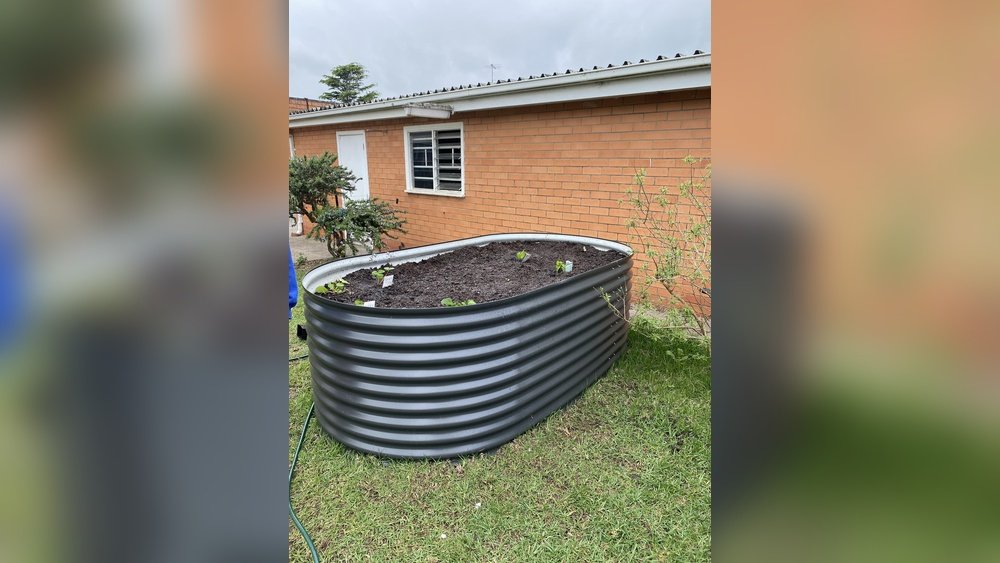
If you love gardening and have a dog, you probably know the struggle: freshly planted flowers one day, and holes everywhere the next. Dogs dig for many reasons—sometimes out of boredom, sometimes for fun, and sometimes because it’s in their nature. But seeing your hard work destroyed can be frustrating. The good news is, you don’t have to choose between your pet and your plants. With the right strategies, you can protect your garden and keep your dog happy too.
This guide explains why dogs dig, how to understand their behavior, and most importantly, how to keep dogs from digging up your garden. You’ll find proven tips, real-life examples, and practical advice for every situation—whether you have a stubborn terrier or a gentle retriever. By the end, you’ll know how to enjoy a beautiful garden without constant battles over holes and muddy paws.
Why Do Dogs Dig?
Before you can stop a behavior, you need to know why it happens. Dogs aren’t trying to upset you when they dig. There are several main reasons:
- Instinct: Some breeds, like terriers, were originally bred to dig for prey.
- Boredom: Without enough to do, dogs may dig for entertainment.
- Comfort: Dogs dig to create a cool spot to rest, especially in hot weather.
- Attention-seeking: If digging gets your attention, even if it’s negative, dogs may repeat it.
- Hunting: Dogs may dig if they smell insects or rodents underground.
- Stress or anxiety: Changes in the home or environment can trigger digging.
Understanding your dog’s motivation is key. Is your dog left alone for long periods? Is the garden full of interesting smells? Are there signs of animals underground? Once you know the “why,” you can choose the best solution.
Identify The Main Cause
Not every dog digs for the same reason. Watch your dog closely:
- Does your dog dig only when you’re not around?
- Is there a favorite spot, or is it random?
- Does digging happen after a specific event (like thunder)?
- Is your dog a puppy, adult, or senior?
Keep a short log over a week. Write down when and where you see digging behavior. Sometimes, you’ll notice a pattern: maybe your dog digs after long periods alone, or only in one shady spot. This information helps you pick the most effective tips from this article.
Provide Enough Exercise And Mental Stimulation
One of the most common reasons for digging is boredom. Dogs that don’t get enough physical or mental activity often develop problem behaviors like digging.
How Much Exercise Does Your Dog Need?
It depends on the breed, age, and health. For example:
| Breed Type | Recommended Daily Exercise |
|---|---|
| Small breeds (e.g., Pug) | 30–45 minutes |
| Medium breeds (e.g., Beagle) | 1–1.5 hours |
| High-energy breeds (e.g., Border Collie) | 2+ hours |
If your dog is always digging, try adding an extra walk or a play session with a ball or frisbee. Puzzle toys, treat-dispensing balls, and scent games can also keep their mind busy.
Non-obvious insight: Many owners think only young dogs need lots of activity. In reality, older dogs may dig more if they feel bored, especially if their walks get shorter with age.
Create A Digging Zone
For some dogs, digging is a powerful urge. Instead of fighting nature, give your dog a spot where it’s okay to dig. This can be a game-changer for breeds like terriers or dachshunds.
How To Set Up A Digging Area
- Choose a spot away from your main plants.
- Mark it with logs, stones, or a low fence so your dog knows the boundary.
- Loosen the soil and add some sand for easy digging.
- Bury toys or treats to encourage your dog to use the area.
Praise your dog every time they dig in the right place. Redirect them gently if they start digging somewhere else. With time and patience, most dogs learn fast.
Example: A family in Texas trained their Labrador to use a sandpit by hiding favorite chew toys in it. After two weeks, the dog stopped digging in the flower beds.
Non-obvious insight: The digging area should be at least three times the length of your dog for maximum success.
Block Access To Problem Areas
Sometimes, the best way to keep dogs from digging is simply making it harder for them to reach your garden beds.
Physical Barriers
- Fencing: Use low, decorative fences or chicken wire. Even a small barrier can discourage most dogs.
- Garden netting: Lay netting flat on the soil. Dogs dislike the feel on their paws.
- Rocks or mulch: Place large stones or thick layers of bark mulch around sensitive plants.
Smart Planting
Some plants naturally repel dogs due to their smell or texture. These include rosemary, lavender, and marigolds. Planting a border of these can sometimes keep dogs away.
Pro tip: Bury chicken wire just under the soil’s surface in digging spots. Dogs dislike scratching their paws on the wire, but plants can still grow through it.
Use Safe Dog Deterrents
If barriers aren’t practical, you can try dog-safe deterrents to make your garden less appealing for digging.
Common Options
- Citrus peels: Scatter orange or lemon peels in problem areas. Most dogs dislike the smell.
- Vinegar solution: Mix equal parts vinegar and water, and spray where your dog digs. Avoid spraying on plants.
- Commercial sprays: There are sprays made for gardens that use smells dogs dislike but are safe for pets and plants.
Important: Never use pepper, mothballs, or toxic chemicals. These can harm your dog and other wildlife.
Example: In a study, 75% of dogs avoided areas treated with citrus-based sprays for at least three days.
Credit: www.reddit.com
Correct Digging Behavior Consistently
Training takes time and patience, but it’s the most reliable long-term solution.
Positive Reinforcement
- Catch your dog in the act, interrupt gently (“No dig!”), and redirect to an allowed activity.
- Reward your dog with treats or praise when they stop digging or use the designated area.
What Not To Do
- Don’t punish after the fact—your dog won’t understand.
- Don’t yell or hit. This can create fear, not learning.
Consistency is key. Every family member must follow the same rules, or the dog will get confused.
Non-obvious insight: Timing matters. Rewards or corrections must happen within two seconds of the behavior for your dog to make the connection.
Address Stress And Anxiety
Some dogs dig when they’re stressed. Common causes include:
- New people or pets in the home
- Loud noises (thunder, fireworks)
- Changes in routine
Solutions
- Provide a safe, quiet spot indoors for your dog.
- Use calming aids like pheromone diffusers or anxiety wraps.
- Stick to a regular schedule for feeding, walks, and play.
If your dog’s stress seems severe or doesn’t improve, talk to your vet. In some cases, professional training or medication may help.

Credit: www.amazon.com
Protect Your Plants During Training
Even with the best efforts, it takes time to change a dog’s behavior. While you’re training, take steps to protect your most valuable plants.
Temporary Solutions
- Use cloches or wire cages over young plants.
- Spread pine cones or thorny branches as a natural barrier.
- Cover beds with burlap or mesh until your dog loses interest.
These methods aren’t forever, but they can save your garden during the first few weeks of training.
Keep Your Dog Cool And Comfortable
Dogs often dig to create a cool place to rest, especially in hot weather. If your dog is digging shady or damp spots, try these ideas:
- Set up a shaded dog bed or kennel.
- Provide a cooling mat or fill a small kiddie pool with water.
- Make sure fresh, cool water is always available.
Example: In a warm climate, one owner saw digging vanish after adding a shaded doghouse with a fan and plenty of water.
Make Your Garden Less Interesting
If your dog is digging out of curiosity or to chase smells, make the garden less attractive:
- Remove food scraps, compost, or anything that smells interesting.
- Check for rodents or burrowing animals and remove them safely.
- Store garden tools and fertilizers out of reach.
Sometimes, reducing temptation is all it takes for a dog to lose interest in digging.
Use Training Commands
Teaching your dog basic commands like “leave it” or “come” can help you interrupt digging before it starts.
- Practice in the garden with a leash.
- When your dog starts to dig, say “leave it” and reward them for stopping.
- Repeat regularly until your dog responds reliably.
Training takes practice, but it gives you a way to guide your dog even when you’re not close by.
Involve The Whole Family
Dogs learn best when rules are clear and consistent. Make sure everyone in your home follows the same plan:
- Explain the new digging area or boundaries to children.
- Ask everyone to use the same commands and rewards.
- Put up a reminder chart if needed.
Mixed signals confuse dogs and slow down progress.
Review: Comparing Popular Digging Solutions
Here’s a quick look at how the most common digging prevention methods compare for cost, ease, and effectiveness.
| Method | Cost | Effort | Effectiveness |
|---|---|---|---|
| Exercise & play | Low | Medium | High |
| Digging zone | Low-Medium | Medium | High (for digging breeds) |
| Physical barriers | Medium | Medium | High |
| Dog-safe deterrents | Low | Low | Medium |
| Training | Low | High | High (long-term) |
Myths About Dogs And Digging
Some common beliefs about digging aren’t true—and following them can make things worse.
- “Dogs dig to get back at you.” Dogs don’t act out of spite. Digging is natural or driven by need.
- “You can stop digging with punishment.” Negative methods often lead to more stress and worse behavior.
- “Only puppies dig.” Dogs of any age can develop digging habits, especially if their routine changes.
- “Certain breeds will never stop digging.” While some breeds love to dig, you can reduce the behavior with training and management.
Real-life Success Stories
Hearing how others solved digging problems can be encouraging.
- Case 1: A beagle in Chicago dug deep holes every weekend. The family switched to two walks per day and added puzzle feeders. After three weeks, the digging stopped.
- Case 2: A terrier in California destroyed flower beds. The owner created a special digging pit and hid rubber toys inside. The terrier used the pit and left the rest of the garden alone.
- Case 3: An anxious rescue dog in Florida chewed and dug when left alone. With music, a calming vest, and pheromone diffusers, her anxiety lessened—and so did the digging.
Each dog is different, but these examples show that a mix of exercise, training, and small changes can make a big difference.
Common Mistakes To Avoid
Even with good intentions, some methods make digging worse. Avoid these pitfalls:
- Punishing after the fact: Dogs don’t connect punishment to past actions.
- Ignoring exercise needs: Under-stimulated dogs will find their own fun.
- Inconsistent rules: Mixed signals confuse your dog.
- Using unsafe deterrents: Mothballs, pepper, and harsh chemicals can be dangerous.
- Expecting instant results: Changing behavior takes patience and time.
When To Ask For Professional Help
Most digging problems can be solved at home. But sometimes, it’s smart to get extra help:
- If your dog’s digging is extreme or damaging to themselves
- If you see other signs of anxiety, like nonstop barking or chewing
- If you’ve tried several methods for months without success
A certified dog trainer or animal behaviorist can help you create a plan tailored to your dog’s needs.
The Role Of Breed And Genetics
Not all dogs have the same digging drive. Breeds like terriers, dachshunds, and huskies are famous for digging, while others rarely do.
| Breed | Digging Tendency | Recommended Strategy |
|---|---|---|
| Jack Russell Terrier | High | Digging pit, exercise, games |
| Golden Retriever | Medium | Exercise, training, barriers |
| Bulldog | Low | Regular walks, deterrents |
If you’re considering a new dog and love gardening, ask breeders or shelters about the dog’s habits and energy level.
Teaching “no Dig” From The Start
If you have a puppy, now is the best time to teach good habits:
- Supervise outdoor time closely.
- Redirect any digging to an allowed spot.
- Reward calm play with treats and praise.
Puppies learn quickly, so early training can prevent years of digging problems.
Balancing Dog Happiness And A Beautiful Garden
It’s possible to have both—a happy dog and a thriving garden. The key is understanding your dog’s needs, making small changes to your yard, and being patient. Most dogs dig less when they’re busy, relaxed, and have clear rules.
Remember: Digging is not a sign your dog is bad. It’s a sign they need something—exercise, comfort, or a way to express natural behaviors. With the right approach, you can solve the problem and enjoy your outdoor space together.
If you want more detailed behavior advice, the American Kennel Club has helpful guides at AKC Training Resources.
Frequently Asked Questions
Why Does My Dog Only Dig When I’m Not Watching?
Dogs often dig when left alone because they’re bored or anxious. They may also dig when they know you won’t stop them. Try increasing exercise, providing puzzle toys, and using physical barriers when you’re not around.
Are There Plants That Naturally Deter Dogs From Digging?
Yes, some plants like rosemary, lavender, and rue have strong scents or textures that dogs dislike. Planting these as a border can sometimes reduce digging, but it works best alongside other strategies.
Is There A Quick Fix To Stop Dog Digging?
There’s no instant solution. Most dogs stop digging when their needs for exercise and stimulation are met, and when the garden is less tempting. Physical barriers and supervised outdoor time can help protect plants while you train your dog.
Can Digging Be A Sign Of A Health Issue?
Rarely, but sometimes. If your dog suddenly starts digging a lot, or shows other changes like eating dirt, consult your vet. Health problems, stress, or even parasites can sometimes trigger new digging habits.
What Should I Do If Nothing Seems To Work?
If you’ve tried exercise, training, barriers, and deterrents without success, consult a professional dog trainer or behaviorist. They can help you find the cause and create a plan. In rare cases, digging is linked to severe anxiety or medical problems that need expert help.
By following these tips, you can turn your yard from a battlefield into a peaceful retreat—for both you and your best friend. With patience, understanding, and a bit of creativity, your garden and your dog can thrive together.

Credit: www.youtube.com