
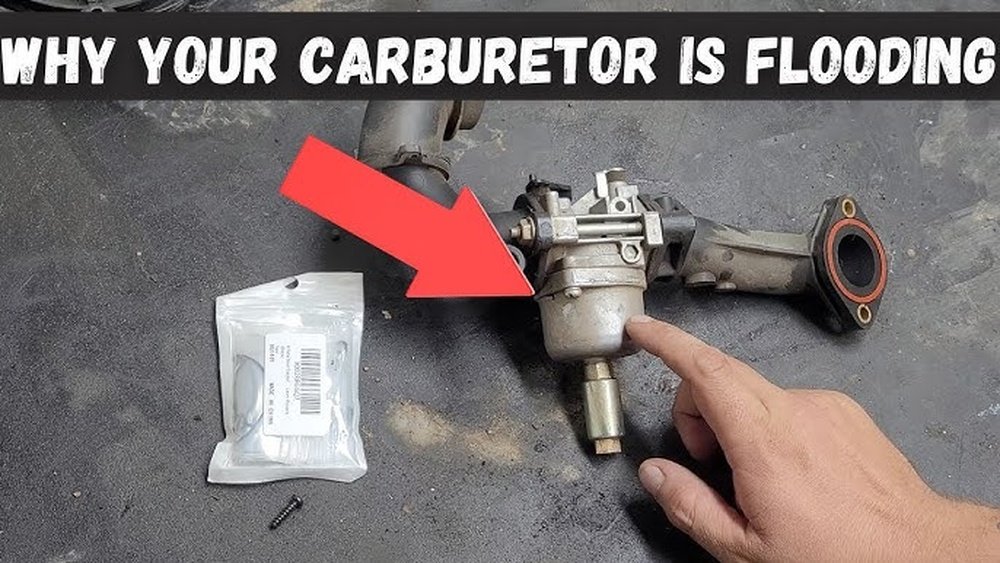
A healthy lawn depends on a well-running mower. But sometimes, your mower may not start, or it may run rough and spill fuel. One common reason is carburetor flooding. This problem can be frustrating, especially if you don’t know what’s causing it or how to fix it. The good news is, you don’t always need a mechanic. With some careful steps and basic tools, you can solve carburetor flooding yourself and get your mower running smoothly again.
What Is Carburetor Flooding And Why Does It Happen?
Carburetor flooding means too much fuel enters the carburetor, mixing with air in the wrong ratio. When this happens, the engine can’t run properly. You might notice strong fuel smells, leaking gas, or see fuel dripping from the carburetor area. Sometimes, your mower won’t start at all, or it might start and then stall.
Flooding usually happens because of a sticking float, worn needle valve, dirty carburetor, or a damaged gasket. Each of these problems lets extra fuel into the carburetor bowl, making it hard for the engine to burn the fuel-air mix correctly.
Signs Your Lawn Mower Carburetor Is Flooded
Before you start fixing, it’s important to make sure flooding is the real problem. Look for these signs:
- Strong smell of raw gasoline
- Fuel leaks under the mower or near the carburetor
- Black smoke from the exhaust
- Engine starts, then quickly stops
- Hard or impossible to start the mower
- Sputtering, rough running, or backfiring
If you notice several of these, you’re likely dealing with a flooded carburetor.
Essential Tools And Materials
You don’t need many tools for this repair, but having the right ones will make things easier and safer:
- Screwdrivers (flathead and Phillips)
- Socket set or wrench
- Needle-nose pliers
- Clean rags
- Carburetor cleaner spray
- Small brush (like an old toothbrush)
- Replacement gaskets, float, or needle valve (if needed)
- Safety gloves and glasses
It’s always wise to check your mower’s manual for part numbers and diagrams before you start.
Step-by-step: How To Fix Lawn Mower Carburetor Flooding
Let’s walk through the process in detail. Take your time, and don’t rush. Safety is more important than speed.
1. Turn Off And Cool Down
First, make sure the mower is off and the engine is cool. Disconnect the spark plug wire to avoid accidental starting. This is a basic safety step that many people forget.
2. Find The Carburetor
Most push mowers have the carburetor mounted on the side of the engine, below the air filter. Remove the air filter cover and filter to expose the carburetor. If you’re unsure, your mower’s manual will show you the exact location.
3. Inspect For Obvious Fuel Leaks
Look for wet spots, dripping fuel, or damp areas around the carburetor. These can show you where the problem is—sometimes it’s a cracked hose, a loose clamp, or a damaged bowl gasket.
4. Drain Excess Fuel
If the carburetor is flooded, there may be extra fuel in the float bowl. Place a rag or small container under the carburetor. Carefully loosen the bowl screw and let the fuel drain out. Tighten the screw when finished.
5. Remove The Carburetor Bowl
With the fuel drained, use a wrench or screwdriver to remove the bowl from the bottom of the carburetor. Be gentle—older bowls may be stuck or brittle. Watch for the gasket between the bowl and carburetor body.
6. Check The Float And Needle Valve
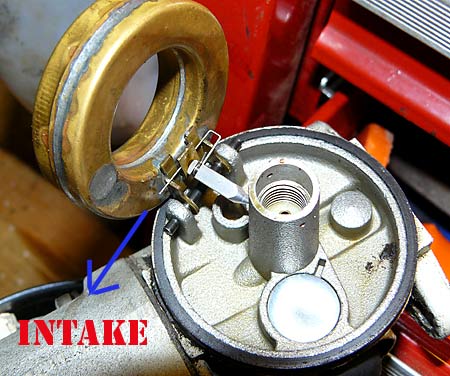
Inside the carburetor bowl, you’ll see a small float (usually plastic or metal) and a needle valve attached to it. These control fuel flow. Gently move the float up and down. It should move smoothly and not stick. The needle valve should also be free of dirt and should not look worn or bent.
Common problems at this stage:
- Float sticking: Dirt or varnish can make the float stick open, letting too much fuel in.
- Needle valve wear: If the tip is worn or damaged, it can’t seal the fuel flow properly.
- Dirty or warped parts: Old fuel can leave sticky residue.
7. Clean The Carburetor
Spray carburetor cleaner into all openings, jets, and passages. Use a small brush to remove buildup. Pay special attention to the needle valve and float pin area. Make sure everything moves freely.
For tougher deposits, let the parts soak in cleaner for 10–15 minutes before scrubbing. Be careful not to damage gaskets or O-rings.
8. Inspect And Replace Worn Parts
Check the float for cracks or fuel inside (if it’s a hollow float, it should not have liquid inside). Replace the float if it’s damaged or heavy. Inspect the needle valve tip—if it’s grooved or bent, replace it.
Replace the bowl gasket if it’s cracked, hard, or does not seal tightly. Even a small leak can let air or fuel escape, causing problems.
9. Reassemble The Carburetor
Carefully put the float, needle valve, and pin back in place. Install a new gasket if needed. Reattach the carburetor bowl and tighten the screws evenly. Make sure everything fits snugly but do not overtighten.
10. Reconnect And Test
Reinstall the carburetor on the mower if you removed it completely. Reattach the air filter and spark plug wire. Add fresh fuel if needed. Start the mower and let it run for a few minutes. Check for leaks and listen for normal engine sound.
If the mower still runs rough or leaks, double-check your work. Sometimes, a second cleaning or another new part is needed.

Credit: www.wikihow.com
Common Causes Of Repeated Carburetor Flooding
If you fix the carburetor but it floods again soon, something else may be wrong. Here are the most common causes:
- Dirty fuel: Old gasoline or debris can clog small passages. Always use clean, fresh fuel.
- Faulty fuel shutoff valve: If your mower has a manual fuel valve and it’s not closing, fuel can keep leaking into the carburetor when the mower is off.
- Damaged fuel lines: Cracked or loose lines can let air in, causing pressure problems.
- Worn out float: Some floats can absorb fuel over time and become too heavy to work properly.
- Improper storage: Leaving fuel in the mower for months can cause varnish and gum, leading to flooding and other carburetor issues.
Preventing Carburetor Flooding In The Future
Prevention is easier than repair. Here’s how to keep your carburetor from flooding again:
- Use fresh gasoline and avoid storing fuel for more than 30 days.
- Add a fuel stabilizer if you store your mower for winter.
- Run the mower dry before long-term storage to empty the carburetor.
- Clean or replace the air filter every season.
- Check fuel lines and gaskets regularly for cracks or leaks.
Comparison: Fresh Fuel Vs. Old Fuel Effects
Here’s a quick look at how fuel quality affects mower carburetors:
| Fuel Type | Engine Performance | Carburetor Risk |
|---|---|---|
| Fresh (less than 30 days old) | Reliable start, smooth running | Low risk of flooding |
| Old (over 60 days) | Hard start, rough idle, stalling | High risk of flooding & residue |
Credit: www.williammaloney.com
Key Differences: Float Problems Vs. Needle Valve Issues
Some beginners mix up float and needle valve problems. Here’s how they differ:
| Problem | Symptoms | Repair Action |
|---|---|---|
| Stuck or heavy float | Continuous fuel flow, leaking bowl | Clean or replace float |
| Worn needle valve | Inconsistent fuel flow, flooding on restart | Replace needle valve |
Real-world Example: Diagnosing A Flooded Carburetor
Imagine your mower won’t start, and you notice fuel dripping from the air filter. After checking, you see the float is stuck due to sticky residue. Cleaning the float and the needle valve solves the issue. But, if you miss the needle valve wear, the problem returns after a week.
This shows why you should always check both the float and needle valve, not just one part.
Non-obvious Insights Most Beginners Miss
- Tiny debris can cause big problems. Even a small grain of dirt in the needle valve seat can make the carburetor flood. Always work in a clean area and inspect parts closely.
- Old gaskets are a hidden enemy. Even if the gasket looks okay, it may have hardened and lost its seal. Replacing with a new gasket can often solve mystery leaks and minor flooding.
When To Call A Professional
If you have tried all these steps and your mower still floods, it might be time for expert help. Some carburetor problems involve internal cracks or damaged castings, which need special tools and knowledge. Also, if you’re not comfortable working with fuel or small parts, a professional repair can save time and avoid frustration.

Credit: www.youtube.com
Frequently Asked Questions
Why Does My Mower Keep Flooding After Cleaning The Carburetor?
If your mower keeps flooding, you might have missed a worn needle valve, damaged float, or old gasket. Dirty fuel can also bring new debris into a freshly cleaned carburetor.
How Do I Know If The Float Is Bad?
A bad float might feel heavy (if it’s filled with fuel) or show visible cracks. When you shake it gently, you shouldn’t hear liquid inside. Replace if you find these issues.
Can A Carburetor Flood If The Air Filter Is Dirty?
Yes, a clogged air filter restricts air flow, causing a rich fuel mix and sometimes flooding. Always check and clean or replace the air filter during repairs.
How Often Should I Clean My Lawn Mower Carburetor?
Most experts recommend cleaning the carburetor once a season, especially before storing your mower for winter. More frequent cleaning may be needed if you use old fuel or mow in dusty conditions.
Is There A Way To Prevent Flooding Without Taking Apart The Carburetor?
You can reduce risk by using fresh fuel, adding stabilizer, and shutting off the fuel valve after mowing (if your mower has one). However, once flooding starts, cleaning or repair is usually needed.
A flooded carburetor doesn’t mean your mower is finished. With a bit of patience, the right tools, and these steps, you can fix the problem and keep your lawn looking great. For more detailed diagrams and mower-specific tips, check your manufacturer’s website or a trusted resource like Wikipedia. Remember, regular care is the best way to avoid future carburetor headaches and keep your mower running strong all season.