
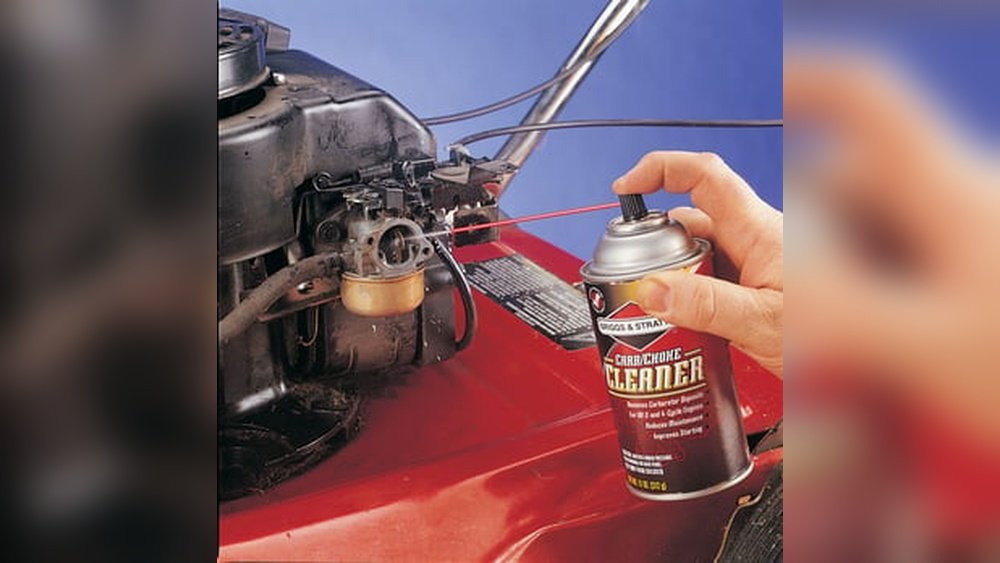
Replacing a lawn mower carburetor can look complicated, but it’s a skill that saves money and keeps your mower running smoothly. Many people struggle with weak engines, hard starts, or black smoke, not knowing the carburetor is often the problem. If you notice your mower stalling, running rough, or not starting at all, the carburetor may need replacement. With clear steps and some practical tips, even beginners can handle this task with confidence.
This article will guide you through everything you need to know about replacing a lawn mower carburetor. You’ll learn what tools you need, how to prepare safely, and the step-by-step process. We’ll also share essential tips that most beginners miss, so you can avoid common mistakes and get the job done right the first time.
Why Replace A Lawn Mower Carburetor?
A carburetor mixes air and fuel to power your mower’s engine. Over time, dirt, stale gas, or worn parts can make the carburetor clog or fail. When cleaning doesn’t help, replacement is the best solution.
Common signs that you need a new carburetor:
- Engine won’t start
- Engine is hard to start or stalls often
- Runs rough or surges
- Black smoke from exhaust
- Poor fuel efficiency
Ignoring these problems can damage the engine or lead to higher repair costs.
Tools And Materials Needed
Before you start, gather these items:
- New carburetor (specific to your mower model)
- Screwdrivers (flathead and Phillips)
- Socket set or wrench set
- Pliers
- Clean rags or paper towels
- Small container for screws/parts
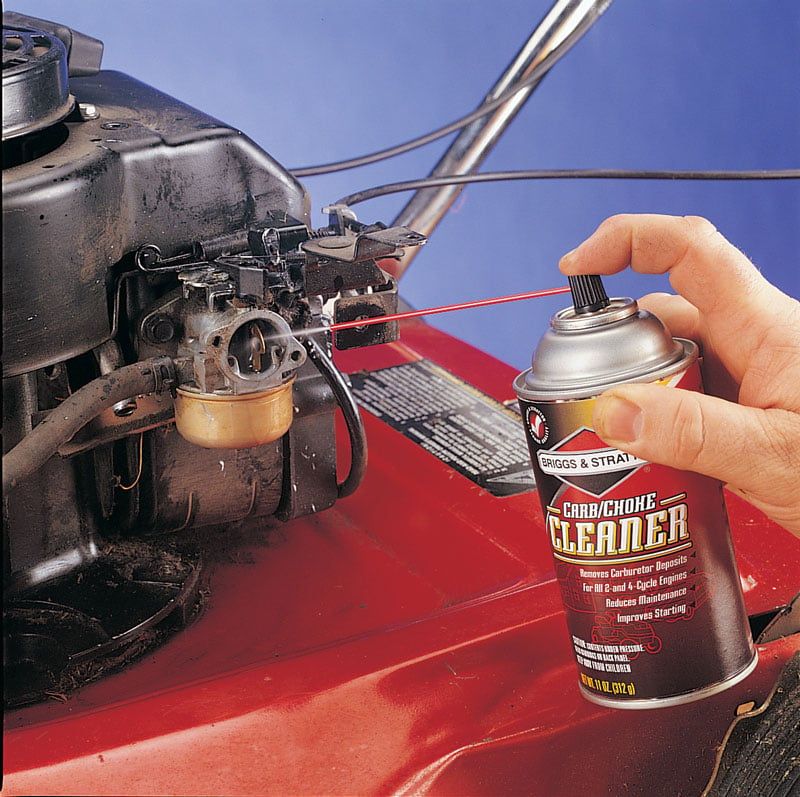
- Carburetor cleaner (optional)
- Safety gloves and glasses
Having the right tools ready makes the job smoother and prevents delays.
Preparation Steps
1. Work In A Safe Area
Choose a flat, well-lit space. Outdoor or in a garage with good ventilation is best. Gas fumes can be dangerous, so avoid working in closed areas.
2. Disconnect The Spark Plug
Always remove the spark plug wire before you begin. This prevents accidental starts, which can be very dangerous.
3. Drain The Gasoline
If the tank is more than half full, use a siphon or turkey baster to remove fuel into a safe container. This reduces spills and makes the carburetor easier to handle.
4. Take Photos
Before removing anything, take clear pictures of the carburetor, linkage, and fuel lines. These images are priceless when reassembling.
Step-by-step Guide To Replace A Lawn Mower Carburetor
1. Remove The Air Filter
The air filter housing usually sits above the carburetor. Remove the cover and filter element. Unscrew the housing and set it aside.
2. Disconnect Fuel Line
Use pliers to loosen the clamp on the fuel line attached to the carburetor. Pull off the hose gently and direct it into a rag or container to catch any leftover fuel.
3. Detach Linkages
Carburetors are connected to the throttle and sometimes a choke linkage. Note their positions (use your photos), then carefully unhook each linkage.
4. Remove The Old Carburetor
Unscrew the bolts or nuts holding the carburetor to the engine. Keep all fasteners in your container. Gently pull the carburetor away from the engine.
5. Clean The Mounting Area
Before installing the new carburetor, wipe the mounting area with a rag. Any old gasket material or debris can cause leaks.
6. Match The New Carburetor
Compare the old and new carburetors side by side. Check that all mounting holes, linkages, and fuel line connections are in the same place.
7. Install The New Carburetor
Mount the new carburetor onto the engine, lining up the gasket (replace the gasket if damaged). Tighten bolts evenly, but do not overtighten.
8. Reconnect Linkages
Attach the throttle and choke linkages exactly as before. A wrong connection can cause the mower to run out of control.
9. Reconnect Fuel Line
Slide the fuel line onto the new carburetor’s port and secure the clamp with pliers.
10. Replace Air Filter Assembly
Attach the air filter housing and install the filter element. Tighten the screws to secure.
11. Double-check Everything
Look over all connections. Make sure nothing is loose or pinched. Reconnect the spark plug wire.
12. Test The Mower
Add fresh fuel (if needed), then start the mower. Let it run for a few minutes. Listen for smooth idle and quick throttle response.
If the mower runs poorly, check for air leaks, loose connections, or linkage problems.

Credit: www.youtube.com
Practical Tips For Success
1. Always Use The Correct Replacement
Lawn mower carburetors are not universal. Even small differences can cause big issues. Use your mower’s model number to order the correct part.
2. Don’t Skip Gasket Replacement
The gasket seals the carburetor to the engine. Old gaskets can leak air, causing rough running or hard starts. Always replace it if damaged.
3. Handle Linkages With Care
Throttle and choke linkages are often thin metal rods or springs. Bending or installing them incorrectly can lead to poor performance or even damage.
4. Clean Surrounding Areas First
Dirt can easily enter the engine while the carburetor is off. Wipe the surrounding area before removal to reduce this risk.
5. Be Mindful Of Small Parts
Carburetors often have tiny springs, screws, or clips. Working over a tray or container prevents losing these pieces.
6. Use Fresh Gas
Stale fuel can clog a new carburetor quickly. Always use fresh gasoline after replacement.
7. Check For Fuel Filter Issues
A clogged fuel filter can starve the carburetor of fuel, causing similar symptoms to a bad carburetor. Inspect and replace it if needed.
8. Adjust Idle Speed
Some carburetors have adjustable idle screws. After replacement, adjust the idle speed for smooth running if your model allows.
9. Watch For Leaks
After installation, check for fuel leaks around hoses and fittings. A leak can be dangerous and damage the engine.
10. Keep The Old Carburetor
Even if it’s not working, keeping the old part can help you match future replacements or troubleshoot problems.
11. Use Manufacturer’s Manual
If available, refer to your mower’s manual for torque specs and diagrams. This prevents over-tightening and helps with complex linkages.
12. Don’t Force Anything
If something doesn’t fit, double-check part numbers and alignment. Forcing parts can break plastic or strip threads.
13. Consider A Carburetor Rebuild Kit
For older or expensive mowers, a rebuild kit can restore the original carburetor at lower cost. Kits often include gaskets, jets, and seals.
14. Dispose Of Old Fuel Properly
Gasoline is hazardous. Take old fuel to a recycling center. Never pour it down the drain or on the ground.
15. Test Under Load
Let the mower run and cut a small area of grass. This test checks if the new carburetor works well under normal conditions.
Comparing Oem Vs. Aftermarket Carburetors
Choosing between OEM (Original Equipment Manufacturer) and aftermarket carburetors is common. Here’s a simple comparison:
| Feature | OEM Carburetor | Aftermarket Carburetor |
|---|---|---|
| Fit & Compatibility | Exact fit, guaranteed | May require minor adjustments |
| Price | Higher | Lower |
| Warranty | Usually included | Varies by seller |
| Longevity | Long-lasting | Can vary |
For new or high-end mowers, OEM is often safer. For older mowers, quality aftermarket parts can be a good value.

Credit: www.youtube.com
Symptoms Of A Bad Carburetor Vs. Other Problems
Sometimes, issues that look like a carburetor problem are actually caused by something else. This table shows key differences:
| Symptom | Likely Carburetor Issue | Other Possible Causes |
|---|---|---|
| Hard to Start | Yes | Bad spark plug, old fuel |
| Engine Surges | Yes | Blocked air filter |
| Black Smoke | Yes | Too much oil, dirty air filter |
| No Power | Sometimes | Dull blade, low compression |
Checking these other parts can save you from unnecessary carburetor replacements.
Maintenance Tips To Extend Carburetor Life
Keeping your carburetor in good shape means fewer replacements and smoother mowing. Here are simple tips:
- Use fresh gasoline and avoid storing fuel in the mower over winter.
- Clean or replace the air filter regularly.
- Run the engine dry at the end of the season to avoid stale fuel.
- Add a fuel stabilizer if storing for long periods.
- Inspect fuel lines for cracks or leaks each season.
These steps help prevent the most common carburetor problems.
Common Mistakes To Avoid
Beginners often make these errors:
- Forgetting to disconnect the spark plug
- Mixing up linkage connections
- Reusing old gaskets that leak
- Using the wrong replacement part
- Not checking for air or fuel leaks after installation
Taking your time and following each step carefully can prevent these problems.
When To Call A Professional
If your mower still runs poorly after replacing the carburetor, the problem may be deeper—like a bad engine valve or ignition problem. Also, if you’re not comfortable with small engine repairs, it’s safer to let a trained technician handle the job.
Major issues are rare but can save you stress and extra cost in the long run.
Credit: www.briggsandstratton.com
Frequently Asked Questions
How Do I Know If My Carburetor Needs To Be Replaced, Not Just Cleaned?
If cleaning the carburetor does not fix hard starts, rough running, or black smoke, and you see physical damage or corrosion, replacement is needed. Severe blockages or worn parts inside the carburetor also mean cleaning is not enough.
Is It Safe To Replace The Carburetor Myself?
Yes, with basic tools and careful steps, most people can do this job safely. Always disconnect the spark plug before starting and work in a well-ventilated area. If you feel unsure, consider help from a technician.
Can I Use Any Carburetor For My Lawn Mower?
No. Carburetors are designed for specific engine models. Always match the new part to your mower’s make, model, and engine size. Using the wrong carburetor can cause performance problems or even damage.
What Should I Do If The Mower Still Runs Poorly After Replacing The Carburetor?
Double-check all connections, linkages, and gaskets. Look for air or fuel leaks. If the problem continues, check the spark plug, air filter, and fuel quality. Sometimes, another part is causing the issue.
Where Can I Find Reliable Information On Mower Carburetors?
A great resource is the Wikipedia Carburetor page, which explains carburetor basics and their role in engines.
Replacing a lawn mower carburetor is not as difficult as it seems. With the right tools, careful steps, and attention to detail, you can restore your mower’s power and save on repair bills. Remember to work safely, use the correct parts, and keep your mower well maintained for years of reliable service.