
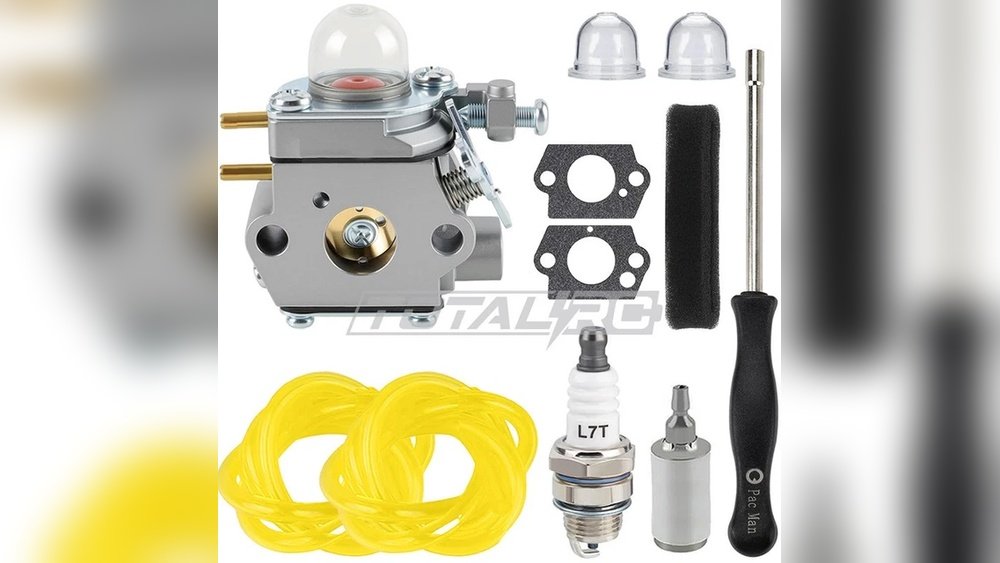
Starting your string trimmer shouldn’t be a frustrating battle with a flooded engine. If you’ve ever pulled the starter rope only to hear your trimmer cough and stall, you know how annoying it can be.
But what if you could avoid flooding it altogether and get your trimmer running smoothly on the first try? In this guide, you’ll discover simple, clear steps to start your string trimmer without flooding it—and keep your outdoor work hassle-free.
Keep reading, because mastering this easy technique will save you time, effort, and those irritating false starts every time you need to trim your lawn.

Credit: www.youtube.com
Common Causes Of Flooding
Flooding a string trimmer engine happens when too much fuel enters the combustion chamber. This makes the engine hard to start or stops it from starting at all. Understanding the common causes of flooding helps prevent this problem. It also saves time and effort during startup.
Excessive Choke Use
The choke restricts air to create a richer fuel mix for cold starts. Using the choke too much leads to too much fuel in the engine. This extra fuel floods the engine and makes starting difficult. Only use the choke briefly and turn it off once the engine warms up.
Over-priming The Bulb
The primer bulb pushes fuel into the carburetor. Pressing it too many times floods the carburetor with excess fuel. This causes the engine to flood and not start. Press the bulb only as many times as the manufacturer suggests, usually three to five presses.
Old Or Dirty Spark Plug
A worn or dirty spark plug cannot ignite the fuel properly. This leads to incomplete combustion and flooding. Inspect the spark plug regularly and clean or replace it if needed. A clean spark plug ensures a strong spark and smooth engine start.

Credit: matildaruta.se
Preparing Your Trimmer
Preparing your string trimmer before starting helps prevent flooding. It ensures the engine runs smoothly. Proper preparation also extends the life of your tool. Follow these key steps to get your trimmer ready.
Check Fuel Quality
Use fresh gasoline mixed with oil if required. Old fuel can cause engine problems. Stale fuel increases the chance of flooding. Always store fuel in a clean, sealed container. Avoid using gasoline that smells sour or looks cloudy.
Inspect The Air Filter
A clean air filter allows proper airflow to the engine. Dirt or debris in the filter can choke the engine. Remove the air filter and check for dust buildup. Wash or replace it if it looks dirty. A clean filter helps the trimmer start easily.
Examine The Spark Plug
Look for signs of wear or damage on the spark plug. A dirty or faulty spark plug causes weak sparks. This leads to poor ignition and flooding. Clean the spark plug with a wire brush or replace it if needed. Make sure the gap is correct for your model.
Step-by-step Starting Process
Starting a string trimmer without flooding it requires a clear and careful process. Follow these simple steps to get your trimmer running smoothly. Each step helps avoid common problems like flooding. Keep your machine ready to work in just a few moments.
Set The Choke Correctly
Locate the choke lever on your string trimmer. Move it to the cold start or fully closed position. This setting limits air and helps start the engine. Do not leave the choke fully closed after the engine starts. Adjust it gradually to keep the engine running well.
Prime The Engine Properly
Find the primer bulb near the carburetor. Press it three to five times until you see fuel inside. This action fills the carburetor with fuel for easier starting. Avoid pressing too many times. Over-priming can flood the engine and cause problems.
Use The Throttle And Pull The Starter
Hold the trimmer firmly on the ground. Press the throttle trigger lightly to prepare the engine. Pull the starter rope smoothly and quickly until the engine fires. If it does not start, wait a few seconds before trying again. Avoid pulling too hard or fast to prevent damage.
How To Unflood The Engine
Unflooding the engine is the first step to get your string trimmer running again. Flooding happens when too much fuel enters the engine. This excess fuel blocks the spark plug, stopping ignition. Clearing this fuel is key to restarting the trimmer. Follow these simple steps to unflood your string trimmer engine quickly and easily.
Release Excess Fuel
Open the fuel tank cap slightly. Let any extra fuel evaporate for a few minutes. This helps reduce the fuel flooding inside the carburetor. Avoid pouring out fuel by hand to prevent spills. Allowing time for evaporation balances the fuel-air mix.
Remove And Dry The Spark Plug
Unscrew the spark plug carefully using a spark plug wrench. Check the plug for wetness or fuel residue. Wipe it clean with a dry cloth or paper towel. Let the spark plug air dry for a few minutes. A dry spark plug sparks better and helps start the engine.
Start With Throttle Engaged
Hold the throttle trigger fully to open the carburetor. Pull the starter cord while keeping the throttle pressed. This action allows more air to enter and clears excess fuel. Repeat the pull until the engine fires or starts. Starting with throttle engaged prevents reflooding the engine.
Maintenance Tips To Prevent Flooding
Preventing your string trimmer from flooding starts with good maintenance. Regular care keeps the engine running smoothly. It also reduces the chance of fuel build-up inside the cylinder.
Simple steps can keep your trimmer ready to start without flooding. Clean parts and fresh fuel help the engine breathe and burn fuel properly. Follow these easy tips to maintain your string trimmer.
Regular Spark Plug Cleaning
Remove the spark plug and check for dirt or carbon build-up. Use a wire brush to clean the spark plug gently. A clean spark plug sparks better and helps the engine start quickly. Replace the spark plug if it looks worn out or damaged.
Keep Air Filter Clean
Check the air filter regularly for dust and debris. A dirty air filter blocks air flow to the engine. Wash foam filters with warm soapy water and let them dry completely. Replace paper filters if they look clogged or torn. Clean air filters help the engine get enough air for fuel combustion.
Use Fresh Fuel Mix
Always use fresh fuel mixed with the correct oil ratio. Old or stale fuel can cause the engine to flood easily. Mix only the amount you will use within 30 days. Store fuel in a sealed container away from heat and sunlight. Fresh fuel burns cleaner and keeps the engine running strong.
Troubleshooting Hard Starts
Troubleshooting hard starts with your string trimmer saves time and frustration. Knowing common issues helps you fix problems fast. This guide covers simple checks and adjustments. Follow these steps to get your trimmer running smoothly without flooding the engine.
Check For Fuel Line Blockages
Fuel line blockages stop fuel from reaching the engine. Dirt or debris can clog the line. Disconnect the fuel line and inspect it carefully. Use compressed air or a small brush to clear any blockages. Replace the fuel line if it is cracked or damaged. A clear fuel line ensures steady fuel flow and easier starts.
Inspect Carburetor Settings
The carburetor controls fuel and air mix. Incorrect settings cause hard starts and flooding. Look for screws marked “L” (low speed) and “H” (high speed). Turn them slightly to adjust the mix. A balanced carburetor helps the engine start quickly. Clean the carburetor regularly to avoid buildup that blocks fuel flow.
Adjust Primer Bulb Usage
Pressing the primer bulb too many times floods the engine. Press it 3 to 5 times before starting. This moves the right amount of fuel to the carburetor. Avoid over-priming, which causes fuel to flood the spark plug. A well-used primer bulb makes starting easier and prevents flooding issues.

Credit: www.youtube.com
Frequently Asked Questions
Why Does My Weedeater Keep Flooding?
Your weedeater floods when too much fuel enters the engine, often from overusing the choke or a stuck primer bulb. Check the carburetor and air filter for clogs or damage. Properly setting the choke and avoiding excessive priming helps prevent flooding.
How To Unflood A String Trimmer?
To unflood a string trimmer, remove the air filter and open the choke. Pull the starter rope several times without the choke engaged. Allow excess fuel to evaporate. Reinstall the air filter, then start the trimmer with the choke off.
How To Start A String Trimmer?
Turn on the trimmer and set the choke to full. Press the primer bulb until fuel fills it. Pull the starter rope firmly until the engine runs. Adjust choke as engine warms.
Why Is My Strimmer Hard To Start?
Your strimmer may be hard to start due to a flooded engine, old fuel, clogged air filter, or faulty spark plug. Check the choke and primer bulb settings. Clean or replace parts as needed. Proper maintenance ensures easier starts and better performance.
Conclusion
Starting a string trimmer without flooding takes patience and care. Always use the right choke setting and avoid over-priming. Pull the starter rope smoothly and steadily. Keep the air filter clean to help the engine breathe. Practice these steps, and your trimmer will start easily every time.
Small efforts prevent big problems. Stay calm and work carefully. Your yard work becomes easier with a well-started trimmer.