
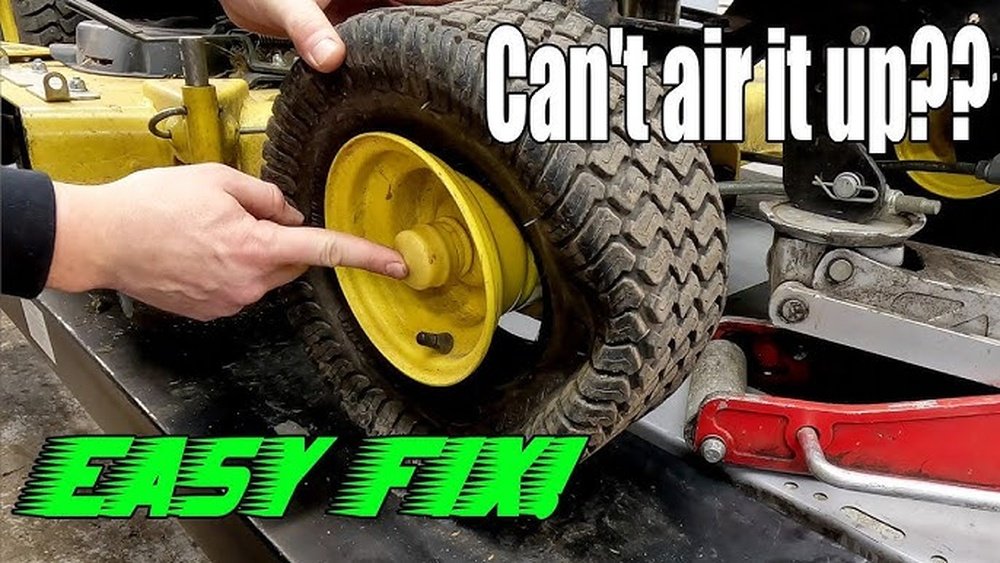
Keeping your riding mower in top condition means more than just changing the oil or sharpening the blades. One task many homeowners overlook is maintaining proper tire pressure. Underinflated or overinflated tires can make mowing difficult, cause uneven cuts, and even damage your lawn.
If you’ve ever wondered how to inflate riding mower tire tips like a pro, this guide will walk you through everything you need to know. With the right techniques, your mower will handle better and last longer.
Why Tire Pressure Matters For Riding Mowers
Riding mower tires are often smaller and softer than car tires. They play a critical role in how your machine drives and cuts grass. When tires are underinflated, you may notice the mower feels sluggish or hard to steer. The cutting deck can become unbalanced, leaving your lawn with a patchy look.
On the other hand, overinflated tires can make the ride rough and cause extra wear on your mower. The tires may lose grip, especially on hills or wet grass. Over time, improper pressure can lead to flat spots, reduced tire life, and even damage to the wheel rims.
Regularly checking and adjusting tire pressure helps keep your mower safe and efficient. This small maintenance step can save you money on repairs and make mowing much more enjoyable.
Essential Tools And Materials
Before you start, gather the right tools. Using the proper equipment will make the process fast and safe.
- Tire pressure gauge: Choose a gauge that works for low pressures, as mower tires usually need 10-20 psi.
- Air compressor or manual pump: Both work well, but an air compressor is faster and easier.
- Valve stem caps: Replace missing or damaged caps to prevent leaks.
- Soapy water spray: Helpful for finding slow leaks.
- Clean rag: For wiping valve stems and tires.
Having the right tools ready means you won’t have to stop halfway through. Many beginners try to use a car tire gauge, which often skips the lower psi range needed for mowers.
Finding The Correct Tire Pressure
Every riding mower is different, so check the recommended psi. You can usually find this information:
- On the sidewall of each tire (look for “Max PSI” or “Recommended Pressure”)
- In your mower’s owner’s manual
- On a sticker under the mower seat or near the controls
Most riding mower tires need between 10 and 14 psi. Front and rear tires may require different pressures. Do not assume they are the same—using the wrong pressure can affect how your mower turns and balances.
Many people forget that temperature changes can affect pressure. Measure when tires are cold for the most accurate reading.
Step-by-step Guide To Inflating Riding Mower Tires
Follow these steps to ensure your tires are filled correctly and safely.
1. Prepare The Mower
- Move the mower to a flat, stable surface.
- Turn off the engine and remove the key.
- Let the tires cool if you just finished mowing.
2. Inspect The Tires
- Check for cracks, punctures, or worn tread.
- Look for nails, glass, or other objects stuck in the tire.
- Remove any debris from the valve stem.
3. Check Current Pressure
- Remove the valve cap.
- Press the tire gauge firmly onto the valve stem.
- Read the current pressure.
- Write down the reading for each tire.
If you find a tire with much lower pressure than the others, check carefully for leaks.
4. Inflate The Tire
- Attach the air hose or pump securely to the valve stem.
- Add air in short bursts, checking the pressure often.
- Stop at the recommended psi—never overinflate.
5. Replace Valve Caps
- Screw the valve caps back on tightly.
- This keeps dirt and moisture out of the valve.
6. Repeat For All Tires
- Inflate each tire to the manufacturer’s recommendation.
- Double-check your work before mowing.
Credit: www.reddit.com
Common Problems When Inflating Mower Tires
Even with simple tasks, mistakes can happen. Here are some issues you might face:
Slow Leaks
If a tire keeps losing pressure, spray soapy water around the valve and tread. Bubbles mean air is escaping. Small leaks can often be fixed with a plug or sealant, but large holes may need a new tire.
Stubborn Valve Stems
Sometimes, valve stems get bent or dirty. Clean them with a rag and try again. Never force a gauge or pump onto a crooked stem—you could break it.
Overinflation
Adding too much air can be dangerous. If you go over the recommended pressure, press the gauge slightly on the stem to let air out until you reach the correct psi.
Damaged Beads
If the tire bead (where it meets the rim) separates or looks damaged, do not inflate it. This could cause the tire to blow off the rim. Seek professional help.
Table: Typical Riding Mower Tire Pressures
Here’s a quick look at common tire pressures for popular riding mower brands.
| Brand | Front Tire PSI | Rear Tire PSI |
|---|---|---|
| John Deere | 14 | 10 |
| Husqvarna | 14 | 12 |
| Cub Cadet | 12 | 10 |
| Troy-Bilt | 14 | 10 |
Always verify with your manual, as tire sizes and pressures can change by model.

Credit: www.youtube.com
Tips For Keeping Riding Mower Tires In Good Shape
Regular maintenance prevents most problems. Here are some practical tips:
- Check pressure monthly: Don’t wait for a flat—catch problems early.
- Avoid sharp turns: Hard cornering puts extra stress on soft tires.
- Store indoors: Sun and rain can weaken rubber over time.
- Clean after mowing: Grass and mud can hide punctures or cracks.
- Rotate tires: Swap front and back tires if you see uneven wear.
One tip many people miss: always keep spare valve caps handy. Missing caps are a main cause of slow leaks, especially after washing the mower.
Inflating Tubeless Vs. Tube-type Tires
Most modern riding mowers use tubeless tires, but some older models have inner tubes. The inflation process is similar, but there are a few differences.
- Tubeless tires: Make sure the tire bead is seated against the rim before inflating. If the bead is broken, you may need a “blast” of air to reseat it.
- Tube-type tires: Inflate slowly to avoid pinching the tube. Check for leaks around both the valve and the tire body.
If you’re not sure which type you have, look at the valve stem. Tubeless stems are usually rubber and sit flush with the rim. Tube-type stems are often metal and may stick out more.
Table: Manual Pump Vs. Air Compressor
Choosing how to inflate your tires depends on what you have at home. Here’s a quick comparison:
| Inflation Tool | Advantages | Disadvantages |
|---|---|---|
| Manual Pump | Low cost, portable, no electricity needed | Slow, tiring for multiple tires |
| Air Compressor | Fast, precise, easy to use | Needs power, higher cost, bulky |
If you maintain other equipment—like wheelbarrows or ATVs—an air compressor can be a good investment.
Safety Precautions When Inflating Riding Mower Tires
Safety should always come first. Inflating tires may seem simple, but accidents can happen if you’re not careful.
- Wear safety glasses: Protect your eyes from debris and air bursts.
- Never stand over the tire: If a bead fails, the tire can pop off the rim with force.
- Check for damage before inflating: Cracks, dry rot, or deformed rims can lead to sudden blowouts.
- Use the correct gauge: Car gauges may not be accurate for low-pressure mower tires.
- Don’t overinflate: Exceeding the recommended psi can damage the tire or cause injury.
One less obvious safety tip: keep children and pets away during inflation. Tires can burst without warning if something is wrong.
How To Handle A Completely Flat Tire
A flat tire on your riding mower can be frustrating. Here’s how to handle it:
- Remove the flat tire if possible—this makes repairs easier and safer.
- Check for nails or sharp objects. Remove them with pliers.
- If the bead has come off the rim, try to reseat it with a large burst of air. Use an air compressor and keep your hands clear.
- For small punctures, use a tire plug or sealant.
- If the tire won’t hold air, you may need a new tire or tube.
Don’t ignore a flat tire. Driving on it can damage the rim and make repairs more expensive.
Table: Signs You Need A New Tire
How do you know when it’s time to replace your mower tire? Watch for these clues:
| Sign | What It Means |
|---|---|
| Cracks in sidewall | Rubber is dry and weak |
| Won’t hold air | Puncture or bead damage |
| Worn tread | Poor grip, risk of slipping |
| Bulges or bubbles | Internal damage—unsafe to use |
Never try to repair a severely damaged tire. Replacement is the safest choice.

Credit: nilds.gov.ng
Non-obvious Tips Most People Miss
Many beginners focus only on adding air, but miss these expert tips:
- Check pressure after mowing: Heat can cause pressure to rise and fall. Let the tires cool, then recheck.
- Balance the pressure on both sides: If one side is softer, the mower can cut unevenly, especially on slopes.
- Keep a small spray bottle of soapy water: Quickly finds leaks that are hard to see.
Also, always note the pressure difference between front and rear tires. Many people inflate all to the same psi, but this can affect how the deck floats and the mower’s traction.
When To Ask For Professional Help
If you encounter any of these problems, consider visiting a tire shop:
- Tire bead won’t seat after several tries
- Large cuts or deep punctures
- Rim is bent or severely rusted
- Tire loses air quickly even after patching
Professionals have the right tools and experience to fix tough problems safely. It’s better to ask for help than to risk injury or expensive mower damage.
Frequently Asked Questions
What Is The Recommended Tire Pressure For Most Riding Mowers?
Most riding mower tires need 10 to 14 psi. Always check your manual or the tire sidewall, as the correct pressure can vary by model and tire size.
Can I Use A Car Tire Inflator For My Riding Mower Tires?
Yes, but make sure the inflator and gauge can measure low pressures. Many car inflators are designed for higher psi and may not be accurate enough for mower tires.
Why Do My Riding Mower Tires Keep Going Flat?
This could be from slow leaks, missing valve caps, punctures, or old, cracked rubber. Spray soapy water to find leaks and check the condition of both the tire and rim.
Is It Safe To Use Tire Sealant On Riding Mower Tires?
Sealant can fix small punctures in tubeless tires, but it is a temporary solution. Replace the tire if leaks continue or if you see sidewall damage.
Where Can I Find More Information About Mower Tire Care?
You can find detailed maintenance tips on the official Lawn Mower Wikipedia page or consult your mower’s owner’s manual for brand-specific advice.
Proper tire inflation is a small detail that makes a big difference. Take the time to check your riding mower tires regularly, follow these tips, and you’ll enjoy a smoother, safer mowing experience all season long.