
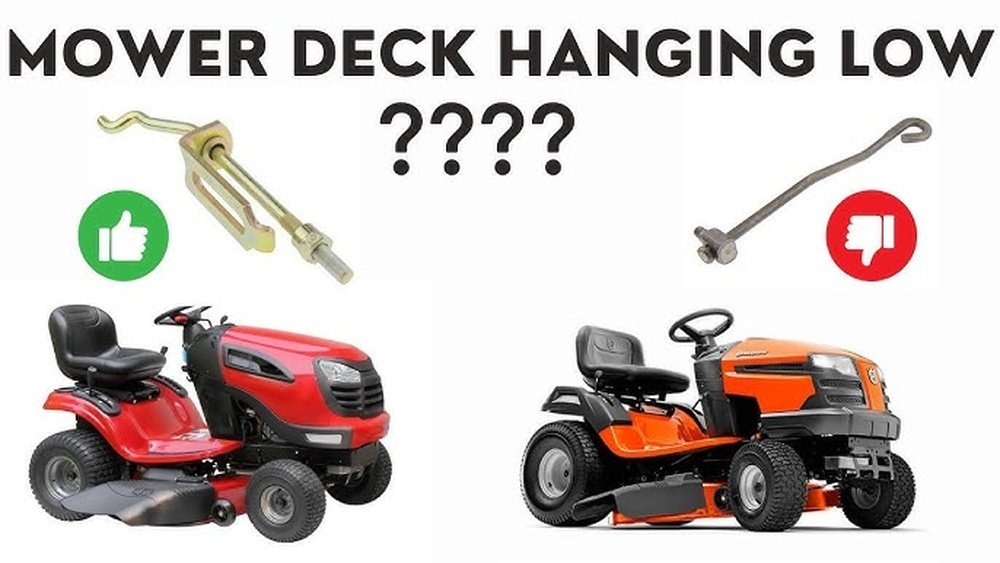
If your riding mower is cutting grass unevenly—especially if it’s only cutting on one side—it can be both frustrating and confusing. A healthy, even lawn needs a mower that works correctly. But when you see one side of your yard neatly trimmed and the other side looking untouched or ragged, it’s a clear sign something is wrong.
This problem is more common than you might think, and it has a range of possible causes. The good news? Most of them are easy to spot and fix with some basic tools and a little know-how.
This guide will walk you through every step to diagnose and fix a riding mower that cuts on only one side. You’ll learn what causes this issue, how to check each part, and how to make the right repairs or adjustments.
By the end, you’ll feel confident tackling this problem and getting your mower back to top shape.
What Causes A Riding Mower To Cut On One Side?
When your riding mower leaves grass taller or uneven on one side, it’s usually a sign of a mechanical or adjustment issue. The most common causes include:
- Uneven mower deck: The deck may be tilted or not level.
- Dull or damaged blades: One blade could be blunt, bent, or missing.
- Tire pressure differences: Low air pressure on one side causes the mower to tilt.
- Clogged or blocked discharge chute: Grass buildup can block one side.
- Worn spindle or mandrel: The part that spins the blade may be failing.
- Improper blade installation: Blades not fitted correctly or installed upside down.
- Suspension or frame issues: Broken suspension can tilt the deck.
- Obstructions or buildup under the deck: Grass and debris collect and interfere with cutting.
Most people check the deck first, but sometimes the problem is less obvious. For example, tire pressure affects deck height more than many beginners realize.
Step-by-step: How To Fix Riding Mower Cutting On One Side
To solve this problem, you need to check each possible cause in a logical order. Here’s how to do it like a pro.
1. Park And Prepare Your Mower Safely
- Park the mower on a flat, level surface.
- Turn off the engine and remove the key.
- Disconnect the spark plug wire to prevent accidental starting.
- Make sure the parking brake is on.
2. Inspect The Mower Deck For Level
An uneven deck is the most common reason for one-sided cutting.
- Lower the deck to its normal cutting height.
- Use a measuring tape to measure the distance from the ground to the deck’s edge on both sides.
- If there’s more than a 1/4 inch (6 mm) difference, you need to adjust.
How To Adjust The Deck
- Find the adjustment bolts or levers (check your owner’s manual).
- Turn the adjustment on the lower side upward until both sides match.
- Measure again and repeat until both sides are level.
Non-obvious tip: Sometimes the deck looks level by eye, but a small difference of even 1/8 inch can cause visible uneven cutting.
3. Check Blade Condition And Installation
Blades are crucial for even cutting. Issues here are easy to miss if you don’t check closely.
- Wear gloves and inspect both blades.
- Check for dull edges, bends, nicks, or missing pieces.
- Make sure both blades are installed in the correct direction (look for the “grass side” marking).
Fixing Blade Problems
- Sharpen dull blades using a file or grinder. Replace if badly damaged.
- Replace bent blades—never try to straighten them; it’s unsafe.
- Reinstall any blade installed upside down.
4. Check Tire Pressure On All Four Tires
A small drop in tire pressure can tilt the entire mower.
- Check the recommended pressure (often 12-14 PSI, but check your manual).
- Use a tire gauge to check each tire.
- Inflate all tires to the correct pressure.
Insight: A tire that looks “okay” can still be several PSI low, enough to affect cutting height.
5. Clean The Mower Deck And Discharge Chute
Grass buildup under the deck or in the chute can block cutting on one side.
- Use a putty knife or deck scraper to remove dried grass and debris.
- Check the discharge chute for clogs or blockages.
6. Inspect The Spindle Or Mandrel Assembly
The spindle holds and spins the blade. If it’s worn out, the blade may not spin at the correct speed or angle.
- With the mower off and blades removed, grab the spindle and try to move it side to side.
- If there’s any play or wobble, the spindle bearings may be bad.
- Listen for grinding or squealing noises while turning the spindle by hand.
If the spindle is worn, replace it according to your mower’s manual.
7. Check For Frame Or Suspension Damage
A bent frame or broken suspension can tilt your mower deck even if everything else seems fine.
- Look for obvious signs of damage or bent parts under the mower.
- Check that all deck hangers and support arms are connected and undamaged.
8. Remove All Under-deck Obstructions
Even a small stick or rock lodged under the deck can block one side of the blade.
- Carefully look and feel under the deck for any objects.
- Remove all debris before mowing again.
9. Test Your Repairs
After making adjustments and repairs, mow a small section of grass.
- Check if both sides now cut evenly.
- If not, repeat the checks, paying close attention to steps you may have missed.
Pro tip: Sometimes the problem is a combination of small issues, not one big one. Fixing tire pressure and sharpening blades together often solves the problem.

Credit: www.reddit.com
Quick Reference: Common Causes And Fixes
Here’s a simple comparison for fast troubleshooting:
| Problem | How to Check | Typical Fix |
|---|---|---|
| Uneven deck | Measure deck height both sides | Adjust deck using bolts/levers |
| Dull/bent blade | Inspect blade for damage | Sharpen or replace blade |
| Low tire pressure | Check with tire gauge | Inflate to correct PSI |
| Clogged chute | Look for grass buildup | Clean chute and deck |
| Worn spindle | Wiggle spindle, listen for noise | Replace spindle assembly |
Extra Troubleshooting: Non-obvious Causes
Not all problems are easy to see. Sometimes beginners miss these:
- Deck mounting bushings: Rubber or plastic bushings can wear out, letting the deck shift as you mow. Check and replace if needed.
- Bent deck hangers: If you hit a stump or rock, the deck hanger arms can bend slightly, causing uneven cutting. Look for any arms that look twisted or out of shape.
- Deck belt issues: If the belt that drives the blades is worn or loose, one side may spin slower than the other. Check the belt for cracks, stretching, or slipping.
When To Call A Professional
If you’ve checked everything above and your riding mower still cuts on one side, it may be time to seek help. Some issues—like a bent mower frame or deep internal transmission problems—are best handled by a professional.
Signs it’s time to call an expert:
- You see visible frame damage
- The deck cannot be leveled no matter how much you adjust
- The spindle or mandrel cannot be replaced easily
- There are repeated problems even after repairs
Maintenance Tips To Prevent Future Problems
Prevention is the best fix. Follow these simple habits to keep your mower cutting evenly:
- Check tire pressure before each mow.
- Clean the deck after each use to prevent buildup.
- Inspect and sharpen blades every 20-25 hours of mowing.
- Check the deck level monthly or after hitting any obstacle.
- Replace worn parts as soon as you notice them.
Regular care saves time and money. Many riding mower issues are caused by skipping these simple checks.

Credit: www.reddit.com
How Different Mower Deck Types Affect Evenness
Not all riding mowers use the same type of deck. Here’s how the main types compare for even cutting:
| Deck Type | Pros | Cons |
|---|---|---|
| Stamped Steel | Lightweight, affordable, easy to repair | Can bend more easily, needs frequent leveling |
| Fabricated Steel | Stronger, resists bending, longer life | Heavier, more expensive, harder to adjust |
| Floating Deck | Follows ground contours for smooth cut | More moving parts, needs regular checks |
Insight: If you have a fabricated or floating deck, be extra careful to check for bent parts or worn bushings—these decks don’t show obvious problems as quickly as stamped decks do.
Blade Types And Their Impact On Cutting Evenness
The type of blade installed can also affect whether your mower cuts evenly.
| Blade Type | Best For | Evenness Risk |
|---|---|---|
| Standard (Straight) | Most lawns, normal grass | Low |
| Mulching | Fine clippings, small lawns | Medium (clogs more easily) |
| High-Lift | Tall or wet grass, bagging | Medium (needs strong airflow) |
A dull or wrong type of blade for your grass type can make uneven cutting worse, especially if you mow when grass is wet or very tall.

Credit: www.youtube.com
Frequently Asked Questions
Why Does My Riding Mower Only Cut Grass On The Right Or Left Side?
This usually means the deck is not level, one blade is dull or bent, or there’s a tire pressure problem on one side. Start by checking the deck level and both blades, then check tire pressure.
How Often Should I Check My Mower Deck Level?
For best results, check your deck level at least once a month, or any time you notice uneven cutting. Also check after hitting any hard object, like a rock or stump.
Can Mowing Wet Grass Cause Uneven Cutting?
Yes. Wet grass can stick to the deck and blades, causing buildup that clogs one side. Always mow when grass is dry if possible.
Is It Safe To Use My Mower If Only One Side Is Cutting?
It’s not recommended. Continuing to mow with uneven cutting can damage your lawn and may make the problem worse. Fix the issue before mowing again.
Where Can I Find Detailed Maintenance Guides For My Mower Model?
The best place is your manufacturer’s website or the official manual. For general tips and troubleshooting, try Popular Mechanics.
An uneven cut can ruin the look of your lawn and cause further damage to your mower if not fixed quickly. With the right steps and regular maintenance, you can keep your riding mower running smoothly and your grass looking perfect.
Remember, small issues like tire pressure or blade sharpness are easy to overlook but make a big difference. Take a little time to check your mower before each use, and you’ll save hours of frustration all season long.