
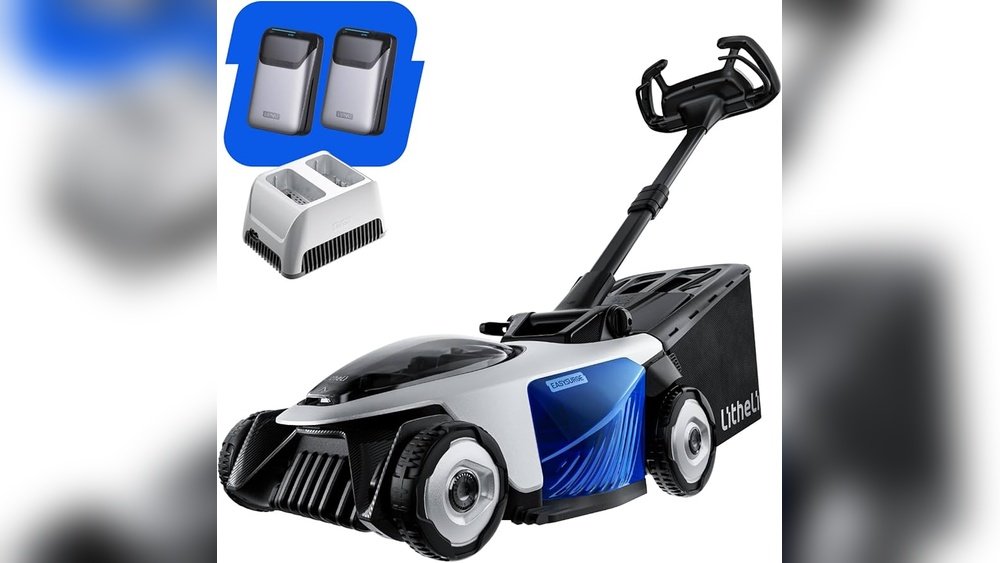
Maintaining a healthy lawn is much easier when your tools work just right. If you own a self-propelled lawn mower, you know how convenient it feels to let the mower do most of the pushing. But sometimes, the self-propel speed doesn’t match your walking pace—it may feel too slow or pull you too fast. This can make mowing tiring or even unsafe. Adjusting the speed is not only about comfort; it also helps you achieve a more even cut and avoids unnecessary wear on your mower.
Many people think adjusting the speed is complex or risky. In fact, with the right guidance and a little patience, you can safely change your mower’s speed at home. This article explains everything you need to know about how to adjust lawn mower self propel speed.
Whether you have a new mower or want to tune an older one, you’ll learn the steps, get practical tips, and find out what mistakes to avoid.
Understanding Self-propelled Lawn Mowers
Before you start adjusting, it helps to know how these mowers work. A self-propelled lawn mower uses a drive system connected to the wheels. When you press the drive handle, the mower moves forward with little effort from you. There are different types:
- Front-wheel drive: Good for flat lawns, easier to turn.
- Rear-wheel drive: Better on slopes or uneven ground.
- All-wheel drive: Designed for tough terrain.
Some models have a single speed, while others offer variable speed control. Knowing which type you have is crucial for adjusting it the right way.
Why Adjust The Speed?
People adjust the self-propel speed for reasons like:
- Matching the mower’s pace to their walking speed.
- Slowing down for thick or wet grass.
- Speeding up on easy, open areas.
- Reducing strain on the drive system.
If your mower moves too quickly, you may miss spots or have trouble controlling it. If it’s too slow, mowing takes longer and feels more tiring.
Safety First: Preparing To Adjust
Never skip safety steps. Even small mistakes can cause injuries or damage. Here’s how to get ready:
- Turn off the mower and disconnect the spark plug wire. This prevents accidental starts.
- If your mower is electric, unplug the battery or power cord.
- Let the mower cool if you just finished mowing.
- Wear gloves to protect your hands from sharp parts.
- Keep your workspace clean and clear.
These simple steps help avoid accidents. Many beginners forget to disconnect the spark plug, which is risky.
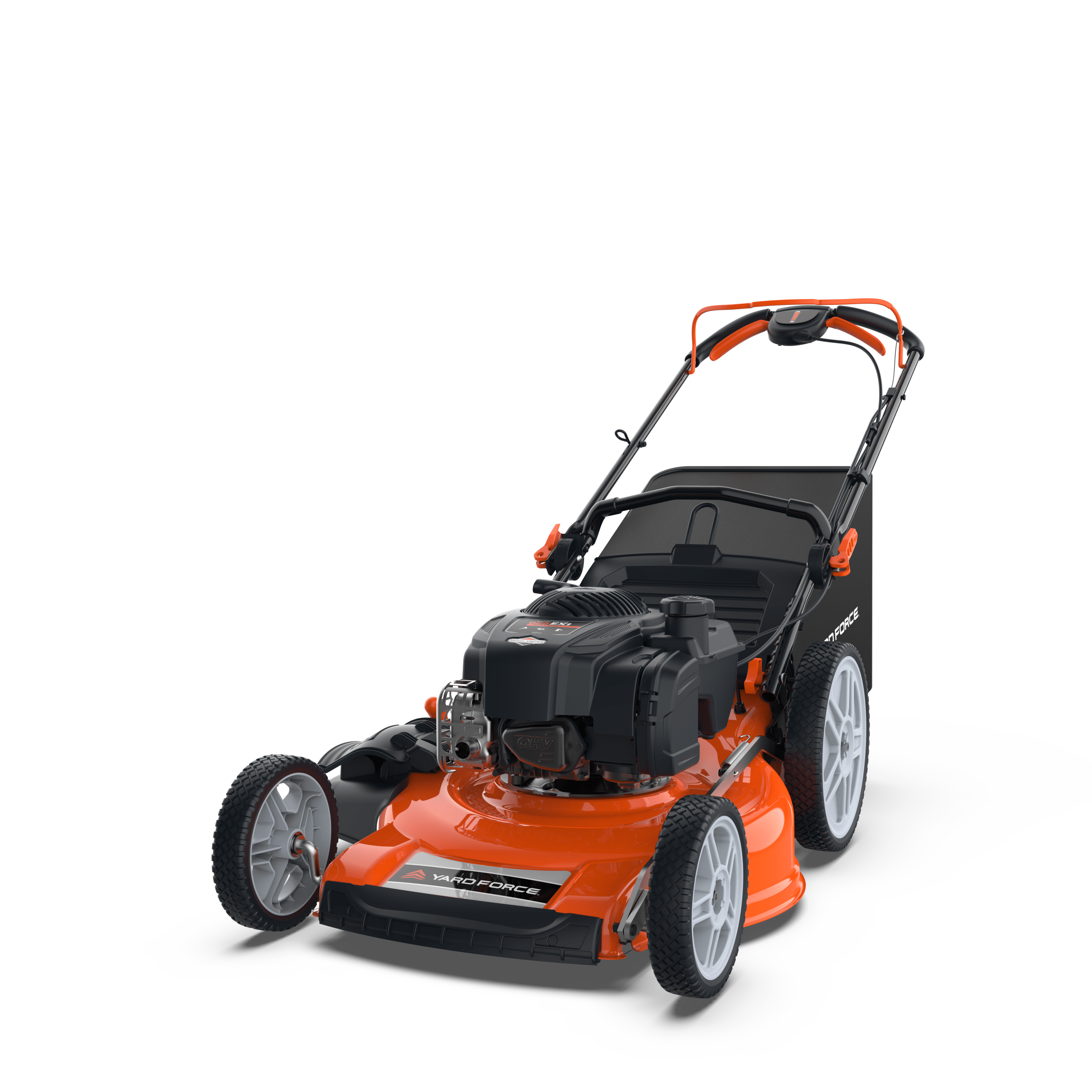
Credit: www.yardforceusa.com
Tools You’ll Need
Most adjustments are simple, but having the right tools makes the job easier. Gather:
- Screwdriver (usually Phillips)
- Wrench set (sizes vary by mower brand)
- Pliers
- Lubricant (like WD-40)
- Owner’s manual (for reference)
Sometimes, you’ll need a specific tool for your mower’s model. If you don’t have the manual, many are available online.
Finding Your Mower’s Speed Control Mechanism
Not all mowers adjust the same way. Here are the most common systems:
- Adjustable drive cable: A cable connects the handle to the drive system. Tightening or loosening changes the speed.
- Speed control lever or knob: Some mowers have a lever or knob you move to change speeds.
- Gear selector: A few models offer preset speeds you can select directly.
Check your mower’s manual to see which type you have.
Example Table: Typical Speed Adjustment Locations
| Mower Brand | Speed Adjustment Type | Location |
|---|---|---|
| Honda | Drive Cable | Near Handle |
| Toro | Speed Lever | Handle Panel |
| Craftsman | Drive Cable | Engine Side |
| Husqvarna | Gear Selector | Front Panel |
How To Adjust Self-propel Speed: Step-by-step
Now, let’s look at how to adjust the speed for the most common types of self-propelled mowers.
1. Adjusting Cable Tension
Many mowers use a drive cable to control speed. Here’s what to do:
- Locate the drive cable. It usually runs from the handle down to the mower’s drive system.
- Find the adjustment nut or knob. This is often near the handle or midway down the cable.
- Loosen the locking nut with a wrench.
- Turn the adjustment nut:
- Tighten (clockwise) to increase speed.
- Loosen (counterclockwise) to decrease speed.
- Test the cable tension by pressing the drive handle a few times. It should move smoothly but feel slightly firm.
- Tighten the locking nut back in place when you’re happy with the tension.
- Reconnect the spark plug and test the mower in a safe, open area.
Insight: Beginners often overtighten the cable, which can wear out the drive belt quickly. Adjust in small steps.
2. Using A Speed Control Lever Or Knob
Some mowers have a speed control lever or knob, usually near the handle. Here’s how to use it:
- Identify the lever or knob. Check the markings (often labeled “slow” and “fast”).
- Move the control to the desired setting.
- Start the mower and test the speed on a flat surface.
- Fine-tune if needed.
Non-obvious tip: Sometimes, dirt or grass buildup can make the lever stiff. Clean it before adjusting.
3. Adjusting A Gear Selector
If your mower has a gear selector, follow these steps:
- Locate the gear selector. Usually on the handle or body.
- Stop the mower before changing gears.
- Shift to a different gear for faster or slower speed.
- Start mowing and see if the new gear matches your pace.
Example: Gear 1 is slowest, gear 3 or 4 is fastest.
4. Fine-tuning For Best Performance
After you adjust, test the mower for at least 5–10 minutes. Watch for:
- The mower moving smoothly at your walking speed.
- No jerking or hesitation when you press the drive handle.
- Even cutting pattern.
If the mower feels too slow or fast, repeat the steps for a small adjustment. Patience pays off—a tiny change can make a big difference.
Data Table: Typical Self-propel Speed Ranges
| Mower Type | Speed Range (mph) | Adjustment Method |
|---|---|---|
| Single Speed | 2.5 – 3.0 | Drive Cable Only |
| Variable Speed | 1.5 – 4.0 | Lever or Knob |
| Multi-Gear | 1.0 – 4.5 | Gear Selector |
Troubleshooting Common Problems
Sometimes, you adjust the speed, but things still don’t work right. Here are common issues and what you can do:
Mower Moves Too Fast
- Check the drive cable. It might be too tight.
- Inspect the drive belt. If worn, the mower may surge forward.
- Look for stuck parts. Debris around wheels can cause problems.
Mower Moves Too Slow
- Cable might be too loose. Tighten slightly.
- Drive belt could be slipping. Replace if old or stretched.
- Wheels may be worn out. Replace if tread is gone.
Drive System Feels Weak
- Lubricate moving parts. Dry or rusty joints reduce power.
- Check for broken springs or gears. These need professional repair.
Expert Insight: Many new users overlook the drive belt. It’s a cheap part but makes a big difference in speed and performance.
When To Replace Parts Instead Of Adjust
If you’ve adjusted everything and speed is still wrong, it may be time to replace parts. Look for:
- Cracked or stretched drive belt
- Frayed drive cable
- Worn wheels
- Damaged speed lever or selector
Replacing these parts can restore your mower’s original performance.
Maintenance Tips To Keep Speed Consistent
Regular care helps avoid problems with self-propel speed. Here’s what to do:
- Clean the mower after each use. Grass buildup can affect moving parts.
- Check the drive cable for fraying or stretching every month.
- Lubricate wheels and joints at least twice per season.
- Inspect the drive belt annually for wear.
- Store the mower indoors to avoid rust and moisture damage.
Bonus tip: Apply a spray lubricant to the cable ends. Many owners miss this step, but it keeps controls working smoothly.
Comparison: Manual Vs. Self-propelled Mowers
Many people wonder if self-propelled mowers are worth the extra care. Here’s a quick comparison:
| Feature | Manual Mower | Self-Propelled Mower |
|---|---|---|
| Physical Effort | High | Low |
| Speed Adjustment | N/A | Yes |
| Maintenance | Low | Medium to High |
| Best For | Small, flat lawns | Medium to large lawns, hills |
Practical Examples And Mistakes To Avoid
Let’s look at two real-world examples:
Example 1:
Maria has a Honda rear-wheel drive mower. She notices the mower is pulling too fast. Following the steps above, she loosens the drive cable slightly. On her test, the mower matches her pace perfectly. She avoids the mistake of over-loosening, which could stop the drive from working.
Example 2:
Jake owns a Toro with a speed control lever. He tries to adjust but forgets to clean the handle first. The lever is stiff and doesn’t work well. After cleaning it, he finds the adjustment much smoother.
Common mistakes to avoid:
- Adjusting without disconnecting the spark plug (safety risk).
- Overtightening the drive cable.
- Ignoring worn belts or cables.
- Forgetting to test the mower after each adjustment.

Credit: www.youtube.com
When To Call A Professional
If you notice grinding noises, burning smells, or if the mower doesn’t move at all, stop and call a repair expert. Electrical issues or deep mechanical problems are best handled by a pro. It’s better to pay for a repair than risk further damage.
Where To Find More Help
Most brands offer detailed manuals and troubleshooting guides online. For example, the Honda Lawn Parts official site has step-by-step videos and diagrams for many models.

Credit: www.youtube.com
Frequently Asked Questions
How Often Should I Adjust My Lawn Mower’s Self-propel Speed?
Most users only need to adjust the speed once per season, or if you notice a change in performance. If you share the mower with family members who walk at different speeds, you might adjust more often.
What If My Mower Doesn’t Have A Speed Adjustment Feature?
Some entry-level or older mowers have a fixed speed. In these cases, you can only tune the drive cable slightly for better response, but you can’t truly change the speed.
Is It Safe To Adjust The Speed Myself?
Yes, as long as you follow safety steps—especially disconnecting the spark plug or battery. If you’re unsure, consult your owner’s manual or ask a local repair shop for advice.
Can Adjusting Speed Improve Cutting Quality?
Absolutely. Matching the mower’s speed to your walking pace helps you cut each blade of grass evenly. Too fast can leave patches uncut; too slow can bog down the motor.
How Do I Know If The Drive Belt Needs Replacing?
If the mower moves slowly even after adjustment, or you hear squealing noises, the drive belt may be stretched or worn. Check for visible cracks or fraying and replace if needed.
Taking the time to adjust your lawn mower self-propel speed makes mowing easier, safer, and more enjoyable. With the right knowledge, you can keep your mower running at your perfect pace, season after season.