
Bagging grass clippings may sound simple, but doing it correctly can make a big difference in your lawn’s health, your yard’s appearance, and even your local environment. Many homeowners struggle with leftover clumps, heavy bags, or messy cleanup. Yet, with some smart strategies and the right tools, anyone can make grass bagging fast, efficient, and eco-friendly.
Bagging is not just about picking up what your mower leaves behind. It’s about preventing lawn diseases, making compost, and even saving money. In this guide, you’ll discover the best ways to bag grass clippings, avoid common mistakes, and use clippings to your advantage.
Whether you’re a beginner or just want better results, these tips can transform how you care for your lawn.
Why Bag Grass Clippings?
Not all lawns need grass clippings bagged every time. But there are moments when bagging makes sense. For example, after mowing very tall grass, during wet seasons, or if your yard has weeds or diseases. Bagging clippings can:
- Keep your lawn neat and free of clumps
- Stop weed seeds from spreading
- Reduce risk of fungal diseases
- Create material for composting or mulch
When you mow regularly and your grass is healthy, leaving clippings on the lawn (known as “grasscycling”) usually helps. But for special cases, bagging is the right move.
Choosing The Best Equipment For Bagging
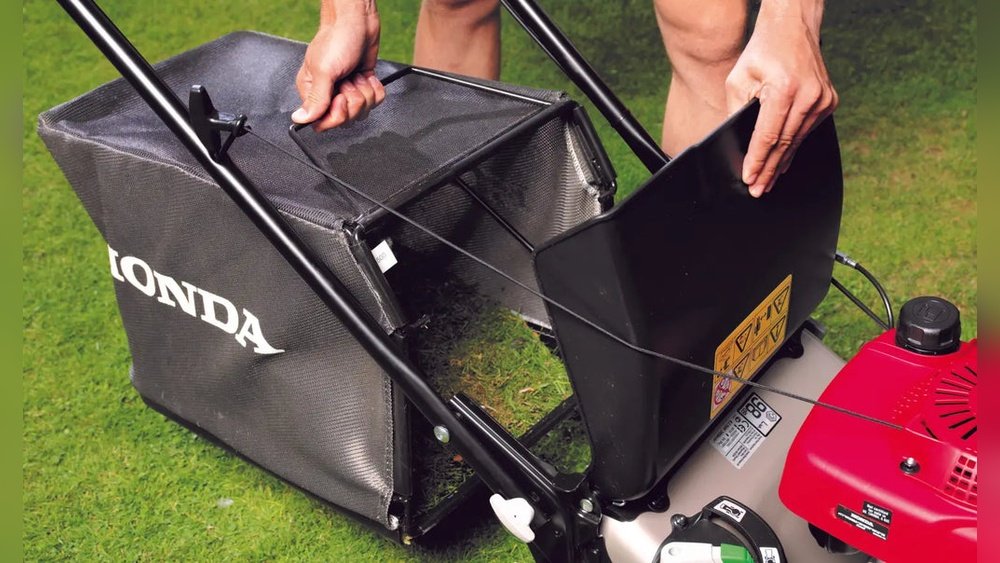
Selecting the proper equipment is the first step to successful grass bagging. The right tools save time and prevent frustration.
| Equipment | Best For | Pros | Cons |
|---|---|---|---|
| Bagging Mower | Routine lawns | Efficient, easy to use | Bag must be emptied often |
| Grass Catcher Attachment | Large lawns | Handles more clippings | Can be heavy |
| Manual Rake & Bagger | Small areas/patches | Precise, cheap | Labor-intensive |
| Leaf Blower/Vacuum | Wet or scattered clippings | Quick cleanup | Noisy, needs power |
Non-obvious tip: Not all mower bags are the same. Some have better airflow, which helps clippings collect without clogging. Check if your mower’s bag is the right size and design for your yard.
Credit: www.troybilt.com
How To Prepare Before Bagging
Preparation saves time and effort. Before you start, consider these steps:
- Check the weather. Avoid mowing wet grass. Wet clippings stick together and can clog your bag or mower chute.
- Sharpen your mower blade. Dull blades tear grass, leaving longer clippings that are harder to bag and can harm the lawn.
- Clear debris. Pick up sticks, leaves, or stones to avoid jamming your mower or damaging the bag.
- Set mower height. Cutting more than one-third of the grass blade at once creates excess clippings. Adjust the height to trim only the top.
Pro insight: If you mow after rain, wait until the grass is dry. Even slightly damp grass makes bagging much harder.
Mowing And Bagging Techniques For Best Results
Bagging as you mow is efficient, but technique matters. Here’s how to maximize results:
- Mow when grass is dry. Dry clippings are lighter and less likely to clump.
- Overlap your mowing lines. This ensures you don’t miss spots and helps the bag fill evenly.
- Empty the bag regularly. An overfilled bag can reduce airflow, leading to clogs and uneven collection.
- Adjust speed. If you move too fast, the mower may not pick up all clippings. Go slower in thick or tall grass.
Dealing With Tough Spots
Some areas of the lawn may be harder to bag, especially where grass is thick or uneven.
- Make a double pass: Go over trouble spots twice to collect all clippings.
- Use a rake for leftovers: After mowing, lightly rake stubborn patches and bag by hand if needed.
Beginner’s mistake: Many people forget to empty the bag when it gets heavy, causing the mower to drop clumps behind. Regularly check and empty the bag before it’s too full.
Credit: www.yourgreenpal.com
Choosing The Right Bags
Not all bags work well for grass clippings. Here’s what to consider:
| Bag Type | Strength | Eco-Friendliness | Best Use |
|---|---|---|---|
| Paper Lawn Bags | Medium | High (biodegradable) | Compost/yard waste pickup |
| Plastic Lawn Bags | High | Low (not compostable) | Heavy/wet clippings |
| Reusable Fabric Bags | Variable | High (reusable) | Home compost/multiple uses |
Eco tip: Most communities prefer biodegradable paper bags for curbside pickup. Always check your local rules before buying bags.
Filling And Handling Bags The Right Way
Bagging isn’t just about stuffing grass inside. Here’s how to fill bags without mess or hassle:
- Set the bag upright. Use a bag stand or a bin to keep it open and steady.
- Shake out the clippings. After emptying the mower, shake clumps apart for more even filling.
- Do not overfill. Bags should be about three-quarters full. Overfilled bags can tear or spill.
- Fold or tie the top. Close bags securely to stop clippings from blowing away.
Lifting And Moving Bags
Grass clippings are heavier than they look, especially if damp. Always lift with your legs, not your back, and use a cart or wheelbarrow for larger loads.
Non-obvious insight: Wet grass can weigh up to four times more than dry grass. For example, a standard paper lawn bag may hold 30-35 pounds of wet clippings—enough to cause injury if lifted incorrectly.
Credit: lawnsavers.com
What To Do With Grass Clippings After Bagging
Bagged clippings can be more than just waste. Here are smart ways to use them:
- Compost them. Grass is a great “green” material for compost piles. Mix with dry leaves or shredded paper for balance.
- Mulch your garden. Spread thin layers of clippings around vegetables or flower beds to keep moisture in and weeds out.
- Curbside pickup. Many cities collect yard waste separately. Use only approved bags and follow pick-up schedules.
- Community drop-off. Some towns offer free yard waste drop-off sites.
Beginner tip: Do not add clippings treated with weed killers or pesticides to compost or garden beds. Chemicals may harm other plants.
Common Mistakes To Avoid
Many people make errors that can hurt their lawn or waste time. Avoid these:
- Bagging every time you mow. Most lawns benefit from leaving clippings to return nutrients, unless there’s disease or excess growth.
- Using the wrong bag. Thin bags can rip, while plastic bags may not be allowed for yard waste collection.
- Ignoring mower maintenance. Clogged or dull mowers leave messy clumps and make bagging harder.
- Mixing trash with clippings. Non-organic material in grass bags can cause problems for composting or pickup.
- Leaving bags in the sun. Grass decomposes quickly and can start to smell. Store filled bags in the shade until collection.
Health And Safety Tips
Bagging grass clippings can be safe and easy, but only if you follow basic precautions:
- Wear gloves to protect hands from sharp grass or hidden debris.
- Wear a mask if you have allergies or mow dusty grass.
- Keep kids and pets away from mower and bags.
- Lift properly to avoid back strain.
- Wash hands after handling clippings, especially if chemicals were used on the lawn.
Lawn Health: Bagging Vs. Mulching
You may wonder if you should always bag, or if mulching is better for your lawn. Here’s a quick comparison:
| Method | Benefits | Drawbacks |
|---|---|---|
| Bagging | Removes weeds, prevents disease, neat look | Removes nutrients, more work |
| Mulching | Returns nutrients, saves time, less waste | Can cause clumps if grass is too long or wet |
Experts recommend mulching most of the time, but bagging in special cases. A mix of both keeps lawns healthy and easy to manage.
Advanced Tips For Easier Bagging
Want to save even more time and effort? Try these advanced tips:
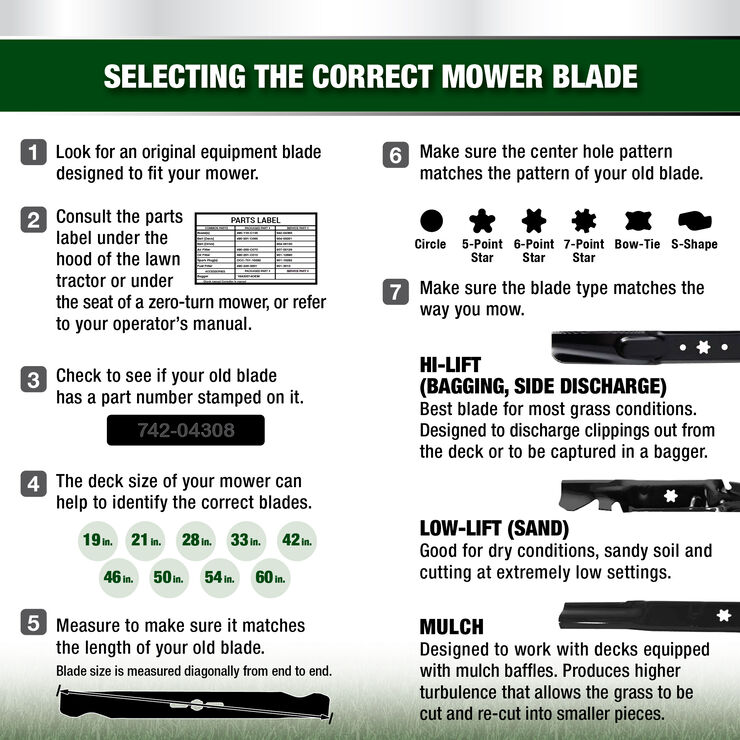
- Use mower blades designed for bagging. Some blades create more lift, helping clippings move into the bag faster.
- Apply a mower chute spray. Lubricant sprays keep wet clippings from sticking.
- Mow in different patterns each week. This prevents grass from leaning one way, making bagging easier and reducing clumps.
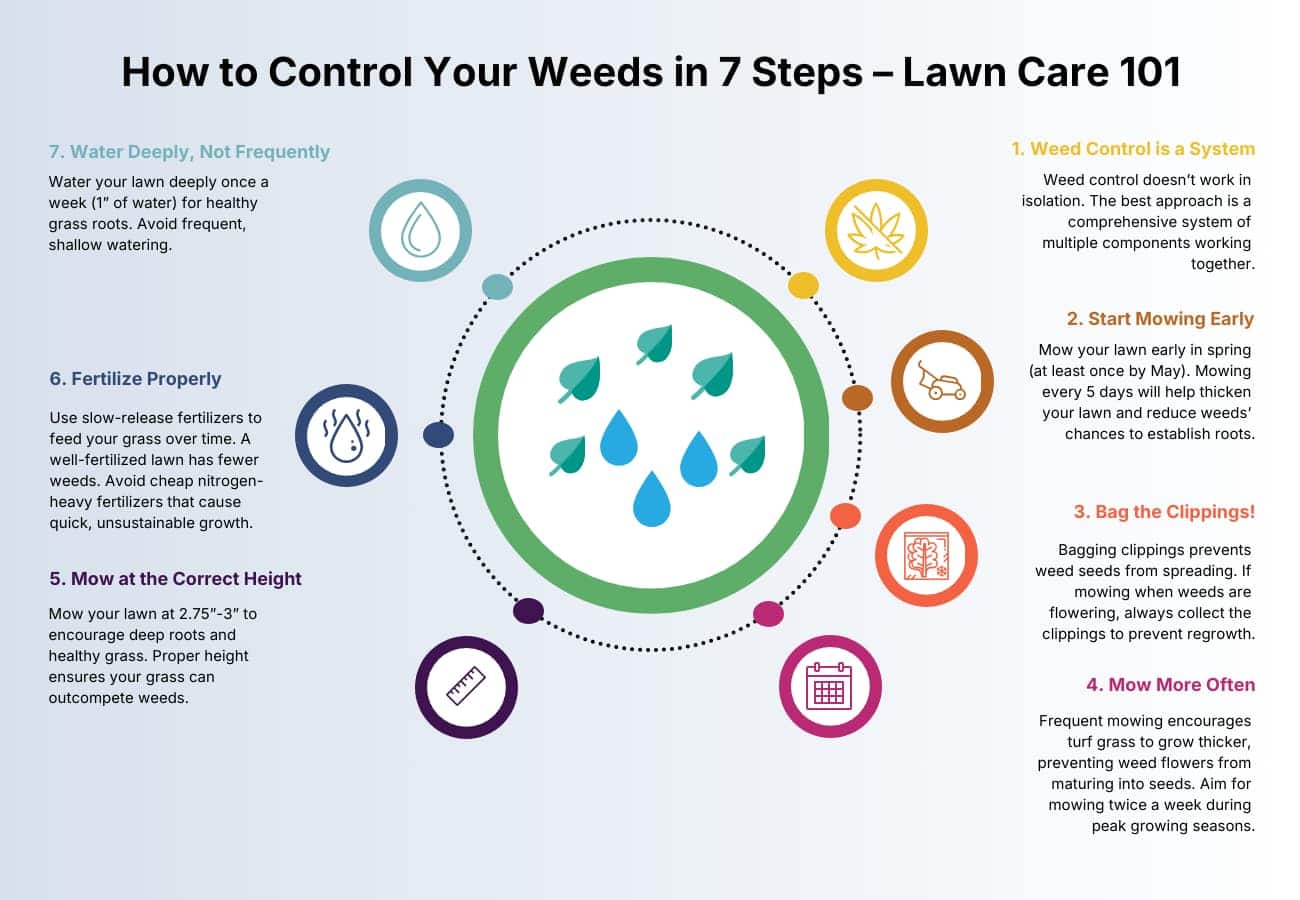
- Schedule mowing. Mow every 5–7 days in the growing season to avoid excess growth that’s hard to bag.
Pro secret: If you have a large lawn, consider a riding mower with a high-capacity bagger. This investment pays off by saving time and energy.
Environmental Impact Of Bagging Grass Clippings
Bagging has a bigger effect on the environment than many people realize. Sending clippings to the landfill can create methane, a powerful greenhouse gas. Composting or mulching is better for the planet. According to the U.S. Environmental Protection Agency (EPA), grass clippings make up about 13% of total yard waste in the U.S. each year (EPA Composting). Choosing eco-friendly bags and composting helps reduce your environmental footprint.
Frequently Asked Questions
What Should I Do If My Mower Bag Keeps Clogging?
Check if you’re mowing wet grass or if the bag is overfilled. Clean the chute and bag between uses, and make sure the blade is sharp. Consider using a chute spray to reduce sticking.
Are Grass Clippings Good For Compost?
Yes, grass clippings are rich in nitrogen and work well in compost piles. Mix them with dry “brown” materials like leaves or cardboard to avoid a soggy pile.
Can I Use Plastic Bags For Grass Clippings?
Plastic bags are strong but usually not accepted for yard waste collection because they are not biodegradable. Use approved paper or reusable bags whenever possible.
How Often Should I Bag Grass Clippings?
Bag only when grass is very long, wet, or diseased. For regular mowing, leave clippings on the lawn to return nutrients unless you see clumps forming.
What If I Have Too Many Clippings For My Compost Pile?
Share with neighbors, use them as mulch, or check if your city offers community composting or yard waste drop-off sites.
Bagging grass clippings the right way takes a bit of planning, but it pays off with a cleaner lawn and a healthier environment. By following these tips, you’ll get professional results with less effort and feel good about how you care for your yard.