
Everyone loves a beautiful lawn. But, pests can ruin it. Lawn pests are annoying and harmful. They can damage grass and plants. Here are some lawn pest control tips to help you.

Credit: luvalawn.com
Identify the Pests
The first step is to identify the pests. Different pests need different treatments. Here are some common lawn pests:
- Grubs
- Chinch Bugs
- Armyworms
- Cutworms
- Sod Webworms
Grubs
Grubs are white, C-shaped larvae. They feed on grass roots. This causes brown patches in your lawn.
Chinch Bugs
Chinch bugs are tiny insects. They suck sap from grass blades. This makes the grass turn yellow and die.
Armyworms
Armyworms are caterpillars. They eat grass blades. They can cause severe damage quickly.
Cutworms
Cutworms are also caterpillars. They cut grass stems at the base. This kills the grass.
Sod Webworms
Sod webworms are small caterpillars. They create silk tunnels in the grass. They eat grass blades at night.
Natural Pest Control Methods
Natural pest control methods are safe. They are good for the environment. Here are some natural pest control tips:
Encourage Beneficial Insects
Beneficial insects eat lawn pests. Examples are ladybugs and lacewings. Plant flowers to attract them.
Use Neem Oil
Neem oil is a natural pesticide. It is safe for people and pets. Spray neem oil on your lawn to kill pests.
Apply Diatomaceous Earth
Diatomaceous earth is a natural powder. It kills pests by drying them out. Sprinkle it on your lawn.
Introduce Nematodes
Nematodes are microscopic worms. They kill lawn pests. You can buy them and release them in your lawn.
Chemical Pest Control Methods
Chemical pest control methods are effective. They can kill pests quickly. Use them carefully. Follow the instructions on the label. Here are some chemical pest control tips:
Use Insecticides
Insecticides kill insects. Use them to control lawn pests. Choose an insecticide that targets the specific pest.
Apply Granular Pesticides
Granular pesticides are easy to apply. They work well for lawn pests. Spread them evenly on your lawn.
Use Liquid Pesticides
Liquid pesticides are effective. They can be sprayed on your lawn. Follow the instructions carefully.
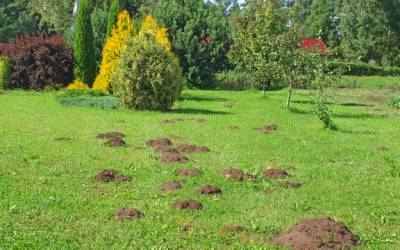
Credit: www.flapest.com
Prevent Lawn Pests
Prevention is better than cure. Here are some tips to prevent lawn pests:
Mow Your Lawn Regularly
Mow your lawn regularly. This keeps the grass healthy. It also makes it harder for pests to hide.
Water Your Lawn Properly
Water your lawn properly. Too much or too little water can attract pests. Water deeply and infrequently.
Fertilize Your Lawn
Fertilize your lawn. This keeps the grass strong and healthy. Healthy grass is less likely to be damaged by pests.
Aerate Your Lawn
Aerate your lawn. This improves soil health. Healthy soil supports healthy grass.
Remove Thatch
Remove thatch from your lawn. Thatch is a layer of dead grass. It can harbor pests. Use a rake to remove it.
Frequently Asked Questions
How To Identify Lawn Pests?
Look for discolored patches, chewed grass, and increased bird activity.
What Are Common Lawn Pests?
Common pests include grubs, chinch bugs, armyworms, and sod webworms.
Best Time To Apply Pest Control?
Apply pest control in early spring or late summer.
How To Prevent Lawn Pests Naturally?
Use beneficial nematodes and maintain healthy soil.
Conclusion
Keeping your lawn pest-free is important. Follow these lawn pest control tips. Identify the pests first. Use natural or chemical methods to control them. Prevent pests by maintaining a healthy lawn. A beautiful lawn is worth the effort.