
Having a beautiful lawn can be a joy. But sometimes, lawn insects can cause problems. These pests can damage your grass and ruin your yard’s look. Here, we will show you how to treat lawn insects.
Identify the Insects
The first step is to identify which insects are in your lawn. Different insects cause different problems. Here are some common lawn insects:
| Insect | Signs | Damage |
|---|---|---|
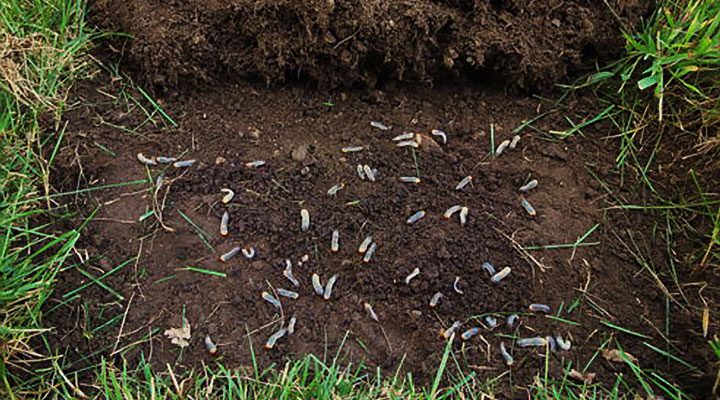
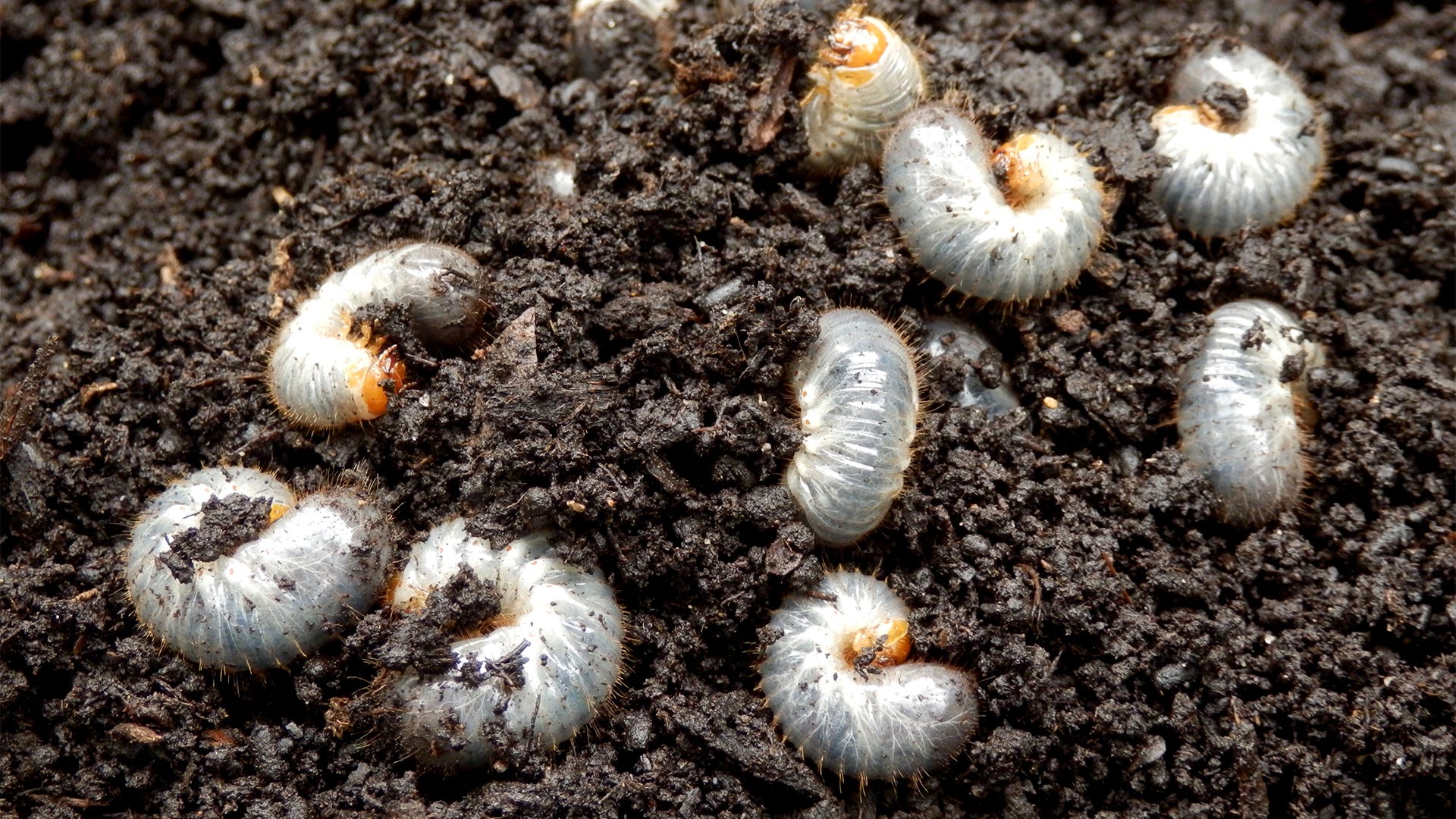
| Grubs | Brown patches | Eat grass roots |
| Chinch Bugs | Yellowing grass | Suck plant juices |
| Armyworms | Chewed grass | Eat grass blades |
| Cutworms | Wilting plants | Cut plant stems |
Natural Treatments
Many people prefer natural treatments. These are safe for kids and pets. Here are some natural ways to treat lawn insects:
Neem Oil
Neem oil is a natural insect repellent. It stops insects from eating your grass. You can mix neem oil with water. Then, spray it on your lawn.
Beneficial Nematodes
Nematodes are tiny worms. They attack and kill lawn pests. You can buy them at garden stores. Mix them with water and spray your lawn.
Diatomaceous Earth
Diatomaceous earth is a natural powder. It kills insects by drying them out. Sprinkle it on your lawn. It works best when the grass is dry.
Credit: safeguardpestcontrol.com.au
Chemical Treatments
Sometimes, natural treatments are not enough. In that case, you can use chemical treatments. Be careful, as these can harm kids and pets. Always follow the instructions on the label.
Insecticide Sprays
Insecticide sprays can kill many types of lawn insects. You can buy them at garden stores. Spray them on your lawn, focusing on the affected areas.
Granular Insecticides
Granular insecticides are small pellets. You spread them on your lawn. They dissolve and kill insects in the soil. Use a spreader for even coverage.
Prevent Future Problems
Once you have treated your lawn, you want to keep it insect-free. Here are some tips to prevent future problems:
Keep Your Lawn Healthy
A healthy lawn is less likely to have insect problems. Water your lawn regularly. Mow it to the right height. Fertilize it as needed.
Aerate Your Lawn
Aeration helps your grass grow strong. It allows air, water, and nutrients to reach the roots. You can use a garden fork or an aerator tool.
Remove Thatch
Thatch is a layer of dead grass. It can harbor insects. Rake your lawn to remove thatch. This helps keep insects away.
Frequently Asked Questions
What Are Common Lawn Insects?
Common lawn insects include grubs, chinch bugs, armyworms, and sod webworms.
How Do I Identify Lawn Insects?
Inspect for brown patches, chewed grass blades, and visible pests.
What Is The Best Treatment For Lawn Grubs?
Use a grub control product with imidacloprid or beneficial nematodes.
How Often Should I Treat For Lawn Insects?
Treat your lawn every season, especially during peak pest times.
Conclusion
Treating lawn insects does not have to be hard. First, identify the insects in your lawn. Then, choose the best treatment method. Natural treatments are safe and effective. Chemical treatments can be used if needed. Finally, keep your lawn healthy to prevent future problems. Follow these steps, and you will have a beautiful, insect-free lawn.
Credit: www.saferbrand.com
FAQs
How Often Should I Treat My Lawn For Insects?
Treat your lawn as soon as you see signs of insects. Regular maintenance can help prevent problems. Check your lawn every few weeks.
Can I Use Both Natural And Chemical Treatments?
Yes, you can. Start with natural treatments. If they are not enough, use chemical treatments. Always follow the instructions on the label.
Are Natural Treatments Safe For Pets?
Most natural treatments are safe for pets. However, always check the label. Keep pets off the lawn until the treatment is dry.
What Is The Best Time To Treat My Lawn?
The best time to treat your lawn is in the early morning or late afternoon. Avoid treating your lawn during the hottest part of the day.
How Can I Tell If My Lawn Is Healthy?
A healthy lawn is green and lush. The grass should be thick and strong. There should be no bare patches or signs of damage.