
Good soil is the foundation of a healthy garden. Learn how to improve your garden soil quality with these easy tips.
1. Understand Your Soil Type
The first step to improving soil quality is knowing your soil type. Soil can be sandy, clayey, or loamy.
- Sandy Soil: Drains quickly but doesn’t hold nutrients.
- Clay Soil: Holds water but can become compacted.
- Loamy Soil: Ideal for most plants. It has a good balance of sand, silt, and clay.
Knowing your soil type helps you choose the right amendments.
2. Test Your Soil
Soil testing helps you understand the nutrient levels and pH of your soil. You can buy a soil test kit or send a sample to a lab.
| Soil Component | Ideal Levels |
|---|---|
| Nitrogen (N) | 20-40 ppm |
| Phosphorus (P) | 10-20 ppm |
| Potassium (K) | 100-200 ppm |
| pH Level | 6.0-7.0 |
Adjust your soil based on the test results. Add nutrients if needed.
3. Add Organic Matter
Organic matter improves soil structure and adds nutrients. Compost, manure, and leaf mold are great choices.
- Compost: Decomposed organic material. It enriches soil and improves drainage.
- Manure: Animal waste. It’s rich in nutrients but should be well-aged.
- Leaf Mold: Decomposed leaves. It improves soil texture and holds moisture.
Mix organic matter into your soil. This creates a healthy environment for plants.
4. Mulch Your Garden
Mulching helps retain soil moisture and reduces weeds. It also adds organic matter as it decomposes.
Use organic mulches like straw, wood chips, or grass clippings. Spread a layer of mulch around your plants.
5. Rotate Your Crops
Crop rotation prevents soil depletion and reduces pests. Different plants use different nutrients.
Rotate crops every season. For example, plant tomatoes in one spot this year and beans in the same spot next year.
6. Use Cover Crops
Cover crops protect and enrich soil during the off-season. They prevent erosion and add organic matter when tilled under.
Good cover crops include clover, rye, and vetch. Plant them in fall and till them into the soil in spring.

Credit: homesteadgardens.com
7. Avoid Soil Compaction
Compacted soil restricts root growth and reduces drainage. Avoid walking on garden beds and use raised beds if possible.
Work the soil when it’s moist but not wet. This prevents compaction and improves soil structure.
8. Water Wisely
Proper watering is crucial for soil health. Overwatering can wash away nutrients and compact the soil.
Water deeply but infrequently. This encourages deep root growth. Use soaker hoses or drip irrigation to water efficiently.
9. Add Lime or Sulfur
Lime and sulfur adjust soil pH. Lime raises pH, making soil less acidic. Sulfur lowers pH, making soil more acidic.
Test your soil pH before adding lime or sulfur. Follow the recommended amounts to avoid over-application.
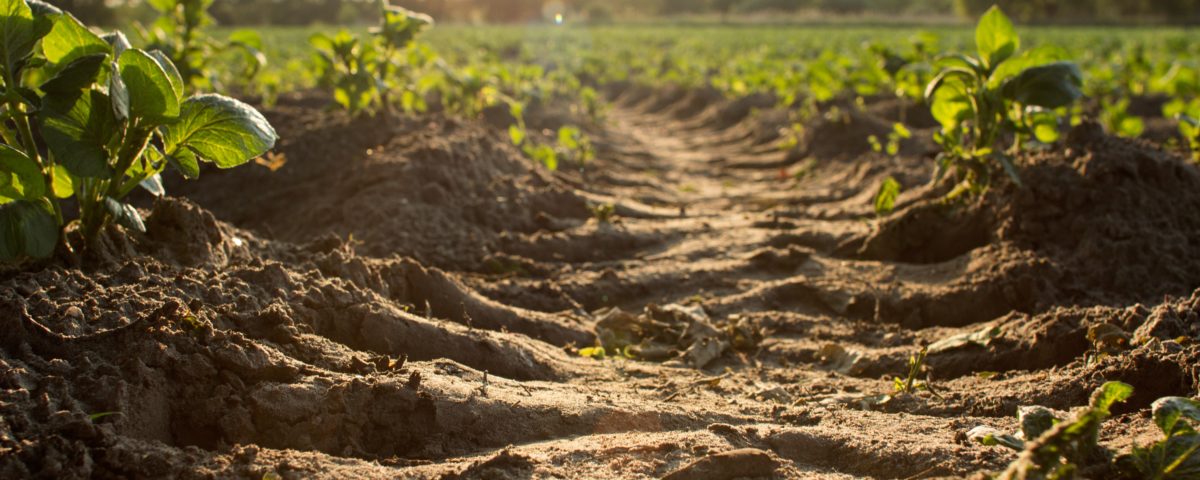
Credit: www.calblendsoils.com
10. Use Fertilizers Wisely
Fertilizers provide essential nutrients but should be used carefully. Overuse can harm plants and soil life.
Choose organic fertilizers like fish emulsion, bone meal, or blood meal. Apply according to package instructions.
Frequently Asked Questions
How To Improve Garden Soil Quality?
Add organic matter, such as compost or mulch, to enrich soil nutrients and boost fertility.
What Is The Best Soil Amendment?
Compost is the best soil amendment. It improves soil structure, provides nutrients, and enhances moisture retention.
How Often Should I Test My Soil?
Test your soil every 2-3 years to monitor pH levels and nutrient content for optimal plant growth.
Can I Use Kitchen Scraps In Soil?
Yes, kitchen scraps like vegetable peels and coffee grounds can be composted to enrich garden soil.
Conclusion
Improving garden soil quality takes time and effort. Follow these tips to create a healthy, productive garden. Your plants will thrive in rich, well-balanced soil.