
Mowing wet grass can be a tricky task. Wet grass tends to be slippery and clogs the mower. But sometimes, you can’t avoid it. So, it’s important to know the best practices for mowing wet grass.
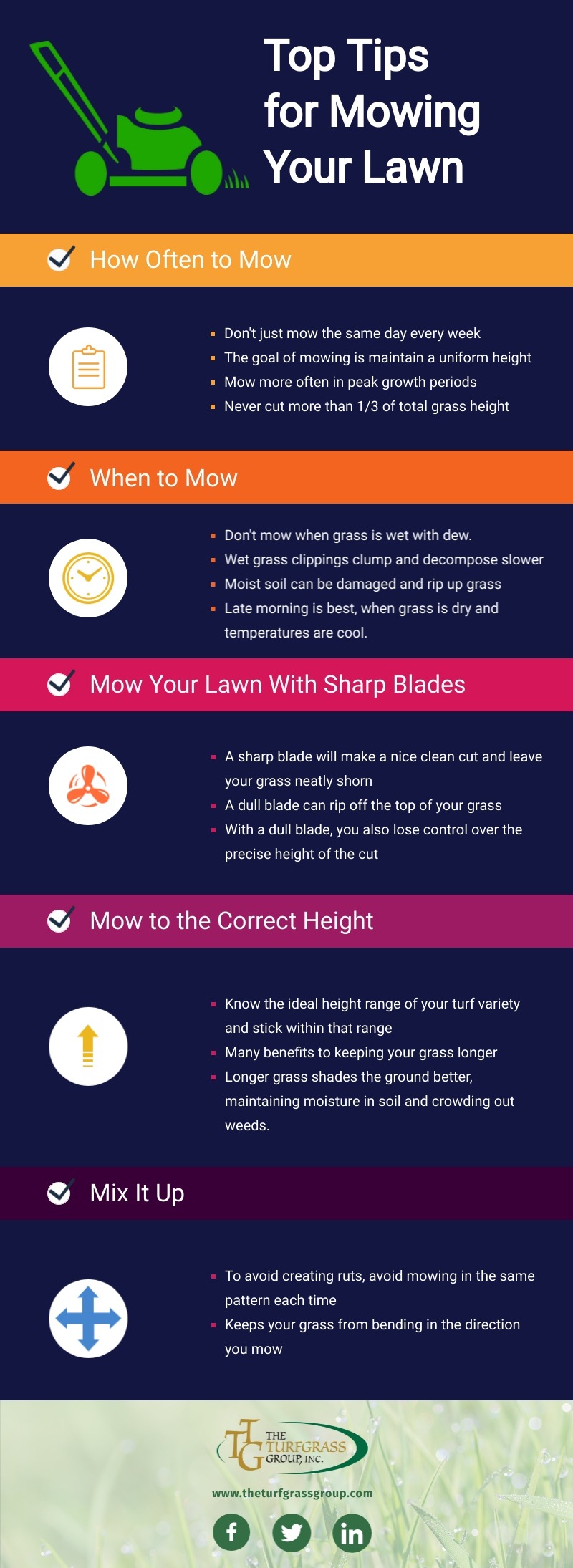
Credit: theturfgrassgroup.com

Credit: www.youtube.com
Why Mowing Wet Grass Is Challenging
Wet grass is heavier than dry grass. This makes it harder for the mower to cut. The wet clippings can also stick to the mower. This can cause clogs and damage your mower.
Potential Issues When Mowing Wet Grass
- Slippery Surface: Wet grass can be slippery, making it hard to get a good grip.
- Clumping: Wet grass tends to clump together and can block the mower’s blades.
- Damage to Mower: The wet clippings can stick to the mower and cause damage over time.
- Uneven Cuts: Wet grass may not stand up straight, leading to uneven cuts.
Best Tools for Mowing Wet Grass
Using the right tools can make a big difference. Here are some tools that can help you mow wet grass more effectively:
- High-Quality Mower: Use a high-quality mower with sharp blades.
- Mulching Blade: A mulching blade can help chop the wet grass into smaller pieces.
- Grass Catcher: A grass catcher can help collect the wet clippings.
- Anti-Clog Spray: Use an anti-clog spray to prevent the grass from sticking to the mower.
Step-by-Step Guide to Mowing Wet Grass
Follow these steps to mow wet grass safely and effectively:
1. Check The Weather
Try to mow when the weather is not too wet. If possible, wait until the grass is just damp, not soaking wet.
2. Inspect Your Mower
Make sure your mower is in good condition. Check the blades, and ensure they are sharp. A sharp blade cuts wet grass more easily.
3. Mow Slowly
Take your time when mowing wet grass. Mow at a slower pace to avoid clogs and uneven cuts.
4. Use The Highest Blade Setting
Set your mower blade to the highest setting. This helps to avoid cutting too much wet grass at once.
5. Clean The Mower Often
Stop and clean the mower blades often. This prevents clogs and keeps the mower working well.
6. Use A Grass Catcher
If your mower has a grass catcher, use it. This helps to collect the wet clippings and keep the lawn clean.
Tips for Keeping Your Lawn Healthy
Here are some tips to keep your lawn healthy, even when mowing wet grass:
- Fertilize Regularly: Use a good fertilizer to keep your grass strong and healthy.
- Water Wisely: Water your lawn early in the morning to allow it to dry during the day.
- Aerate the Soil: Aerate the soil to improve drainage and prevent waterlogging.
- Reseed Bare Spots: Reseed any bare spots to keep your lawn lush and full.
When to Avoid Mowing Wet Grass
Sometimes, it’s best to avoid mowing wet grass altogether. Here are some situations when you should avoid it:
- After Heavy Rain: Avoid mowing right after a heavy rain. The grass will be too wet and heavy.
- In the Morning Dew: Early morning dew can make the grass too wet to mow effectively.
- During High Humidity: High humidity can keep the grass wet for longer periods. Wait for drier conditions.
Frequently Asked Questions
Why Avoid Mowing Wet Grass?
Wet grass clumps, causing uneven cuts and lawn damage.
Can Mowing Wet Grass Damage Your Mower?
Yes, it can clog and damage mower blades.
Is It Safe To Mow Wet Grass?
No, wet grass increases slip risks and mower malfunctions.
Best Time To Mow Wet Grass?
Wait until the grass is dry to mow.
Conclusion
Mowing wet grass can be challenging, but with the right tools and techniques, it can be done safely and effectively. Remember to check the weather, inspect your mower, mow slowly, and clean the mower often. By following these best practices, you can keep your lawn healthy and beautiful, even in wet conditions.
FAQs
1. Can Mowing Wet Grass Damage My Lawn?
Mowing wet grass can cause damage if not done correctly. Use the right tools and techniques to minimize damage.
2. How Often Should I Mow My Lawn?
Mow your lawn regularly, but avoid mowing when the grass is too wet. Aim to mow once a week during the growing season.
3. Can I Use A Regular Mower To Cut Wet Grass?
Yes, but make sure the blades are sharp and clean the mower often to prevent clogs.
4. What Should I Do If My Mower Gets Clogged With Wet Grass?
Stop the mower, turn it off, and clean the blades. Use an anti-clog spray to prevent future clogs.
5. Is It Better To Wait For The Grass To Dry Before Mowing?
Yes, if possible, wait for the grass to dry. This makes mowing easier and reduces the risk of damage.