
Having a green and healthy lawn is a dream for many. The secret to a lush lawn is the right fertilizer. But how do you choose the best lawn fertilizer? This guide will help you make the right choice.
Understanding Lawn Fertilizer
Fertilizer is food for your grass. It contains nutrients that help grass grow strong and green. There are different types of fertilizers. Knowing what each type does can help you choose the best one for your lawn.
Types Of Lawn Fertilizer
There are three main types of lawn fertilizer:
- Granular Fertilizer: This type comes in small pellets. It is easy to spread and lasts longer.
- Liquid Fertilizer: This type is mixed with water. It works quickly but needs to be applied more often.
- Organic Fertilizer: This type is made from natural materials. It is good for the environment and the soil.
Key Nutrients in Lawn Fertilizer
Lawn fertilizers contain three main nutrients. These nutrients are nitrogen (N), phosphorus (P), and potassium (K). Each nutrient helps grass in different ways.
| Nutrient | Role |
|---|---|
| Nitrogen (N) | Makes grass green and helps it grow. |
| Phosphorus (P) | Helps grass roots grow strong. |
| Potassium (K) | Helps grass fight disease and drought. |
Choosing The Right N-p-k Ratio
When you buy fertilizer, you will see numbers on the bag. These numbers show the amount of nitrogen, phosphorus, and potassium. For example, a bag with 10-10-10 has 10% of each nutrient. Choose a ratio based on what your lawn needs.
Soil Testing
Before you choose a fertilizer, test your soil. A soil test tells you what nutrients your lawn needs. You can buy a soil test kit or send a sample to a lab. The results will help you pick the right fertilizer.

Credit: www.youtube.com
When to Fertilize Your Lawn
Timing is important when fertilizing your lawn. The best time to fertilize depends on the type of grass you have.
Cool-season Grasses
These grasses grow best in the spring and fall. Fertilize in early spring and early fall for the best results.
Warm-season Grasses
These grasses grow best in the summer. Fertilize in late spring and early summer for a healthy lawn.
Credit: www.familyhandyman.com
How to Apply Lawn Fertilizer
Applying fertilizer correctly is key. Here are some tips to help you:
- Read the Instructions: Always read the label on the fertilizer bag. Follow the instructions for the best results.
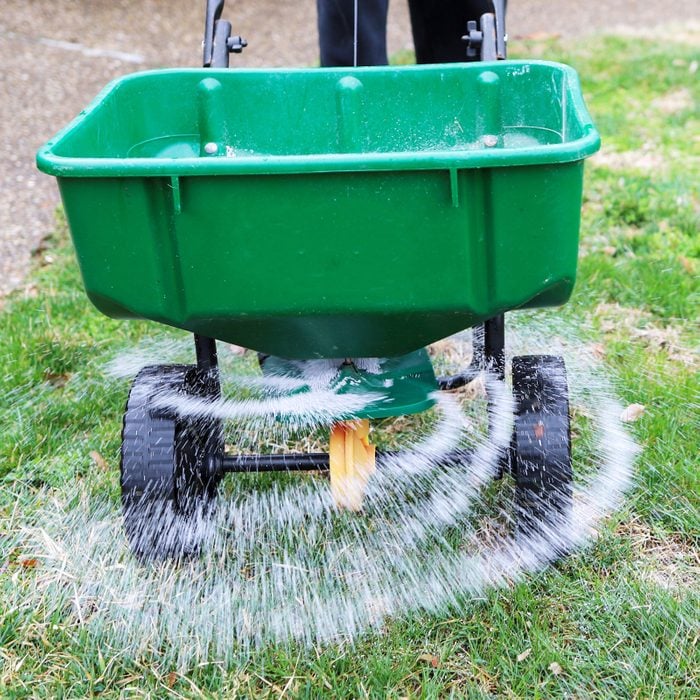
- Use a Spreader: A spreader helps you apply fertilizer evenly. There are two types of spreaders: broadcast and drop spreaders.
- Water Your Lawn: After applying fertilizer, water your lawn. This helps the nutrients soak into the soil.
- Keep It Even: Make sure to spread the fertilizer evenly. Uneven application can cause patches of green and brown grass.
Safety Tips
Fertilizer can be harmful if not used correctly. Follow these safety tips to protect yourself and the environment:
- Wear gloves when handling fertilizer.
- Store fertilizer in a dry, cool place.
- Keep children and pets away from freshly fertilized lawns.
- Do not over-fertilize. Too much fertilizer can harm your lawn and the environment.
Frequently Asked Questions
What Is The Best Lawn Fertilizer?
The best lawn fertilizer depends on your grass type and soil needs. Test your soil to determine the right nutrients.
How Often Should I Fertilize My Lawn?
Fertilize your lawn every 6-8 weeks during the growing season. Adjust frequency based on grass type and local climate.
Can I Use Organic Fertilizers?
Yes, organic fertilizers are eco-friendly and improve soil health. They release nutrients slowly, promoting steady grass growth.
What Nutrients Are Essential In Lawn Fertilizers?
Nitrogen, phosphorus, and potassium are crucial nutrients. They promote green growth, root development, and overall lawn health.
Conclusion
Choosing the right lawn fertilizer is important for a healthy lawn. Understand the different types of fertilizers and their nutrients. Test your soil to know what your lawn needs. Apply the fertilizer at the right time and in the right way. Follow safety tips to protect yourself and the environment. With these steps, you can have a beautiful, green lawn.
Now you know how to choose the best lawn fertilizer. Happy gardening!