
Mulch is a gardener’s best friend. It helps your garden stay healthy and look beautiful. But how do you choose the right mulch? This guide will help you decide.
What is Mulch?
Mulch is a material spread over soil. It helps plants grow better. Mulch can be organic or inorganic.
Organic Mulch
Organic mulch comes from natural sources. It breaks down over time. This adds nutrients to the soil.
- Grass Clippings
- Wood Chips
- Straw
- Leaves
- Compost
Inorganic Mulch
Inorganic mulch does not decompose. It lasts longer than organic mulch.
- Plastic Sheets
- Gravel
- Landscape Fabric
- Rubber Mulch
:strip_icc()/planting-cranesbill-mulch-ground-6ea2bbd5-ed8e5905564f46cab3a11857d0418cdc.jpg)
Credit: www.bhg.com
Benefits of Mulch
Mulch offers many benefits. Here are some key advantages:
- Retains soil moisture
- Prevents weed growth
- Regulates soil temperature
- Improves soil fertility
- Reduces soil erosion
- Enhances garden appearance
Factors to Consider When Choosing Mulch
Not all mulch is the same. Here are some factors to consider:
Type Of Plants
Different plants need different mulch. Flower beds may need different mulch than vegetable gardens.
Climate
Your local climate affects mulch choice. Some mulch types are better for warm climates. Others are better for cooler climates.
Soil Type
Consider your soil type. Some mulch types improve soil structure. Others may not be as effective.
Cost
Mulch prices vary. Choose a mulch that fits your budget.
Availability
Check if the mulch is easy to find in your area. Some mulch types may be hard to get.
Types of Mulch and Their Uses
Here are some popular mulch types and their uses:
Grass Clippings
Grass clippings are easy to find. They are good for vegetable gardens. Do not use grass treated with chemicals.
Wood Chips
Wood chips look nice in flower beds. They decompose slowly. They help improve soil structure.
Straw
Straw is great for vegetable gardens. It helps keep soil moist. It also adds organic matter to the soil.
Leaves
Leaves are free and abundant in fall. They decompose quickly. They add nutrients to the soil.
Compost
Compost is rich in nutrients. It is good for all types of gardens. It improves soil fertility.
Plastic Sheets
Plastic sheets prevent weed growth. They are good for vegetable gardens. They do not add nutrients to the soil.
Gravel
Gravel looks nice in garden paths. It lasts a long time. It does not decompose.
Landscape Fabric
Landscape fabric prevents weeds. It is good for flower beds. It allows water and nutrients to reach the soil.
Rubber Mulch
Rubber mulch is made from recycled tires. It is durable and long-lasting. It is good for playgrounds and garden paths.
How to Apply Mulch
Applying mulch correctly is important. Follow these steps:
- Clear the area of weeds.
- Water the soil thoroughly.
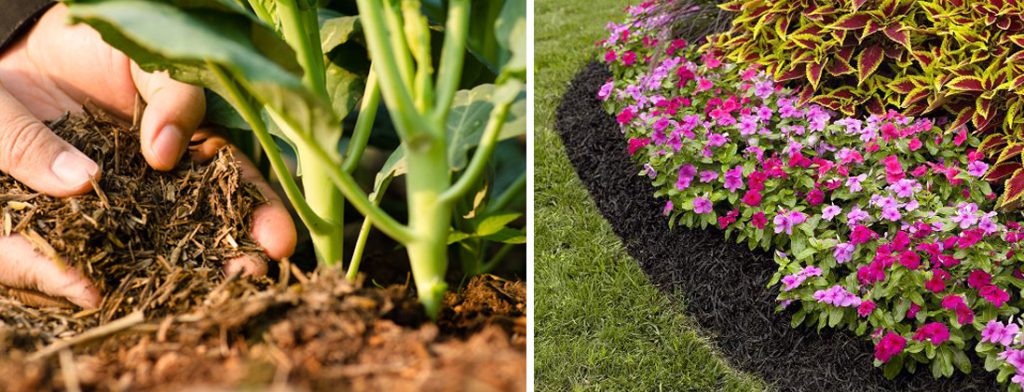
- Spread mulch evenly over the soil.
- Keep mulch away from plant stems.
- Apply mulch 2 to 4 inches thick.
- Reapply mulch as needed.
Credit: www.georgiafrontporch.com
Frequently Asked Questions
What Is The Best Mulch For Gardens?
Organic mulches like wood chips, straw, and compost are ideal for gardens. They enrich the soil as they decompose.
How Often Should I Replace Mulch?
Replace mulch annually. Fresh mulch maintains moisture, controls weeds, and enhances garden aesthetics.
Can Mulch Prevent Weed Growth?
Yes, mulch prevents weed growth. It blocks sunlight, inhibiting weed seed germination and growth.
Is Organic Mulch Better Than Inorganic?
Yes, organic mulch is better. It improves soil health, retains moisture, and enhances plant growth.
Conclusion
Choosing the right mulch can make a big difference in your garden. Consider your plants, climate, soil, and budget. With the right mulch, your garden will thrive.
FAQs
What Is The Best Mulch For Vegetable Gardens?
Grass clippings, straw, and compost are good choices.
How Often Should I Reapply Mulch?
Reapply mulch once or twice a year. Check the mulch regularly.
Can I Use Mulch In Flower Beds?
Yes, wood chips and leaves work well in flower beds.
Is Rubber Mulch Safe For Plants?
Rubber mulch is safe for paths but not ideal for plants.