
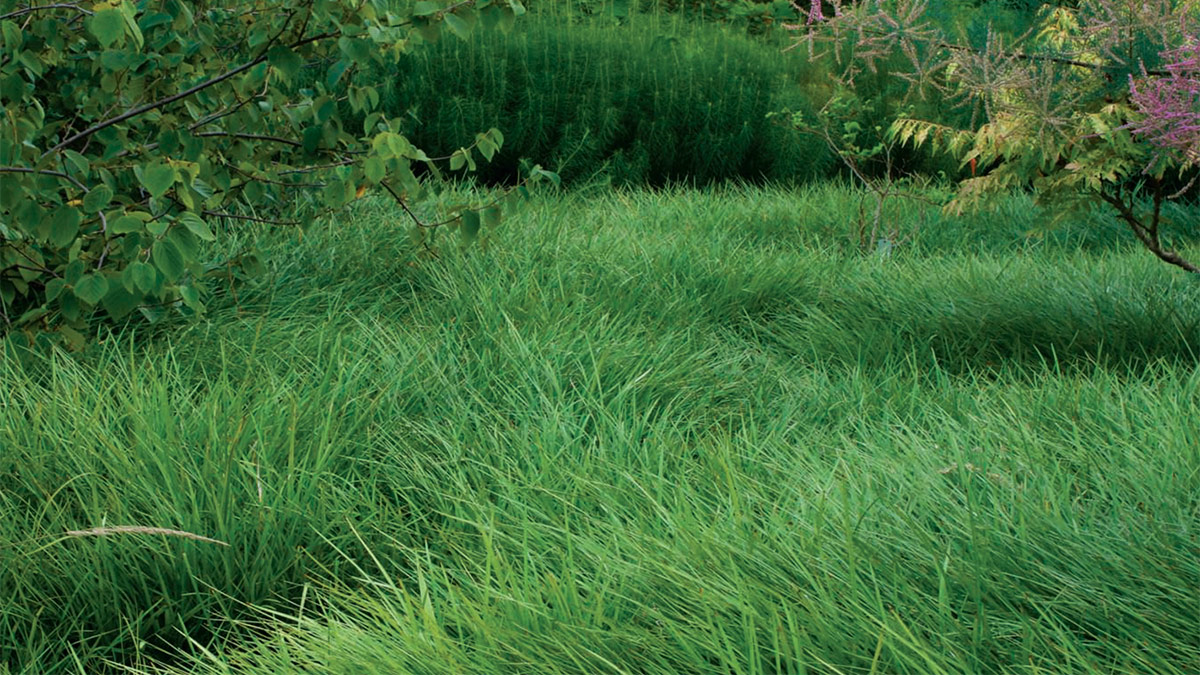
Having a beautiful lawn can be a lot of work. But, you can make it easier. A low-maintenance lawn saves time and effort. Here are steps to create one.
Credit: www.finegardening.com
Choose the Right Grass
The first step is choosing the right grass. Some grasses need less care. Look for drought-resistant types. These grasses need less water.
| Grass Type | Water Needs | Maintenance Level |
|---|---|---|
| Bermuda Grass | Low | Low |
| Zoysia Grass | Low | Low |
| Buffalo Grass | Low | Very Low |
| Fescue Grass | Medium | Low |
Soil Preparation
Good soil is key for a healthy lawn. Test your soil first. You can buy a soil test kit. The test will show if you need to add anything.
- Add compost to improve soil.
- Add lime if soil is too acidic.
- Add sulfur if soil is too alkaline.
Planting the Grass
Next, you need to plant the grass. You can use seeds or sod. Seeds are cheaper but take longer. Sod is quicker but costs more.
Steps To Plant Grass Seeds
- Spread seeds evenly over the soil.
- Cover seeds with a thin layer of soil.
- Water lightly every day until grass sprouts.
- Reduce watering once grass is established.
Steps To Lay Sod
- Clear the area of weeds and debris.
- Level the soil with a rake.
- Lay sod pieces close together.
- Water the sod immediately.
- Keep sod moist until it takes root.
Watering Tips
Watering is crucial for lawn care. But, you don’t need to water every day. Water deeply but less often. This makes roots grow deeper.
How To Water
- Water early in the morning.
- Use a sprinkler for even coverage.
- Water until soil is moist 6 inches deep.
- Water less during rainy seasons.
Mowing the Lawn
Mowing helps keep your lawn healthy. But, cutting too short can harm the grass. Don’t cut more than one-third of the grass height.
Mowing Tips
- Set mower blades to the right height.
- Keep mower blades sharp.
- Don’t mow when grass is wet.
- Mow in different directions each time.

Credit: www.arkaenergy.com
Fertilizing the Lawn
Fertilizing helps grass grow strong. Use slow-release fertilizers. These release nutrients over time. Fertilize twice a year: in spring and fall.
Fertilizing Steps
- Choose a balanced fertilizer.
- Follow the instructions on the package.
- Spread fertilizer evenly over the lawn.
- Water the lawn after fertilizing.
Dealing with Weeds
Weeds can ruin a beautiful lawn. But, you don’t need chemicals. There are natural ways to control weeds.
Weed Control Tips
- Pull weeds by hand regularly.
- Use mulch to prevent weed growth.
- Apply vinegar to kill weeds.
- Keep grass healthy to outcompete weeds.
Additional Tips
Here are some extra tips for a low-maintenance lawn.
- Use native plants to reduce care needs.
- Consider ground covers instead of grass.
- Install a drip irrigation system.
- Reduce lawn size with flower beds or rocks.
Frequently Asked Questions
What Is A Low-maintenance Lawn?
A low-maintenance lawn requires minimal care, such as less mowing, watering, and fertilizing.
How Can I Reduce Lawn Maintenance?
Choose drought-tolerant grass, mow high, and water deeply but infrequently.
What Grass Type Is Low-maintenance?
Buffalo grass and Zoysia grass are excellent low-maintenance options.
How Often Should I Mow A Low-maintenance Lawn?
Mow every two weeks to maintain a healthy, low-maintenance lawn.
Conclusion
Creating a low-maintenance lawn is possible. Choose the right grass, prepare the soil, and follow proper care steps. Your lawn will be beautiful with less work.