
Do you dream of a beautiful lawn? But you don’t want to spend hours maintaining it? You are in the right place! Here, we share tips for creating a low-maintenance lawn.
Choose the Right Grass
The type of grass you choose matters. Some grasses need more care than others. Pick grasses that grow well in your area. They should be drought-resistant and hardy.
Here are some great options:
- Bermuda Grass
- Buffalo Grass
- Zoysia Grass
- Fescue Grass
Proper Soil Preparation
Healthy soil equals a healthy lawn. Test your soil first. This helps you know what nutrients are missing.
Steps to prepare your soil:
- Remove weeds
- Aerate the soil
- Add compost
- Level the ground
Efficient Watering Techniques
Watering can be time-consuming. Use efficient watering techniques to save time.
Tips for efficient watering:
- Water deeply but less often
- Water early in the morning
- Use a sprinkler system
Mow Less Often
Mowing can take a lot of time. Choose a grass type that grows slowly. This means you mow less often.
Follow these mowing tips:
- Set your mower blade high
- Mow when the grass is dry
- Leave the grass clippings
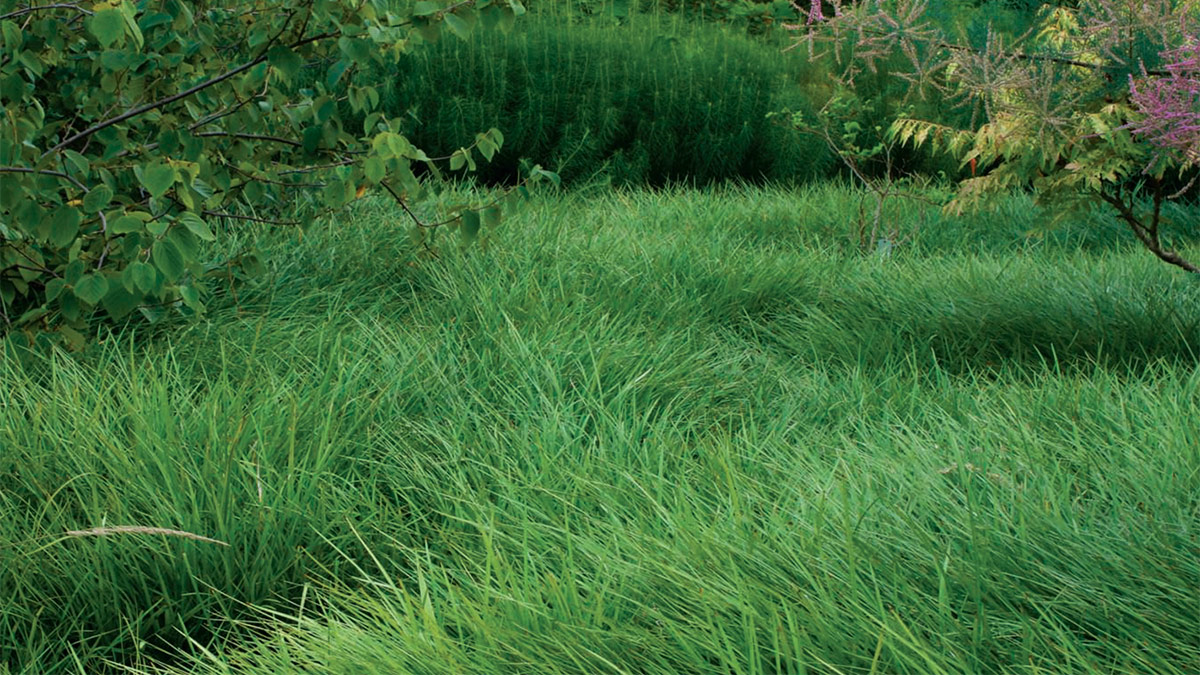
Credit: www.finegardening.com
Reduce Lawn Size
A smaller lawn is easier to maintain. Think about reducing the size of your lawn.
Here are some alternatives:
- Add flower beds
- Plant shrubs
- Create a rock garden
- Install a patio
Use Mulch
Mulch helps keep weeds away. It also keeps the soil moist.
Benefits of using mulch:
- Reduces watering needs
- Prevents weed growth
- Improves soil health
Fertilize Wisely
Fertilizing helps your lawn grow. But too much fertilizer can harm your lawn.
Tips for fertilizing:
- Use slow-release fertilizers
- Fertilize twice a year
- Follow the instructions
Use Ground Covers
Ground covers are plants that spread over the ground. They need less care than grass.
Good ground cover options:
- Clover
- Thyme
- Vinca
- Sedum

Credit: us.gardena.com
Control Weeds Naturally
Weeds can take over your lawn. But you don’t need chemicals to control them.
Natural weed control tips:
- Pull weeds by hand
- Use vinegar spray
- Apply corn gluten meal
Choose Low-Maintenance Plants
Plants add beauty to your lawn. But some plants need a lot of care. Choose low-maintenance plants instead.
Good choices include:
- Lavender
- Yarrow
- Daylilies
- Hostas
Install an Irrigation System
An irrigation system waters your lawn for you. It saves you time and effort.
Benefits of an irrigation system:
- Even watering
- Water-saving
- Convenient
Use Native Plants
Native plants are adapted to your area. They need less water and care.
Benefits of native plants:
- Low water needs
- Resistant to local pests
- Support local wildlife
Summary
Creating a low-maintenance lawn is possible. Choose the right grass and prepare your soil. Use efficient watering techniques and mow less often. Reduce your lawn size and use mulch. Fertilize wisely and use ground covers. Control weeds naturally and choose low-maintenance plants. Install an irrigation system and use native plants. Follow these tips and enjoy a beautiful, low-maintenance lawn.
Frequently Asked Questions
How Can I Reduce Lawn Maintenance?
Opt for drought-resistant grasses and low-maintenance plants. Mulch and irrigate efficiently.
What Are Low-maintenance Lawn Grasses?
Consider fescue, Bermuda, or Zoysia grass. They require less water and mowing.
How Often Should I Water A Low-maintenance Lawn?
Water deeply but infrequently, about once a week. This promotes deep root growth.
Can I Avoid Mowing My Lawn Often?
Yes, choose slow-growing grass varieties and set your mower to a higher setting.