
Maintaining a beautiful lawn is not hard. But, many people make mistakes. These mistakes can harm your lawn. In this article, we will talk about common lawn care mistakes. We will also tell you how to avoid them. This will help you keep your lawn green and healthy.
Credit: www.naturesselect.com
1. Overwatering
Water is important for your lawn. But, too much water can harm it. Overwatering can lead to many problems. These include root rot and disease.
- Signs of Overwatering: Yellow grass, soft soil, and mold.
- Solution: Water your lawn only when needed. Usually, once or twice a week is enough.
2. Underwatering
Underwatering is also bad for your lawn. Grass needs water to grow and stay green. Without enough water, your lawn will turn brown and dry.
- Signs of Underwatering: Dry soil, brown patches, and slow growth.
- Solution: Make sure to water your lawn regularly. Check the soil moisture often.
3. Mowing Too Short
Mowing your lawn too short is a common mistake. Short grass is more likely to get stressed. It can also lead to weed growth.
- Signs of Mowing Too Short: Weak grass, bare spots, and weeds.
- Solution: Set your mower to a higher setting. Do not cut more than one-third of the grass height.
4. Ignoring Soil Health
Healthy soil is the key to a healthy lawn. Many people ignore the health of their soil. This can lead to poor grass growth.
- Signs of Poor Soil Health: Weak grass, poor drainage, and compacted soil.
- Solution: Test your soil regularly. Add nutrients and organic matter if needed.
5. Not Aerating the Lawn
Aeration is important for your lawn. It helps the soil breathe. It also allows water and nutrients to reach the roots.
- Signs of Compacted Soil: Hard soil, poor drainage, and weak grass.
- Solution: Aerate your lawn at least once a year. Use a lawn aerator to make small holes in the soil.
6. Overusing Fertilizer
Fertilizer helps your grass grow. But, too much fertilizer can harm your lawn. It can lead to burning and other problems.
- Signs of Over-Fertilizing: Burned grass, excessive growth, and weak roots.
- Solution: Use fertilizer sparingly. Follow the instructions on the package.
7. Ignoring Weeds
Weeds can take over your lawn. They compete with grass for nutrients and water. Ignoring weeds is a big mistake.
- Signs of Weed Infestation: Unwanted plants, bare spots, and weak grass.
- Solution: Remove weeds as soon as you see them. Use weed control products if needed.
Credit: www.novasackturffarm.com
8. Not Seeding Properly
Seeding helps to fill in bare spots. It also makes your lawn thicker. But, not seeding properly can lead to poor results.
- Signs of Poor Seeding: Bare spots, uneven growth, and weak grass.
- Solution: Use high-quality seeds. Follow the instructions for seeding and watering.
9. Ignoring Pests
Pests can harm your lawn. They eat grass and roots. Ignoring pests can lead to serious damage.
- Signs of Pest Infestation: Chewed grass, bare spots, and weak growth.
- Solution: Check your lawn for pests regularly. Use pest control products if needed.
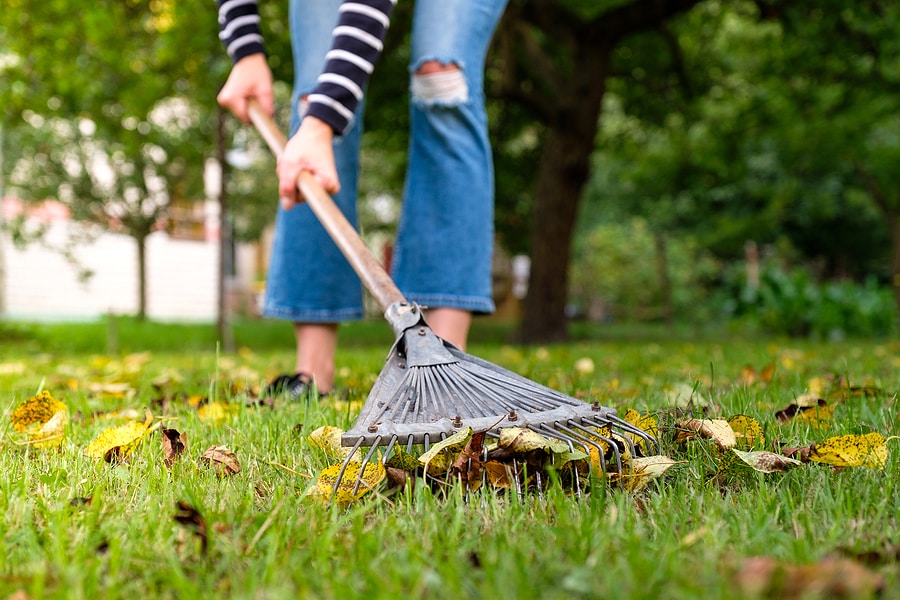
10. Not Raking Leaves
Leaves can smother your grass. They block sunlight and water. Not raking leaves can harm your lawn.
- Signs of Leaf Damage: Yellow grass, mold, and weak growth.
- Solution: Rake leaves regularly. Keep your lawn clear of debris.
Frequently Asked Questions
What Causes Brown Spots On My Lawn?
Brown spots are often caused by overwatering or fungal infections. Ensure proper watering and consider using fungicides.
How Often Should I Mow My Lawn?
Mow your lawn once a week during the growing season. Keep the grass height around 2-3 inches.
Why Is My Lawn Turning Yellow?
Yellowing can result from nutrient deficiencies or overwatering. Test soil and adjust fertilization accordingly.
How Do I Prevent Weed Growth?
Regularly mow, fertilize, and use pre-emergent herbicides. Maintain a thick, healthy lawn to prevent weed establishment.
Conclusion
Avoiding these common lawn care mistakes is easy. Follow the tips in this article. Your lawn will stay healthy and beautiful. Happy lawn care!
| Common Mistake | Solution |
|---|---|
| Overwatering | Water only when needed |
| Underwatering | Water regularly |
| Mowing Too Short | Set mower to higher setting |
| Ignoring Soil Health | Test soil and add nutrients |
| Not Aerating | Aerate once a year |
| Overusing Fertilizer | Use fertilizer sparingly |
| Ignoring Weeds | Remove weeds promptly |
| Not Seeding Properly | Use high-quality seeds |
| Ignoring Pests | Check for pests regularly |
| Not Raking Leaves | Rake leaves regularly |