
Mulching your garden beds is a simple and effective way to keep your garden healthy. Mulch helps retain moisture, suppress weeds, and improve soil quality. In this guide, we will walk you through the steps to mulch your garden beds.
What is Mulch?
Mulch is any material spread over soil to protect and enrich it. It can be organic or inorganic. Organic mulch includes materials like wood chips, straw, and leaves. Inorganic mulch includes materials like plastic and gravel.
:strip_icc()/mulching-mistakes-to-avoid-01-5665061-Primary-2b8a0c7465ff4256aa8394b292ff3b4a.jpg)
Credit: www.bhg.com
Benefits of Mulching
Mulching has many benefits. Here are some of them:
- Moisture Retention: Mulch helps the soil retain water.
- Weed Suppression: Mulch prevents weeds from growing.
- Soil Improvement: Organic mulch breaks down and improves the soil.
- Temperature Regulation: Mulch keeps the soil temperature stable.
- Beauty: Mulch makes your garden look neat and tidy.
Types of Mulch
There are many types of mulch. Here are some common ones:
| Type | Description | Benefits |
|---|---|---|
| Wood Chips | Made from shredded wood | Long-lasting and attractive |
| Straw | Made from dried grass stems | Good for vegetable gardens |
| Leaves | Fallen leaves from trees | Free and nutrient-rich |
| Grass Clippings | Cut grass from your lawn | Rich in nitrogen |
| Plastic | Synthetic plastic sheets | Excellent for weed control |
Steps to Mulch Your Garden Beds
Follow these steps to mulch your garden beds:
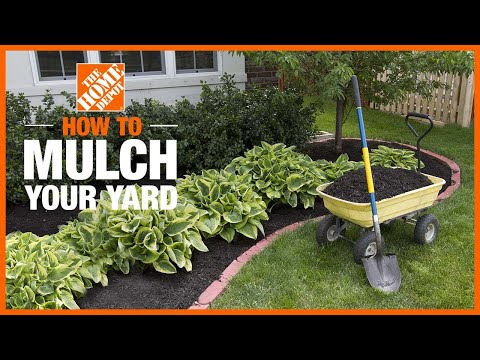
Step 1: Prepare The Area
Remove any existing weeds and debris. Rake the soil to make it smooth. Ensure the soil is moist before you mulch.
Step 2: Choose Your Mulch
Select the type of mulch that best suits your garden. Consider the benefits and the look you want.
Step 3: Apply The Mulch
Spread the mulch evenly over the soil. Use a thick layer, about 2-4 inches. Keep the mulch away from the stems of plants. This prevents rot and disease.
Step 4: Water The Mulch
Water the mulch after applying it. This helps it settle and stay in place.
Step 5: Maintain The Mulch
Check the mulch regularly. Add more mulch as needed. Remove any weeds that grow through the mulch.
Credit: www.homedepot.com
Tips for Effective Mulching
Here are some tips to help you mulch effectively:
- Use organic mulch for flower and vegetable gardens.
- Use inorganic mulch for pathways and playgrounds.
- Don’t use too much mulch. It can suffocate plants.
- Don’t pile mulch against plant stems. It can cause rot.
- Use a mulch that matches your garden’s needs.
Common Mulching Mistakes
Avoid these common mistakes when mulching:
- Using too little mulch.
- Using too much mulch.
- Piling mulch against plant stems.
- Not watering the mulch after applying it.
- Using mulch that is not suitable for your garden.
Frequently Asked Questions
Here are some common questions about mulching:
Q: How Often Should I Mulch My Garden Beds?
A: Mulch your garden beds once or twice a year. Spring and fall are the best times.
Q: Can I Use Fresh Wood Chips As Mulch?
A: Fresh wood chips can harm plants. Use aged wood chips instead.
Q: Is It Okay To Mulch Over Weeds?
A: No, remove weeds before mulching. Mulch prevents new weeds from growing.
Q: Can I Use Grass Clippings As Mulch?
A: Yes, but use them sparingly. Grass clippings can mat and prevent water from reaching the soil.
Frequently Asked Questions
What Is Mulching In Gardening?
Mulching involves covering soil with materials like straw or wood chips to retain moisture and suppress weeds.
When Should I Mulch My Garden Beds?
The best time to mulch is in spring and fall, before extreme temperatures hit.
Which Mulch Is Best For Vegetable Gardens?
Organic mulches like straw, compost, and shredded leaves are great for vegetable gardens.
How Thick Should Mulch Be Applied?
Apply mulch in a 2-4 inch layer to ensure effectiveness and proper soil health.
Conclusion
Mulching your garden beds is an easy and effective way to keep your garden healthy. Follow these steps and tips to mulch your garden beds properly. Happy gardening!