
Keeping your lawn healthy during summer can be challenging. The hot sun can dry out your grass. But with a proper schedule, you can maintain a lush, green lawn. This guide will help you with a summer lawn care schedule.
Credit: stewartslawn.com
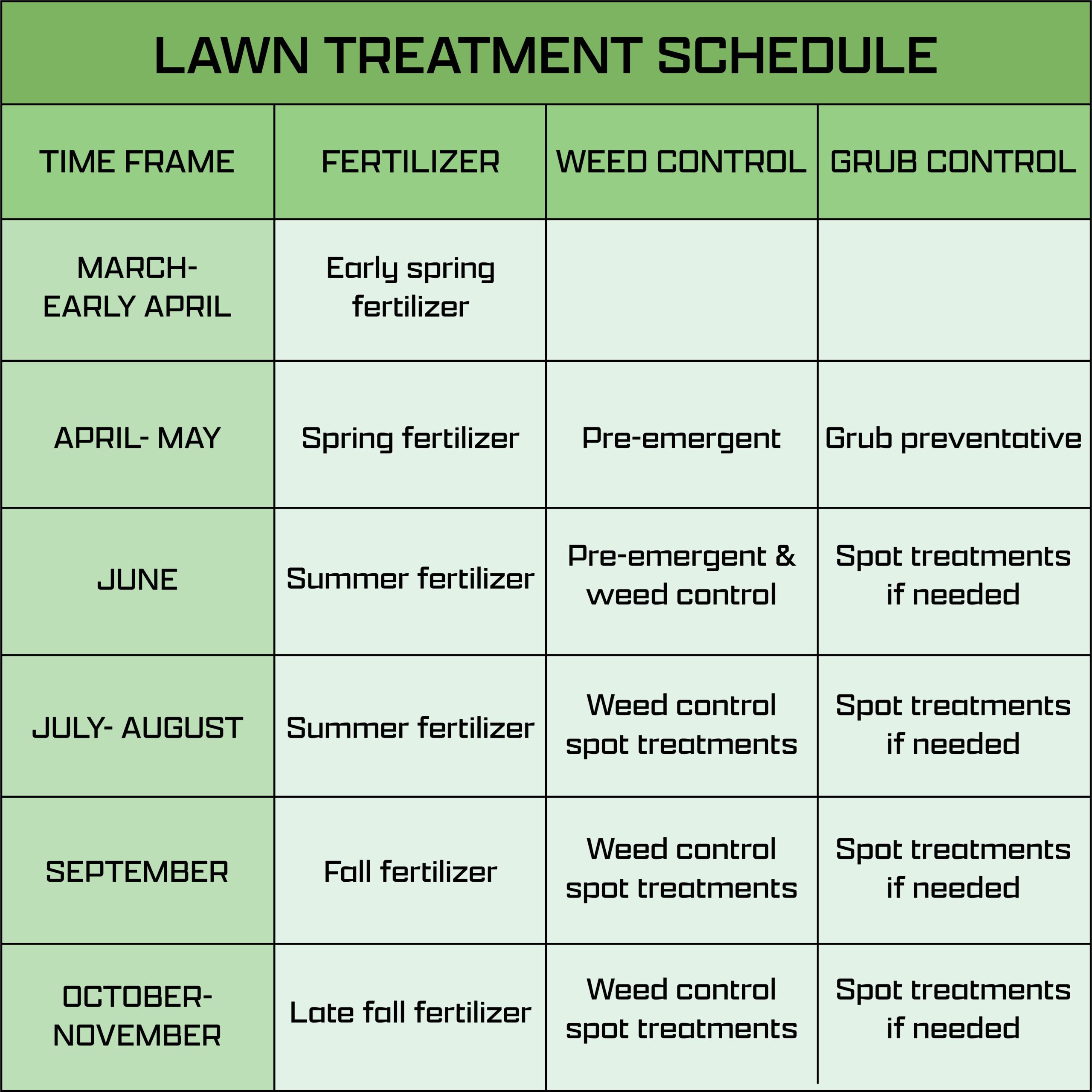
June: Preparing for Summer Heat
June is the start of summer. Your lawn needs a strong start. Here is what you should do:
- Mow Regularly: Keep your grass at 3 inches tall. This height helps the roots grow deep.
- Water Deeply: Water your lawn early in the morning. Aim for 1 inch of water per week.
- Fertilize: Use a slow-release fertilizer. This will give your lawn nutrients over time.
- Weed Control: Remove weeds by hand or use a safe herbicide.
July: Dealing with Heat Stress
July can be very hot. Your lawn needs extra care. Follow these steps:
- Water Wisely: Water your lawn 2-3 times a week. Deep watering is better than frequent shallow watering.
- Avoid Over-Fertilizing: Too much fertilizer can burn your grass. Use it sparingly.
- Mow Higher: Raise your mower blade to 3.5 inches. Taller grass can shade the soil and reduce water loss.
- Pest Control: Check for pests like grubs. Use natural pest control methods if needed.
August: Maintaining Healthy Growth
August is still hot but fall is near. Continue your care routine:
- Keep Watering: Continue to water your lawn deeply. Early morning is the best time.
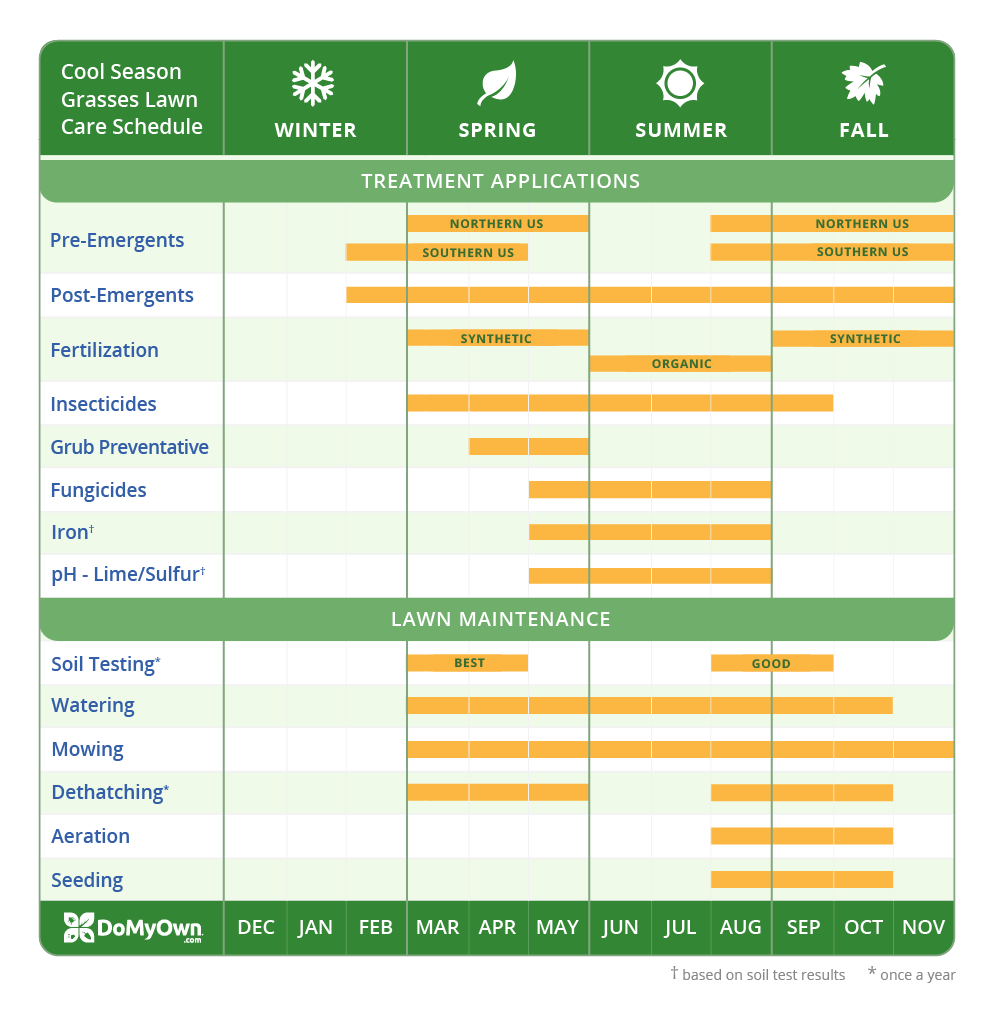
- Aerate the Soil: Aeration helps water and nutrients reach the roots. Use a lawn aerator for this task.
- Overseed: If your lawn has bare spots, overseed them. This will help fill in the gaps.
- Control Thatch: Thatch is a layer of dead grass. Remove it to let your lawn breathe.
Credit: www.domyown.com
Essential Lawn Care Tools
To maintain your lawn, you need the right tools. Here are some essential tools:
| Tool | Purpose |
|---|---|
| Lawn Mower | For cutting grass to the right height. |
| Sprinkler | For watering the lawn evenly. |
| Fertilizer Spreader | For applying fertilizer uniformly. |
| Weeder | For removing weeds manually. |
| Aerator | For aerating the soil. |
Common Lawn Problems and Solutions
Summer can bring some common lawn problems. Here are some and how to fix them:
Brown Patches
Brown patches can be due to heat stress or pests.
- Solution: Water deeply and check for pests.
Weeds
Weeds compete with your grass for nutrients.
- Solution: Remove weeds by hand or use herbicides.
Thatch Buildup
Thatch is a layer of dead grass that can choke your lawn.
- Solution: Dethatch your lawn with a rake or dethatcher.
Dry Spots
Dry spots can appear due to uneven watering.
- Solution: Adjust your sprinkler system for even coverage.
Frequently Asked Questions
What Is The Best Time To Water Grass?
Early morning is the best time to water grass. It allows moisture to reach roots efficiently.
How Often Should I Mow My Lawn?
Mow your lawn every 1-2 weeks during summer. This promotes healthy growth and prevents weed spread.
Can I Fertilize My Lawn In Summer?
Yes, use a slow-release fertilizer. It provides essential nutrients without burning the grass.
How Do I Prevent Lawn Weeds?
Regular mowing and proper watering help prevent weeds. Consider using a pre-emergent herbicide.
Conclusion
Taking care of your lawn in summer is important. With a proper schedule, your lawn can stay healthy and green. Follow the tips in this guide to ensure your lawn thrives all summer long.