
Last updated: October 2026 · Written by the LawnVibe editorial team.
The best digging shovel for most homeowners is a heavy-duty round point shovel with a steel blade, a foot step and a strong handle. Our top pick is the Bully Tools 14-Gauge Round Point Shovel with D-Grip, which combines an all-metal body with a weather-resistant fiberglass handle. For maximum strength in tough soil, the Bully Tools 12-gauge long-handle shovel is thicker still, while the Fiskars 57-inch shovel gives long reach for less bending. If your ground is full of roots, the serrated Root Assassin is the specialist choice.
Our picks are based on manufacturer specifications, Amazon listing details and general landscaping practice, not on hands-on testing. We do not list prices because they change often. For flat-bladed tools used for edging and planting, see our guide to the best garden spade.
Quick Answer
The best digging shovel for most homeowners is a heavy-duty round point shovel with a steel blade, a foot step and a strong handle. Our top pick is the Bully Tools 14-Gauge Round Point Shovel with D-Grip, which combines an all-metal body with a weather-resistant fiberglass handle. For maximum strength in tough soil, the Bully Tools 12-gauge long-handle shovel is thicker still, while the Fiskars 57-inch shovel gives long reach for less bending.
Key takeaways:
- The Bully Tools 14-Gauge Round Point Shovel with D-Grip is the best digging shovel for most homeowners.
- Choose the Bully Tools 12-gauge long handle for heavy work.
- Choose the Fiskars 57-inch for reach.
- Choose the True Temper forged shovel for rocky ground.
Our Top Picks

Bully Tools 14-Gauge Round Point Shovel with D-Grip
Best for: Everyday digging, planting and trenching
An all-metal-body round point shovel with fiberglass handle and D-grip, made for heavy digging and landscaping.
- Heavy-duty steel blade
- D-grip control
- Fiberglass handle resists weather
- Heavier than light garden shovels

Bully Tools 12-Gauge Round Point Shovel, 60-Inch Handle, Made in USA
Best for: Tough soil, roots and big projects
A thicker 12-gauge closed-back steel blade with footstep and a long handle for leverage.
- 12-gauge steel
- Long handle leverage
- Made in USA
- Heavy for long sessions

Fiskars 57-Inch Garden Digging Shovel
Best for: Gardeners who want reach without bending
A welded 14-gauge steel shovel with a long straight handle designed for digging and turning soil.
- Welded steel construction
- Long handle reduces bending
- Straight handle offers less control than D-grip

True Temper Forged Round Point Digging Shovel
Best for: Rocky and compacted ground
A forged steel round point blade with a comfort step and hardwood handle.
- Forged blade strength
- Comfort step
- Wood handle needs care

AMES Razor-Back Round Point Shovel, Fiberglass Handle
Best for: General yard and construction work
A classic contractor-style round point shovel with fiberglass handle.
- Proven design
- Fiberglass handle
- Basic grip

Truper Tru Pro Round-Point Shovel with Extended Socket
Best for: Landscaping on a budget
A round point shovel with an extended socket for a stronger blade-to-handle joint and turned steps.
- Extended socket strength
- Turned steps
- Wood handle
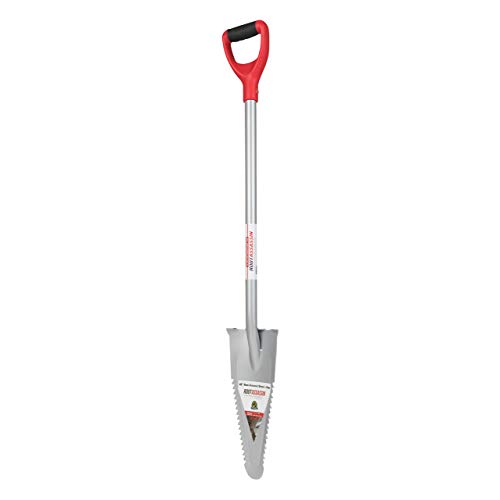
Root Assassin 48-Inch Serrated Shovel/Saw
Best for: Rooty ground and weeds
A carbon steel shovel with serrated edges and a curved tip designed to cut through roots.
- Cuts roots
- Doubles as a saw
- Serrations can catch on rocks

Radius Garden Pro-Lite Floral Shovel
Best for: Flower beds and raised beds
A small carbon steel shovel with fiberglass shaft and ergonomic O-handle for tight spaces.
- Lightweight
- Ergonomic grip
- Too small for big holes
Comparison Table
| # | Product | Best for | Link |
|---|---|---|---|
| 1 | Bully Tools 14-Gauge Round Point Shovel with D-Grip | Everyday digging, planting and trenching | Check price |
| 2 | Bully Tools 12-Gauge Round Point Shovel, 60-Inch Handle, Made in USA | Tough soil, roots and big projects | Check price |
| 3 | Fiskars 57-Inch Garden Digging Shovel | Gardeners who want reach without bending | Check price |
| 4 | True Temper Forged Round Point Digging Shovel | Rocky and compacted ground | Check price |
| 5 | AMES Razor-Back Round Point Shovel, Fiberglass Handle | General yard and construction work | Check price |
| 6 | Truper Tru Pro Round-Point Shovel with Extended Socket | Landscaping on a budget | Check price |
| 7 | Root Assassin 48-Inch Serrated Shovel/Saw | Rooty ground and weeds | Check price |
| 8 | Radius Garden Pro-Lite Floral Shovel | Flower beds and raised beds | Check price |
A Closer Look at Each Pick
Bully Tools 14-gauge D-grip, best overall. Bully Tools builds this shovel with an all-steel body and a fiberglass handle with a D-grip for control. It handles digging, planting and trenching, and the metal construction resists the breakage common with cheaper wooden handles. Check current price on Amazon
Bully Tools 12-gauge long handle, best heavy-duty long handle. Thicker 12-gauge steel and a long handle give extra strength and leverage in heavy soil, roots and rocky ground. It is made in the USA. Expect more weight. Check current price on Amazon
Fiskars 57-inch digging shovel, best long-handle value. A welded 14-gauge steel shovel with a long straight handle that reduces bending when digging deep holes or turning soil. Check current price on Amazon
True Temper forged round point, best forged blade. A forged blade is stronger and less prone to bending than stamped steel, helpful in compacted or rocky ground. The hardwood handle absorbs some shock. Check current price on Amazon
AMES Razor-Back round point, best classic contractor. A long-standing contractor-style design with a fiberglass handle for general yard and construction digging. Check current price on Amazon
Truper Tru Pro with extended socket, best budget heavy-duty. The extended socket reinforces the weakest point of many shovels, the joint between blade and handle, at an accessible price. Check current price on Amazon
Root Assassin serrated, best for roots. Serrated edges and a curved tip help cut through roots and tough weeds. It can also be used like a saw for small roots. Check current price on Amazon
Radius Garden Pro-Lite floral shovel, best compact. A small, lightweight shovel with an ergonomic O-handle for flower beds, raised beds and transplanting in tight spaces. Check current price on Amazon
Shovel vs Spade
A shovel has a curved, usually pointed blade for digging and moving soil, while a spade has a flat, straight edge for slicing and edging. For general digging and moving soil, a round point shovel is more versatile. For more detail, read our comparison of spade vs shovel.
How to Choose the Best Digging Shovel
Blade Shape
Round point blades penetrate soil and roots best. Square blades scoop loose material. Serrated blades cut roots. Trenching shovels have narrow blades for irrigation lines.
Steel Gauge and Construction
Gauge measures thickness; 12-gauge is thicker than 14-gauge. Forged blades are strongest. Closed-back blades resist bending and debris buildup.
Handle Material
Fiberglass resists rot and weather, hardwood absorbs shock, and steel handles are strongest but heaviest. Check the connection between handle and blade; extended or welded sockets last longer.
Handle Length and Grip
Long handles provide leverage for deep digging. D-grips offer control for lifting and precise placement. Taller users benefit from longer handles.
Foot Step
A rolled or turned step lets you push with your foot comfortably and protects your boots.
Weight
Heavier shovels drive into ground more easily but tire you faster. Choose the strongest shovel you can use comfortably.
Best Shovel by Soil Type
| Soil Type | Best Shovel Features | Our Pick |
|---|---|---|
| Heavy clay | Sharp round point, strong blade, step | Bully Tools 14-gauge |
| Rocky ground | Forged or 12-gauge blade | True Temper forged or Bully 12-gauge |
| Rooty areas | Serrated edges | Root Assassin |
| Loose garden soil | Lightweight round point | Fiskars 57-inch |
| Raised beds | Compact shovel | Radius Pro-Lite |
For more on clay, see how to choose the best shovel for digging in clay soil.
Digging Safety
Before digging deep holes or trenches, have underground utilities marked through your local locating service; in the US, call 811. Wear gloves and sturdy boots, lift with your legs and take breaks.
Types of Shovels Explained
| Shovel Type | Blade | Best For |
|---|---|---|
| Round point | Pointed, curved | General digging, planting, clay |
| Square point | Flat front edge | Scooping gravel, sand, leveling |
| Trenching | Narrow, long | Irrigation lines, cables |
| Drain spade | Long, narrow, slightly curved | Deep narrow holes, drainage |
| Serrated | Saw-toothed edges | Roots and tough weeds |
| Transfer or scoop | Wide, deep | Moving loose material, snow |
| Floral or mini | Small, light | Beds, containers, tight spaces |
A round point shovel is the most versatile first purchase for digging.
How to Dig Efficiently With a Shovel
Place the tip on the ground, put your foot on the step and push down using your body weight rather than your arms. Rock the handle back gently to loosen the soil, then bend your knees and lift with your legs. Keep loads small and avoid twisting your back while throwing soil. Moist soil digs much more easily than dry, hard ground, so water heavy clay a day before digging if possible.
Digging Holes for Plants and Trees
For shrubs and trees, dig a hole about two to three times as wide as the root ball and no deeper than the root ball's height, so the plant sits at or slightly above the original soil level. Rough up the sides of the hole in clay to help roots spread. Our guide on how to plant a tree correctly covers the full process.
Digging Trenches
For irrigation lines and small drainage trenches, mark a straight line, cut along it with a round point or trenching shovel, and remove soil in layers. Keep the trench width consistent. Our guide on how to use a shovel for digging a trench for irrigation explains the steps.
Shovel Care and Maintenance
Clean soil off the blade after each use and dry it to prevent rust. Sharpen the edge with a mill file a few times a season; a sharp shovel cuts soil and roots with far less effort. Oil wooden handles once a year with linseed oil and sand any splinters. Store shovels hanging indoors or under cover. See how to sharpen gardening tools at home for filing technique.
When to Use a Post Hole Digger Instead
For fence posts and deep narrow holes, a post hole digger is faster and makes cleaner holes than a shovel. Compare manual options in our guide to the best manual post hole digger.
Shovel Handle Length Guide
A common guideline is that a long straight handle should reach somewhere around your shoulder or chin height when the blade rests on the ground, while D-grip shovels are shorter by design. Taller users often prefer longer handles to reduce bending; shorter users may find long handles unwieldy. Try the length in a store if possible.
Ergonomic Shovels
Some shovels feature bent shafts, secondary grips or O-handles designed to reduce strain. These can help gardeners with back or wrist issues, but the most important ergonomic factor is technique: using your legs, working in small bites and taking breaks.
Who Needs a Heavy-Duty Shovel?
If you dig in clay, rocky soil or root-filled ground, build garden beds, plant trees and shrubs, install fence posts or tackle landscaping projects, a heavy-duty shovel with thick steel and a strong handle joint will save frustration and replacement costs. Occasional gardeners planting annuals in loose soil can choose a lighter, less expensive shovel.
Fiberglass vs Wood vs Steel Handles
Fiberglass handles resist moisture, rot and insects, making them a good choice for tools left outdoors. Wood handles, typically ash or hickory, are comfortable, absorb shock and can be replaced, but can crack or rot if neglected. All-steel shovels are the strongest and nearly unbreakable but heavier and transmit more vibration. Many professionals choose fiberglass for durability and moderate weight.
The Weak Point: Blade-to-Handle Connection
Most shovel failures happen where the blade meets the handle. Look for long sockets, welded or riveted connections and reinforced collars. Avoid using any shovel as a lever to pry out rocks or stumps unless it is built for it, since this is the quickest way to bend a blade or snap a handle.
Digging in Different Seasons
Spring and autumn usually offer the easiest digging conditions, with soil moist but not saturated. Summer soil can be hard and dry, so water the area a day ahead. Avoid digging waterlogged clay, which smears and compacts, and frozen ground, which can damage tools.
Budget vs Premium Shovels
Budget shovels with stamped blades and short collars work for light tasks. Premium shovels with thicker steel, forged blades, reinforced joints and fiberglass handles last longer under heavy use and often come with longer warranties. If you dig regularly, investing in a quality shovel pays off over years.
Storage Tips
Hang shovels on wall hooks or a tool rack to keep blades dry and off the floor. Store them out of direct sun to protect fiberglass and wood handles. A quick wipe with an oily rag before storage helps prevent rust on carbon steel blades.
Shovels for Specific Projects
For planting a vegetable garden, a lightweight round point shovel and a spade cover most needs. For landscaping with gravel and stone, add a square shovel. For fencing, combine a round point shovel with a post hole digger. For clearing roots, a serrated shovel and loppers work together. For raised beds and containers, a compact floral shovel is easier to maneuver.
Quick Buying Checklist
Choose a round point blade for digging. Check steel gauge or forging for strength. Look for a reinforced blade-to-handle joint. Pick fiberglass for weather resistance or wood for comfort. Match handle length and grip to your height and tasks. Make sure there is a foot step. Consider weight and your stamina.
Teaching Kids to Dig Safely
If children help in the garden, give them a smaller shovel and show them how to keep the blade low, never swing tools and store them properly after use.
Common Mistakes When Buying a Digging Shovel
Common mistakes include buying a square shovel for digging, choosing a thin stamped blade for rocky soil, ignoring the blade-to-handle connection, picking the wrong handle length and using a shovel as a pry bar.
The Bottom Line on the Best Digging Shovel
The Bully Tools 14-Gauge Round Point Shovel with D-Grip is the best digging shovel for most homeowners. Choose the Bully Tools 12-gauge long handle for heavy work, the Fiskars 57-inch for reach, the True Temper forged shovel for rocky ground, the AMES Razor-Back for classic contractor use, the Truper for budget durability, the Root Assassin for roots and the Radius Pro-Lite for tight spaces.
More Questions People Ask
What shovel do landscapers use?
Many landscapers use heavy-duty round point shovels with thick steel blades and fiberglass handles, plus square and trenching shovels for specific tasks.
Is a fiberglass handle better than wood?
Fiberglass resists rot and weather and is very durable; wood absorbs shock and is comfortable. Both work well with proper care.
What is the best shovel for digging in hard clay?
A sharp, strong round point shovel with a foot step, or a forged blade, works best. Moistening clay the day before helps.
How do I keep my shovel sharp?
File the edge at a shallow angle with a mill file a few times per season and clean the blade after each use.
Frequently Asked Questions
What is the best digging shovel?
For most people, a heavy-duty round point shovel with a steel blade, foot step and strong handle, such as the Bully Tools 14-gauge D-grip shovel, is the best all-round digging shovel.
Is a round point or square shovel better for digging?
A round point shovel is better for digging because its pointed tip penetrates soil, clay and roots. Square shovels are better for scooping loose material from flat surfaces.
Should I get a long handle or D-grip shovel?
Long handles give leverage and reduce bending, good for deep holes. D-grip handles give control for precise digging and lifting, good for planting and trenches.
What gauge steel is best for a shovel?
Lower gauge numbers mean thicker steel. 12-gauge is heavier and stronger than 14-gauge, which is lighter but still sturdy for most homeowners.
What is the best shovel for digging through roots?
A serrated shovel such as the Root Assassin, or a sharp heavy-duty round point shovel, cuts roots more easily. Use loppers or a saw for thick roots.