

Last updated: October 2026 · Written by the LawnVibe editorial team.
Every fence, deck, mailbox and pergola starts with a hole, and a good post hole digger makes the difference between a quick afternoon and a sore back. Manual clamshell diggers remain the go-to tool for most homeowners: they are inexpensive, precise, quiet and dig neat, narrow holes that use less concrete. Choosing the best manual post hole digger depends on your soil, how many holes you need, and how deep they must go. This guide compares manual diggers and explains how to dig straight, clean holes in every type of soil.
Our picks are based on published product information and standard post-setting practice, not on hands-on testing. If you have dozens of holes to dig, also compare our guide to the best electric post hole digger.
Our Top Picks
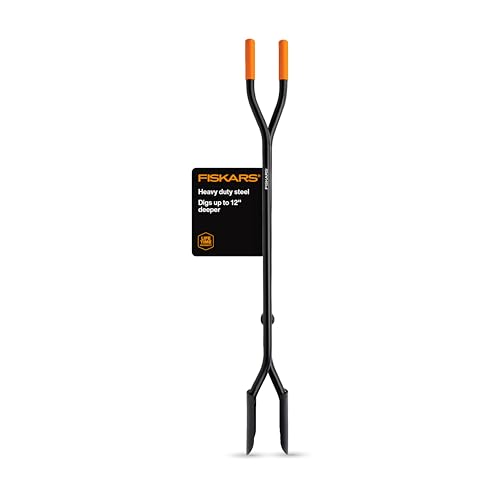
Fiskars 60" Steel Post Hole Digger
Best for: Most fence, mailbox and deck post holes
A long-handled clamshell digger with steel handles and steel blades, designed for cutting through tough soil and lifting it out of narrow holes. The 60-inch length gives leverage for deeper holes.
- All-steel construction
- Long handles for leverage
- Trusted tool brand
- Heavier than fiberglass models
- Rocky soil still needs a digging bar

Heavy-Duty Dual-Blade Post Hole Digger
Best for: Clay and compacted soil
A clamshell digger with two sharpened carbon steel spade heads, built for biting into firm, compacted soil.
- Sharpened dual blades
- Heavy-duty build
- Good value
- Heavier to lift repeatedly
- Check handle length for deep holes
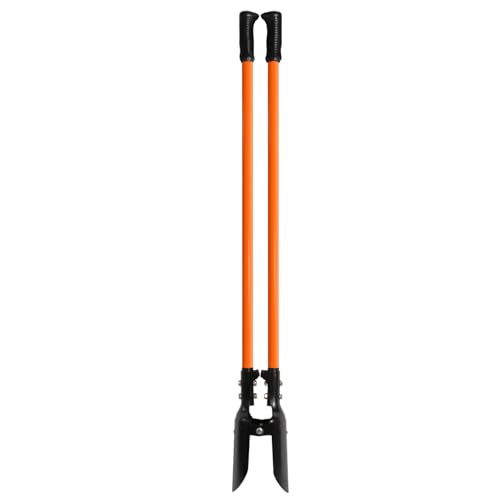
Nohovu Heavy-Duty Post Hole Digger
Best for: Occasional DIY projects
A manual digger with carbon steel blades that resist bending, suitable for occasional fence repairs, mailbox posts and planting holes.
- Carbon steel blades
- Lighter for occasional use
- Affordable
- Less leverage than 60-inch models
- Not for very rocky ground
Comparison Table
| # | Product | Best for | Link |
|---|---|---|---|
| 1 | Fiskars 60″ Steel Post Hole Digger | Most fence, mailbox and deck post holes | Check price |
| 2 | Heavy-Duty Dual-Blade Post Hole Digger | Clay and compacted soil | Check price |
| 3 | Nohovu Heavy-Duty Post Hole Digger | Occasional DIY projects | Check price |
A Closer Look at Each Pick
Fiskars 60" steel digger, best overall. Long steel handles give leverage for deep holes and lift heavy soil without flexing. It is a dependable choice for fence and deck projects.
Heavy-duty dual-blade digger. Sharpened carbon steel blades bite into compacted soil and clay. It is a good value option if your ground is firm.
Nohovu post hole digger. A lighter tool for occasional jobs such as replacing a mailbox post or digging a few planting holes.
How a Clamshell Digger Works
A clamshell digger has two long handles connected by a hinge to two curved blades. You hold the handles together, drive the blades into the soil, then pull the handles apart. This closes the blades around a plug of soil, which you lift out of the hole. Repeating the process digs a narrow, straight-sided hole slightly wider than the blades.
How to Choose a Manual Post Hole Digger
Handle length
Longer handles dig deeper holes and give more leverage, but are heavier. For fence posts set 2 to 3 feet deep, handles of around 48 to 60 inches work well.
Handle material
Steel handles are strongest but heaviest. Fiberglass handles are lighter and absorb shock. Wood handles are traditional and comfortable but can crack.
Blade material and shape
Thick, sharpened steel blades cut through roots and compacted soil. Blades that open wide enough to grip soil firmly and release it easily save effort.
Grips
Cushioned grips reduce blisters and vibration. Grips shaped to keep knuckles from banging together when the handles are opened are a welcome detail.
Weight
Heavier diggers use their weight to cut into the soil, but are tiring to lift dozens of times. Match the weight to your strength and soil.
How to Dig a Post Hole Step by Step
1. Call before you dig. Contact 811 a few days ahead so buried utilities are marked.
2. Mark the hole. Use a stake or spray paint and a string line so holes are aligned.
3. Cut the sod. Use a spade to cut and remove a square of sod. Save it to patch around the post later.
4. Loosen hard soil. In clay or compacted soil, break the surface with a digging bar.
5. Dig. Drive the blades in, spread the handles, lift the soil out and dump it on a tarp. Repeat, rotating your position slightly so the hole stays round.
6. Check depth and width. Measure often with a tape. Holes for concrete-set posts are usually about three times the post's width.
7. Add gravel. Put a few inches of gravel in the bottom for drainage, and tamp it firm; our guide on how to use a tamper explains how.
Digging in Different Soils
Loam and sandy soil. Digging is easy, but sandy holes can collapse; work quickly and set posts promptly.
Clay. Soak the area the day before, use a digging bar to break the clay, and lift small amounts. Knock clay off the blades often.
Rocky soil. A digging bar is essential to loosen and pry rocks. Expect slower progress, and consider renting a power auger with a rock bit for many holes.
Roots. Cut small roots with the digger blades or a pruning saw. Avoid cutting large roots of valuable trees.
Manual Digger vs Power Auger
Manual diggers are inexpensive, quiet, precise and need no fuel. Power augers dig faster in suitable soil but are heavy, can kick when they hit rocks or roots, and still require cleanup with a manual digger. For a handful of holes, manual wins. For a long fence line, many people rent an auger for the bulk of the digging and use a clamshell digger to clean out and finish holes.
Tools That Work With a Post Hole Digger
Digging bar. A heavy steel bar with a chisel or pointed end breaks up clay, compacted soil and rocks so the clamshell can lift the loosened material. It is the single most useful companion tool.
Spade or shovel. For cutting sod and starting the hole.
Tarp or wheelbarrow. Keeps excavated soil off the lawn and makes cleanup easy.
Tape measure and level. For checking depth and keeping posts plumb.
Tamping bar. For compacting gravel and soil around posts.
Post level. A magnetic or strap-on post level frees your hands while setting posts.
How Wide Should a Post Hole Be?
For posts set in concrete, holes are commonly about three times the width of the post; a 4-inch post might use a 10- to 12-inch hole. Terminal and gate posts on fences need wider holes than line posts. Wider is not always better, because it uses more concrete without adding much strength. Clamshell diggers naturally dig holes slightly wider than their blades, so choose a digger with blades sized for your posts.
Frost Line and Post Depth
In cold climates, posts should be set below the frost line so freezing and thawing soil does not heave them out of the ground over time. Frost depth varies widely, from a few inches in the South to several feet in northern states. Your local building department can tell you the frost depth for your area, and many deck and fence codes specify minimum footing depths.
Safety Tips
Wear sturdy boots and gloves, lift with your legs, and take breaks; repetitive lifting is hard on the back. Keep fingers away from the hinge when closing the handles. Mark open holes or cover them so no one steps in, especially children and pets. Never dig without having utilities marked.
Maintaining Your Digger
Clean soil off the blades after use and dry them to prevent rust. Wipe steel blades with a light coat of oil before storage. Check that the hinge bolt is tight. Sharpen dull blades with a file to keep them cutting cleanly through roots and compacted soil. Store the digger hanging or upright in a dry place.
Projects That Need a Post Hole Digger
Fences. Wood, vinyl and chain link fences all need evenly spaced, consistently deep holes. Plan the full layout with string lines before digging the first hole.
Decks and porches. Footing holes for deck posts must meet local code for depth and diameter, and often need inspection before concrete is poured.
Mailboxes and signs. A single hole about 2 feet deep is typical; many local postal guidelines specify mailbox height and distance from the curb.
Pergolas and arbors. Heavier structures need deeper, wider footings, especially in windy areas.
Planting. Narrow, deep holes suit bulbs, small shrubs and tree stakes.
Digging Tips That Save Time
Dig when the soil is slightly moist rather than bone dry or saturated. Keep the hole walls straight by holding the handles vertical as you drive the blades. Rotate a quarter turn between bites so the hole stays round. Empty soil onto a tarp so backfilling and cleanup are easy. If the digger starts slipping on hard layers, switch to the digging bar for a few strikes, then resume with the clamshell.
How Many Holes Can You Dig in a Day?
It depends heavily on soil. In loose loam, a homeowner might dig many holes in a day with a manual digger. In heavy clay or rocky ground, a single deep hole can take a long time. For long fence lines in hard soil, combining a rented power auger with a manual digger for cleanup is often the best plan.
Backfilling Without Concrete
For some posts, tamped gravel and soil work instead of concrete. Add a few inches at a time and tamp each layer firmly, checking plumb as you go.
Storing Excavated Soil
Keep excavated soil on a tarp beside each hole so you can reuse it for backfilling and leave the lawn clean.
Renting vs Buying
Manual diggers are inexpensive to buy and useful for years of small projects. Power augers are often better rented for a weekend unless you dig holes frequently.
Common Mistakes
Digging without calling 811. Holes that are too shallow or not below the frost line. Holes much wider than needed, wasting concrete. Skipping the gravel base. Letting soil fall back into the hole before setting the post. Failing to check alignment with a string line until several holes are dug.
Setting the Post
Place the post on the gravel base, check it for plumb on two sides with a level, and brace it. Fill with concrete or tamped soil and gravel as your project requires, crowning concrete at the top so water runs away from the post. For chain link fences, our guide to the best chain link fence post covers post sizes, and our step-by-step guide on how to install a chain link fence walks through setting terminal and line posts.
The Bottom Line
The best manual post hole digger is a sturdy clamshell with sharp steel blades and handles long enough for your hole depth. Pair it with a digging bar for clay and rocks, call 811 before you dig, measure depth as you go, and tamp a gravel base before setting posts. For a few holes, nothing beats a good manual digger for precision and value.
Frequently Asked Questions
What is the best manual post hole digger?
A sturdy clamshell digger with long handles and sharp steel blades is the best all-round manual option. Long handles give leverage for deeper holes, and steel construction resists bending in hard soil.
How deep should a post hole be?
A common guideline is to bury about one third of the post's above-ground height, often 24 to 36 inches for fences, and below the frost line in cold climates. Follow local code and project plans.
How do I dig a post hole in clay?
Wet the soil the day before to soften it, use a digging bar to break up hard layers, and lift small amounts at a time with the clamshell digger. Clean clay off the blades frequently.
Should I use a manual digger or a power auger?
For a few holes, a manual digger is cheaper and precise. For many holes or very hard soil, a gas or electric auger saves time and effort, though rocks and roots can still stop it.
What do I do if I hit a rock?
Use a digging bar to loosen and pry it out. If the rock is too large, move the hole slightly if your layout allows, or break the rock with the bar.