
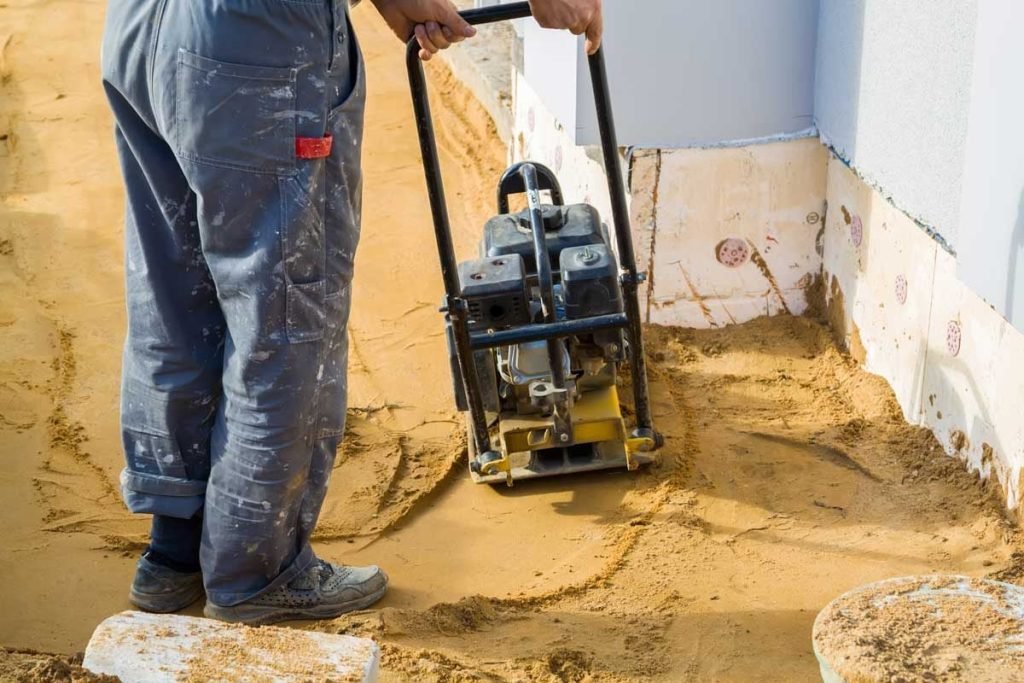
A tamper helps compact soil by pressing down the surface, enhancing stability and preventing future settling.
Using a tamper for soil compaction is crucial for any construction or gardening project. Whether you're preparing a foundation or simply ensuring that your garden path remains solid, soil compaction with a tamper ensures stability and durability. This comprehensive guide will walk you through the practical steps, tips, and considerations for effectively using a tamper, drawing from years of hands-on experience and industry knowledge. Prepare to delve into the techniques and gain insights into achieving optimal compaction with confidence and precision.
Understanding Soil Compaction
Soil compaction is the process of increasing the density of soil by reducing the air gaps between particles. Done properly, it enhances the strength and stability of the ground. Compaction is essential in construction, gardening, and landscaping to ensure longevity and prevent structural issues.
Types of Tampers
Different tampers suit various tasks and soil types. It's important to choose the right tool:
- Manual Tamper: Ideal for small projects and areas. It's a basic tool with a heavy metal plate attached to a long handle.
- Plate Compactor: Used for larger projects, offering motorized compaction for more efficient results.
Steps to Use a Tamper for Soil Compaction
Preparing the Area
- Clear Debris: Remove any rocks, roots, or debris from the area to be compacted.
- Moisten the Soil: Dampen the soil slightly to aid compaction, but avoid over-watering as this can lead to mud.
Compaction Process
- Select the Right Tamper: For small areas, use a manual tamper. For larger spaces, consider a mechanical plate compactor.
- Start Compaction: Position the tamper on the soil, and use firm, even pressure to begin compacting the soil. If using a manual tamper, use a downward thrust, lifting and dropping the tool onto the soil.
- Overlap Each Pass: Ensure uniform compaction by slightly overlapping each pass with the tamper.
- Check Density: Periodically check the soil's density. A properly compacted soil will not leave deep footprints when walked upon.
Final Touches
After compacting, inspect the area for any loose patches. Re-tamp if necessary to achieve a uniform surface.
Benefits of Proper Soil Compaction
- Stability: Prevents shifting and settling of structures.
- Durability: Ensures longevity of pathways, foundations, and garden beds.
- Drainage: Enhances water runoff and reduces soil erosion.
Potential Limitations
- Over-Compaction: Can lead to poor plant growth as roots struggle to penetrate hard soil.
- Equipment Costs: Motorized tampers can be expensive for small-scale projects.
Tips and Common Mistakes
- Avoid Over-Watering: Too much water can lead to ineffective compaction.
- Right Equipment: Ensure you’re using the correct type of tamper for your project.
- Test Soil: Before compaction, test a small soil area to see how it responds.
Frequently Asked Questions of How to Use a Tamper for Soil Compaction
What is the best soil type for compaction?
Sandy and gravelly soils are ideal for compaction. Clay soils can be compacted but may require more effort due to their cohesiveness.
How wet should the soil be before tamping?
The soil should be moist to aid compaction but not soaked. Think of the consistency of a damp sponge.
Can I rent a plate compactor?
Yes, many equipment rental companies offer plate compactors for short-term use.
How can I tell if the soil is compacted enough?
A well-compacted soil won't leave deep impressions when walked on and will feel firm underfoot.
Is manual tamping effective for large areas?
Manual tamping is best for small or confined areas. For larger projects, a plate compactor is more efficient.
Conclusion
Mastering the use of a tamper for soil compaction can transform your projects by providing solid foundations and durable surfaces. By understanding the different types of tampers and following the correct process, you ensure successful outcomes. Remember, proper preparation and technique are key, so take the time to assess your soil and project needs.
Start applying these strategies today and see the difference it makes in your construction and gardening endeavors. Consider subscribing for more insights, or leave a comment to share your experiences and questions!