
Are you tired of seeing weeds take over your vegetable garden, stealing nutrients and space from your hard-earned crops? You’re not alone.
Weeds can quickly turn a thriving garden into a frustrating mess. But what if you could stop them before they even start? Imagine spending less time pulling weeds and more time enjoying fresh, healthy vegetables from your own backyard. You’ll discover simple, effective ways to prevent weeds from growing in your vegetable garden—methods that anyone can use, no matter your experience level. These strategies will help you prevent weeds in your vegetable garden effectively.
Keep reading to unlock the secrets that will keep your garden weed-free and flourishing all season long.
Soil Preparation
Preparing your soil properly sets the stage for a healthy vegetable garden. Good soil preparation stops weeds before they start. It creates a strong environment for your plants to grow and limits space for weed seeds to take hold. Taking time to prepare the soil pays off with fewer weeds and better crops.
Remove Existing Weeds
Start by pulling out all visible weeds from the garden bed. Make sure to get the roots, or they might grow back. Removing weeds early stops them from spreading seeds. Clear soil gives your vegetables a better chance to grow without competition.
Loosen And Amend Soil
Loosen soil with a garden fork or spade to improve air and water flow. Add organic matter like compost or aged manure. This improves soil structure and provides nutrients for your plants. Healthy soil helps vegetables grow strong and can crowd out weed seeds naturally.
Avoid Excessive Tilling
Tilling too much can bring buried weed seeds to the surface. This can cause more weeds to sprout. Limit tilling to just what is needed to loosen soil. Minimal disturbance keeps weed seeds buried and less likely to grow. This also protects soil life that helps plants thrive.
Credit: fieldreport.caes.uga.edu
Mulching Techniques
Mulching techniques offer a simple and effective way to stop weeds in vegetable gardens. A layer of mulch covers the soil and blocks sunlight. This stops weed seeds from sprouting and growing. Mulching also keeps the soil moist and cool, which helps your plants thrive.
Types Of Mulch For Vegetable Gardens
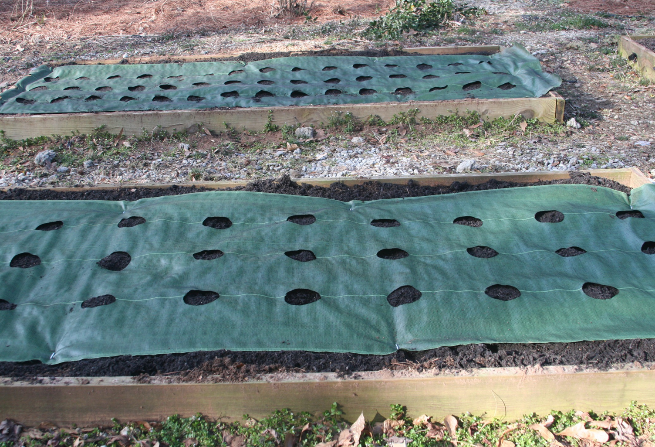
Organic mulches like straw, shredded leaves, and grass clippings work well. They break down and add nutrients to the soil. Wood chips and bark mulch last longer but are best for paths, not vegetable beds. Some gardeners use black plastic or landscape fabric to block weeds. These materials warm the soil but do not improve its quality.
Applying Mulch Properly
Clear the garden bed of all weeds before mulching. Spread a 2-3 inch thick layer of mulch evenly over the soil. Keep mulch a few inches away from plant stems to prevent rot. Replace mulch if it gets thin or decomposes. Water the mulch after applying to help it settle and start working.
Benefits Of Mulching
Mulching reduces the time spent weeding. It stops weed seeds from reaching light and growing. Soil stays moist longer, so you water less often. Mulch also cools the soil in hot weather. Over time, organic mulch improves soil health by adding organic matter. This supports stronger, healthier vegetable plants.
Watering Strategies
Preventive planting is a smart way to keep weeds out of your vegetable garden. It focuses on planting strategies that reduce empty soil space. This limits places where weed seeds can sprout and grow. Using the right plants and methods helps create a strong, healthy garden that resists weeds naturally.
Dense Planting To Shade Soil
Plant vegetables closely to cover the soil surface. Dense planting blocks sunlight from reaching weed seeds. Without light, weed seeds cannot grow well. This also keeps soil moist and cool, which benefits your crops. Make sure plants have enough space to grow but not too much open soil between them.
Cover Crops And Ground Covers
Cover crops