
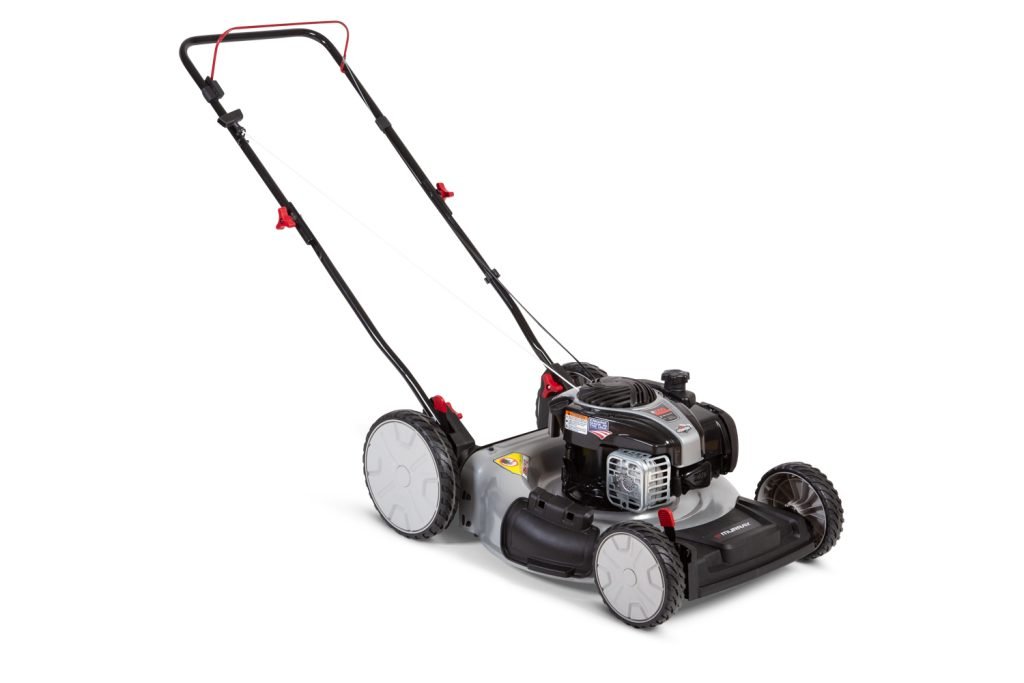
Deciding between a push and self-propelled lawn mower depends on your yard size, terrain, and personal preference. Understanding the differences in push vs self-propelled mowers can help you make an informed decision.
Choosing the right lawn mower can transform your yard maintenance routine. Whether you're keeping a small patch lush or taming a sprawling landscape, the choice between a push and a self-propelled mower can make all the difference. This guide will help you navigate the features, benefits, and limitations of each, making it easier to decide which type will best suit your needs.
Understanding Push Lawn Mowers
Push mowers are the classic choice for many homeowners, especially for those with smaller lawns. They require manual effort to push, offering you complete control over your mowing pace and direction.
Advantages of Push Lawn Mowers
- Cost-Effective: Typically less expensive than their self-propelled counterparts.
- Lightweight: Easier to maneuver in tight spaces.
- Low Maintenance: Fewer mechanical parts mean less can go wrong.
- Exercise: Offers a healthy workout.
Disadvantages of Push Lawn Mowers
- Effort Required: Not ideal for those who struggle with physical exertion.
- Not Suitable for Large Yards: Can be tiring to use for extended periods.
- Challenging on Slopes: Requires more effort on hilly terrain.
Exploring Self-Propelled Lawn Mowers
Self-propelled mowers come with a drivetrain that propels them forward, minimizing the physical effort required.
Advantages of Self-Propelled Lawn Mowers
- Less Effort: Ideal for large lawns or those with hills.
- Speed Control: Many models offer adjustable speeds to suit your working pace.
- Uniform Cuts: Easier to maintain a consistent mowing pattern.
Disadvantages of Self-Propelled Lawn Mowers
- Higher Cost: Generally more expensive than push mowers.
- Heavy: Can be cumbersome in tight spots.
- More Maintenance: Additional mechanical components may need servicing.
Key Considerations When Choosing
Yard Size
- Small Yards: A push mower can be more economical and easier to store.
- Large Yards: A self-propelled mower saves time and physical effort.
Terrain
- Flat: Either type will work, but push mowers are sufficient and cost-effective.
- Hilly: Self-propelled mowers excel on slopes and uneven ground.
Physical Capability
- Consider the level of exertion you’re comfortable with—push mowers require more effort, which can be a workout or a burden.
Budget
- Push Mowers: Generally cheaper upfront costs and simpler maintenance.
- Self-Propelled Mowers: Higher initial investment but may save time and effort long term.
Frequently Asked Questions of How to Choose Between a Push and Self-Propelled Lawn Mower
What type of mower is best for a yard with varied terrain?
Self-propelled mowers are ideal for yards with hills and uneven terrain, as they require less physical effort to operate.
Are self-propelled mowers difficult to maneuver?
They can be heavy, but they are generally easy to maneuver, especially in open spaces. Their weight can be a challenge in tight areas.
Which mower type requires less maintenance?
Push mowers generally require less maintenance because they have fewer mechanical parts than self-propelled mowers.
Is a push mower suitable for large lawns?
While they are capable of handling large lawns, push mowers can be tiring over longer mowing sessions. A self-propelled mower may be more efficient.
Can I adjust the speed on a self-propelled mower?
Yes, most self-propelled mowers come with adjustable speed settings, allowing you to match the pace with your preference and comfort.
Conclusion
Choosing the right mower