
Imagine saving water, cutting your utility bills, and keeping your garden or farm healthier—all without lifting a finger. That’s exactly what smart irrigation promises.
But what is smart irrigation, and how does it actually work to make your watering routine smarter and more efficient? If you’ve ever struggled with overwatering, dry patches, or confusing sprinkler timers, this technology could change everything for you. You’ll discover how smart irrigation systems use sensors, weather data, and automation to give your plants just the right amount of water, precisely when they need it.
Ready to transform your watering habits and grow greener spaces effortlessly? Keep reading to unlock the secrets behind smart irrigation and see if it’s the right fit for your needs.
Smart Irrigation Basics
Smart irrigation uses technology to water plants efficiently. It saves water by adjusting watering schedules based on weather and soil conditions. This system helps keep plants healthy while reducing water waste. Understanding the basics can help you see how smart irrigation works.
Core Components
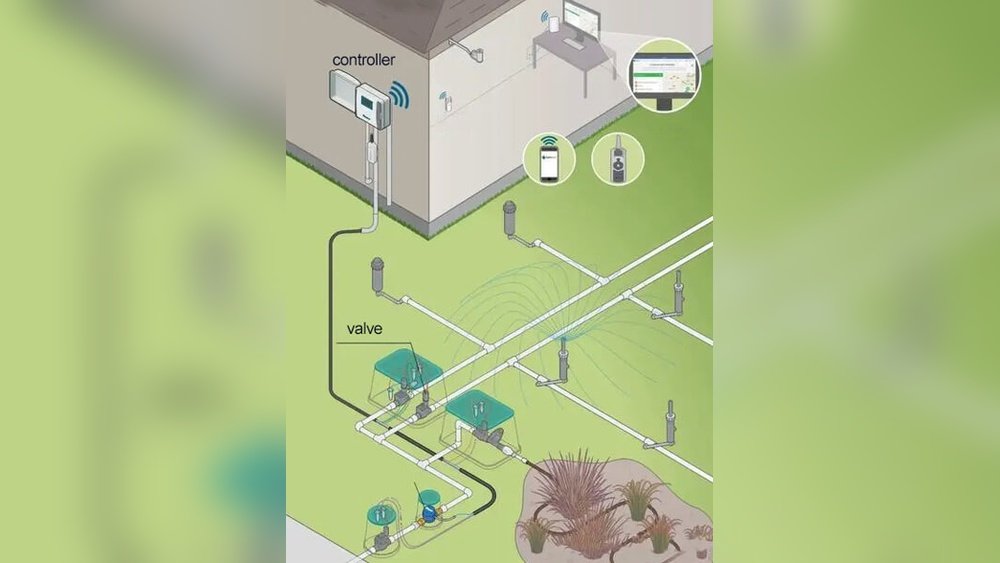
Smart irrigation systems include several key parts. A controller acts as the system’s brain. It manages when and how much water to deliver. Sensors measure soil moisture, temperature, and sunlight. These sensors provide real-time data to the controller.
Sprinklers and valves control water flow to plants. Some systems use weather data from the internet or local stations. This data helps adjust watering during rain or drought. Power sources such as batteries or electricity keep the system running.
Types Of Systems
There are different types of smart irrigation systems. Weather-based controllers use local weather data to adjust watering schedules. Soil moisture sensors detect how wet the soil is and water accordingly. These systems avoid overwatering and underwatering.
Smart drip irrigation delivers water directly to plant roots. This type reduces evaporation and runoff. Wi-Fi or Bluetooth-enabled systems allow remote control via smartphones. This makes it easy to monitor and adjust watering from anywhere.
How Smart Irrigation Works
Smart irrigation offers many benefits that improve gardening and farming. It uses technology to water plants efficiently. This saves water, reduces costs, and helps plants grow better. Smart irrigation also supports a healthier environment by lowering resource waste.
Water Conservation
Smart irrigation controls water use precisely. Sensors check soil moisture and weather. The system waters only when needed. This stops overwatering and runoff. It helps save large amounts of water daily. Water saved can support other important needs.
Cost Savings
Using water wisely lowers water bills. Smart irrigation reduces waste, cutting monthly expenses. Less water use means less energy for pumping. Maintenance is easier with automated controls. Over time, these savings cover the system’s cost.
Improved Plant Health
Plants get the right amount of water. Smart irrigation avoids dry or flooded soil. Consistent moisture helps roots grow stronger. Healthier plants resist pests and diseases better. This results in more vibrant gardens and crops.
Environmental Impact
Smart irrigation reduces water waste and energy use. It lowers pollution from excess runoff. Conserving water protects local ecosystems and wildlife. Using less energy cuts greenhouse gas emissions. This system supports a cleaner and greener planet.
Benefits Of Smart Irrigation
Setting up a smart irrigation system requires careful planning and precise steps. The installation and setup process ensures the system waters plants efficiently and saves water. It involves designing the layout, deciding who will install it, and testing the system.
System Design Considerations
Start by analyzing your landscape’s size and plant types. Divide your garden into zones with similar watering needs. Choose appropriate sprinkler heads and drip emitters for each zone. Consider water pressure and flow rate to avoid uneven watering. Plan sensor placement to capture accurate soil moisture and weather data.
Professional Vs Diy Installation
Professional installation offers expert knowledge and saves time. Experts ensure correct wiring, sensor setup, and controller programming. DIY installation can reduce costs but needs technical skills. Follow the manufacturer’s instructions carefully if installing yourself. Check local codes for permits or regulations before installation.
Calibration And Testing
Calibrate sensors to reflect local soil and weather conditions. Test each irrigation zone individually to confirm coverage and timing. Adjust sprinkler heads to prevent water waste or dry spots. Monitor the system for several days to ensure accurate watering schedules. Regular testing keeps the system running efficiently.
Credit: tempest.earth
Challenges And Drawbacks
Smart irrigation in agriculture changes how farmers water their crops. It uses technology to deliver the right water amount at the right time. This method saves water, reduces costs, and improves crop health. Farmers use sensors and data to make irrigation more precise and efficient.
Large-scale Applications
Smart irrigation works on large farms with many acres. Sensors placed across fields measure soil moisture and weather conditions. Automated systems adjust water flow based on this data. This approach reduces water waste and ensures all areas get enough water. Large farms save money and protect resources using these systems.
Crop-specific Adjustments
Different crops need different watering schedules. Smart irrigation systems customize watering for each crop type. They consider factors like plant growth stage and water needs. This helps crops grow stronger and healthier. Farmers avoid overwatering or underwatering by adjusting water precisely.
Integration With Iot
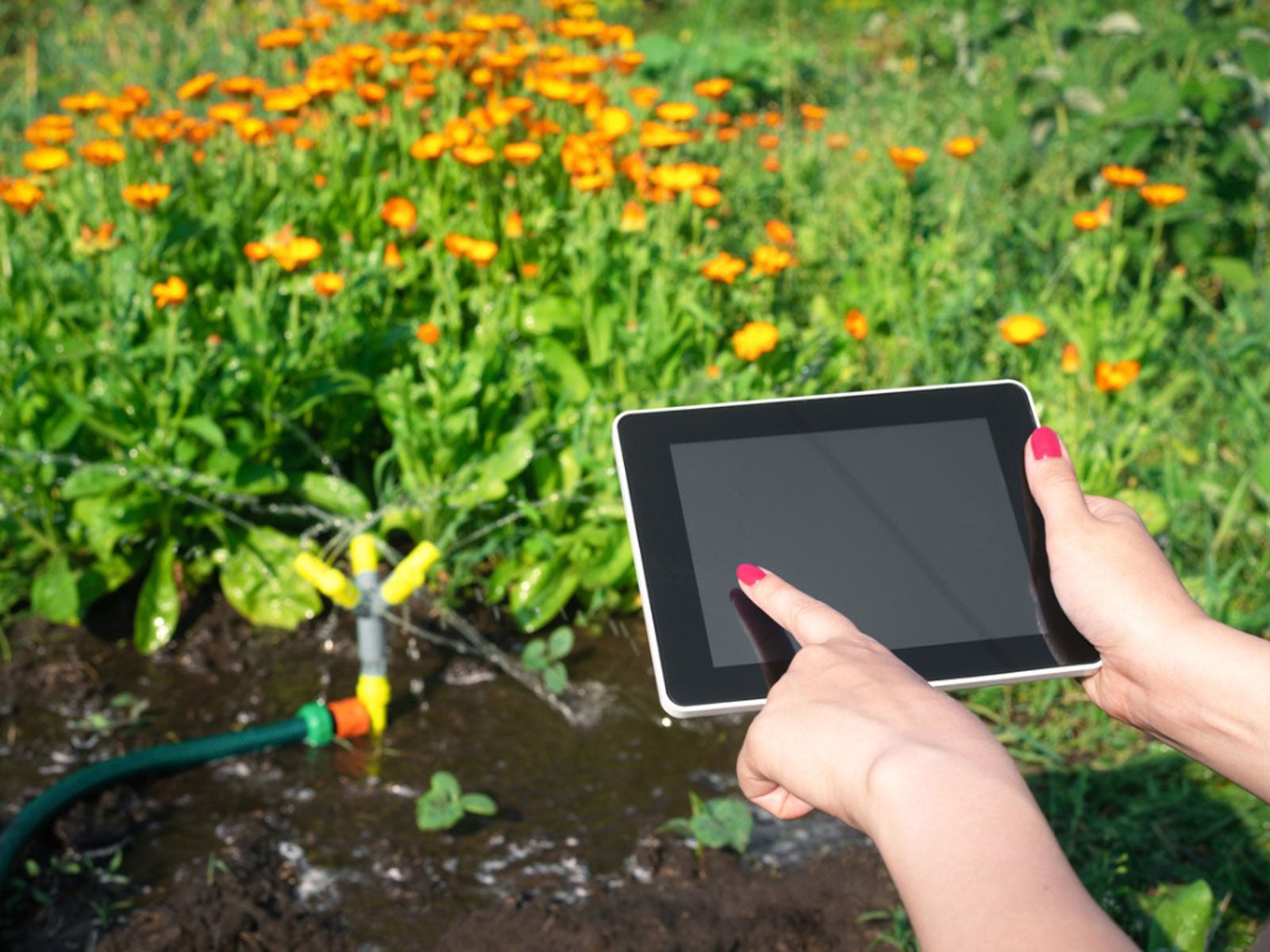
Internet of Things (IoT) connects irrigation devices to the internet. Sensors, controllers, and weather stations share data in real-time. Farmers monitor and control irrigation from smartphones or computers. This connectivity allows quick responses to changing conditions. IoT integration makes irrigation smarter and more flexible.
Installation And Setup
The future of smart irrigation promises exciting improvements that will enhance water efficiency and ease of use. New technologies will make systems smarter, more reliable, and better at adapting to plant needs. These trends will help farmers and gardeners save water and protect the environment.
Advances In Sensor Tech
Sensors will become smaller, cheaper, and more accurate. They will measure soil moisture, temperature, and sunlight with great precision. New sensors will detect plant health and stress signals. This data helps irrigation systems deliver water only when needed.
Ai And Machine Learning
Artificial intelligence will analyze data from sensors and weather forecasts. Machine learning will allow systems to learn from past watering patterns. This helps predict the best watering schedule. AI will adjust irrigation automatically to changing conditions, improving water use.
Sustainability Innovations
Smart irrigation will integrate with renewable energy sources like solar power. Water recycling and rainwater harvesting will become common. These innovations reduce dependence on fresh water. Smart systems will support sustainable farming and gardening practices worldwide.
Credit: www.gardeningknowhow.com
Smart Irrigation In Agriculture
Smart irrigation systems help save water and improve plant health. Yet, mistakes can reduce their benefits. Avoiding common errors ensures your system works well and lasts longer. Learn the key pitfalls to watch out for and keep your irrigation efficient.
Overwatering Risks
Too much water wastes resources and harms plants. Smart systems can still overwater if settings are wrong. Soil sensors may fail or give false readings. Overwatering causes root rot and weak growth. Set watering schedules carefully and check sensor accuracy often.
Ignoring System Maintenance
Smart irrigation needs regular care to work properly. Dust, dirt, or debris can block sensors and valves. Software updates improve system performance and fix bugs. Skipping maintenance leads to failures and water waste. Inspect components and clean sensors at least once a season.
Poor Zone Design
Dividing your landscape into watering zones is vital. Group plants with similar water needs together. Bad zone design causes uneven watering and stresses plants. Avoid mixing lawns and shrubs in one zone. Proper zone setup saves water and keeps plants healthy.

Credit: lumo.ag
Frequently Asked Questions
What Are The Disadvantages Of A Smart Irrigation System?
Smart irrigation systems have high upfront costs and require technical skills for setup and maintenance. Sensors may malfunction or give inaccurate readings. They depend on stable power and connectivity. Poor system design can cause water waste. Regular monitoring is essential to avoid over- or underwatering.
What Is The 30/30 Rule For Irrigation?
The 30/30 rule for irrigation means watering plants deeply for 30 minutes every 30 days. This promotes healthy root growth and conserves water.
Do I Need Wi-fi For Smart Irrigation?
Smart irrigation systems usually need Wi-Fi for remote control and real-time data access. Some models work offline but limit features.
Is A Smart Irrigation System Worth The Cost?
Smart irrigation systems save water and reduce bills, offsetting their higher upfront cost. They improve efficiency and promote healthy plants.
Conclusion
Smart irrigation uses technology to save water and help plants grow. It adjusts watering based on weather and soil needs. This system reduces water waste and lowers bills. While setup can be complex and costly, the benefits often outweigh the challenges.
Regular checks keep the system working well. Smart irrigation suits many gardens and farms, making watering easier and smarter. Trying it can improve plant health and conserve water in the long run.