
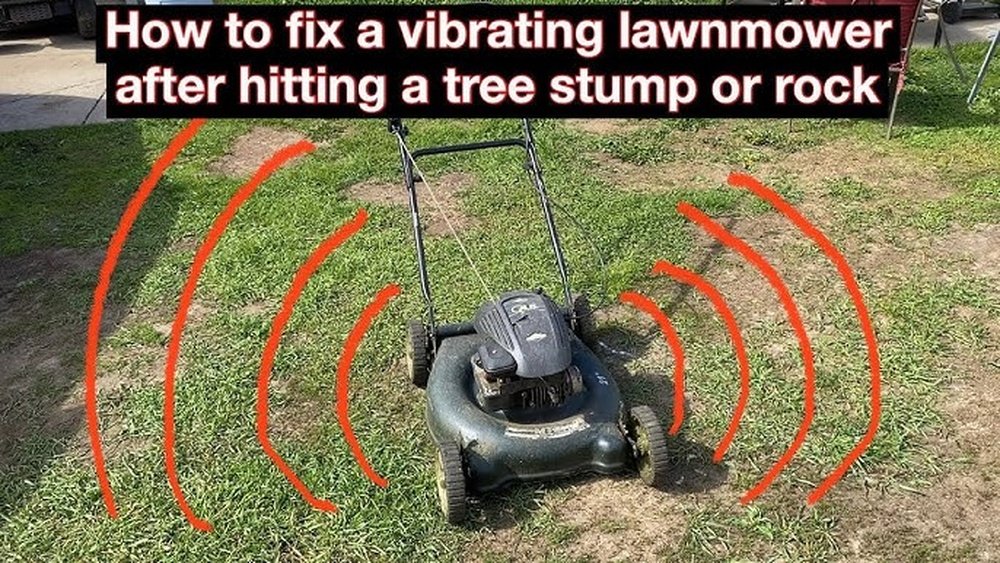
A shaking or vibrating lawn mower can quickly turn a simple yard job into a frustrating task. Vibration isn’t just uncomfortable—it can also signal a mechanical problem that, if ignored, may damage your mower or make it unsafe to use. Understanding why your lawn mower vibrates badly and knowing how to fix it can save you money, extend the life of your equipment, and keep your mowing experience smooth and safe.
Many beginners think vibration is just “part of the machine. ” In reality, excessive shaking almost always means something is wrong. Sometimes the cause is simple, like a loose bolt. Other times, it’s a sign of a more serious issue inside the mower.
This guide will walk you through every possible reason your lawn mower vibrates badly, show you how to fix each problem, and help you prevent it from happening again.
Common Causes Of Lawn Mower Vibration
Before you start fixing, it’s important to find the root cause. Most vibration comes from a few key parts of the mower. Here’s what you should look for first.
Unbalanced Or Bent Blade
The most common cause of vibration is an unbalanced or bent blade. If you hit a rock or thick branch, your blade can easily bend or get nicked. Even small dents can throw off the balance.
- Unbalanced blade: If one side is heavier, the blade spins unevenly, causing the mower to shake.
- Bent blade: A blade that’s not straight will wobble as it turns.
Loose Or Missing Fasteners
A mower has many bolts and nuts holding parts together. If any become loose, you’ll feel more vibration.
- Check blade bolts, engine mount bolts, and handlebar fasteners.
- Missing fasteners can make the problem worse fast.
Damaged Or Worn Out Engine Mounts
Mowers use engine mounts—usually rubber blocks—to absorb engine vibrations. If these mounts wear out or break, you’ll feel every shake directly in your hands.
Bent Crankshaft
The crankshaft connects the engine to the blade. If it bends (often after hitting something hard), your mower will vibrate badly. This is a serious issue and not easy to fix at home.
Debris Under The Deck
Sometimes, grass clippings, mud, or sticks get stuck under the mower deck. They can throw off blade balance or hit the spinning blade, causing vibration.
Worn Or Damaged Drive System
If you have a self-propelled mower, worn drive belts or pulleys can create vibration. A loose or damaged belt may slap or wobble as it turns.
Damaged Wheels Or Axles
A cracked wheel or bent axle can make your mower shake, especially on uneven ground.
Engine Issues
A misfiring engine, uneven fuel flow, or clogged air filter can make the mower run rough, which sometimes feels like vibration.
Step-by-step: How To Fix A Vibrating Lawn Mower
Now that you know the possible causes, let’s solve the problem. Always turn off your mower and disconnect the spark plug before working on it.
1. Inspect And Balance The Blade
- Remove the blade: Use a wrench to loosen the bolt holding the blade.
- Look for damage: Check for bends, chips, or cracks.
- Balance the blade: Hang the blade on a nail through the center hole. If one side drops, it’s heavier. File the heavier side until the blade hangs level.
- Replace if needed: If the blade is badly bent or cracked, replace it. Never try to straighten a cracked blade—it can break during use.
2. Tighten All Bolts And Fasteners
Walk around your mower and check every bolt and nut:
- Blade bolt
- Engine mount bolts
- Handlebar connections
- Wheel fasteners
Tighten any that are loose. Even a small gap can cause big vibration.
3. Check Engine Mounts
Look under the mower for rubber engine mounts. If they’re cracked, soft, or missing, replace them. Most mounts are inexpensive and easy to swap out.
4. Inspect The Crankshaft
With the spark plug disconnected:
- Tip the mower on its side (carburetor side up).
- Spin the blade by hand. Watch the center bolt—does it wobble?
- If you see a wobble, your crankshaft may be bent. This repair is usually best left to a pro, as it requires special tools and skill.
5. Clean Under The Deck
Use a plastic scraper to remove stuck grass and debris from under the deck. A clean deck means a smoother cut and less chance of vibration.
6. Check The Drive System (self-propelled Mowers)
- Inspect the drive belt for cracks or wear.
- Look at pulleys and tensioners.
- Replace any worn parts. A new belt can make a big difference.
7. Inspect Wheels And Axles
Spin each wheel by hand. If one wobbles or catches, check for cracks or bent axles.
- Replace broken wheels.
- Bent axles may need straightening or replacement.
8. Tune Up The Engine
Change the air filter, spark plug, and fuel if your engine seems rough. Clean or replace the carburetor if needed.
Table: Common Problems And Their Solutions
Here is a quick reference guide for troubleshooting vibration issues.
| Problem | How to Check | Solution |
|---|---|---|
| Unbalanced Blade | Remove and balance on nail | File or replace blade |
| Loose Bolts | Inspect all with wrench | Tighten or replace |
| Bent Crankshaft | Spin blade, look for wobble | Professional repair |
| Debris Under Deck | Look and feel under deck | Clean thoroughly |
| Worn Engine Mounts | Check for cracks or missing mounts | Replace mounts |
Safety Tips For Diagnosing And Repairing
Fixing a mower isn’t dangerous if you follow basic safety rules.
- Disconnect spark plug: Always do this before working on the blade or engine.
- Wear gloves: Blades are sharp, even if dull.
- Work on a flat surface: Prevents mower from tipping.
- Use proper tools: Don’t use pliers instead of a wrench for bolts.

Credit: www.youtube.com
When To Call A Professional
Most problems, like blade balancing or cleaning, can be fixed at home. However, some issues need expert help.
- Bent crankshaft: Repairing this yourself can make things worse. It’s a job for a repair shop.
- Engine internal problems: If you hear knocking or your mower smokes, see a pro.
A local repair shop can also check for hidden damage you might miss.
Table: Cost Comparison – Diy Vs. Professional Repair
Understanding the cost can help you decide if you want to fix the mower yourself or get help.
| Repair Type | DIY Cost (USD) | Professional Cost (USD) |
|---|---|---|
| Blade Replacement | $15–$30 | $40–$70 |
| Engine Mounts | $10–$25 | $35–$60 |
| Crankshaft Straightening | N/A (Special tools) | $80–$150 |
| Drive Belt | $10–$20 | $35–$60 |

Credit: yardstopinc.com
Preventing Lawn Mower Vibration
Regular care can stop vibration before it starts.
- Sharpen and balance blades every season.
- Tighten bolts after every few uses.
- Clean under the deck after mowing wet or thick grass.
- Check wheels for cracks at the start of mowing season.
- Change air filter and spark plug annually.
Many owners forget to check fasteners and mounts. These simple checks can prevent 80% of vibration issues.
Table: Preventive Maintenance Checklist
A simple checklist helps you remember what to check and when.
| Task | Frequency |
|---|---|
| Sharpen/Balance Blade | Every 25 hours of use |
| Tighten Fasteners | Monthly |
| Clean Deck | After every use |
| Check Wheels/Axles | Start of each season |
| Change Air Filter/Spark Plug | Annually |
Two Non-obvious Tips Most Beginners Miss
- Balance is more important than sharpness: Many owners focus on a sharp blade but forget to balance it. An unbalanced blade will vibrate badly even if it’s razor sharp. Always check balance after sharpening.
- Engine mounts wear out quietly: Rubber mounts get soft or crack over time. Because this happens slowly, you may not notice until vibration is severe. Replace mounts every few years, even if they “look okay.”
Real-world Example
Jake, a homeowner in Ohio, noticed his mower shaking badly after hitting a hidden tree root. He checked the blade, which was nicked. After sharpening, the vibration got worse. He realized the blade was now unbalanced. After balancing the blade and tightening the bolts, his mower ran smoothly.
This shows that a quick fix can sometimes make things worse—always check balance, not just sharpness.

Credit: yardstopinc.com
Find Expert Help Online
If you’re still stuck, many manufacturers and forums offer help. For detailed diagrams and part numbers, check the official Briggs & Stratton website.
Solving lawn mower vibration is mostly about careful inspection and regular care. Don’t ignore the first signs of shaking. Fixing small problems early will keep your mower running longer and safer.
Frequently Asked Questions
Why Is My Lawn Mower Vibrating So Much After Hitting A Rock?
When you hit a rock, the blade can bend or become unbalanced. This causes the mower to shake. Always check the blade for bends and balance after striking anything hard.
Can I Still Use My Lawn Mower If It Vibrates?
It’s not safe to use a mower that vibrates badly. Vibration means something is wrong, and continued use can damage the machine or even cause injury. Fix the problem before using it again.
How Do I Know If My Crankshaft Is Bent?
Disconnect the spark plug, tip the mower, and spin the blade by hand. If the center bolt moves in a circle or wobbles, the crankshaft may be bent. This usually needs professional repair.
How Often Should I Balance Or Replace My Mower Blade?
Balance your blade every 25 hours of use or whenever you sharpen it. Replace the blade if it’s cracked, badly bent, or worn thin.
Are There Any Signs Of Engine Mount Failure Besides Vibration?
Yes, besides vibration, look for engine movement when starting or stopping the mower. You might also hear knocking sounds or see visible cracks in the rubber mounts.
Fixing a vibrating lawn mower isn’t hard if you follow these steps. Regular care, quick checks, and knowing when to ask for help will keep your mower smooth and reliable for years.