
How to Use a Hand Pruner for Trimming Bushes: Local Guide & Tips
If you want to trim bushes neatly and safely, use a hand pruner by cutting branches at a 45-degree angle near the base, making sure your tool is clean and sharp. Hand pruners offer control, reduce plant stress, and help maintain healthy, attractive shrubs. This guide covers every step, local tips, costs, and answers to common questions.
Why Proper Bush Trimming Matters
Regular trimming keeps bushes healthy and attractive. If neglected, bushes can become overgrown, block sidewalks, or lose their shape. Using a hand pruner allows you to remove unwanted growth without harming the plant. In fact, expert pruning can stimulate new growth and flowering, making your garden look its best.
Choosing The Right Hand Pruner
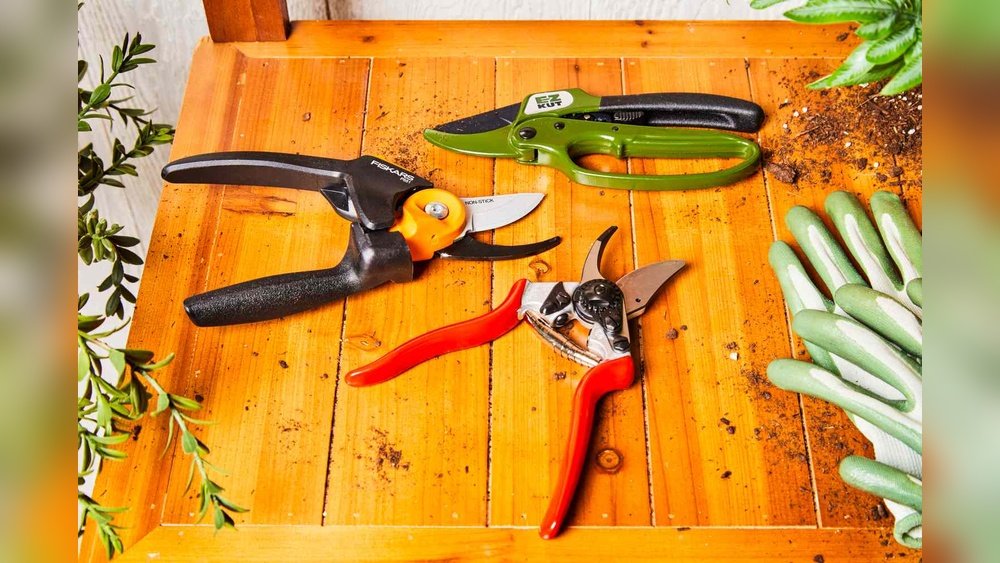
Hand pruners come in two main types:
| Type | Best For | Features |
|---|---|---|
| Bypass Pruner | Live branches | Sharp blades, clean cuts |
| Anvil Pruner | Dead wood | Single blade, crushing action |
For most bushes, a bypass pruner is ideal because it makes clean cuts that heal quickly. Look for a pruner with:
- Comfortable handle for easy grip
- Stainless steel blades for durability
- Safety lock to prevent accidents
A good pruner should feel solid in your hand and cut easily through branches up to 1/2 inch thick.
Step-by-step Guide: How To Use A Hand Pruner
1. Prepare Your Tools
Make sure your hand pruner is clean and sharp. Dull blades can tear branches, making plants vulnerable to disease. Wipe blades with alcohol or soapy water before starting.
2. Inspect The Bush
Look for:
- Dead or diseased branches
- Crossing or rubbing stems
- Overgrown areas that block light
Mark the branches you want to cut. This helps avoid mistakes and ensures you only remove necessary growth.
3. Position Yourself Properly
Stand so you can see the branch clearly. Hold the pruner with your dominant hand, and support the bush with the other.
4. Make The Cut
Cut at a 45-degree angle just above a bud or side branch. This angle helps water run off and prevents rot. Avoid cutting too close to the bud, which can damage it.
5. Remove Larger Branches
If you need to cut thicker branches, use two hands for extra power. Never force the pruner; if the branch is too tough, use loppers or a saw.
6. Clean Up
Pick up all cuttings and dispose of them properly. Cleaning up prevents pests and keeps your yard tidy.
7. Maintain Your Pruner
After use, wipe blades clean and oil the pivot point. Store your pruner in a dry place.
Local Expertise: Trimming Bushes In [your City]
Bushes in [Your City] face unique challenges. Hot summers and heavy rains can make growth fast and unpredictable. Here are local tips:
- Trim in early spring before new growth starts
- Avoid trimming during extreme heat or drought
- Check city guidelines for disposal of yard waste
- Popular bushes locally include azalea, boxwood, and holly
- Use pruners with anti-rust coating for humid climates
For more local gardening advice, visit community forums or check with the local extension office.
Credit: brothertreeservice.com
Cost Of Bush Trimming With Hand Pruners
The cost of using a hand pruner depends on whether you do it yourself or hire a pro.
| Option | Cost Range | Includes |
|---|---|---|
| DIY | $20–$60 | Hand pruner, gloves, waste bags |
| Professional Service | $50–$150 per bush | Tools, labor, cleanup |
| Premium Pruner | $40–$80 | High-quality, long-lasting tool |
If you trim bushes regularly, investing in a quality pruner saves money over time. Hiring a local expert is best for large or complex bushes.
Common Mistakes Beginners Make
Many people cut at the wrong angle, which causes wounds that heal poorly. Some cut too much at once, weakening the bush. Others forget to clean their pruner, spreading disease between plants. Always:
- Cut at a 45-degree angle
- Remove only 1/3 of the bush per season
- Clean your pruner after each use
A non-obvious tip: avoid trimming when bushes are wet. Moisture spreads disease and makes cuts harder to heal.

Credit: www.amazon.com
Hand Pruner Comparison: Local Models
Here’s a comparison of popular hand pruners available in [Your City]:
| Brand | Price | Blade Material | Warranty |
|---|---|---|---|
| Fiskars | $25 | Stainless Steel | Lifetime |
| Corona | $30 | High-Carbon Steel | 10 years |
| Felco | $60 | Swiss Steel | Lifetime |
Felco is often preferred by professionals for its durability. Fiskars is a good choice for beginners.
Safety Tips For Using Hand Pruners
Always wear gloves to protect your hands. Keep fingers away from blades and use the safety lock when not cutting. If you have allergies, wear a mask to avoid pollen. Children should never use hand pruners unsupervised.

Credit: www.plantingtree.com
Boost Your Bush Trimming Skills
If you want to improve, attend local gardening workshops. You can also watch videos from experts or join a gardening club. For advanced advice, read guides from trusted sources like the Royal Horticultural Society.
Strong Call To Action
Ready to make your bushes look amazing? Grab a quality hand pruner, follow these steps, and enjoy a tidy, healthy yard. If you want professional help or need more local tips, connect with a trusted bush trimming service in [Your City]. Don’t wait—healthy bushes start with the right trim!
For more practical gardening tips, check out our article on how to sharpen garden tools.
Internal Linking Suggestions
To help readers, link to these related local articles:
- Best lawn care services in [Your City]
- Top garden tools for beginners
- How to dispose of yard waste locally
- Seasonal garden maintenance guide
Frequently Asked Questions
How Often Should I Trim Bushes With A Hand Pruner?
Most bushes need trimming once or twice a year. Early spring and late summer are best. Avoid trimming during freezing or very hot weather.
What Size Branch Can A Hand Pruner Cut?
A hand pruner can cut branches up to 1/2 inch thick. For thicker branches, use loppers or a saw.
Is It Better To Trim Bushes Myself Or Hire A Local Expert?
If you have small bushes and basic skills, DIY works well. For large, dense, or valuable bushes, hire a local expert for best results.
Are There Any Local Regulations For Bush Trimming In [your City]?
Yes, some cities have rules about trimming and disposing of yard waste. Check your local government website or ask your extension office.
How Do I Clean And Maintain My Hand Pruner?
Wipe blades with alcohol after each use. Oil the pivot point monthly, and sharpen blades twice a year.
What Is The Best Time Of Year For Bush Trimming In [your City]?
Early spring is best for most bushes. Avoid trimming in extreme heat or cold, as this stresses plants.
Where Can I Buy Quality Hand Pruners Locally?
Visit garden centers, hardware stores, or local nurseries in [Your City]. Ask staff for recommendations based on your bush type.
Taking care of bushes is simple with the right tools, local knowledge, and a careful approach. With a hand pruner, you can keep your yard looking neat and healthy year-round.