
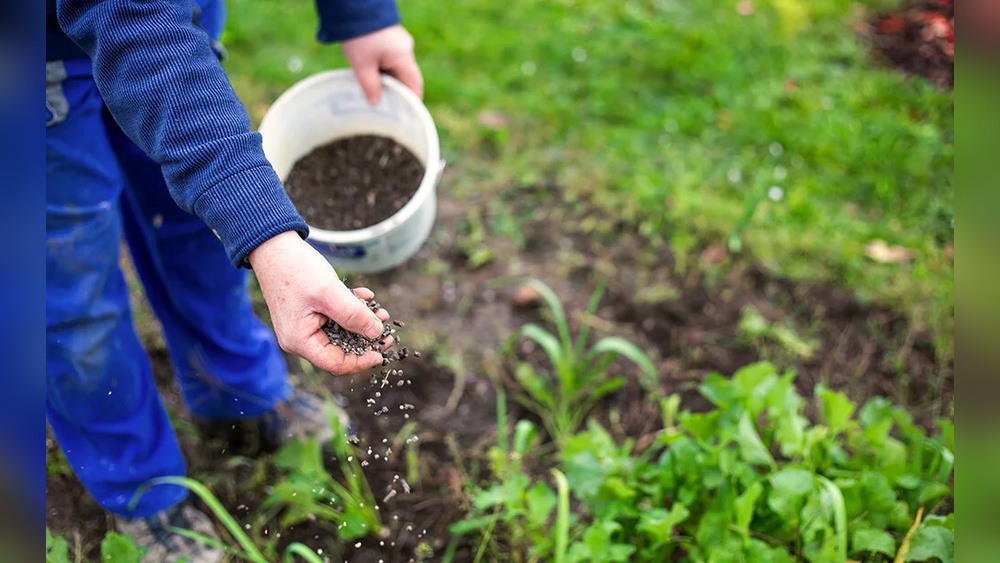
Are you looking to make your flower beds bloom brighter and grow healthier? Applying organic fertilizer is one of the best ways to give your flowers the natural boost they need.
But how do you do it right? If you want to avoid common mistakes and see real results, this guide will walk you through simple, effective steps to nourish your garden the natural way. Keep reading, and you’ll discover how easy it is to transform your flower beds into vibrant, thriving spaces.
Benefits Of Organic Fertilizers
Organic fertilizers offer many benefits for flower beds. They supply plants with natural nutrients. These fertilizers improve the soil and help plants grow strong. Using organic fertilizers supports a healthy garden and a cleaner environment.
Nutrient-rich Soil
Organic fertilizers add essential nutrients to the soil. They release nutrients slowly, feeding plants over time. This steady supply helps flowers bloom beautifully. Nutrient-rich soil also supports beneficial microbes that aid plant growth.
Improved Soil Health
Organic fertilizers improve soil structure and texture. They increase water retention, reducing the need for frequent watering. Healthy soil allows roots to grow deeper and stronger. This boosts the overall health of your flower beds.
Environmental Impact
Organic fertilizers are safe for the environment. They reduce chemical runoff that harms water and wildlife. These fertilizers break down naturally without leaving harmful residues. Using them helps protect the planet while growing vibrant flowers.
Types Of Organic Fertilizers
Organic fertilizers feed plants with natural nutrients. They improve soil health and support flower growth. Different types suit various garden needs. Understanding these types helps you choose the best for your flower beds.
Compost
Compost is decomposed organic matter. It contains nutrients and beneficial microbes. Adding compost improves soil texture and water retention. It releases nutrients slowly, feeding flowers over time. You can make compost at home from kitchen scraps and garden waste.
Manure
Manure comes from farm animals like cows and horses. It is rich in nitrogen, phosphorus, and potassium. Well-rotted manure improves soil fertility and structure. Avoid fresh manure; it can burn plants. Use aged manure to nourish flower beds safely.
Bone Meal And Blood Meal
Bone meal is made from ground animal bones. It provides phosphorus for strong roots and blooms. Blood meal is dried animal blood rich in nitrogen. Nitrogen supports leaf growth and overall plant health. Use both to balance nutrients in your flower bed.
Seaweed And Fish Emulsions
Seaweed and fish emulsions come from ocean plants and fish. They offer trace minerals and growth hormones. These liquids boost plant vigor and stress resistance. Apply as a foliar spray or soil drench for quick nutrient uptake.
Preparing Flower Beds For Fertilizer
Preparing flower beds for organic fertilizer is a key step. It helps plants absorb nutrients better and grow healthier. Clean, tested, and moist soil creates the perfect environment for fertilizer to work. Follow simple steps to get the beds ready for feeding your flowers.
Clearing Debris
Remove dead leaves, sticks, and old plants from the flower bed. Clearing debris stops pests and diseases from spreading. It also makes space for fertilizer to reach the soil easily. Use your hands or a rake to clear all unwanted material.
Soil Testing
Test the soil to know its nutrient levels and pH. Soil testing helps decide what type of organic fertilizer to use. You can buy a simple test kit or send a sample to a local lab. Adjust the fertilizer based on the test results for best growth.
Moistening The Soil
Water the soil lightly before applying fertilizer. Moist soil helps the nutrients spread evenly and absorb quickly. Avoid soaking the soil; just make it damp enough to hold the fertilizer well. This step improves the fertilizer’s effectiveness and supports root health.
Credit: www.espoma.com
Applying Organic Fertilizer
Applying organic fertilizer to flower beds helps plants grow strong and healthy. It improves soil quality and adds essential nutrients. Using the right method and timing can boost plant growth and bloom.
Choosing The Right Amount
Use the correct amount of fertilizer to avoid harming plants. Too much can burn roots, and too little may not help. Check the package instructions for the recommended dose. Measure carefully to give your flowers what they need.
Methods Of Application
Spread the fertilizer evenly over the soil surface. You can sprinkle it by hand or use a spreader. Lightly work it into the top layer of soil with a rake. Avoid piling fertilizer near plant stems to prevent damage.
Timing For Best Results
Apply fertilizer in early spring before flowers start growing. This prepares the soil for new growth. Reapply every 4 to 6 weeks during the growing season. Stop fertilizing about a month before the first frost to help plants rest.
Maintaining Flower Beds After Fertilizing
Maintaining flower beds after applying organic fertilizer is key to healthy plants. Proper care helps flowers absorb nutrients well. It also keeps the soil in good shape for longer. Follow simple steps to keep flower beds thriving after fertilizing.
Watering Techniques
Water the flower beds gently but deeply. This helps fertilizer soak into the soil. Avoid watering too fast to prevent runoff. Early morning is the best time to water. It reduces evaporation and keeps roots moist. Use a soaker hose or drip irrigation for even watering.
Mulching Benefits
Mulch keeps soil moist and cool. It stops weeds from growing around flowers. Mulch also breaks down and adds nutrients to the soil. Apply a layer about 2 to 3 inches thick. Keep mulch a few inches away from plant stems to prevent rot.
Monitoring Plant Health
Check flowers often for signs of stress or pests. Look for yellow leaves or wilting. Healthy plants grow strong and show vibrant colors. Remove dead or damaged leaves to help growth. Early detection of problems makes treatment easier and faster.

Credit: www.creativevegetablegardener.com
Common Mistakes To Avoid
Applying organic fertilizer to flower beds can greatly improve plant health and bloom quality. Avoiding common mistakes ensures the best results and prevents harm to your plants. Understanding these errors helps you apply fertilizer correctly and safely.
Overfertilizing
Too much fertilizer can burn plant roots. It causes leaf burn and poor flower growth. Use the recommended amount on the package. Less is often better than too much. Overfertilizing wastes fertilizer and harms the plants.
Ignoring Soil Ph
Soil pH affects nutrient uptake by plants. Fertilizer may not work well if pH is off. Test your soil pH before applying fertilizer. Adjust soil pH to suit your flower types. Ignoring pH can lead to weak, unhealthy plants.
Applying At Wrong Time
Timing matters for fertilizer effectiveness. Applying fertilizer in extreme heat can stress plants. Early morning or late afternoon is best. Fertilize during the growing season for good results. Avoid fertilizing just before heavy rain to prevent wash away.

Credit: www.amazon.com
Frequently Asked Questions
What Is The Best Time To Apply Organic Fertilizer?
The best time to apply organic fertilizer is early spring or fall. This timing helps improve soil nutrients before plants grow. Applying in these seasons ensures optimal absorption and promotes healthy flower bed growth throughout the growing period.
How Much Organic Fertilizer Should I Use On Flower Beds?
Use about 1 to 2 pounds of organic fertilizer per 100 square feet. Avoid over-fertilizing as it may harm plants. Always follow the package instructions for proper application rates to ensure safe and effective nutrient delivery.
Can I Apply Organic Fertilizer Directly To Flower Roots?
Yes, you can apply organic fertilizer near flower roots but avoid direct contact. Spread it evenly around the base to prevent root burn. This method helps roots absorb nutrients efficiently and supports healthy plant development.
How Often Should I Apply Organic Fertilizer To Flower Beds?
Apply organic fertilizer every 4 to 6 weeks during the growing season. Regular feeding supports continuous nutrient supply. Adjust frequency based on plant needs and soil quality for best results.
Conclusion
Applying organic fertilizer helps flowers grow strong and healthy. Spread it evenly to feed the soil well. Water the flower beds after applying fertilizer for best results. Regular feeding keeps your garden bright and colorful. Choose natural products to protect the environment and your plants.
Simple steps make a big difference in flower care. Enjoy watching your flowers bloom with vibrant colors. Keep your garden healthy by using organic fertilizer often.