
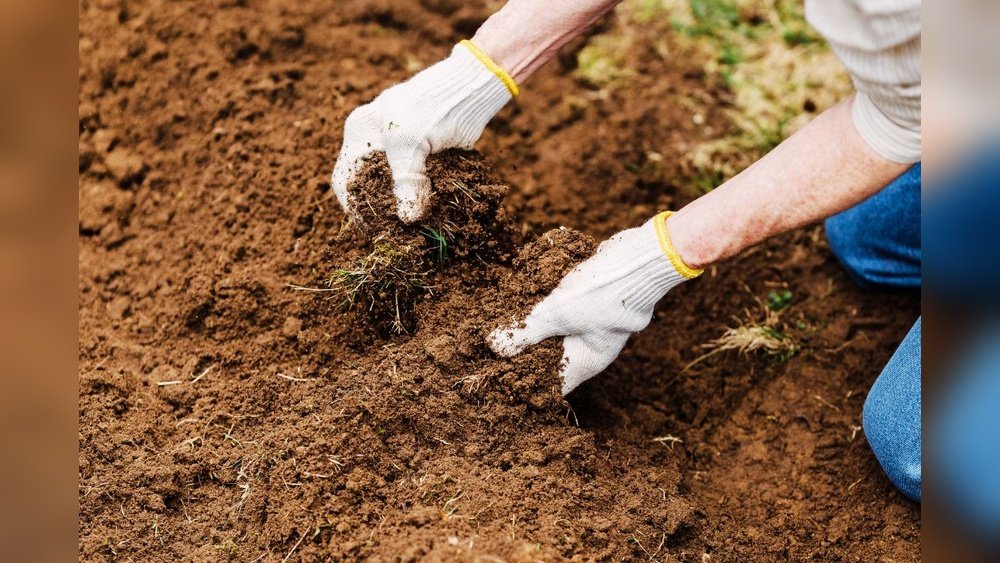
If you’ve ever struggled with watering your garden or lawn on clay soil, you know it’s no easy task. Clay soil holds water tightly and absorbs it slowly, which means a standard watering system might leave you with puddles or dry patches.
Choosing the right water system for your clay soil is crucial to keep your plants healthy and your yard thriving. In this guide, you’ll discover simple, effective strategies and the best irrigation options tailored specifically for clay soil. Read on to learn how to avoid common watering mistakes and make your garden flourish with the perfect water system designed just for your soil type.
Credit: hellogravel.com
Clay Soil Challenges
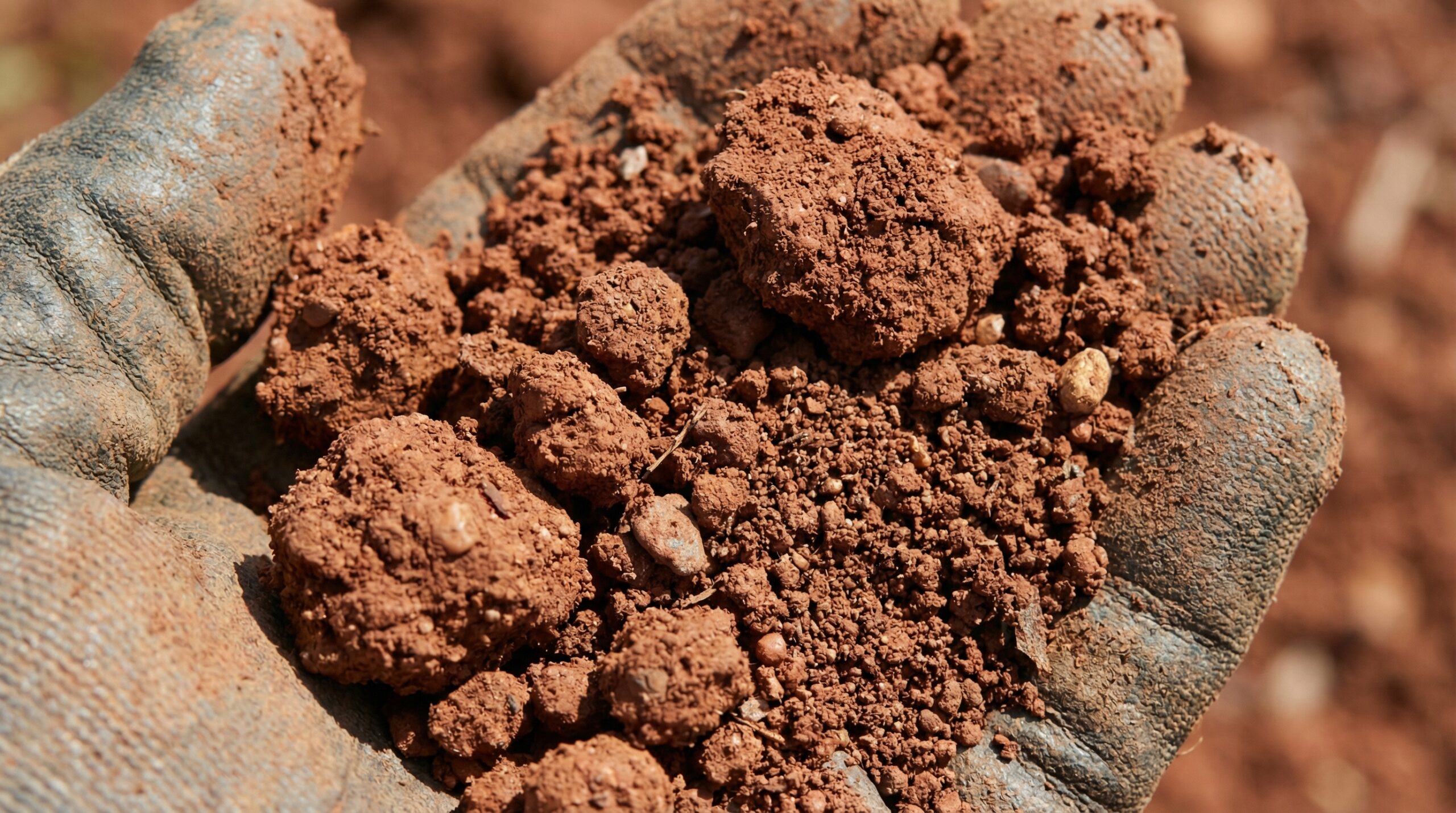
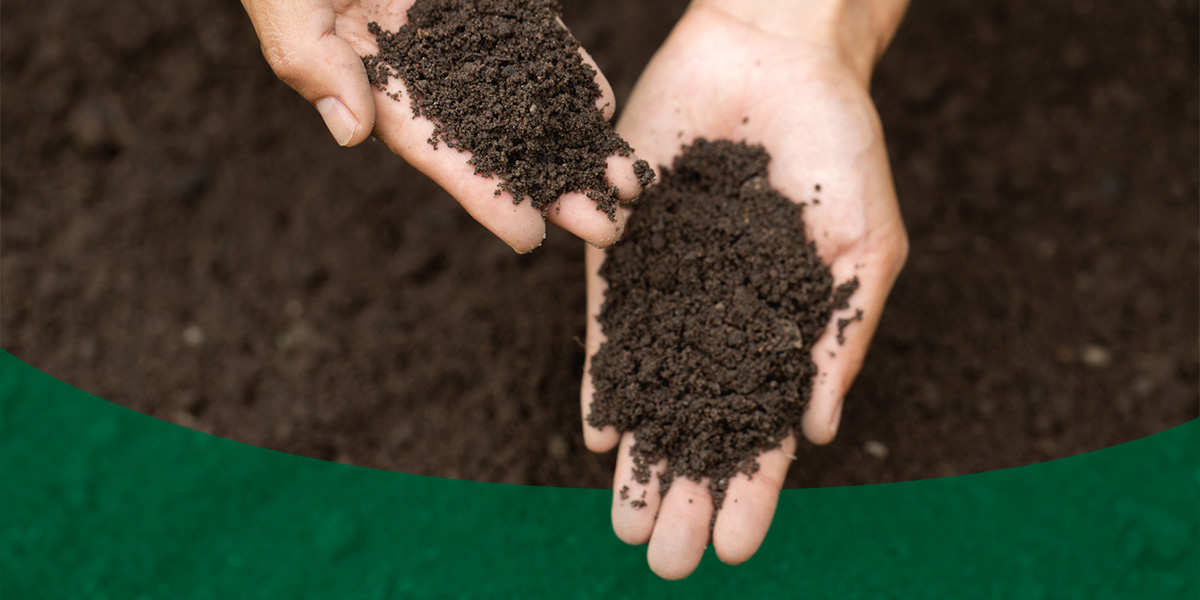
Clay soil presents unique challenges that affect watering choices. Its dense texture creates difficulties for water movement and retention. Understanding these challenges helps in selecting the right water system. The soil’s behavior impacts absorption, drainage, and plant health.
Water Absorption Issues
Clay soil absorbs water very slowly. Water tends to sit on the surface, causing runoff. This slow absorption can lead to water waste. Overwatering can drown plant roots and create muddy conditions. Careful watering is needed to allow water to soak in properly.
Drainage Concerns
Drainage is poor in clay soil due to its compact nature. Water does not flow through easily, increasing the risk of puddles. Standing water can harm plants and soil structure. Proper drainage systems or soil amendments may be necessary to improve water movement.
Impact On Plant Growth
Clay soil’s water retention affects plant roots negatively. Roots may struggle to get enough oxygen in wet conditions. Plants can become stressed from inconsistent moisture levels. Choosing a water system that controls water delivery helps plants thrive in clay soil.
Credit: cropcareequipment.com
Irrigation Options
Choosing the right irrigation option is essential for managing clay soil. Clay soil holds water tightly and absorbs it slowly. This means watering methods must avoid overwatering and runoff. Efficient irrigation helps plants grow deep roots and stay healthy. Below are three effective irrigation options to consider for clay soil.
Low Precipitation Rotary Sprinklers
Low precipitation rotary sprinklers deliver water slowly and evenly. They spray water in rotating streams that soak the soil gently. This method prevents water from pooling or running off. It matches clay soil’s slow absorption rate perfectly. These sprinklers reduce water waste and keep soil moist longer.
Drip Irrigation Systems
Drip irrigation releases water directly to plant roots. It uses tubes with small emitters placed near plants. Water drips slowly, giving clay soil time to absorb it deeply. This system minimizes evaporation and runoff. Drip irrigation saves water and supports healthy root growth.
Cycle And Soak Method
The cycle and soak method splits watering into short intervals. Instead of watering once for a long time, water in cycles with breaks. This lets water soak into clay soil gradually without runoff. It encourages roots to grow deeper and reduces water waste. This method works well with sprinklers or drip systems.
Watering Techniques
Watering techniques play a vital role in managing clay soil effectively. Clay soil holds water tightly, making proper watering methods essential for healthy plants. The goal is to provide water slowly and evenly to prevent problems like runoff and shallow roots. Adopting the right techniques improves water use and encourages strong plant growth.
Timing And Frequency
Water clay soil early in the morning to reduce evaporation. Watering during cooler hours ensures more moisture reaches roots. Adjust frequency based on the season. Water less in spring and fall, more during hot summer days. Avoid daily shallow watering, which keeps roots near the surface.
Preventing Runoff
Clay soil absorbs water slowly, causing runoff if watered too fast. Use slow, gentle watering methods like drip irrigation or low precipitation sprinklers. Water in short cycles, allowing soil to soak between sessions. This “cycle and soak” approach reduces water waste and erosion.
Encouraging Deep Roots
Deep roots help plants survive dry periods. Water deeply but less often to push roots downward. Aim for soaking soil to a depth of 6 to 8 inches. This encourages plants to grow stronger and become drought resistant. Deep watering also reduces surface moisture and fungal problems.
Pressure And Flow Management
Managing pressure and flow is vital for watering clay soil effectively. Clay soil holds water tightly, causing slow absorption. Poor pressure or flow causes uneven watering and runoff. Proper pressure ensures water reaches all parts of your garden. Balanced flow prevents water waste and soil erosion. This section explains how to manage pressure and flow for clay soil irrigation.
Overcoming Friction Loss
Friction loss happens when water moves through pipes and hoses. It lowers pressure along the line. Small tubing and long distances increase friction loss. Overcoming this loss keeps water pressure strong at each sprinkler or emitter. Use larger diameter pipes to reduce friction. Avoid sharp bends and long pipe runs. Higher pressure pumps help maintain steady flow. Regularly check for leaks or clogs that reduce pressure.
Ensuring Even Distribution
Even water distribution prevents dry spots and water pooling. Clay soil absorbs water slowly, so apply water gently. Use low precipitation sprinklers or drip emitters for slow, steady watering. Space emitters evenly to cover all soil areas. Adjust flow rates based on soil and plant needs. Use pressure regulators to keep flow steady. Test your system to ensure water spreads uniformly across your garden.
Septic Systems For Clay Soil
Septic systems require special care in clay soil due to its dense and slow-draining nature. Clay soil holds water tightly, which can cause wastewater to pool and fail to drain properly. Choosing the right septic system design helps protect your property and environment. Proper installation ensures long-term function without costly repairs.
Understanding the best septic system options for clay soil is essential. These systems handle slow absorption and prevent surface water problems. Let’s explore key designs and installation techniques that work well with clay soil conditions.
Mound Septic System Design
A mound septic system works well on clay soil. It lifts the drain field above ground to improve wastewater absorption. This design uses a sand mound to filter effluent safely before it enters the soil.
The mound system avoids direct contact with dense clay. It reduces the risk of system failure and groundwater contamination. Proper sizing and placement are critical to ensure the mound functions effectively.
Regular maintenance keeps the mound system healthy. It requires less space and adapts to poor soil drainage better than traditional systems.
Drain Field Installation
Drain field installation in clay soil needs careful planning. Trenches must be shallow and wide to allow slow water movement. The soil’s low permeability means water moves slowly through the field.
Use clean gravel and perforated pipes to help disperse wastewater evenly. The drain field should be located away from water sources and buildings. This prevents contamination and structural damage.
Testing soil absorption rates guides the size of the drain field. Proper installation reduces surface pooling and odors. Regular inspection ensures the system continues to work efficiently.
Credit: sonusgear.alibaba.com
Seasonal Adjustments
Adjusting your watering schedule is vital for clay soil. Clay holds water tightly and drains slowly. Seasonal changes affect how much water your soil needs. Adapting your irrigation system helps plants thrive throughout the year. Follow these tips for watering in different seasons.
Watering In Spring And Fall
Spring and fall bring cooler temperatures and more rain. Water your clay soil less often during these seasons. One or two deep waterings per week usually suffice. Deep watering helps roots grow stronger and reach deeper. Avoid frequent shallow watering to prevent waterlogging. Monitor rainfall and adjust watering accordingly to avoid overwatering.
Increasing Frequency In Summer
Summer heat dries clay soil faster. Increase watering frequency to keep plants healthy. Water three times a week or more if temperatures rise. Use the cycle and soak method to allow water to absorb slowly. Short watering cycles with breaks reduce runoff and erosion. Early morning watering minimizes evaporation and maximizes soil moisture.
Maintenance And Troubleshooting
Proper maintenance and troubleshooting keep your water system working well in clay soil. Clay soil holds water tightly and drains slowly. This can cause water to pool or run off, wasting water and harming plants. Regular checks help catch problems early. Adjustments to your system settings improve water use and plant health. Avoiding overwatering protects roots and keeps soil healthy. Follow these simple steps to maintain your irrigation system and fix common issues.
Checking For Runoff And Pooling
Look for water running off the soil surface after watering. Runoff means water is not soaking in properly. Check for puddles or wet spots that stay too long. These signs show the soil is saturated and cannot absorb more water. Adjust watering times to shorter, more frequent cycles. This helps the soil soak water better and reduces runoff. Remove debris blocking water flow around sprinklers or drip emitters. Keep the area clean for even water distribution.
Adjusting System Settings
Set your irrigation system to water in short bursts with breaks. Clay soil needs time to absorb water slowly. Use the “cycle and soak” method to avoid water waste. Change watering schedules based on weather and seasons. Water less during cool or rainy days. Increase watering in hot, dry weather. Check your sprinkler or drip system for leaks or clogs. Fix any broken parts to keep water pressure even. Proper settings save water and keep plants healthy.
Avoiding Overwatering
Overwatering is a common problem with clay soil irrigation. Too much water can drown roots and cause disease. Water deeply but less often to encourage strong roots. Use a soil moisture sensor to check if the soil is dry before watering. Avoid watering every day unless the sensor shows dry soil. Adjust watering times to fit plant needs and soil type. Proper watering helps plants grow well and prevents water waste. Watch plants for signs of too much water, like yellow leaves.
Frequently Asked Questions
What Is The Best Irrigation System For Clay Soil?
The best irrigation system for clay soil uses low precipitation rotary head sprinklers. They apply water slowly to prevent runoff and overwatering. The “cycle and soak” method further helps water penetrate deeply, promoting healthy root growth and reducing water waste.
What Is The 30/30 Rule For Irrigation?
The 30/30 rule for irrigation means watering for 30 minutes, then waiting 30 minutes before watering again. This prevents runoff and improves water absorption.
What Is The 1/2/3/2:1 Watering Method?
The 1/2/3/2:1 watering method cycles watering times to let soil absorb water deeply. It prevents runoff and promotes root growth.
What Septic System Is Best For Clay Soil?
A mound septic system works best for clay soil. It elevates the drain field, improving drainage and preventing system failure.
Conclusion
Choosing the right water system for clay soil takes care and thought. Use low precipitation sprinklers to avoid water pooling. The cycle and soak method helps water soak deeply. Water early in the morning to save water. Proper watering encourages strong roots and healthy plants.
Small changes in watering habits make a big difference. Select a system that matches your soil and garden needs. This keeps your plants happy and your soil healthy. Simple steps lead to better water use in clay soil.