
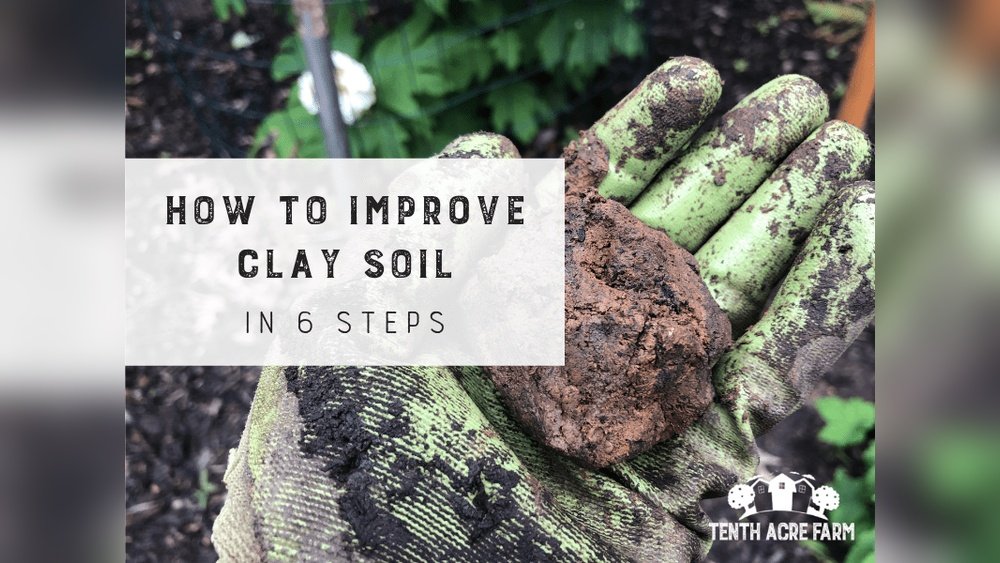
Are you struggling with waterlogged, heavy clay soil that just won’t drain? You’re not alone.
Clay soil can hold too much water, making it hard for your plants to grow healthy roots. But there’s good news—you can fix this. By applying the right soil amendments, you’ll improve drainage and create a healthier environment for your garden.
Keep reading, and you’ll discover simple, effective steps to transform your clay soil and boost your plants’ growth. Your garden will thank you!

Credit: www.tenthacrefarm.com
Challenges Of Clay Soil
Clay soil is tough to manage in gardens and yards. Its heavy texture makes water drainage slow. This causes many problems for plants. Clay holds water for a long time. It also compacts easily, making it hard for roots to grow. Understanding these challenges helps improve soil health.
Properties Affecting Drainage
Clay soil has tiny, flat particles packed closely. This tight packing blocks water from moving freely. Water stays on the surface or pools in low spots. Poor air flow happens too. Roots struggle without enough oxygen. Clay soil swells when wet and shrinks when dry. This causes cracks and uneven ground.
Common Problems In Clay Soil
Waterlogging is a major issue with clay soil. Excess water drowns plant roots. Plants often show yellow leaves or wilt. Clay soil also drains very slowly. This delays planting after rain. Compacted clay blocks root growth. This limits access to nutrients and water. Poor drainage can increase pests and diseases. These problems reduce plant health and growth.

Credit: deepgreenpermaculture.com
Choosing The Right Amendments
Choosing the right soil amendments is key to improving clay soil drainage. Clay soil holds water tightly and drains slowly. Amendments help break up clay particles and make space for air and water. This section explains the best materials to add to clay soil. Understanding each type helps you pick the right one for your garden.
Organic Materials
Organic materials come from plants and animals. They improve soil texture and add nutrients. Examples include peat moss, leaf mold, and aged manure. These materials increase soil aeration and water movement. They also feed soil microbes, which improve soil health over time. Organic amendments slowly break down, enriching the soil naturally.
Inorganic Materials
Inorganic materials are non-living substances. Sand, perlite, and vermiculite are common types. These materials improve drainage by creating gaps in the soil. They do not add nutrients but help water flow through clay soil. Inorganic amendments work faster than organic ones. Use them carefully to avoid making soil too loose or dry.
Compost And Mulch Benefits
Compost is decomposed organic matter rich in nutrients. It improves soil structure and boosts drainage. Mulch covers the soil surface to retain moisture and reduce erosion. Both compost and mulch protect soil and support plant growth. Applying them regularly keeps clay soil loose and healthy. They create a better environment for roots and beneficial organisms.
Preparation Before Application
Preparing clay soil before applying amendments is important for good results. This step helps the amendments work better and improves soil drainage. Proper preparation creates a healthy environment for plants to grow strong roots.
Preparation involves testing the soil and making it ready to absorb the amendments. Taking time here saves effort later and ensures better soil structure.
Soil Testing Techniques
Test the soil to know its current condition. Use a simple soil test kit from a garden store. Collect soil samples from different spots in your garden. Mix samples for an average reading. Check pH, nutrient levels, and soil texture. This information guides what amendments to add.
Send samples to a local extension service for detailed analysis. They provide precise recommendations for clay soil improvement. Knowing the soil’s needs prevents adding too much or too little amendment.
Clearing And Loosening Soil
Remove debris like rocks, sticks, and old roots from the soil surface. Clear the area fully to make working easier. Next, loosen the clay soil to improve air and water flow.
Use a garden fork or tiller to break up the soil to a depth of about 6 to 8 inches. Avoid compacting the soil during this process. Loosening helps amendments mix well and allows roots to spread.

Credit: extension.umd.edu
Step-by-step Amendment Application
Applying soil amendments to clay soil improves drainage and soil health. Follow these clear steps to prepare your soil for planting. Proper application helps water flow better and roots grow stronger. Below is a simple guide to amend clay soil effectively.
Measuring And Mixing Amendments
Start by measuring the right amount of soil amendments. Common amendments include compost, sand, and gypsum. Use a shovel or bucket to scoop equal parts of each. Mix them well in a wheelbarrow or on a tarp. A thorough mix ensures even distribution in the soil.
Incorporating Amendments Into Soil
Loosen the clay soil using a garden fork or tiller. Spread the mixed amendments evenly over the soil surface. Work the amendments into the soil at least 6 to 8 inches deep. Break up large clumps of clay as you mix. This step improves soil texture and drainage.
Watering And Settling
After mixing, water the soil gently but deeply. Moist soil helps amendments settle into place. Avoid overwatering, which can cause compaction. Let the soil rest for a few days before planting. This allows the amendments to improve soil structure properly.
Maintenance For Long-term Drainage
Maintaining good drainage in clay soil requires ongoing care. Soil amendments improve drainage, but their effects fade over time. Regular maintenance keeps your soil healthy and well-drained. It helps plants grow strong and prevents waterlogging.
Regular Soil Aeration
Aerate clay soil to improve airflow and water movement. Use a garden fork or aerator tool to poke holes. Do this at least twice a year. It breaks up compacted soil and lets roots breathe. Aeration reduces puddles and helps water drain faster.
Reapplying Amendments
Clay soil needs fresh amendments over time. Organic matter like compost or peat moss breaks down and loses effect. Add new compost every year in spring or fall. Spread it on the surface and work it into the top soil. This keeps soil texture loose and drainage steady.
Monitoring Soil Moisture
Check soil moisture regularly to avoid water problems. Use a moisture meter or stick your finger into the soil. If soil feels too wet or dry, adjust watering habits. Proper moisture balance supports healthy roots and prevents soil compaction. This helps maintain good drainage for longer.
Expert Tips And Common Mistakes
Applying soil amendments to clay soil requires care and knowledge. Many gardeners make simple mistakes that reduce the benefits of their efforts. Using the right tips can help improve drainage and soil health.
Understanding these expert tips helps you avoid common errors. It also ensures your amendments work as intended. The right timing, amount, and tools make a big difference.
Avoiding Over-amendment
Too much amendment can harm clay soil structure. It may create a layer that blocks water movement. Always add amendments gradually and mix well. Small amounts over time improve soil better than one big change. Over-amendment wastes materials and effort.
Timing And Seasonal Considerations
Amend soil during early spring or fall. These seasons allow amendments to settle before planting. Avoid working soil when it is very wet or frozen. Wet clay compacts easily and damages soil structure. Dry soil is hard to mix well with amendments.
Tools To Use
Choose tools that mix amendments deeply and evenly. A garden fork or rototiller works well for clay soil. Use a shovel for smaller areas but mix thoroughly. Avoid compacting soil with heavy equipment after amending. Light raking finishes the surface without damage.
Frequently Asked Questions
What Are The Best Soil Amendments For Clay Soil?
Organic matter like compost, peat moss, and aged manure improve clay soil structure. Gypsum also helps break up compacted clay, enhancing drainage and aeration.
How Do Soil Amendments Improve Clay Soil Drainage?
Amendments increase pore space in clay, allowing water to drain faster. They also improve soil texture, preventing waterlogging and root rot.
When Is The Best Time To Apply Soil Amendments?
Apply amendments in early spring or fall before planting. This timing allows proper mixing and soil conditioning for better plant growth.
How Much Soil Amendment Should I Add To Clay Soil?
Add 2 to 4 inches of organic matter on top, then mix into the top 6 to 8 inches of soil for best results.
Conclusion
Improving clay soil drainage takes patience and the right steps. Add organic matter like compost or peat moss to help loosen the soil. Work amendments into the soil well before planting. Water the area to check how well it drains.
Keep repeating this process each season for best results. Good drainage helps plants grow stronger and stay healthy. Small changes make a big difference over time. Start today and watch your garden improve little by little.