
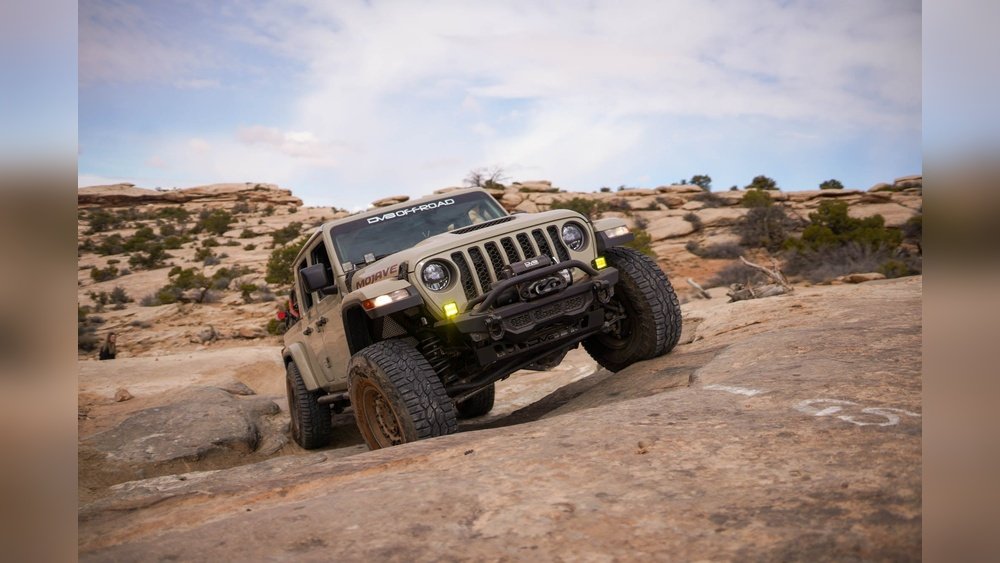
Jeep owners love adventure, mud, and that feeling of freedom on the trail. But for many, the excitement ends once they hit the road. One thing quickly becomes clear: mud tire noise can turn every drive into a headache. That deep hum, whine, or drone is more than just annoying—it can drown out music, make conversations difficult, and even cause fatigue on long trips. If you drive a Jeep with mud tires, you probably know this struggle.
But what if you could reduce that noise and still enjoy all the off-road performance you want? There are real ways to prevent mud tire noise or at least make it much more manageable. This guide gives practical tips, real-world examples, and expert insights for Jeep drivers who want the best of both worlds—off-road grip and on-road comfort.
Why Mud Tires Are Noisy: Understanding The Problem
Before you can solve the problem, you need to know why it happens. Mud tires are different from regular highway tires. They have large, aggressive tread blocks designed to grip mud, rocks, and uneven terrain. These gaps and blocks are great for off-road traction, but they create a lot of space for air to move and slap the road. That movement makes sound—sometimes a deep roar, sometimes a high-pitched whine.
The three main reasons for mud tire noise:
- Tread design: The bigger the gaps, the louder the sound.
- Rubber compound: Harder rubber lasts longer but can make more noise.
- Driving speed: Noise increases as you go faster.
A less obvious factor is tire maintenance. Worn, unbalanced, or misaligned tires often make more noise, even if they’re designed to be quiet.
Even tire age plays a role. As tires get older, the rubber becomes harder and less flexible. This not only reduces grip but also allows more noise to transfer into the cabin. Some drivers notice their tires getting louder after a few years, even if the tread looks fine. Another detail: The shape and height of the tread blocks can amplify certain frequencies. Some Jeep owners report a “drone” at specific speeds because the tread pattern resonates at those ranges.
If you have roof racks, aftermarket mirrors, or other accessories, these can also bounce tire noise back into the cabin. The combination of tire design, rubber hardness, and Jeep modifications creates a unique noise signature that’s hard to ignore.
Choosing The Right Mud Tires For Less Noise
Not all mud tires are created equal. Some are quieter by design. If you’re shopping for new tires, start here—the best way to prevent noise is to pick the right product from the start.
Tread Pattern Matters
Tread pattern is the biggest factor. Look for staggered tread blocks or asymmetrical patterns. These spread out the sound waves instead of focusing them, which reduces noise. Tires with continuous center ribs or smaller gaps are usually quieter on pavement.
Manufacturers sometimes use computer modeling to design quieter tread patterns. For example, some tires feature “variable pitch” technology, where the spacing of the blocks changes around the tire. This breaks up sound waves, making the tire less likely to produce a consistent hum.
If you see “variable pitch” or “multi-pitch” in the tire specs, it’s usually a good sign for lower noise.
Another factor is the depth of the tread. Deeper tread may be good for mud, but it can trap stones and debris, which adds to the noise. Some tire brands design their tread to eject stones quickly, helping keep the ride quieter.
Compare Popular Mud Tires For Noise
Here’s a comparison of some well-known mud tire models and their reported road noise levels:
| Tire Model | Tread Pattern Type | Reported Noise Level (1-10)* | Notes |
|---|---|---|---|
| BFGoodrich Mud-Terrain T/A KM3 | Staggered blocks | 6 | Balanced for off-road and on-road |
| Goodyear Wrangler MT/R | Asymmetrical | 5 | Good on-road manners for a mud tire |
| Cooper Discoverer STT Pro | Aggressive | 7 | Great in mud, a bit louder |
| Falken Wildpeak M/T | Hybrid | 4 | One of the quietest mud tires |
| Toyo Open Country M/T | Traditional | 8 | Very durable, but noisy on highways |
*1 = quietest, 10 = loudest (based on owner reviews and professional tests)
Non-obvious tip: Some brands offer “hybrid” mud tires. They mix mud grip with all-terrain patterns for less noise.
A second non-obvious detail: Check for tires that include “siping” (thin slits in the tread blocks). Siping can help reduce noise and improve wet traction, but many mud tires skip this. Some newer models add extra siping for better balance between noise and grip.
Size And Sidewall Choices
Wider tires often make more noise because there’s more rubber hitting the road. Picking a slightly narrower tire can reduce noise. Also, tires with thicker sidewalls may absorb some sound, but they might ride harder.
For example, if you’re debating between a 33-inch tire and a 35-inch tire, the larger one will likely be louder, especially on pavement. Lower profile tires (shorter sidewall) can transfer more vibration, making the cabin noisier. If you want a quieter ride, stick with factory sizes or just one step bigger.
Some Jeep owners use “load range” ratings to choose tires. Higher load range (like E) means tougher sidewalls but also stiffer ride and sometimes more noise. If you don’t need the extra strength, choosing a lower load range can help with comfort and quietness.
Ask For A Noise Rating
Many tire shops list a “noise rating.” It’s not always clear in ads, but you can ask. Look for tires rated for quiet performance on pavement. If you do a lot of highway driving, it’s worth the extra research.
Check owner forums and reviews. Many Jeep clubs or online groups share their real-world experience. Sometimes, tires with similar tread designs perform differently because of the rubber compound or sidewall construction. Don’t rely only on manufacturer claims—look for people who drive similar Jeeps to yours.
Credit: www.jonespowersportsok.com
Proper Tire Maintenance: The Overlooked Secret
Even the quietest mud tire can get noisy if not cared for. Good maintenance is your next line of defense.
Keep Tires Properly Inflated
Under-inflated or over-inflated tires both get louder. Check your Jeep’s recommended pressure (usually on the door sticker or manual). A simple digital gauge can help you check every month.
Temperature changes can affect tire pressure, so check it after big weather swings. For example, a drop in temperature can lower pressure and make tires noisier. If you drive off-road and air down your tires, make sure to re-inflate when you return to pavement.
Regular Tire Rotation
Mud tires wear unevenly. Rotate them every 5,000 to 7,000 miles. This keeps the tread blocks even, which keeps noise levels stable.
If you drive mainly on one side of the road, you may notice more wear on that side’s tires. Rotating tires helps balance out these effects. Some Jeep owners set reminders to rotate tires every oil change, so it becomes routine.
Balancing And Alignment
Unbalanced tires create vibration, which makes noise worse. Get your tires balanced with every rotation. Alignment is just as important—if your Jeep pulls to one side, or the steering feels off, get an alignment. This prevents odd wear patterns that cause extra noise.
Wheel weights can fall off, especially after off-road use. If you notice new vibration or noise after a trail day, check for missing weights and get a rebalance. Alignment should be checked after any suspension work or if you hit a big pothole.
Tread Depth And Age
Old tires, even with good tread, get harder and noisier. Replace mud tires every 5-6 years—even if you don’t drive much. Fresh rubber is usually quieter.
Look for dry cracks or faded color as signs of aging. If your tires are older, they may not just be louder—they can also be unsafe. Even if the tread looks deep, age matters.
Watch For Cupping And Feathering
Cupping means uneven high and low spots on the tread. Feathering is when the edges of the tread blocks feel sharp on one side, smooth on the other. Both cause a “wub-wub” or rumbling sound. If you notice this, ask your shop to check shocks, alignment, and balance.
Addressing suspension issues early can prevent more expensive repairs later. If your tires start making new noises, don’t just ignore it. Find the cause and fix it before it gets worse.
Noise Reduction Accessories For Jeeps
You don’t have to stop with the tires. There are accessories and upgrades that can make your Jeep’s ride much quieter.
Install Wheel Well Liners
Many Jeeps have bare metal wheel wells. Adding plastic or rubber liners can block some of the road noise before it reaches the cabin. These are easy to install and not too expensive.
Liners also protect against rocks, mud, and rust. Some owners report that even homemade liners (cut from thick rubber mats) help reduce noise. If you do a lot of off-roading, liners keep the wheel wells cleaner and easier to rinse.
Use Sound Deadening Mats
The floor and doors of most Jeeps are thin. Adding sound deadening mats under the carpet, on the firewall, and inside the doors helps. Popular brands include Dynamat and Kilmat. Installing these mats can reduce tire noise by 20-30% according to user reviews.
When installing mats, focus on large flat panels—doors, floor, and cargo area. Even a few small pieces can make a big difference. Some Jeep owners double up mats in problem areas, like under the rear seats or inside the wheel wells.
Hard Top Vs. Soft Top
If your Jeep has a soft top, you’ll hear much more noise. Hard tops block more sound. A dual-layer soft top is better than a single-layer, but still not as quiet as a hard top.
Here’s a quick look at the difference:
| Jeep Top Type | Noise Reduction vs. No Top | Notes |
|---|---|---|
| Soft Top (single layer) | 5-10% | Minimal insulation |
| Soft Top (dual layer) | 10-20% | Better, but not perfect |
| Hard Top | 30-40% | Best for blocking tire noise |
Some owners add headliners to hard tops for extra insulation. Headliners are foam-backed panels that stick to the inside of the roof. This can cut noise further and also help keep the cabin cooler in summer.
Weatherstripping Upgrades
Old door seals let in more noise. Replacing worn weatherstripping around doors and windows gives a tighter seal and a quieter cabin.
You can buy complete weatherstripping kits for Jeeps. Even a small gap can let in a lot of sound. Make sure doors and windows close snugly. If you hear wind or tire noise getting louder, check for missing or damaged seals.
Underbody Coating
A spray-on rubberized underbody coating can also help. It absorbs sound from the tires and road. Many DIY kits are available, but professional application usually lasts longer.
Underbody coating also protects against rust and salt, so it’s a good investment if you drive in wet or snowy areas. Some Jeep shops offer soundproofing packages that include underbody coating, wheel well liners, and door seals.
Driving Habits That Reduce Mud Tire Noise
How you drive makes a big difference, too. Small changes in speed and route can have a noticeable impact.
Slow Down
Mud tire noise increases with speed. Driving 5-10 mph slower on highways can cut down on noise by up to 25%. If you don’t need to rush, this is an easy fix.
If you often drive at highway speeds, try to keep your speed just below the “drone zone”—the speed where tire noise peaks. Many drivers find that tire noise is loudest between 50 and 65 mph. Experiment to find your Jeep’s quiet spot.
Choose Smoother Roads
Rough, grooved, or concrete roads make mud tires much louder. If possible, choose smooth asphalt routes for daily drives. The difference is especially clear on long road trips.
Some navigation apps let you pick routes based on road types. If you’re planning a trip, check the map for smoother highways. Even a few extra miles on good pavement can make your drive more pleasant.
Avoid Sudden Turns And Hard Braking
Sharp turns and quick stops make the tread blocks flex and slap the road, producing more noise. Gentle driving keeps the noise level down and extends tire life.
If you drive in city traffic, try to anticipate stops and turns. Smooth steering and braking not only reduce noise but also help your tires last longer.
Keep Windows Closed
It sounds obvious, but even a small crack in a window can make tire noise seem much louder. If you want fresh air, use the vent instead.
Modern Jeeps have good ventilation systems. If you need extra airflow, use the recirculation setting to keep outside noise down.
When To Consider Switching Tires
Some Jeep drivers realize that their needs have changed. If you spend 90% of your time on pavement, pure mud tires may not make sense.
All-terrain Vs. Mud Tires
All-terrain (A/T) tires are a middle ground. They’re not as aggressive in deep mud, but much quieter on the road. Many drivers switch to A/T tires for everyday driving, then swap to mud tires for special trips.
Here’s how mud tires and all-terrain tires compare for noise and performance:
| Feature | Mud Tires | All-Terrain Tires |
|---|---|---|
| Road Noise | High | Low to Medium |
| Off-Road Grip (Mud/Rocks) | Excellent | Good |
| Highway Comfort | Rougher | Smoother |
| Tire Life | Shorter | Longer |
A/T tires often use softer tread blocks and more siping. They’re not as tough in deep mud, but they give a quieter, more comfortable ride. If you only go off-road once in a while, A/T tires are a smart compromise.
Dual Sets Of Tires
Some Jeep owners keep two sets of wheels—mud tires for off-road, and quieter all-terrain or highway tires for daily use. While this costs more upfront, it can save money in the long run by extending tire life and improving comfort.
Tip: If you do this, make sure to store unused tires in a cool, dry place out of sunlight.
Swapping tires is easier with a second set of wheels. You can change them yourself or have a shop do it. This also lets you rotate both sets for longer life.
Credit: www.kirbyssupersports.com
The Role Of Suspension And Jeep Modifications
Lifts, shocks, and other mods change how your Jeep rides—and can affect tire noise.
Upgraded Shocks
Worn-out shocks let the tire bounce, which makes noise worse. Upgrading to quality shocks helps keep the tire planted, reducing slap and road noise.
Good shocks also help control the Jeep’s body movement, making the ride smoother and quieter. If you notice your Jeep “floats” or bounces, it’s time to check the shocks.
Suspension Lifts
Big lifts often change the angle at which tires hit the road. If not properly installed, this can cause uneven tire wear and more noise. Always align your Jeep after a suspension change.
Lift kits often require longer control arms and new hardware. Make sure everything is tight and aligned. Even a small angle change can make tires roar.
Weight Distribution
Heavy bumpers, winches, and rooftop tents add weight. More weight means more tire contact with the road, which can increase noise. Balance your load and avoid unnecessary weight when possible.
If you carry gear for camping or overlanding, try to keep the heaviest items low and centered. This helps the tires wear evenly and reduces noise.
Skid Plates And Armor
While protective, thick skid plates can reflect sound into the cabin. Adding sound-deadening material over them can help.
If you notice extra noise after installing armor, try adding foam or rubber pads between the plate and the Jeep’s body. This keeps the plate from acting like a drum.
Real-world Examples: Jeep Owners’ Solutions
Hearing from other Jeep owners can give you some creative ideas.
- Mark from Texas switched to Falken Wildpeak M/Ts after running Toyo Open Country M/Ts. He reports “about half the noise” and much happier road trips.
- Jenna in Oregon lined her wheel wells with homemade rubber mats and noticed her Jeep Wrangler was “quieter by at least a few decibels.”
- Carlos from Arizona rotates his mud tires every oil change and balances them each time. He says, “Tire noise never gets worse, even after 30,000 miles.”
One less-known trick: Some owners add foam strips inside the fender flares to block noise before it enters the cabin. It’s cheap, easy, and reversible.
Another practical example: Sarah in Colorado installed a headliner kit in her hard top. She found that highway noise dropped enough to talk at normal volume, even with mud tires. For her, the cost was worth the comfort.
Common Mistakes When Trying To Prevent Mud Tire Noise
Mistakes can waste money or even make noise worse. Here are a few to avoid:
- Ignoring tire pressure: Many drivers forget to check monthly. Even a few PSI too low or high increases noise.
- Skipping tire rotations: This leads to uneven wear and more sound.
- Buying the most aggressive tire: Unless you’re in mud every week, the most extreme tire is overkill.
- Cheap soundproofing materials: Low-quality mats might peel or smell bad inside the Jeep.
- Not aligning after lifts: This causes poor tire contact and noise.
- Overloading the Jeep: Too much weight increases tire noise and reduces fuel economy.
Another easy mistake: Not cleaning tires regularly. Mud, stones, or debris can build up in the tread, making noise worse. A quick rinse after off-roading keeps tires quieter and helps them last longer.
Frequently Asked Questions
What Makes Mud Tires Louder Than Regular Tires?
Mud tires have large, open tread blocks with wide gaps. These gaps help in mud and off-road conditions, but when driving on pavement, they create air turbulence. This turbulence produces the distinctive humming or roaring noise you hear, especially at higher speeds.
Can Tire Rotation Really Reduce Mud Tire Noise?
Yes, regular tire rotation helps even out tread wear. When tires wear unevenly, they produce more noise. Rotating them every 5,000 to 7,000 miles distributes wear more evenly and keeps the noise from getting worse over time.
Will Sound Deadening Mats Make A Big Difference In My Jeep?
Sound deadening mats can reduce cabin noise by 20-30% according to many Jeep owners. Installing them under the carpet, in doors, and on the firewall helps block tire and road noise before it reaches your ears. The difference is especially noticeable at highway speeds.
Are Hybrid Mud Tires A Good Solution For Less Noise?
Hybrid mud tires combine features of mud and all-terrain tires. They offer improved off-road grip compared to A/T tires but are quieter than full mud tires. If you want a balance between off-road performance and road comfort, hybrids are a smart choice.
Where Can I Find More Information About Mud Tire Technology?
You can learn more about mud tire technology and advances in tread design by visiting resources like the Wikipedia Tire Page. These sources explain tire construction, materials, and noise reduction methods in detail.
—
Preventing mud tire noise on your Jeep is about making smart choices—from tire selection and maintenance to driving habits and soundproofing upgrades. With a few changes, you can enjoy both the freedom of the trail and comfort on the road.
Every Jeep and every driver is different, so experiment to find what works best for you. Soon, you’ll spend less time listening to your tires and more time enjoying the drive.

Credit: mountainoffroad.com