
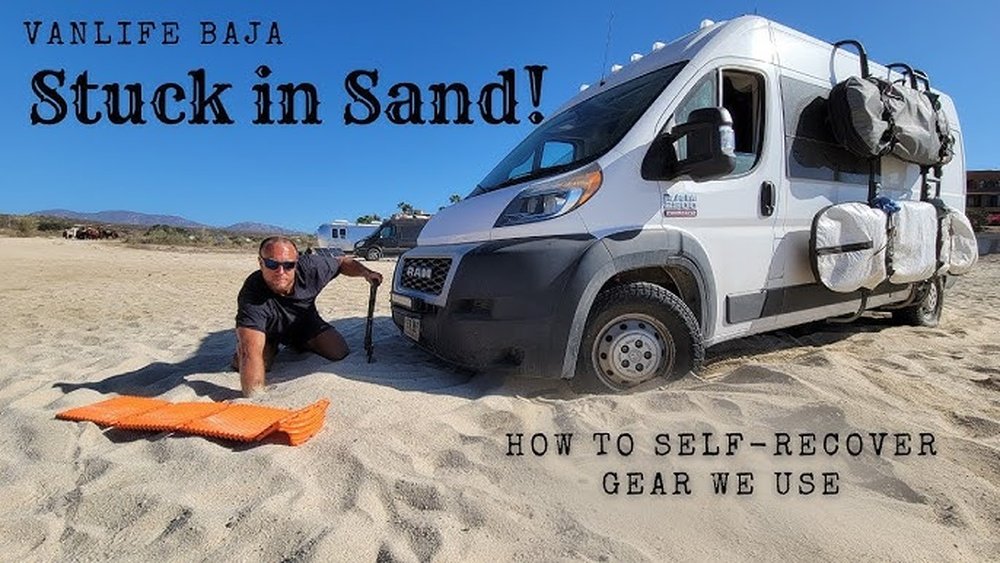
Getting a Jeep stuck happens to almost everyone who loves off-roading. Mud, sand, snow, or rocks can trap your vehicle, turning a day of adventure into a test of patience and skill. But what if you are alone, with no one to pull you out?
Knowing how to self recover a stuck Jeep is not just about getting moving again—it’s about safety and confidence. This guide will give you detailed, practical advice so you can handle these situations with less stress and more success.
Understanding Why Jeeps Get Stuck
A Jeep is built for tough terrain, but even the best 4×4 can get stuck. Soft mud, deep snow, or loose sand can swallow your tires. Sometimes, an obstacle like a fallen log or large rock blocks your path. Even experienced drivers can misjudge the ground or their approach.
Several factors increase the risk of getting stuck:
- Tire type and condition
- Weight distribution
- Ground clearance
- Tire pressure
- Speed and momentum
- Weather conditions
Knowing these factors can help you avoid trouble. For example, driving too slowly in deep sand can make your tires sink, while hitting mud at high speed may dig you in deeper.
Basic Principles Of Self Recovery
Before you try any recovery method, keep these basic principles in mind:
- Stay calm. Panic leads to poor decisions.
- Assess the situation. Check how deep you’re stuck, tire position, and ground type.
- Avoid spinning tires. Too much throttle often makes things worse.
- Plan your escape. Think through each step before you act.
Many beginners think power is always the answer. In reality, careful planning and small changes often work best.
Credit: jeepjamboreeusa.com
Essential Self Recovery Gear
Having the right tools makes self recovery much easier and safer. Here are the main items you should always carry:
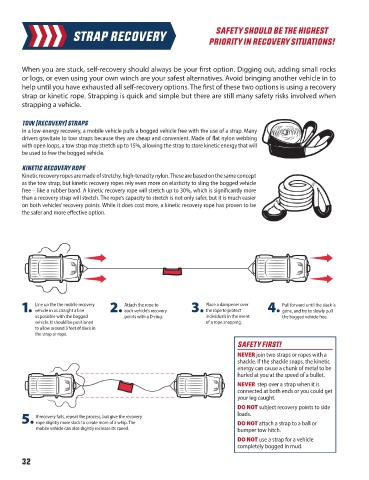
- Recovery straps (rated for your vehicle’s weight)
- Winch (mounted or portable, with proper capacity)
- D-shackles or soft shackles
- Traction boards (like Maxtrax)
- Shovel (folding or full-size)
- Hi-lift jack (with base plate for soft ground)
- Gloves (heavy-duty, for rope and strap handling)
- Tire pressure gauge
- Compressor (for airing tires up or down)
- Tree saver strap (if you need to winch from a tree)
Packing these items saves time and can prevent damage to your Jeep.
Gear Comparison: Traction Boards Vs Recovery Straps
Here’s a simple comparison of two popular recovery tools:
| Tool | Best For | Pros | Cons |
|---|---|---|---|
| Traction Boards | Sand, Mud, Snow | Easy to use, reusable, safe | Bulky, limited effectiveness in deep mud |
| Recovery Straps | All terrains (with anchor point) | Strong, versatile, compact | Need anchor or another vehicle |
Step-by-step: How To Self Recover A Stuck Jeep
Self recovery methods depend on the situation, but there is a general process you can follow. Let’s break it down.
1. Evaluate The Situation
Exit your Jeep safely. Walk around and check:
- How deep are the tires buried?
- What is under the Jeep—rock, mud, logs?
- Is your Jeep level, or is it tilting?
- Is there any damage?
Take a picture if possible. This can help you remember how things started and spot improvements.
2. Try The Simple Solutions First
Often, you can recover with basic steps:
- Clear debris in front and behind your tires.
- Dig out around the tires using a shovel.
- Remove excess weight from the Jeep (passengers, gear).
- Turn the steering wheel gently left and right to find grip.
Lowering tire pressure is a powerful trick:
- For sand: Reduce to 12–15 psi
- For mud: 15–18 psi
- For rocks: 18–22 psi
Lower pressure increases the tire’s “footprint,” giving better traction. Just remember to reinflate after recovery.
3. Use Traction Aids
Traction boards can be lifesavers. Slide them under the tires that are spinning or stuck. If you don’t have boards, use:
- Floor mats (from your Jeep)
- Branches or sticks
- Small rocks
Move slowly onto the traction aid. Fast spinning can shoot the board out and cause injury.
4. Rocking The Jeep
The “rocking” technique can help if you’re only slightly stuck:
- Shift between drive and reverse (or first and reverse gear).
- Use gentle throttle—don’t spin tires.
- Time your shifts with the Jeep’s natural movement.
This builds momentum. If you feel the Jeep moving more, keep going. If you dig deeper, stop.
5. Winching Yourself Out
If you have a winch, it’s one of the safest and most reliable recovery tools. Here’s how to use it:
- Find a solid anchor point (tree, rock, ground anchor).
- Use a tree saver strap to protect the anchor.
- Attach the winch hook securely (use D-shackles if needed).
- Put a damper (like a heavy jacket) over the winch line for safety.
- Stand clear, and use the remote to pull the Jeep out slowly.
Never winch from a weak or questionable anchor. If you don’t have a natural anchor, you can bury your spare tire as a “deadman” anchor.
6. Hi-lift Jack Recovery
A hi-lift jack can lift your Jeep to place rocks or boards under the tires. This is useful in deep ruts or mud holes.
- Place the jack on a stable base (use a wide plate in soft ground).
- Jack up the stuck corner.
- Fill under the tire with solid material.
- Lower the Jeep carefully.
Hi-lift jacks are powerful but can be dangerous. Always keep hands and feet clear of the mechanism.
7. Using A Recovery Strap Alone
If you’re alone, you can anchor a recovery strap to a tree (using a tree saver) and use your Jeep’s movement to help extract it. This is called a “self-tug”:
- Wrap the strap around a sturdy anchor.
- Attach to your recovery point.
- Use low gear and gentle throttle.
This method is less controlled than winching but can work in mild situations.
8. Airing Down And Building Traction Ramps
When no tools are available, use local materials:
- Air down tires as much as safely possible.
- Dig ramps in front of the tires.
- Fill the ruts with sticks, rocks, or sand.
Sometimes, just a few extra inches of traction is enough.
9. Advanced Techniques: The Deadman Anchor
If no trees or rocks are around, you can create your own anchor:
- Dig a hole in front of your Jeep.
- Place your spare tire or a large log in the hole.
- Attach your winch line or strap.
- Bury the anchor and pack the soil tightly.
This method takes time but can save you in open areas like beaches or deserts.
10. Safety Tips During Recovery
Never put your body between the Jeep and the anchor. Always keep bystanders away from winch cables and straps. Inspect all gear for damage before use. If a rope or strap looks frayed, don’t use it.
Credit: www.quadratec.com
Comparing Tire Pressure Effects On Traction
Reducing tire pressure increases traction, but how much does it help? Here’s a simple look:
| Tire Pressure (psi) | Contact Patch Increase | Best Terrain |
|---|---|---|
| 30 | Standard | Pavement, gravel |
| 18 | +35% | Rocks, mud |
| 12 | +60% | Sand |
Lower pressure gives more grip, but also increases the risk of a tire coming off the rim (“debeading”). Don’t go too low unless necessary, and always have a way to reinflate your tires.
Common Mistakes To Avoid
Many self recovery attempts fail because of these common mistakes:
- Spinning tires too much, making the hole deeper.
- Using weak anchor points, risking equipment failure.
- Forgetting to check for damage before recovery.
- Standing too close to winch lines or straps under tension.
- Not lowering tire pressure when stuck in soft ground.
Another mistake: relying only on one method. Often, a combination works best—for example, airing down, digging, and using traction boards together.
Credit: theadventureportal.com
Real-world Examples Of Self Recovery
Stories from other Jeep owners can help you learn.
- Deep Mud in Louisiana: One driver got stuck axle-deep in mud. He aired down to 13 psi, dug out his tires, and used floor mats for traction. After 30 minutes, he was free—without a winch.
- Desert Dunes in Nevada: A solo traveler buried his Jeep in sand. He used a sand anchor (buried spare tire) and his winch. The slow, steady pull worked, but he learned to carry extra water and shade while working.
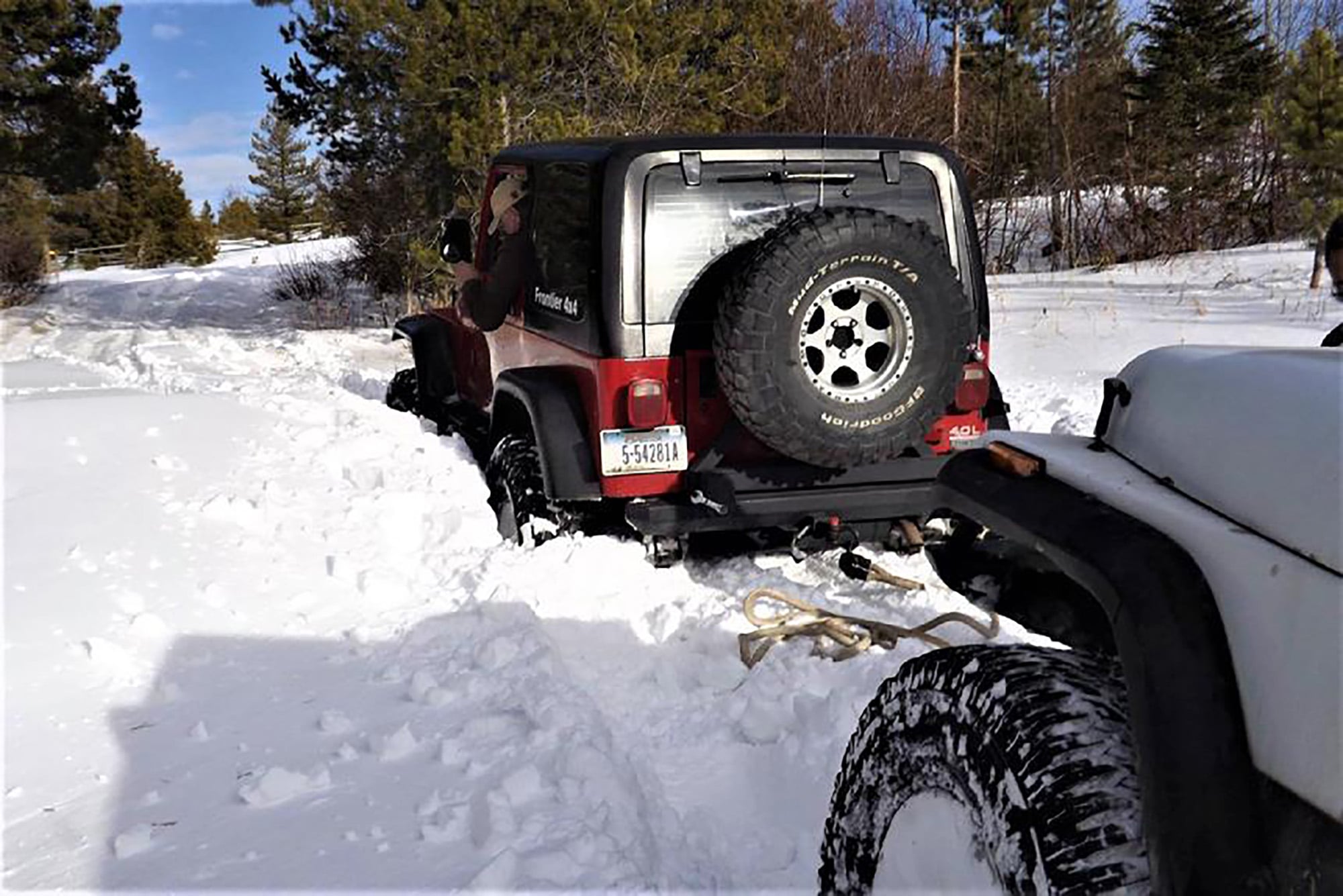
- Snow in Colorado: After sliding off a trail, a Jeep owner used a hi-lift jack to build a rock ramp, then winched sideways to get back on track.
These examples show that patience, creativity, and the right gear make a big difference.
Preventing Getting Stuck: Proactive Tips
Avoiding recovery is always better. Here are tips to reduce your risk:
- Scout unknown routes on foot before driving.
- Drive with momentum in soft terrain—don’t stop unless necessary.
- Use four-wheel drive early, not after you’re stuck.
- Keep your tires in the tracks of other vehicles where possible.
- Watch the weather. Rain can turn easy trails into mud pits.
- Travel with others when possible. Solo recovery is harder and riskier.
A key insight: Airing down before you get stuck can prevent problems. Many people wait until it’s too late.
Recovery Gear Maintenance: What You Need To Know
Your recovery tools are only helpful if they work. Here’s how to keep them ready:
- Inspect straps and ropes regularly for cuts or fraying.
- Lubricate winch cables (if steel) and keep them clean.
- Store gear dry to prevent rust and mildew.
- Test your compressor and gauge before every trip.
- Replace worn gloves and broken shackles.
A common beginner mistake is leaving recovery gear exposed in the sun or rain. UV and moisture will weaken straps and ropes over time.
Self Recovery In Different Terrains
Each environment has its own challenges. Here’s how to adjust your approach:
Mud
- Air down to increase footprint.
- Use traction boards or sticks.
- Winch or strap to the nearest tree.
- Dig in front of tires to create a ramp.
Sand
- Air down as much as safely possible.
- Use gentle throttle—spinning digs you in.
- Traction boards work well here.
- Avoid stopping on soft dunes.
Snow
- Air down to increase grip.
- Carry a snow shovel and clear around tires.
- Use boards or mats for traction.
- Winch from sturdy trees if needed.
Rocks
- Keep tire pressure a bit higher to avoid rim damage.
- Use careful throttle control.
- Stack rocks to build ramps.
- Use a spotter if possible (even if it’s just a phone camera).
How To Choose The Right Recovery Gear For Your Jeep
With so many products on the market, it’s easy to buy the wrong thing. Focus on these factors:
- Weight rating: All straps, shackles, and winches should be rated higher than your Jeep’s weight (including gear).
- Material: Synthetic ropes are lighter and safer than steel cables but require more care.
- Size and storage: Make sure the gear fits your Jeep and storage space.
- Ease of use: Complicated equipment can slow you down during recovery.
Here’s a comparison of winch types:
| Winch Type | Pros | Cons |
|---|---|---|
| Steel Cable | Durable, affordable | Heavy, can snap dangerously |
| Synthetic Rope | Lighter, safer if it breaks | Expensive, sensitive to UV and abrasion |
Never use gear with unknown ratings. Always check the label or manufacturer’s info.
When To Call For Help
Sometimes, self recovery is not possible. Know when to stop and ask for help:
- Jeep is badly damaged (broken axle, leaking fluids).
- You’re alone and out of options.
- It’s getting dark and you can’t see the terrain.
- Health or safety risks (extreme weather, exhaustion).
Carrying a satellite phone or personal locator beacon is a smart idea for remote areas. This can be a lifesaver when cell service is out of range.
Training And Practice: The Real Secret
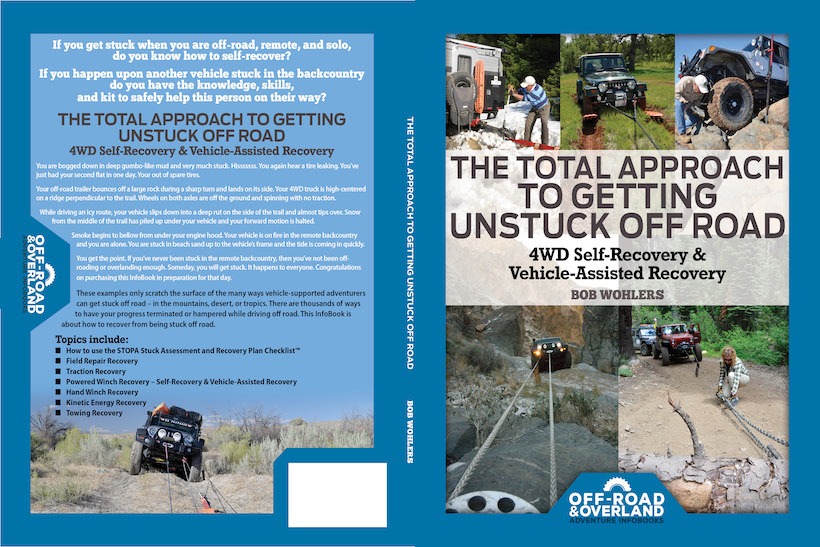
Reading about recovery is great, but practice is essential. Take a class or join an off-road club. Practice using your winch, traction boards, and jack in a safe area. Learn how your Jeep handles different terrains.
Many clubs offer recovery training days. You’ll get to use gear with guidance from experts—and see common mistakes in action.
A non-obvious insight: Set up “mock stuck” scenarios in your driveway or backyard to practice. It’s much easier to learn when you’re not in a stressful real-life situation.
Quick Checklist For Solo Recovery
When you get stuck, follow this mental checklist:
- Stay calm.
- Assess the situation.
- Air down tires.
- Clear obstacles from tires.
- Try traction aids.
- Rock the Jeep gently.
- Use winch or recovery strap if available.
- Build ramps with local materials if needed.
- Work slowly and safely.
- If you’re not making progress, stop and rethink.
Useful Resources
For more information, the Tread Lightly! organization offers excellent resources on safe and responsible off-roading.
Frequently Asked Questions
What Is The First Thing To Do If My Jeep Gets Stuck?
Stay calm and assess the situation. Do not try to power out immediately. Check how deep you’re stuck, what terrain you’re on, and if there’s any damage. This helps you choose the best recovery method.
Can I Recover My Jeep Without A Winch?
Yes, many recoveries happen without a winch. Use traction boards, air down your tires, dig around the stuck area, and use recovery straps with a solid anchor point. Creativity and patience often work better than force.
How Low Can I Safely Air Down My Tires For Recovery?
For most Jeeps, 12–15 psi is safe for sand and deep snow, while 15–18 psi is good for mud. Do not go lower unless you have beadlock wheels, as the tire can come off the rim. Always reinflate after recovery.
What Should I Avoid During Self Recovery?
Avoid spinning your tires fast, using weak anchor points, or standing near tensioned winch lines or straps. Don’t use damaged recovery gear, and never rush the process. Safety always comes first.
How Can I Practice Self Recovery Skills?
Join an off-road club or take a recovery class. Practice in a safe, controlled environment—like your backyard or a training day event. Try different recovery methods and tools to understand what works best for your Jeep.
Self recovery is a skill every Jeep owner should learn. With the right knowledge, gear, and attitude, you can handle most stuck situations on your own. Keep practicing, stay prepared, and you’ll turn recovery challenges into valuable experiences on the trail.