
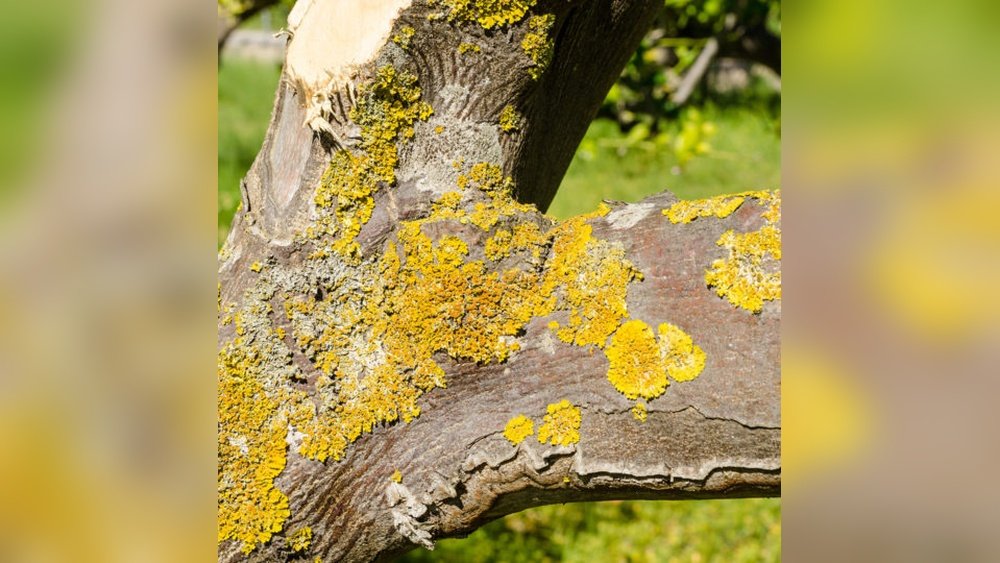
When you see cracks, oozing sap, or dark spots on your tree’s trunk, it can be worrying. Tree trunk disease is a serious problem for gardens, parks, and landscapes around the world. Left untreated, it can kill even the strongest trees and spread to others nearby. If you want to keep your trees healthy, learning how to identify, treat, and prevent trunk disease is essential.
This guide will show you practical steps to handle tree trunk diseases. You’ll learn how to spot early signs, choose the right treatment, and avoid common mistakes. Whether you’re a homeowner, landscaper, or just love trees, these tips will help you protect your green space and save money in the long run.
What Is Tree Trunk Disease?
Tree trunk disease refers to a group of illnesses that attack the main stem or trunk of a tree. These diseases are caused by fungi, bacteria, viruses, or insects. They can enter through wounds, cracks, or natural openings. Once inside, they damage the tissues that carry water and nutrients, weakening or even killing the tree.
Common Types Of Tree Trunk Diseases
Here are some of the most frequent diseases affecting tree trunks:
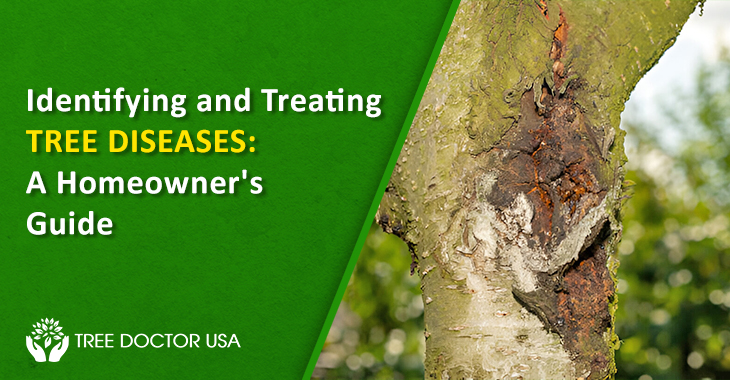
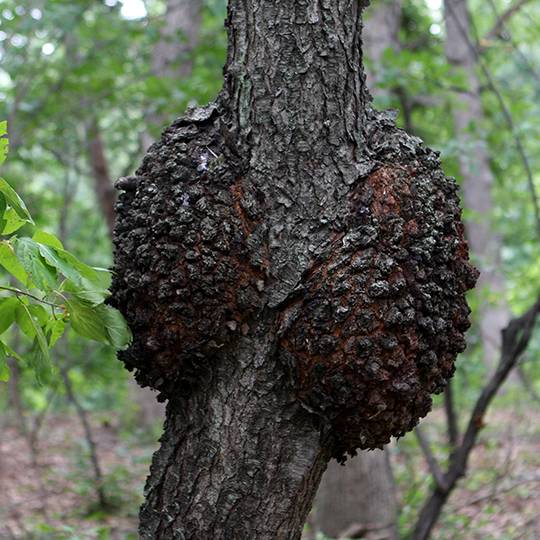
- Cankers: Sunken or swollen areas of dead bark, often with oozing sap.
- Heart rot: Fungi that decay the core wood, making trunks soft or hollow.
- Bacterial wetwood (slime flux): Bacteria cause sap to ooze and leave a foul smell.
- Phytophthora bleeding canker: Causes dark, sticky patches with bleeding fluid.
- Cytospora canker: Common in fruit trees, producing sunken spots and peeling bark.
Knowing the type of disease helps choose the best treatment. For example, fungi need different actions than bacterial infections.
How To Identify Tree Trunk Disease
Spotting tree trunk disease early gives you the best chance to save your tree. Many symptoms start small and get worse over time.
Signs To Watch For
Look for these early warning signs on your tree’s trunk:
- Cracks or splits in the bark
- Oozing sap or sticky patches
- Discolored or sunken spots
- Peeling or loose bark
- Fungal growth (mushrooms or brackets)
- Unusual smells (sour or rotten)
- Insect activity (boring holes or sawdust)
- Wilting leaves or branches above the trunk damage
Not all symptoms mean disease. Sometimes, environmental stress or animal damage can look similar. If you see several signs together, disease is more likely.
How To Check Your Tree
- Stand back and look at the whole tree. Is the canopy thin or dying back?
- Examine the trunk closely from base to branches.
- Tap the trunk gently—hollow sounds may mean rot.
- Look for entry points like wounds or pruning cuts.
Pro tip: Take clear photos and keep records of changes. This helps track the disease’s progress and assists professionals if needed.
What Causes Tree Trunk Disease?
Understanding the causes of tree trunk disease can help you prevent future problems. Most infections need an entry point, such as a cut, crack, or broken limb.
Main Causes
- Fungal spores: Spread by wind, rain, insects, or tools. Thrive in moist conditions.
- Bacteria: Enter through wounds and multiply in sapwood.
- Viruses: Usually carried by insects.
- Insects: Boring beetles or moths can bring in fungi and bacteria.
- Mechanical injury: Lawnmower cuts, construction damage, or pruning wounds.
- Environmental stress: Drought, flooding, or poor soil weakens trees and makes infection easier.
Table: Common Tree Trunk Diseases And Their Causes
| Disease | Main Cause | Common Hosts | Symptoms |
|---|---|---|---|
| Canker | Fungi, Bacteria | Willow, Maple, Fruit Trees | Sunken bark, oozing sap |
| Heart Rot | Fungi | Oak, Poplar, Birch | Hollow trunk, mushrooms |
| Wetwood | Bacteria | Elm, Poplar | Oozing sap, foul odor |
| Bacterial Canker | Bacteria | Stone Fruit Trees | Sunken lesions, gum exudate |
| Phytophthora Bleeding Canker | Water Mold (Fungus-like) | Beech, Horse Chestnut | Dark stains, bleeding fluid |
How To Treat Tree Trunk Disease: Step-by-step
Every tree and disease is different, but there are proven steps you can follow to increase your chances of success. Act quickly for the best results.
1. Diagnose The Disease Accurately
Before treating, you need to know what you’re dealing with. Use the signs above, or consult an arborist (tree expert) for a professional diagnosis. Sometimes, you may need lab tests to confirm the pathogen.
- Tip: Don’t guess the disease. Wrong treatment can make things worse.
2. Prune And Remove Infected Areas
Cut away diseased bark or wood using sharp, clean tools. Make your cuts into healthy wood, several inches below the infected zone.
- Disinfect tools with rubbing alcohol between cuts.
- Remove all pruned material from the site—don’t compost it.
- For large wounds, smooth rough edges to help healing.
3. Apply Fungicides Or Bactericides (if Appropriate)
Some diseases respond to chemical controls, but not all. Choose a product labeled for your tree species and disease.
- Follow label instructions carefully for dosage and timing.
- Apply only when the weather is dry and calm.
- Never overuse chemicals—this can harm the tree and environment.
4. Improve Tree Health With Proper Care
A strong tree can fight off many diseases naturally. Support recovery with:
- Deep watering during dry spells
- Mulching to retain soil moisture and reduce weeds
- Fertilizing based on soil test results
- Keeping the area around the trunk clear of grass and debris
Non-obvious insight: Overwatering can make some diseases worse. Check your soil moisture before adding water.
5. Prevent Further Damage
Stop the disease from spreading:
- Avoid wounding the trunk (be careful with mowers and trimmers)
- Don’t pile mulch against the trunk (“mulch volcanoes” trap moisture)
- Sterilize pruning tools before moving to another tree
- Watch for signs on nearby trees
6. Monitor And Repeat Treatments
Check the tree every few weeks for improvement. Some diseases need repeated action over months or even years. Be patient.
- Mark the edges of the damaged area with paint or tape to see if it’s growing or shrinking.
- If the problem spreads quickly, ask a professional for help.
Table: Treatments For Common Tree Trunk Diseases
| Disease | Main Treatment | Can It Be Cured? |
|---|---|---|
| Canker | Prune, fungicide, improve health | Sometimes |
| Heart Rot | Remove dead wood, no cure, prevent spread | No, only slow progress |
| Wetwood | Prune, improve drainage | No, manage symptoms |
| Phytophthora | Remove infected bark, use phosphonate | Sometimes |
| Bacterial Canker | Prune in dry weather, copper spray | Sometimes |
Credit: www.treedoctorusa.com
Practical Tips For Specific Tree Trunk Diseases
Treating Cankers
- Cut out all infected bark and wood.
- Disinfect tools after every cut.
- Do not seal wounds with paint—this can trap disease inside.
- For fruit trees, prune only in dry weather.
Managing Heart Rot
- Remove large dead branches to reduce risk of collapse.
- Avoid heavy pruning, which opens new entry points.
- Do not allow water to pool around the base.
- Monitor for mushrooms or soft spots.
Handling Wetwood (slime Flux)
- Do not plug holes or drain sap—it can make it worse.
- Improve tree health by watering and fertilizing correctly.
- Prune only dead or damaged branches.
- Reduce stress—avoid root damage from construction.
Dealing With Phytophthora Bleeding Canker
- Remove affected bark with a sterilized chisel.
- Treat wounds with phosphonate or approved fungicide.
- Improve drainage—these fungi love wet soil.
- Remove mulch from the base of the trunk.
Controlling Bacterial Canker
- Prune in late summer or dry periods to slow bacteria.
- Apply a copper-based spray if recommended.
- Remove and destroy infected branches.
- Choose resistant varieties when planting new trees.
When To Call An Arborist
Some tree trunk diseases are too advanced or complex for DIY treatment. If you notice these signs, contact a professional:
- Large or spreading wounds
- Whole sections of the trunk are soft or hollow
- Main branches dying quickly
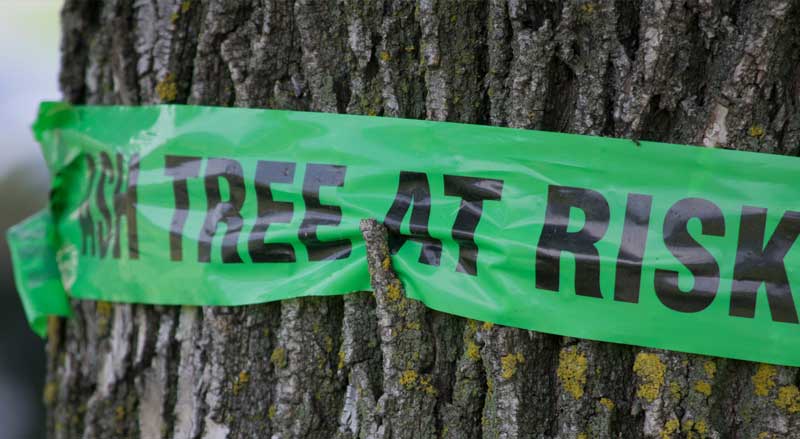
- Tree is near buildings, cars, or walkways (safety risk)
- Unsure of disease type
Non-obvious insight: Arborists can use tools like resistograph drills or sonic tomography to check inside trunks without causing more damage.
Preventing Tree Trunk Disease
Prevention is always better than cure. Healthy trees resist disease much more effectively.
Best Practices
- Plant the right tree in the right place. Some species are more resistant to local diseases.
- Water regularly, but avoid soaking the trunk.
- Mulch properly—2-4 inches deep, but keep it 2-3 inches away from the trunk.
- Prune wisely—only when necessary and with sharp, clean tools.
- Avoid wounds from string trimmers, lawnmowers, or construction.
- Check trees regularly for early signs of problems.
Table: Disease-resistant Tree Species (examples For The Us)
| Tree Species | Common Trunk Diseases | Resistance Level |
|---|---|---|
| Bald Cypress | Canker, Heart Rot | High |
| Ginkgo | Most fungal diseases | Very High |
| Eastern Redbud | Canker | Medium |
| American Elm (disease-resistant varieties) | Wetwood, Dutch Elm Disease | High (if resistant variety) |
| Chinese Pistache | Few trunk diseases | High |
Tip: Local university extensions or forestry services can recommend the best trees for your area.
Geographic Differences In Tree Trunk Diseases
Tree trunk diseases vary by region. Climate, rainfall, and local species all influence which diseases are most common.
United States
- Southeast: High humidity increases fungal trunk diseases.
- Midwest: Fire blight and wetwood common in apples and elms.
- West Coast: Phytophthora and sudden oak death are major threats.
Europe
- Beech and horse chestnut: Often hit by bleeding cankers.
- Oaks: Prone to heart rot in damp areas.
Asia
- Fruit trees: Bacterial canker and gummosis are widespread.
Practical advice: Always check for recent disease outbreaks in your region. Local pests and pathogens may change over time due to climate change or imported plants.
Credit: www.elitetreecare.com
Advanced Treatments And Research
Modern science offers new tools for tree trunk disease:
- Biological controls: Using beneficial fungi or bacteria to outcompete pathogens.
- Systemic injections: Delivering fungicides or antibiotics directly into the trunk.
- Tree wound dressings: Used in specific cases, but most experts recommend letting wounds dry naturally.
Research shows that early detection and fast response are key. In some cases, removing infected trees is necessary to protect others nearby.
For more on advanced tree health research, visit the US Forest Service Research page.
Common Mistakes To Avoid
Even experienced gardeners can make errors when dealing with tree trunk disease:
- Over-pruning: Removing too much wood can stress the tree.
- Using wound paint: Most experts no longer recommend this for most trees.
- Ignoring early symptoms: Small spots can become big problems fast.
- Poor sanitation: Dirty tools spread disease from tree to tree.
- Planting too deep: Burying the trunk encourages infection.
- Watering the trunk: Always water the root zone, not the trunk.
Key insight: The best treatment is often a mix of pruning, chemical, and cultural methods—not just one approach.
Credit: treesunlimitednj.com
Cost Of Treating Tree Trunk Disease
Costs vary by disease, tree size, and location.
- DIY treatment: Pruning tools ($20–$100), fungicides ($15–$40 per application)
- Professional arborist: $150–$500 per tree for diagnosis and treatment
- Tree removal (if needed): $400–$2,000 depending on size and risk
Investing in prevention is usually much cheaper than removing a large dead tree.
How To Choose The Right Treatment
Not every tree or situation is the same. Here’s how to make smart choices:
- Assess the value of the tree—shade, beauty, history, or fruit production.
- Check local rules—some diseases (like Dutch elm disease) have special laws.
- Balance cost and benefit—sometimes, removal is the best option.
- Get a second opinion if you’re unsure.
- Act quickly—delays reduce your chances of saving the tree.
Real-world Example: Saving An Oak Tree
A homeowner noticed dark, sticky patches and mushrooms near the base of a 40-year-old oak. They:
- Took photos and showed them to a local arborist.
- The arborist identified Armillaria root rot and a secondary canker.
- Dead branches were pruned, and the soil was improved for drainage.
- The tree was watered deeply once a week—not daily—to avoid waterlogging.
- Over two years, the tree stabilized. Without action, it would have collapsed in a storm.
Lesson: Even large, valuable trees can be saved if you act fast and follow expert advice.
Frequently Asked Questions
What Is The Best Way To Treat Tree Trunk Disease?
The best way is to identify the disease first, then prune infected areas, improve tree health, and use fungicides or bactericides if needed. Regular monitoring is key. For tough cases, call a certified arborist.
Can A Tree Recover From Trunk Disease On Its Own?
Some trees can recover if the disease is mild and conditions improve. However, most need help—pruning, better care, or even chemical treatment. Ignoring the problem usually leads to worse damage.
How Do I Know If A Tree With Trunk Disease Is Dangerous?
Trees with large wounds, soft or hollow trunks, or rapid dieback are at risk of falling. If the tree leans, is near a house or walkway, or drops heavy branches, get a professional risk assessment.
Should I Use Tree Wound Paint After Pruning Or Removing Disease?
Most experts say no for most tree species. Wound paints can trap moisture and disease. Let wounds dry naturally, unless a professional recommends otherwise for a specific disease.
How Can I Prevent Tree Trunk Disease In My Yard?
- Plant disease-resistant species.
- Prune correctly and only when needed.
- Keep trunks free of mulch and soil.
- Water and fertilize wisely.
- Sanitize all tools and check trees often.
Protecting your trees from trunk disease takes vigilance, but the rewards are worth it: safer, healthier trees that grow for generations. If you’re unsure at any stage, don’t hesitate to get advice from a qualified tree care professional. Your landscape—and your safety—will thank you.