
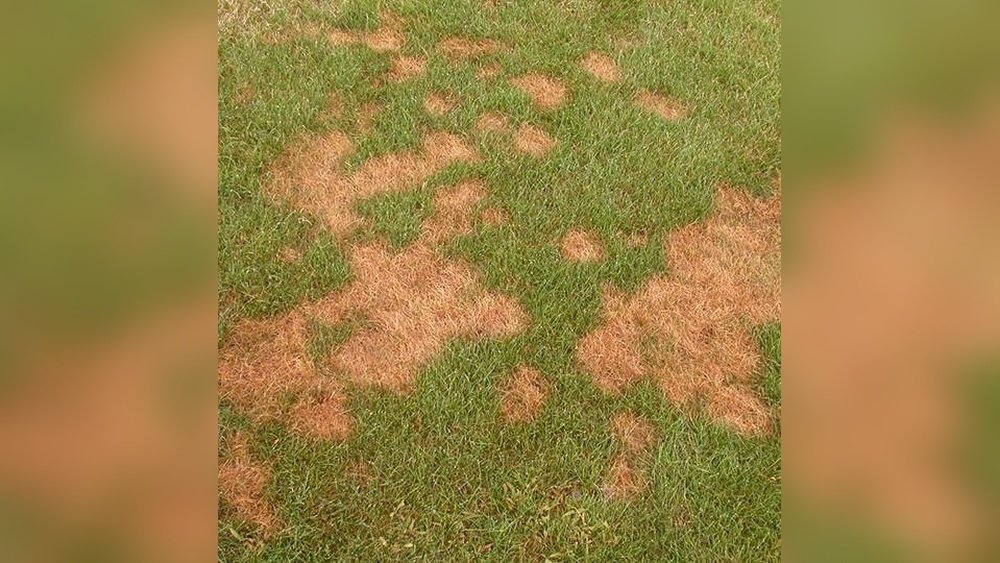
A green, healthy lawn is something many people work hard to achieve. But sometimes, brown spots, patches, or odd colors appear, even if you water, mow, and fertilize correctly. These signs often mean a lawn disease is developing. The trouble is, not all brown spots are the same. Some may be caused by fungus, others by bacteria, and a few by insects or environmental stress. Learning to identify lawn diseases by their symptoms is the first step to solving the problem and saving your grass.
In this guide, you’ll discover how to tell the difference between common lawn diseases using what you see and feel on your grass. You’ll find out what to look for, how to compare symptoms, and how to avoid common mistakes.
This practical approach will help you act fast and choose the right treatment—before the problem gets worse.
Why Identifying Lawn Disease Symptoms Matters
Many people think all grass problems are the same. But if you treat the wrong disease, your lawn may get worse. Proper identification allows you to:
- Use the right product or method for the disease
- Prevent the disease from spreading
- Save money by avoiding unnecessary treatments
For example, brown patch and dollar spot look similar at first but need different solutions. If you know the symptoms, you can fix the real problem and keep your lawn healthy.
Key Signs To Watch For
Lawn diseases show up in a few main ways:
- Discolored patches: Areas of brown, yellow, or gray grass
- Spots or lesions: Marks on grass blades, often with a border
- Powdery or slimy coatings: Unusual surfaces, often fungal
- Grass texture changes: Blades may wilt, curl, or thin out
Sometimes, disease moves fast. In other cases, it stays in small areas. The time of year, weather, and grass type also affect how symptoms look.
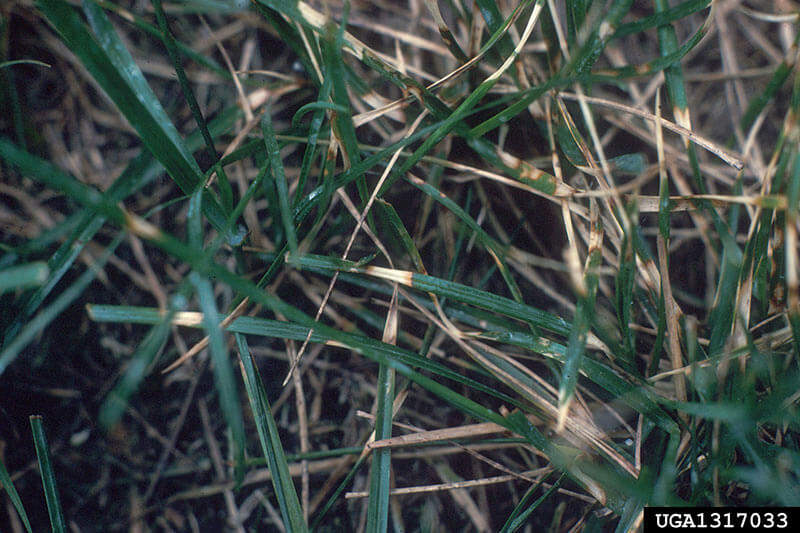
Credit: www.pennington.com
Most Common Lawn Diseases And Their Symptoms
Here are the main diseases you’ll find in home lawns, with details on how to recognize each one.
Brown Patch
Brown patch is a summer disease caused by the fungus Rhizoctonia. It strikes when nights are warm and humid. Look for:
- Large, irregular brown patches (often several inches to feet wide)
- A darker, smoky ring at the edge (sometimes called “smoke ring”)
- Grass inside patches may look water-soaked or slimy early on
Brown patch is most common on tall fescue and ryegrass. It spreads quickly in wet, hot weather.
Dollar Spot
Dollar spot is named for the small size of its dead patches, about the size of a silver dollar.
- Round, straw-colored spots (1–3 inches across)
- Spots may join together and form larger patches
- Grass blades show white or tan lesions with reddish-brown edges
It appears most often in late spring to early fall, especially when grass is low in nitrogen.
Red Thread
This disease is easy to spot by its pink or red threads sticking out from grass blades.
- Patches of pink, tan, or red grass (2–15 inches wide)
- Thin, slow-growing grass
- Fine, thread-like structures on leaves
Red thread is common in cool, wet spring and fall weather.
Leaf Spot And Melting Out
Leaf spot starts as small spots on grass blades, then may “melt out” and kill the whole plant.
- Purple, brown, or black spots with light centers on leaves
- Grass may thin out and die in large patches
- Often affects Kentucky bluegrass and perennial ryegrass
This disease worsens with high humidity and evening watering.
Rust
Rust gets its name from the orange or yellow powder on grass blades.
- Yellow spots that turn to orange powder
- Grass looks thin, weak, and dusty
- The powder easily rubs off on shoes or fingers
Rust develops when grass grows slowly, often in late summer or fall.
Powdery Mildew
If your lawn looks like it’s been dusted with flour, it could be powdery mildew.
- White, powdery coating on grass blades
- Shaded areas most affected
- Grass may turn yellow and stop growing
It’s most common in cool, damp, and shady spots.
Snow Mold
Snow mold appears right after snow melts, especially in early spring.
- Circular patches of matted, gray or pink grass
- Blades stuck together by a slimy or web-like substance
- Patches can be several inches to a foot wide
It affects lawns that stay covered with snow for weeks.
Pythium Blight
Pythium blight is also called “grease spot” due to its oily look.
- Greasy, dark spots that quickly turn brown
- Cottony, white fungal growth in early morning
- Grass feels slimy and collapses easily
This disease spreads fast in hot, humid weather.
Fairy Ring
Fairy ring creates circles of odd-looking grass—sometimes greener, sometimes dead.
- Rings or arcs of dark green or dead grass
- Mushrooms often grow in or around the ring
- Rings can be a few inches to several feet wide
Fairy rings are caused by soil fungi, not always harmful, but can disrupt lawn appearance.
Slime Mold
Slime mold looks alarming but rarely harms the grass.
- Gray, white, or yellow slimy patches on the surface
- Grass underneath is usually healthy
- The mold disappears in dry weather
This is more of a cosmetic issue than a true disease.
Comparing Disease Symptoms
Some diseases look similar, but a closer look reveals clear differences. Here’s a quick side-by-side:
| Disease | Patch Appearance | Blade Symptoms | Special Features |
|---|---|---|---|
| Brown Patch | Large, brown, irregular | Water-soaked, dark ring | “Smoke ring” edge |
| Dollar Spot | Small, round, straw-colored | Tan lesions, reddish edge | Blades glued together |
| Red Thread | Pale pink patches | Red threads visible | Threadlike growth |
| Rust | Yellow patches | Orange powder | Stains clothes |
| Powdery Mildew | Pale, patchy | White dust | Most in shade |
When And Where Do Diseases Happen?
Not all diseases appear at the same time or in the same places. Timing and conditions can help you narrow down the cause.
| Disease | Best Season | Weather Condition | Grass Type |
|---|---|---|---|
| Brown Patch | Summer | Hot, humid | Tall fescue, rye |
| Snow Mold | Spring (after snow) | Cold, wet | All cool-season |
| Red Thread | Spring, fall | Cool, wet | Fine fescues, rye |
| Pythium Blight | Summer | Very hot, humid | Bentgrass, rye |
Non-obvious insight: The same lawn can have more than one disease at the same time, especially if the weather changes quickly.
Step-by-step: How To Diagnose Lawn Disease
Here’s how you can diagnose what’s wrong with your lawn:
- Look at patch shapes and sizes: Are they small circles, large irregular spots, or rings?
- Check the color and feel: Is there powder, slime, or a thread-like coating? Does the grass feel wet, greasy, or dusty?
- Inspect the grass blades closely: Are there spots, lesions, or unusual threads?
- Note the time of year and weather: Did symptoms appear after rain, heat, or snow melt?
- Consider your grass type: Some diseases attack only specific types.
- Review your lawn care habits: Over-watering, mowing too short, or fertilizing at the wrong time can make disease more likely.
Another insight: Many people treat the symptom (brown grass) but ignore the cause (like watering at night or using too much fertilizer).
Common Mistakes When Identifying Lawn Diseases
Even experienced homeowners can get confused. Watch out for these mistakes:
- Assuming all brown spots are disease: Sometimes the cause is drought, insects, or pet urine.
- Ignoring weather patterns: Diseases often follow certain weather (like heat or humidity).
- Not checking the soil: Compacted or soggy soil can look like disease.
- Treating without identification: Spraying fungicide on a problem that’s not fungal wastes money and may harm the grass.
What To Do After Identifying A Disease
Once you know the likely disease:
- Adjust watering: Water early morning, less often, but deeply.
- Mow at the right height for your grass type.
- Remove and destroy clippings from infected areas.
- Fertilize based on a soil test; too much nitrogen can make some diseases worse.
- For fungal diseases, consider a targeted fungicide. Always follow label instructions and local guidelines.
If you’re not sure, take a sample to a local extension office or send a photo to a turf expert.
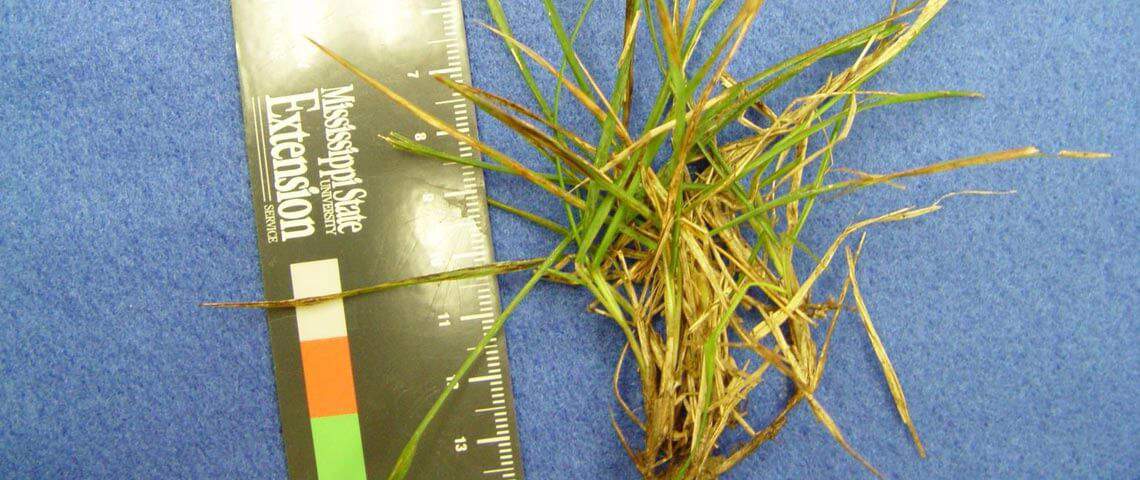
Credit: www.pennington.com
Prevention Tips For A Healthy Lawn
Prevention is better than cure. Here’s how to reduce disease risk:
- Improve drainage and aerate compacted soil.
- Water deeply, but not too often, and always in the morning.
- Use the correct amount and type of fertilizer.
- Overseed thin areas with disease-resistant grass varieties.
- Keep lawn equipment clean to avoid spreading disease.
Pro tip: Change mowing patterns each time; this helps grass stay upright and healthy.
When To Get Professional Help
If diseases keep coming back, or you see large, spreading patches, call a turf specialist. They can test the soil and grass, and recommend advanced solutions. Sometimes, what looks like a disease is a sign of bigger problems, such as poor soil or hidden pests.
For more in-depth guides and official turf disease images, check resources like the NC State TurfFiles.
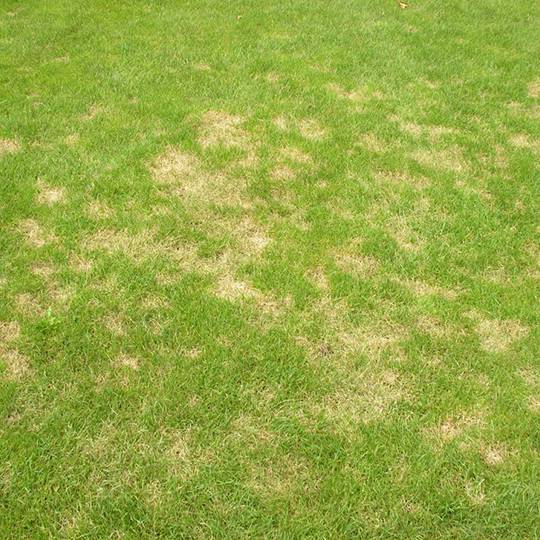
Credit: cardinallawns.com
Frequently Asked Questions
What If My Lawn Has Both Brown And Yellow Patches?
Mixed colors may mean more than one problem—such as disease and poor nutrition. Check for both disease signs and care mistakes.
Is It Possible For Lawn Diseases To Go Away On Their Own?
Some minor diseases fade as weather improves, but most need a change in lawn care habits or targeted treatment to fully recover.
Can I Use The Same Fungicide For All Lawn Diseases?
No. Different diseases respond to different fungicides. Always identify the disease first and use the right product for best results.
How Often Should I Check My Lawn For Disease Symptoms?
Check every 1–2 weeks during the growing season, and especially after unusual weather like heavy rain or heat waves.
Will Reseeding Help After A Lawn Disease?
Yes, overseeding with a resistant grass type helps fill in bare spots and makes your lawn stronger against future disease.
Identifying lawn diseases by symptoms may feel tricky at first, but with a careful look and some practice, you can catch problems early and keep your yard lush and green. Remember, healthy lawns start with good habits, not just quick fixes.
Your grass will thank you!