
Choosing the right oil for your lawn mower engine is more important than many people think. Using the wrong oil can lead to poor engine performance, faster wear, or even engine failure. But with so many oil types and labels, it’s easy to get confused.
This guide will help you make sense of the options, so your mower runs smoothly and lasts longer. You’ll also learn some expert tips most beginners overlook.
Why Oil Type Matters In Lawn Mower Engines
Most lawn mower engines are small but hardworking. Engine oil does three vital jobs: it lubricates moving parts, keeps the engine cool, and helps clean away dirt and debris. If you use the wrong oil, it may not flow properly or protect your engine parts. This can cause overheating, faster wear, or hard starting. A little care with oil choice goes a long way in keeping your mower healthy.
Main Types Of Oil For Lawn Mowers
Not all motor oils are the same. Different lawn mowers need different types of oil, depending on engine design, temperature, and how you use your mower.
1. Sae 30
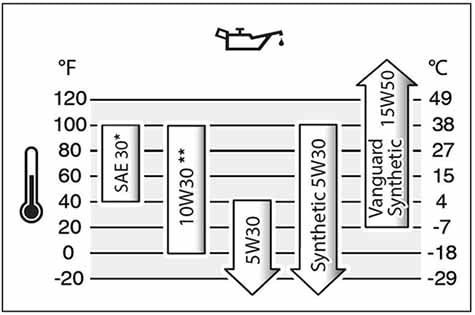
This is the most common oil for small engines like those in walk-behind mowers. SAE 30 works well in warmer temperatures (above 40°F or 4°C). It’s a single-grade oil, which means it doesn’t adapt to temperature changes as much as multi-grade oils.
2. Sae 10w-30
SAE 10W-30 is a multi-grade oil. The “10W” means it flows better at low temperatures, while “30” means it still protects at higher temperatures. This oil is good for varying climates and is often recommended for newer or high-tech lawn mower engines.
3. Sae 5w-30
If you mow in cold weather, SAE 5W-30 is a good choice. It flows easily when starting the engine in cold temperatures, reducing engine wear.
4. Synthetic Oil
Synthetic oils, like 5W-30 synthetic, offer better protection across a wide range of temperatures. They last longer, resist breakdown, and keep engines cleaner. Most modern lawn mower engines accept synthetic oils, but always check your owner’s manual.
5. Other Grades
Some larger riding mowers or heavy-duty models may use 15W-50 or other grades. Always check the manufacturer’s recommendation before choosing something different.
How To Choose The Right Oil For Your Lawn Mower
Picking the right oil is not just about buying the most expensive bottle. Here are the key factors to consider:
Engine Type
- 4-stroke engines (most modern mowers): Use regular motor oil.
- 2-stroke engines (some older or small mowers): Require a special oil mixed with fuel.
Temperature And Climate
- Mow in cool weather? Choose oil with a low “W” number, like 5W-30.
- Mow in hot weather? SAE 30 or 10W-30 is usually best.
Age And Condition Of The Mower
Older engines sometimes need thicker oil, especially if they burn oil or have leaks. But never switch grades without checking the manual.
Manufacturer Recommendation
Always check your mower’s manual. Using an oil not recommended can void warranties and harm your engine.
Frequency Of Use
If you mow often or have a large yard, synthetic oil can be worth the cost. It lasts longer and protects better, especially if you sometimes forget to change the oil on time.
Reading Oil Labels: What Do The Numbers Mean?
Oil bottles have labels like SAE 10W-30 or 5W-40. Here’s how to read them:
- SAE: Society of Automotive Engineers. They set the standards for oil grades.
- 10W: How the oil flows at cold temperatures (“W” is for winter).
- 30: How thick the oil is at high temperatures.
A lower “W” number means better cold starting. A higher second number means more protection at high heat.

Credit: www.youtube.com
Common Mistakes When Choosing Lawn Mower Oil
Beginners often make these errors:
- Using car oil without checking the manual. Some car oils have additives that can harm small engines.
- Picking the wrong viscosity. Too thick or too thin oil won’t protect your engine.
- Ignoring oil change schedules. Old oil loses its ability to lubricate and protect.
- Mixing oil types. Don’t mix synthetic and conventional oil without knowing if your engine allows it.
How Much Oil Does A Lawn Mower Engine Need?
Most walk-behind mowers need about 15 to 20 ounces (0.44 to 0.59 liters) of oil. Riding mowers or zero-turn models may need more, often between 48 and 64 ounces (1.4 to 1.9 liters). Too much oil can be as harmful as too little.
Here’s a quick comparison:
| Type of Mower | Typical Oil Capacity |
|---|---|
| Walk-Behind | 15–20 oz (0.44–0.59 L) |
| Riding Mower | 48–64 oz (1.4–1.9 L) |
| Zero Turn | 48–64 oz (1.4–1.9 L) |
Always check your owner’s manual for the exact amount.
How To Change Lawn Mower Oil Properly
Changing the oil is simple but must be done right to avoid engine damage.
- Warm up the engine. Run the mower for a few minutes to thin the oil.
- Turn off and disconnect the spark plug for safety.
- Drain the old oil. Use the drain plug or tilt the mower (spark plug up).
- Replace the oil filter (if your mower has one).
- Add new oil slowly. Check the dipstick often.
- Run the engine for one minute, then check the oil level again.
Pro Tips
- Dispose of old oil at a recycling center.
- Never overfill the oil tank—too much oil can cause engine smoke or damage.
Synthetic Vs. Conventional Oil: Which Is Better?
This is a common question. Synthetic oil costs more but has real benefits.
| Feature | Conventional Oil | Synthetic Oil |
|---|---|---|
| Price | Lower | Higher |
| Engine Protection | Good | Excellent |
| Change Interval | 25 hours/season | 50 hours/season |
| Low/High Temp Performance | Average | Very Good |
If you want maximum engine life and don’t mind the extra cost, synthetic oil is usually the better choice.
How Often Should You Change Lawn Mower Oil?
Most experts suggest changing oil every 25-50 hours of use or at least once per mowing season. If you use synthetic oil, you can often go longer between changes, but always check the manual. Change oil more often if you mow in dusty or hot conditions.
Environmental Impact: Dispose Of Used Oil Safely
Never pour used oil on the ground or down the drain. Used oil is a pollutant and can harm water sources. Most auto parts stores and recycling centers accept used oil for free. Store oil in a sealed container until you can recycle it.

Credit: www.mainstreetmower.com
Brand Recommendations: Which Oil Brands Are Trusted?
Popular and reliable brands for small engines include:
- Briggs & Stratton
- Honda
- STP
- Pennzoil
- Castrol
- Valvoline
Buying oil from these brands helps ensure quality and reduces the risk of engine problems.
Special Cases: 2-stroke Vs. 4-stroke Engines
- 2-stroke engines: Need a special oil that mixes with fuel. Never use regular motor oil.
- 4-stroke engines: Use standard lawn mower oil as described above.
Check the engine label or manual if you’re unsure which type you have.
Signs Of Using The Wrong Oil
Watch for these warning signs after an oil change:
- White or blue smoke from the exhaust
- Hard starting or rough running
- Oil leaks or excess oil consumption
- Engine knocking or strange noises
If you notice any of these, stop using the mower and check your oil choice and level.
Seasonal Oil Changes And Storage Tips
If you store your mower for winter:
- Change the oil before storage to remove contaminants.
- Run the engine for a minute to spread fresh oil.
- Store the mower in a dry place.
- In spring, check the oil level before first use.
This simple habit prevents rust and keeps your engine healthy.
Non-obvious Insights Most Beginners Miss
Many first-time mower owners think “oil is oil,” but mower engines are more sensitive than car engines. Here are two important tips:
- Don’t use oil additives unless the manual says so. They can harm small engines.
- Check the oil before every mow—not just at the start of the season. Small engines can burn oil quickly, especially in hot weather.
Example: Oil Choice For Popular Mower Models
Here are recommendations for some well-known models:
| Mower Brand/Model | Recommended Oil Type |
|---|---|
| Honda HRX217 | SAE 10W-30 |
| Briggs & Stratton 500E | SAE 30 (Above 40°F) |
| Toro Recycler | SAE 30 or 10W-30 |
| John Deere D130 | 10W-30 |
Always double-check with your model’s manual for updates.
Final Thoughts
Taking the time to use the right oil in your lawn mower engine is a simple way to avoid big repair bills later. Each engine is a little different, so read your manual and match the oil to your local climate and mowing habits.
Check your oil often, change it regularly, and use a trusted brand. These small steps will give you years of reliable mowing and a healthier lawn.
For an in-depth technical explanation about engine oils, visit the Motor Oil Wikipedia page.
Frequently Asked Questions
What Happens If I Use The Wrong Oil In My Lawn Mower?
Using the wrong oil can lead to poor lubrication, overheating, and faster engine wear. In extreme cases, it can cause engine failure or void your warranty.
Can I Use Synthetic Oil In Any Lawn Mower?
Most modern 4-stroke mowers accept synthetic oil, but check your owner’s manual first. Synthetic oil offers better protection, but it’s not always needed for older engines.
How Do I Know If My Mower Is 2-stroke Or 4-stroke?
Check the fuel cap or engine label. 2-stroke engines require oil mixed with gasoline. 4-stroke engines have a separate oil reservoir. Your manual will also say which type you have.
How Often Should I Check My Lawn Mower Oil Level?
Check the oil before every mowing session. Small engines can burn oil quickly, especially in hot weather or if the engine is old.
Is There A Difference Between Car Oil And Lawn Mower Oil?
Yes. Some car oils contain additives for emissions systems, which small engines don’t need and may even harm them. Always choose oil specifically marked for small engines or as recommended in your manual.
Credit: www.briggsandstratton.com