
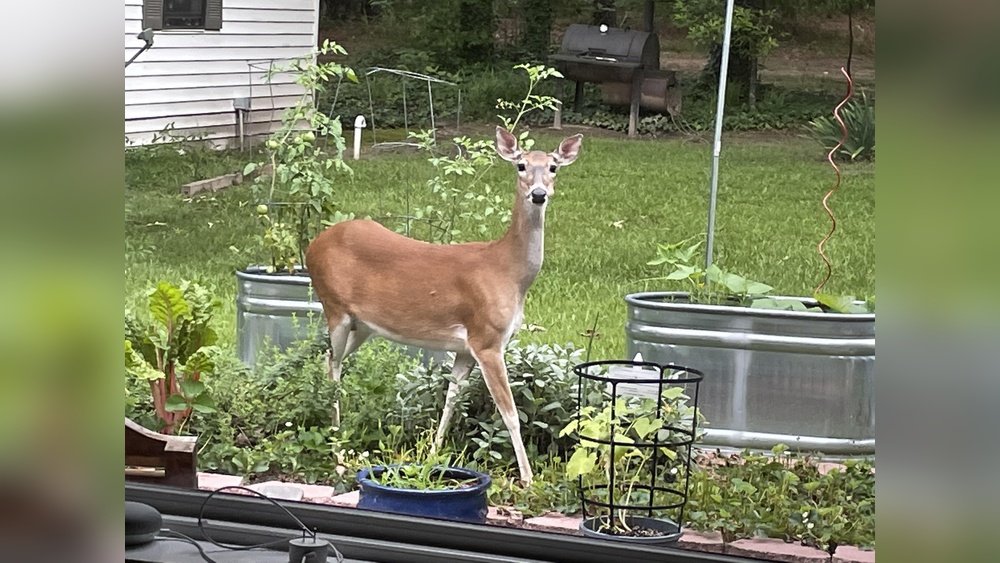
If you plant a vegetable garden, you probably dream of fresh tomatoes, leafy greens, and crunchy carrots. But if you live in an area with deer, your dreams can quickly turn into frustration. Deer are clever, persistent, and have a huge appetite for tender plants—especially vegetables. Many gardeners spend months caring for their gardens, only to wake up and find half-eaten plants or missing crops. If you want to keep your harvest safe, you need smart, effective ways to prevent deer in your vegetable garden. Let’s explore proven methods, expert insights, and what really works so you can enjoy your garden’s full bounty.
Why Deer Love Vegetable Gardens
Deer are natural browsers. They eat a wide range of plants, but vegetable gardens are like a buffet for them. Most vegetables are soft, easy to chew, and high in nutrients. Young shoots, leafy greens, beans, peas, and fruiting vegetables are especially attractive. When food is scarce in the wild—usually in spring and late summer—deer look for easy meals, often finding them in your backyard.
A single deer can eat up to 6–8 pounds of vegetation in one day. They are most active at dawn and dusk, moving quietly and quickly. If they find your garden, they can strip plants overnight.
But why do some gardens get hit harder than others? Deer are creatures of habit. If they find food in one spot, they’ll likely return, bringing friends and family. Once a garden is “discovered,” you might see regular damage unless you take action.
Signs Deer Are Visiting Your Garden
Knowing the signs of deer activity helps you respond quickly. Here’s what to look for:
- Jagged, torn leaves: Deer do not have upper front teeth. They pull and tear plants, leaving ragged edges.
- Missing buds or shoots: Young, tender growth is often eaten first.
- Deer tracks: Look for hoof prints—two oblong, pointed marks.
- Scat: Deer droppings are pellet-shaped, usually in small piles.
- Flattened plants or paths: Deer often take the same route, leaving a visible trail.
Catch these signs early, and you can prevent bigger problems.
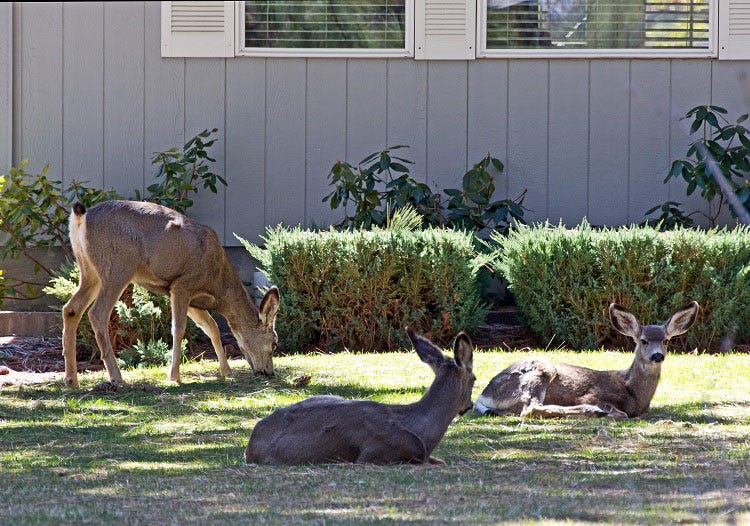
Credit: www.havahart.com
Physical Barriers: The Most Reliable Solution
When it comes to deer prevention, physical barriers work best. Deer are strong, but they are also cautious. The right fence or barrier can stop even determined animals.
Choosing The Right Fence
Not all fences are equal. Deer can jump high—sometimes up to 8 feet. Here’s a comparison of common fencing options:
| Fence Type | Height | Effectiveness | Cost | Best For |
|---|---|---|---|---|
| Wire Mesh | 6-8 ft | Very High | Moderate | Large gardens |
| Plastic Deer Netting | 7-8 ft | High | Low | Temporary or seasonal use |
| Electric Fence | 5-6 ft | Very High | High | Permanent, large areas |
| Wooden/Picket Fence | 4-6 ft | Moderate | High | Small gardens, aesthetics |
Key tip: For the best protection, use a fence at least 8 feet tall. If that’s not possible, use two shorter fences spaced 3–4 feet apart. Deer struggle to jump both at once.
Installing Mesh Or Netting
Wire mesh and plastic netting are popular because they are effective and relatively easy to install. Attach the mesh tightly to sturdy posts. Bury the bottom a few inches underground to stop deer from pushing underneath. Keep the top as high as possible.
Electric Fencing
Electric fences use a mild shock to keep deer away. They require more setup and maintenance, but are very effective. Use warning signs to alert people, especially children.
Gates And Entry Points
Deer are smart. They quickly find weak points. Make sure all gates close tightly. Use spring-loaded hinges or latches to prevent accidental openings.
Portable Barriers
For small gardens or raised beds, portable cages or hoops covered with mesh can keep deer out. These are easy to move and adjust as your garden grows.
Repellents: Do They Really Work?
Deer repellents are sprays or granules that make plants taste or smell bad. They can help, but are not foolproof. Rain, watering, and new plant growth make them less effective over time.
Types Of Repellents
Repellents come in two main types:
- Taste-based repellents: These make leaves taste bad. They often use ingredients like garlic, hot pepper, or eggs.
- Scent-based repellents: These smell unpleasant to deer. Common scents include predator urine, rotten eggs, or soap.
How To Apply Repellents
- Always follow the instructions on the package.
- Spray all parts of the plant, especially new growth.
- Reapply after rain or heavy watering.
- Rotate between different products to prevent deer from getting used to one scent.
Homemade Repellents
Some gardeners use homemade mixtures, such as:
- Egg and water spray: Mix 1 egg per gallon of water. Spray on plants.
- Hot pepper spray: Blend hot peppers with water and a few drops of dish soap.
Homemade repellents can work temporarily, but they need frequent reapplication.
Repellent Effectiveness
Repellents work best in combination with other methods. They may reduce damage but rarely stop deer completely. In areas with heavy deer pressure, repellents alone are not enough.
Plant Choices: Growing What Deer Dislike
Deer have favorite foods, but some plants are much less appealing to them. By including deer-resistant plants around your vegetables, you can make your garden less attractive.
Examples Of Deer-resistant Plants
- Herbs: Rosemary, thyme, sage, lavender
- Aromatic plants: Onions, garlic, chives
- Flowers: Marigolds, daffodils, yarrow, foxglove
Plant these around the edges of your garden as a natural deterrent. While no plant is 100% deer-proof, these are rarely eaten unless food is very scarce.
Companion Planting
This method involves mixing deer-resistant plants with vegetables. For example, planting garlic or onion between rows of lettuce can confuse deer with strong smells.
Using Fuzzy Or Prickly Plants
Deer avoid plants with rough, hairy, or spiky leaves. Try including lamb’s ear, barberry, or other textured plants as a border.
Scare Tactics: Making Your Garden Unfriendly To Deer
Deer are nervous animals. They avoid danger and dislike surprises. Scare tactics can help keep them away, especially when used alongside other methods.
Visual Deterrents
- Motion-activated lights: Sudden light can startle deer at night.
- Shiny objects: Hanging old CDs, aluminum foil strips, or metallic tape creates flashes that make deer uneasy.
- Scarecrows: Classic, but only effective if moved often so deer don’t get used to them.
- Reflective pinwheels: Spin in the wind and catch sunlight.
Sound Deterrents
- Motion-activated alarms: Devices that make noise when deer approach.
- Wind chimes: Gentle noise can help, but needs to be unpredictable.
Water Sprayers
A motion-activated sprinkler will startle deer with a quick burst of water. These work well for small gardens. Place them to cover the most vulnerable areas.
Scent Markers
Some gardeners use human hair, bars of soap, or predator urine (such as coyote or fox) around the garden. The effectiveness varies, and deer may ignore these if they are hungry enough.
Limitations Of Scare Tactics
Deer can adapt quickly. If a scare device never changes, they will learn it is not a real threat. Move devices every few days and use several types together.
Garden Design: Smart Layout For Deer Prevention
How you design your garden can make it harder for deer to enter and eat.
Perimeter Planting
Plant deer-resistant plants around the edge of your garden. This creates a barrier and may slow deer down.
Raised Beds
Raised beds are not only good for soil control and drainage, but also make it slightly harder for deer to reach plants. Add mesh or hoops over raised beds for extra protection.
Narrow Paths
Deer prefer open spaces for easy movement. Design narrow paths or include obstacles like trellises and poles to make your garden less inviting.
Plant Placement
Put the most vulnerable crops (like lettuce, beans, peas, and tomatoes) in the center of the garden. Place less tasty plants on the outside.
Maintenance Habits That Help
Small daily habits can make a big difference in deer prevention.
- Clean up fallen fruit or vegetables: These attract deer.
- Keep the garden tidy: Remove brush piles and tall grass, which can give deer hiding spots.
- Repair fences and gates: Check for damage often.
- Harvest early and often: Pick crops as soon as they are ripe to reduce temptation.

Credit: savvygardening.com
Community And Neighborhood Solutions
Deer do not respect property lines. If you have neighbors with gardens, work together. Coordinate fencing, share tips, and use similar repellents. A united approach is much more effective.
In areas with severe deer problems, some communities organize group purchases of fencing or share costs for professional installation.
Legal And Ethical Considerations
Before installing fences or using repellents, check local rules. Some areas limit fence height or the use of certain chemicals. Using predator urine, for example, may be restricted.
Never use poisons or harmful traps. These are illegal in most areas and dangerous for pets, children, and wildlife.
If the deer problem is severe and nothing works, contact your local wildlife agency for advice. Some areas offer professional help or controlled population management.
Real-world Examples: What Gardeners Have Learned
Gardeners across the US have tried many methods. Here are some insights:
- In rural Pennsylvania, a gardener found that an 8-foot mesh fence was the only thing that worked after years of failed repellents.
- In California, a community garden used double fencing—two 4-foot fences 4 feet apart—with great success.
- In North Carolina, a mix of raised beds and motion-activated sprinklers kept deer out for a full season.
One non-obvious tip: Deer are less likely to jump into small, enclosed spaces. If your garden is narrow or broken up by paths and obstacles, deer may avoid it, even without a full fence.
Another lesson: Many gardeners find that consistency matters. Changing scare tactics, rotating repellents, and keeping barriers in good repair all make a difference.
Comparing Deer Deterrent Methods
Which method is best? It depends on your garden size, budget, and deer pressure. Here’s a simple table comparing key factors:
| Method | Cost | Maintenance | Effectiveness | Best For |
|---|---|---|---|---|
| Fencing | High | Low | Very High | Large gardens, high deer pressure |
| Repellents | Low | High | Moderate | Small gardens, low pressure |
| Scare Devices | Moderate | Moderate | Low to Moderate | Supplemental use |
| Plant Selection | Low | Low | Moderate | All gardens |
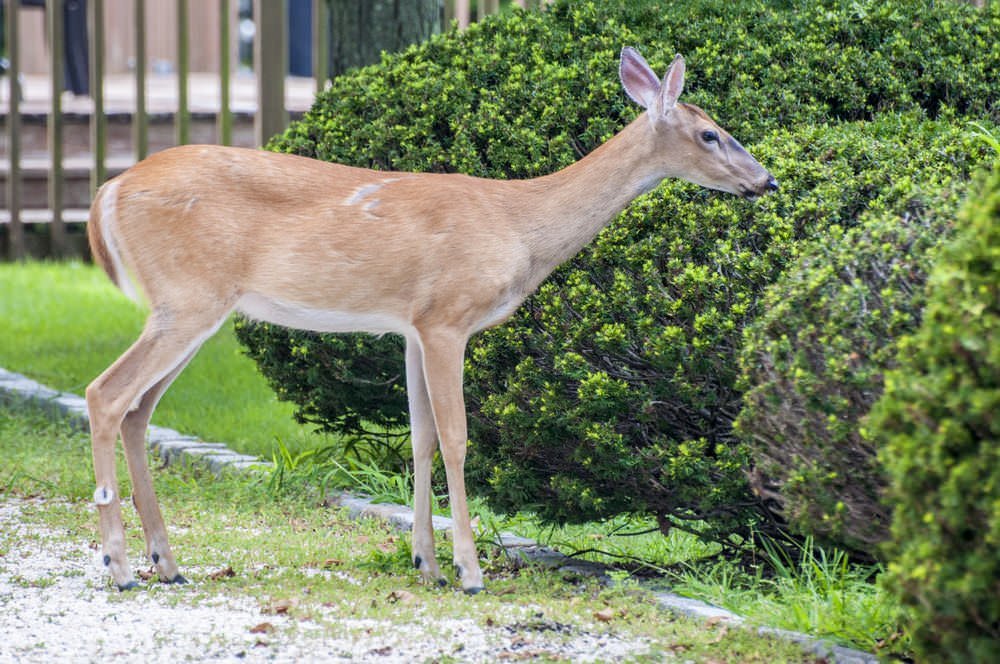
Credit: millcreekgardens.com
Two Beginner Mistakes To Avoid
Many new gardeners make the same errors:
- Underestimating deer. People try short fences (4–5 feet) or rely only on repellents, but deer easily jump over or ignore these. Always overestimate what deer can do.
- Not being persistent. Deer will test your defenses. If you stop using repellents, let a gate open, or delay repairs, they’ll find a way in. Consistency is key.
Non-obvious Tips For Deer Prevention
- Change patterns often: Move scare devices, rotate repellents, and shift plantings every few weeks. Deer notice patterns, so unpredictability helps.
- Nighttime focus: Most deer damage happens at night. Motion lights or sprinklers are most effective after dark.
When To Combine Methods
No single solution works everywhere. The best results come from combining two or more approaches. For example:
- Use a tall fence plus deer-resistant plants.
- Spray repellents and install motion-activated sprinklers.
- Mix plant types and use physical barriers for the most vulnerable crops.
The Role Of Weather And Season
Deer behavior changes with the seasons. In late winter and early spring, natural food is scarce, and deer are more likely to eat anything—including “deer-resistant” plants. During drought, deer may be especially persistent.
After heavy rains, reapply repellents. Check fences after storms for damage.
Budget-friendly Strategies
If you can’t install a full fence, try these:
- Combine plastic netting with metal stakes for a simple, tall barrier.
- Use recycled materials: Old doors, pallets, or lattice can form a makeshift fence.
- Focus protection on the most valuable crops.
Technology And New Solutions
Modern gardeners have access to new tools:
- Solar-powered lights and alarms are easy to install and run without wiring.
- Trail cameras help track deer activity so you know when and where to focus defenses.
- Smart sprinklers can be controlled by phone, letting you activate deterrents remotely.
Long-term Success
Protecting your garden from deer is not a one-time job. It requires observation, adjustment, and sometimes creativity. By understanding deer habits, using smart barriers, and staying alert, you can enjoy a thriving vegetable garden—no matter how many deer live nearby.
If you want to dive deeper into deer behavior and garden protection, the National Wildlife Federation has many helpful resources: National Wildlife Federation.
Frequently Asked Questions
How High Should A Deer Fence Be Around A Vegetable Garden?
A deer fence should be at least 8 feet high to be truly effective. Deer can jump over shorter fences, especially if they are motivated by food. If an 8-foot fence isn’t possible, two shorter fences (each about 4 feet high) spaced 3–4 feet apart can also work well.
Do Motion-activated Sprinklers Really Keep Deer Away?
Yes, motion-activated sprinklers can be very effective, especially for small gardens. The sudden burst of water startles deer and teaches them to avoid the area. For best results, move the sprinkler occasionally and use it with other deterrents.
Are Homemade Repellents As Good As Commercial Ones?
Homemade repellents can help, but they usually don’t last as long as commercial products and need to be reapplied more often. Rain or watering will wash them off, and deer may get used to the scent. For strong deer pressure, use commercial repellents or combine both types.
Which Vegetables Are Most Likely To Be Eaten By Deer?
Deer love tender, leafy vegetables like lettuce, beans, peas, and spinach. They also eat fruiting vegetables such as tomatoes and strawberries. Root crops like carrots and beets are sometimes less affected, but deer may still eat the tops.
What Is The Single Best Way To Prevent Deer In A Vegetable Garden?
The most reliable way is to install a tall, sturdy fence—ideally 8 feet high. No other method works as consistently. For smaller gardens or lower budgets, combine fencing with repellents, scare devices, and smart planting to get the best protection.
Deer can be a big challenge, but with the right steps, you can keep your vegetable garden safe and productive. Don’t wait until you see the first signs of damage—start protecting your garden now and enjoy every bite of your harvest.