
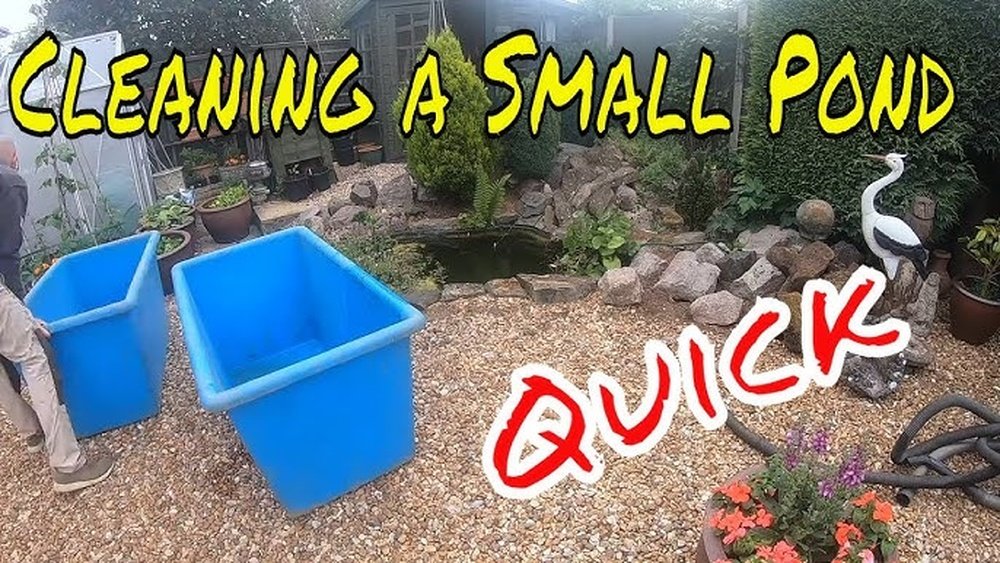
A garden pond brings life, beauty, and a sense of calm to any outdoor space. But keeping it clean can be tricky, especially if you’re new to pond care. Dirty water, algae, debris, and poor maintenance can turn your pond from a peaceful oasis into a headache. If you want clear water, healthy fish, and vibrant plants, proper cleaning is essential. This guide will help you learn how to clean a garden pond properly, avoid common mistakes, and get the best results for your backyard water feature. Whether your pond is small or large, with or without fish, you’ll find practical advice here.
Why Garden Pond Cleaning Matters
Cleaning isn’t just about looks. Dirty ponds can cause many problems:
- Algae blooms make water green and block sunlight.
- Rotting leaves and debris create bad smells and harm fish.
- Poor water quality leads to sick plants and dead fish.
- Mosquito breeding increases with stagnant water.
Regular cleaning helps prevent these issues. Clean ponds support healthy fish, beautiful plants, and enjoyable outdoor living. Most experts recommend a deep cleaning once or twice a year, plus light maintenance every few weeks.
When And How Often Should You Clean Your Garden Pond?
The best time for deep cleaning is usually early spring or late autumn. Spring cleaning prepares your pond for the growing season, while autumn cleaning removes leaves and prepares for winter. Light maintenance, like removing surface debris, should happen every week or two.
Factors affecting cleaning frequency:
- Pond size (larger ponds need less frequent deep cleaning)
- Number of fish (more fish means more waste)
- Plant density (plants drop leaves and create debris)
- Local climate (hot, humid areas get more algae)
- Water flow (stagnant ponds need more cleaning)
Essential Tools And Supplies For Pond Cleaning
Before you start, gather the right tools. Using proper equipment makes the job faster and safer for you and your pond life.
- Pond net (for debris and leaves)
- Pond vacuum (removes sludge from the bottom)
- Water testing kit (checks pH, ammonia, nitrite, nitrate)
- Buckets (for moving fish or plants)
- Rubber gloves (protect your hands)
- Garden hose (for rinsing and refilling)
- Algae brush (scrubs rocks and liner)
- Pond-safe cleaning products (never use household cleaners)
- Fish holding tank (for temporary storage if needed)
Preparing Your Garden Pond For Cleaning
Preparation is important, especially if your pond has fish or sensitive plants.
- Turn off pumps and filters.
- This prevents damage and keeps debris from clogging the system.
- Remove fish and larger aquatic animals.
- Use a pond net and bucket to gently transfer fish to a holding tank with pond water.
- Protect plants.
- Move potted plants aside, or cover in place if you’re not draining the pond.
- Check water temperature.
- Fish are less stressed if water is above 55°F (13°C).
- Plan your cleaning steps.
- Decide if you’ll drain the pond fully or clean in sections.
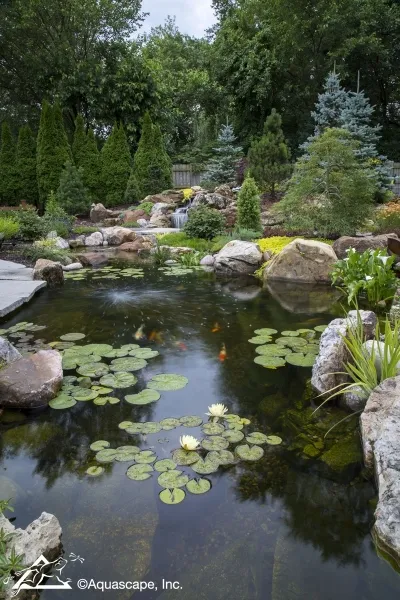
Pro Tip: Never rush. Fish and plants can be sensitive to sudden changes. Prepare everything before starting.
Credit: www.aquascapeinc.com
Step-by-step Guide: How To Clean A Garden Pond Properly
Cleaning a pond well requires a few key steps. Follow this order for best results.
1. Remove Surface Debris
Use a pond net to skim leaves, twigs, dead insects, and floating algae. Work slowly so you don’t stir up sludge.
- Start at the edges and move inward.
- If you have a skimmer, empty it.
- Remove any floating plant matter.
2. Clean Pond Edges And Rocks
Algae and mud often build up at the edges.
- Use an algae brush to scrub rocks, liner, and waterfall features.
- Pay attention to corners and hidden spots.
- Avoid harsh scrubbing if you have a rubber liner.
3. Remove Sludge From The Bottom
Sludge is a mix of decaying leaves, fish waste, and dirt. It’s the main cause of bad smells and poor water quality.
- Use a pond vacuum or siphon hose.
- Move slowly to avoid stirring up too much.
- Remove about 60–80% of the sludge. Leave some for beneficial bacteria.
Non-obvious tip: Don’t remove all the sludge. Some bacteria help break down waste and keep water balanced.
4. Clean Filters And Pumps
Filters and pumps can get clogged with debris and algae.
- Take apart the filter and rinse in a bucket of pond water (not tap water).
- Tap water can kill good bacteria.
- Clean impellers, hoses, and skimmer baskets.
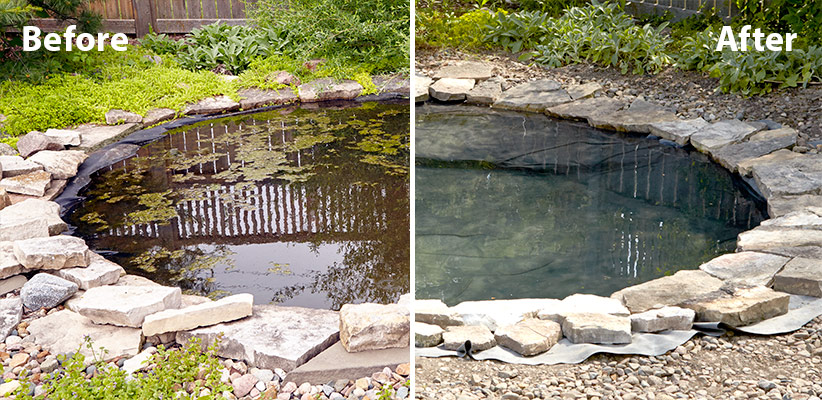
5. Wash Pond Liners (if Needed)
For ponds with liners, algae and dirt may build up.
- Use a pond-safe brush and water only.
- Never use soap or household cleaners.
- Rinse gently to avoid tearing the liner.
6. Remove And Clean Pond Plants
If you have potted or floating plants:
- Remove them carefully.
- Rinse roots and leaves with pond water.
- Trim dead or yellow leaves.
- Replant after cleaning.
7. Drain And Refill Pond (optional)
For very dirty ponds, draining may be necessary.
- Pump out water with a siphon or pump.
- Clean the pond bottom and sides.
- Refill slowly with dechlorinated water.
- Add water conditioners if needed.
Caution: Only drain the pond if absolutely necessary. Draining stresses fish and can upset water balance.
8. Reintroduce Fish And Animals
After cleaning, wait until the water temperature is stable and water quality is tested.
- Test pH, ammonia, nitrite, and nitrate levels.
- Gently move fish back using a net.
- Monitor for signs of stress.
Expert insight: Many beginners forget to check water parameters before returning fish. This can lead to sickness or death.
Comparing Pond Cleaning Methods
Different methods suit different ponds. Here’s a simple comparison:
| Cleaning Method | Best For | Pros | Cons |
|---|---|---|---|
| Manual (Net & Brush) | Small ponds | Low cost, gentle | Slow, misses sludge |
| Pond Vacuum | Medium–large ponds | Efficient, removes sludge | Requires power, cost |
| Full Drain | Very dirty ponds | Thorough, resets water | Stressful for fish, disrupts balance |
| Partial Cleaning | Established ponds | Less stressful, maintains bacteria | May leave hidden waste |
Choose a method based on pond size, fish population, and how dirty your pond is.
Water Quality: Testing And Balancing
Clean water is not just clear. It needs the right balance for fish and plants.
Key parameters:
- PH: Ideal range is 6.5–8.0
- Ammonia: Should be 0 ppm
- Nitrite: Should be 0 ppm
- Nitrate: Below 40 ppm
Test water after cleaning and before returning fish.
| Parameter | Safe Range | Effect if Out of Range |
|---|---|---|
| pH | 6.5–8.0 | Fish stress, poor plant growth |
| Ammonia | 0 ppm | Fish toxicity, death |
| Nitrite | 0 ppm | Fish toxicity, illness |
| Nitrate | <40 ppm | Algae blooms, plant stress |
Non-obvious tip: Many ponds develop high nitrate after cleaning. Use aquatic plants to absorb excess nitrate.
Preventing Algae And Cloudy Water
Algae is the most common pond problem. After cleaning, it often returns quickly if not controlled.
Ways to prevent algae:
- Use UV clarifiers in your filter system.
- Add floating plants like water lilies to block sunlight.
- Avoid overfeeding fish (leftover food feeds algae).
- Remove dead leaves weekly.
- Keep pond water moving with pumps or waterfalls.
Cloudy water often happens after cleaning. Usually, it settles in a few days. If not, use a pond clarifier (never household chemicals).
Maintaining A Clean Pond Year-round
Cleaning is not a one-time job. Regular maintenance keeps your pond healthy.
Weekly tasks:
- Skim leaves and debris.
- Check water clarity.
- Remove dead plants.
Monthly tasks:
- Test water quality.
- Clean filters.
- Trim plants.
Seasonal tasks:
- Deep clean in spring or autumn.
- Remove excess sludge.
- Adjust feeding for fish.
Pro Tip: Keep a pond log. Note cleaning dates, water tests, and any problems. This helps spot patterns and prevent issues.
Common Mistakes In Garden Pond Cleaning
Many beginners make mistakes that harm their pond. Avoid these:
- Using tap water to clean filters.
- Tap water kills good bacteria. Use pond water.
- Draining the pond too often.
- This stresses fish and disrupts balance.
- Over-cleaning.
- Removing all sludge and bacteria causes water quality problems.
- Ignoring water tests.
- Always check parameters before returning fish.
- Using household cleaners.
- These poison fish and plants.
Credit: www.gardengatemagazine.com
Eco-friendly Pond Cleaning Tips
Protecting pond life and the environment is important.
- Use biodegradable pond-safe products only.
- Compost leaves and debris instead of throwing away.
- Encourage natural bacteria with a biological filter.
- Plant native aquatic species to support local wildlife.
Garden Pond Cleaning For Different Climates
Pond care varies by region. Hot, humid areas get more algae, while cold climates need winter preparation.
Warm Climate Tips
- Shade ponds with plants or covers.
- Clean filters more often.
- Monitor for rapid algae growth.
Cold Climate Tips
- Remove leaves before winter.
- Stop feeding fish below 50°F (10°C).
- Use a pond heater or aerator to prevent ice.
Credit: www.green-feathers.co.uk
Keeping Fish Safe During Pond Cleaning
Fish are sensitive to changes in water and temperature. Follow these steps to keep them healthy:
- Use a holding tank with water from your pond.
- Cover the tank to prevent jumping and stress.
- Avoid sudden temperature changes.
- Return fish only when water is stable and tested.
Expert insight: Many fish deaths happen during pond cleaning due to rushed handling. Take your time and monitor closely.
How To Clean A Garden Pond Without Draining
Draining is not always needed. For light cleaning:
- Use a pond vacuum to remove sludge.
- Skim surface debris weekly.
- Trim dead plants and remove algae by hand.
- Clean filters with pond water.
This method keeps the ecosystem balanced and reduces stress for fish.
Comparing Pond Cleaning Costs
Cleaning costs depend on method, pond size, and equipment.
| Cleaning Method | Estimated Cost | Best For |
|---|---|---|
| DIY Manual (Net/Brush) | $20–$50 | Small ponds |
| Pond Vacuum | $100–$300 | Medium–large ponds |
| Professional Service | $250–$600 | Large or complex ponds |
DIY is cheaper but requires more time. Professionals have the right tools and experience, especially for large ponds.
Pond Cleaning For Wildlife Ponds
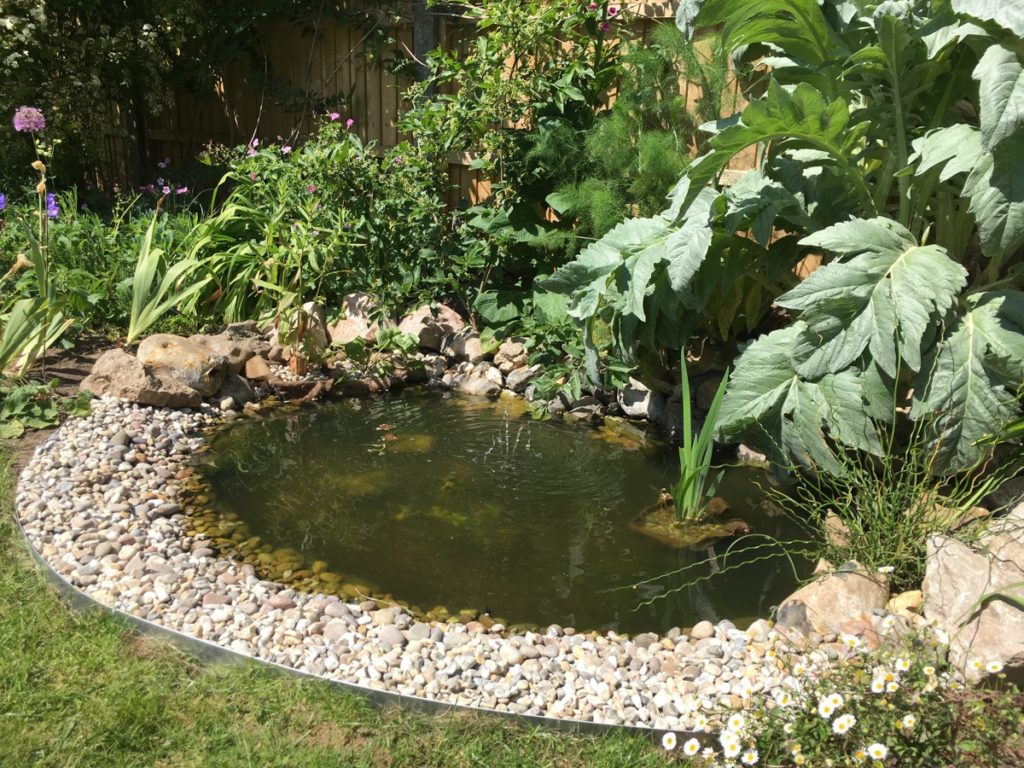
Wildlife ponds are designed to attract frogs, birds, and insects. Cleaning must be gentle.
- Avoid draining completely.
- Remove debris by hand.
- Leave some leaves and sticks for habitat.
- Use native plants.
Non-obvious tip: Wildlife ponds benefit from some natural debris. Over-cleaning reduces biodiversity.
How To Clean A Garden Pond With Koi Or Goldfish
Koi and goldfish are popular pond fish but sensitive to changes.
- Move fish to a holding tank during deep cleaning.
- Test water before returning fish.
- Avoid sharp tools that can injure fish.
- Use pond-safe dechlorinator if refilling.
Pro Tip: Koi need more space and clean water than goldfish. Plan cleaning frequency based on fish type.
How To Clean A Garden Pond With Waterfalls Or Fountains
Water features add beauty but also collect debris.
- Clean waterfall and fountain pumps every month.
- Scrub algae from rocks and liners.
- Check for blockages in hoses.
- Remove leaves from waterfall pools.
Expert insight: Waterfalls increase oxygen, helping prevent algae, but require more cleaning.
How To Clean A Small Garden Pond
Small ponds need frequent light cleaning.
- Skim debris every few days.
- Use a net or small pond vacuum.
- Avoid draining unless absolutely needed.
- Test water every two weeks.
Small ponds can get dirty fast. Clean more often but gently.
How To Clean A Large Garden Pond
Large ponds have more stable ecosystems but require special tools.
- Use a powerful pond vacuum.
- Clean filters and pumps regularly.
- Remove leaves with a large net or skimmer.
- Consider professional cleaning for deep sludge removal.
Large ponds need less frequent deep cleaning but more regular surface maintenance.
What To Do After Cleaning: Rebalancing Your Pond
After cleaning, water may look cloudy or fish may act strange. Here’s how to rebalance:
- Add beneficial bacteria starter.
- Test water parameters daily for a week.
- Plant new aquatic species if needed.
- Monitor fish behavior.
- Adjust feeding and water flow.
Pro Tip: Don’t feed fish for 24 hours after cleaning to reduce stress.
How To Clean A Garden Pond For Mosquito Control
Mosquitoes breed in stagnant water. Cleaning helps control them.
- Remove surface debris weekly.
- Keep water moving with pumps or fountains.
- Add mosquito-eating fish (like goldfish).
- Use pond-safe mosquito larvicide if needed.
Mosquito control is key for healthy, enjoyable outdoor space.
How To Clean Pond Filters And Uv Clarifiers
Filters and UV clarifiers remove debris and kill algae.
- Rinse filter media in pond water monthly.
- Clean UV bulbs and housings.
- Replace filter media yearly.
- Never use soap or tap water.
Expert insight: UV clarifiers are effective but need regular cleaning to work well.
How To Clean Pond Liner Safely
Pond liners protect your pond from leaks.
- Use a soft brush and water only.
- Avoid sharp tools.
- Never use bleach or household cleaners.
- Inspect for damage after cleaning.
Liner care prevents leaks and keeps water clean.
Restoring Water Clarity After Cleaning
If water is cloudy after cleaning:
- Wait 48 hours—most ponds settle naturally.
- Use a pond clarifier if needed.
- Add more aquatic plants to absorb nutrients.
- Check filters for clogs.
Clear water returns with patience and proper maintenance.
How To Clean A Garden Pond With Heavy Algae
Heavy algae can block light and harm fish.
- Remove algae by hand or with a net.
- Use a pond vacuum for bottom sludge.
- Add floating plants to block sunlight.
- Install a UV clarifier.
- Use barley straw or pond-safe algaecide.
Non-obvious tip: Barley straw releases natural chemicals that slow algae growth.
How To Clean A Pond With No Fish
Ponds without fish are easier to clean.
- Remove debris weekly.
- Clean filters monthly.
- Drain and refill if needed.
- Plant native aquatic species.
No-fish ponds need less testing but regular cleaning for plant health.
How To Clean A Pond For Safe Swimming
Some garden ponds are used for swimming.
- Use pond-safe cleaning products only.
- Test water quality weekly.
- Clean filters and pumps regularly.
- Avoid over-cleaning (keep some bacteria).
Swimming ponds need higher water clarity and safety.
How To Clean A Pond After Heavy Rain
Rain brings mud and debris.
- Skim surface debris as soon as possible.
- Test water for pH and ammonia.
- Clean filters and pumps.
- Add beneficial bacteria.
Rain can upset balance—monitor closely after storms.
Professional Pond Cleaning Services: When To Hire
Sometimes, DIY cleaning isn’t enough.
- Hire professionals for very large ponds, deep sludge, or heavy algae.
- Professionals use specialized equipment and know how to protect fish.
- Average cost: $250–$600 per cleaning.
For more details on professional pond maintenance, see Water Garden Organization.
Frequently Asked Questions
How Often Should I Clean My Garden Pond?
Deep cleaning is recommended once or twice a year, usually in spring and autumn. Light cleaning, like removing leaves and debris, should be done every week or two.
Can I Use Household Cleaning Products In My Pond?
No. Only use pond-safe, biodegradable products. Household cleaners can poison fish and plants.
What Is The Best Way To Remove Sludge From The Pond Bottom?
A pond vacuum or siphon hose is the safest and most efficient method. Remove about 60–80% of the sludge—leave some for beneficial bacteria.
Should I Drain My Pond Completely During Cleaning?
Only drain the pond if it’s extremely dirty or polluted. Complete draining stresses fish and upsets the ecosystem. Most ponds are best cleaned with partial water changes.
How Do I Keep My Pond Clean Between Deep Cleanings?
Regular maintenance is key. Skim leaves weekly, test water monthly, clean filters, and add floating plants to prevent algae. Keeping water moving with pumps or fountains also helps.
Cleaning a garden pond properly takes time and care, but the rewards are clear water, happy fish, and a beautiful landscape. Follow these steps, avoid common mistakes, and enjoy your pond all year. With consistent maintenance and a gentle touch, your garden pond will stay healthy and inviting for years to come.