
Selecting the right chainsaw size is one of the most important steps when you want to cut firewood safely and efficiently. Many people make mistakes, choosing a saw that is too small or too big for their needs. This article gives you clear guidance on what chainsaw size works best for firewood, with practical tips, expert advice, and helpful comparisons.
Whether you are new to chainsaws or have some experience, you will find answers to your questions about chainsaw sizing, performance, safety, and value.
Why Chainsaw Size Matters For Firewood
The size of your chainsaw affects almost everything—how easy it is to cut, how safe it is, and how much work you can do. If your saw is too small, it will struggle and waste your time. If it’s too large, it can be heavy, hard to control, and even dangerous.
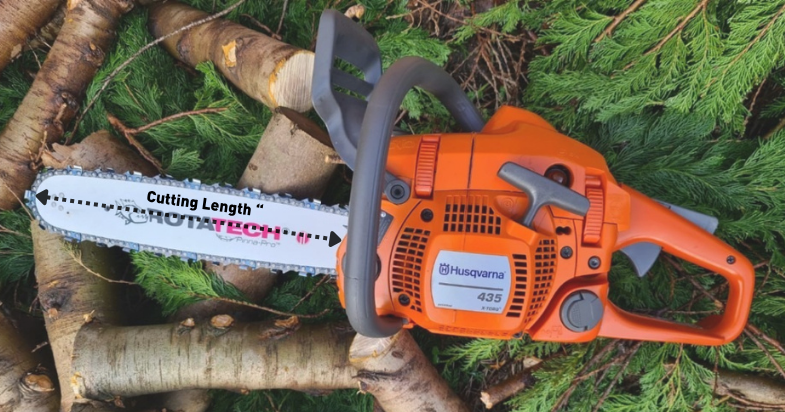
Chainsaw size is usually measured by the bar length, which is the part of the saw that holds the chain. Bar length is given in inches. Most firewood cutting happens with chainsaws between 14 inches and 20 inches. But the right size depends on several factors—your wood, your experience, and your cutting style.
Here are some reasons why choosing the right size matters:
- Safety: A chainsaw that is too large can kick back or cause injury.
- Efficiency: The right size lets you cut wood faster with less effort.
- Comfort: Lightweight saws are easier to handle, especially for long sessions.
- Durability: Using the proper size helps your chainsaw last longer.
Factors That Affect Chainsaw Size Choice
Before picking a chainsaw, think about these factors. They help you find the best fit for your firewood needs.
Wood Diameter
The most important factor is the diameter of the wood you want to cut. For small logs (under 10 inches), you don’t need a big saw. For large logs (over 16 inches), you will need a longer bar and more power.
Type Of Wood
Hardwoods like oak and maple are tougher than softwoods like pine or spruce. Tough wood requires a more powerful chainsaw, sometimes with a longer bar.
Frequency Of Use
If you cut firewood only a few times per year, a smaller, lighter saw may be better. If you cut lots of firewood regularly, a larger, more robust saw will save time and energy.
User Experience
Beginners should start with shorter, lighter chainsaws. Experienced users can handle bigger models safely.
Portability
Do you need to move your saw often? Lightweight models are easier to carry and use in remote places.
Power Source
Chainsaws come in three main types:
- Gas-powered: More powerful, suitable for bigger jobs and hardwoods.
- Electric (corded): Good for small jobs, quiet, but limited by cord length.
- Battery (cordless): Portable, less powerful, ideal for light work.
Chainsaw Bar Lengths: What Works Best For Firewood?
The chainsaw bar length is the key measurement. Here’s what each common size is best for:
12–14 Inch Bars
- Good for cutting branches, small logs, and limbs
- Easy to handle, ideal for beginners or light firewood work
- Often found on electric or battery chainsaws
16–18 Inch Bars
- Most popular for firewood cutting
- Suitable for logs up to 14 inches in diameter
- Offers a balance of power and control
- Works well for hardwood and softwood
20 Inch Bars
- Designed for large logs, heavy-duty firewood cutting
- Used by professionals or experienced users
- More weight and power, but harder to handle
Over 20 Inch Bars
- Usually for tree felling, not typical firewood work
- Difficult to control, not recommended for most firewood tasks
Below is a comparison of bar lengths for firewood use:
| Bar Length | Best For | Wood Diameter | User Type |
|---|---|---|---|
| 12–14 inches | Small logs, branches | Up to 10 inches | Beginner, light use |
| 16–18 inches | Medium logs, firewood | Up to 14 inches | Most users |
| 20 inches | Large logs, heavy-duty | Up to 16 inches | Experienced/pro |
| 24+ inches | Tree felling | Over 16 inches | Professional |
Chainsaw Power And Engine Size: How Much Do You Need?
Bar length is important, but engine power matters too. Engine size is measured in cc (cubic centimeters) for gas saws and amps or volts for electric/battery saws.
Gas Chainsaw Power
- 32–45cc: Good for light jobs, small logs, and branches
- 45–60cc: Best for firewood, medium logs, and hardwoods
- 60+cc: Heavy-duty, large logs, professional use
Electric Chainsaw Power
- 8–12 amps: Basic trimming, small firewood jobs
- 12–15 amps: Medium firewood work, cutting logs up to 12 inches
Battery Chainsaw Power
- 18–40 volts: Trimming, light firewood work
- 40–60+ volts: Medium logs, regular firewood cutting
Here’s a quick engine size comparison for firewood:
| Engine Type | Power Range | Best Use | Common Bar Length |
|---|---|---|---|
| Gas | 32–60cc | Firewood, hardwoods | 16–20 inches |
| Electric | 8–15 amps | Light/medium firewood | 12–16 inches |
| Battery | 18–60 volts | Light/medium firewood | 12–16 inches |

Credit: onevantool.com
How To Match Chainsaw Size To Your Firewood Needs
Choosing the right chainsaw size is not just about numbers. You need to consider your actual needs. Here’s a step-by-step process:
- Measure Your Logs: Use a tape measure to check the diameter of the typical logs you cut.
- Pick a Bar Length: Choose a bar that is 2 inches longer than the average log diameter. For example, if your logs are 12 inches, pick a 14-inch bar.
- Choose Power Type: Decide if you need gas, electric, or battery based on your cutting frequency and location.
- Consider Your Experience: Beginners should go for shorter bars and lighter models.
- Think About Weight: If you cut for hours, lighter saws reduce fatigue.
Practical Example
Suppose you cut hardwood logs that are 12–14 inches thick, several times per month. You would need:
- 16–18 inch bar
- 45–60cc gas engine or 12–15 amp electric motor
- Medium weight, comfortable grip
If your logs are only 8 inches thick and you cut them once a year:
- 14-inch bar
- 32–40cc gas engine or 8–10 amp electric motor
- Lightweight, easy to use
Common Chainsaw Size Mistakes To Avoid
Many people make errors when choosing chainsaw size. Here are some mistakes and how to avoid them:
1. Choosing Too Long A Bar
Long bars are harder to control and can be dangerous. Don’t pick a 20-inch bar for small logs.
2. Buying Too Much Power
High-powered saws are heavier, cost more, and are difficult for beginners. Start with what you need.
3. Ignoring Weight
A heavy saw causes fatigue. Always consider weight, especially for long sessions.
4. Not Matching Saw To Wood Type
Hardwood needs more power. Softwood can be cut with less.
5. Overlooking Chain Quality
A sharp, high-quality chain is more important than raw power. Dull chains slow you down.
Safety Tips When Cutting Firewood
Safety is essential. Here are important safety tips for firewood cutting:
- Wear Protective Gear: Always use gloves, eye protection, ear protection, and chainsaw chaps.
- Check Your Chainsaw: Inspect the chain tension, oil level, and bar before each use.
- Keep Both Hands on the Saw: Never use a chainsaw one-handed.
- Avoid Cutting Above Shoulder Height: This increases risk of kickback.
- Clear Your Work Area: Remove obstacles and other people before starting.
- Start Saw Safely: Use the proper starting technique. For gas saws, use the ground start method.
- Never Cut with a Dull Chain: Dull chains increase risk and slow you down.
- Rest When Tired: Fatigue increases mistakes and accidents.
Comparing Chainsaw Brands And Models For Firewood
Not all chainsaws are created equal. Some brands are known for quality, durability, and safety. Here’s a comparison of popular chainsaw brands for firewood:
| Brand | Best Feature | Popular Model | Price Range | Warranty |
|---|---|---|---|---|
| Stihl | Reliability | MS 271 | $400–$500 | 2 years |
| Husqvarna | Durability | 450 Rancher | $350–$450 | 2 years |
| Echo | Value | CS-400 | $300–$400 | 5 years |
| Makita | Electric/Battery | XCU03PT1 | $350–$450 | 3 years |
| DeWalt | Battery Power | DCCS620P1 | $250–$350 | 3 years |
Non-obvious Insight
Many beginners focus only on the bar length or engine power, but chain quality and maintenance are just as important. A well-maintained chain cuts faster and safer than a neglected one, even if your saw is smaller.
Credit: rotatechproducts.com
Chainsaw Size And Regional Factors (geo)
Chainsaw size needs can vary by region. For example:
- Northern US: People often cut hardwoods (oak, maple, birch), which require more power and longer bars.
- Southern US: Softwoods (pine, cedar) are common, so smaller saws are usually enough.
- Mountain regions: Larger logs and mixed wood types mean medium to large saws are popular.
If you live in an area with frequent storms or wind, you may need a saw for cleanup as well as firewood.
Chainsaw Size And Search Intent (seo/aeo)
When people search “what chainsaw size for firewood,” they want specific answers:
- Best bar length for firewood
- Chainsaw engine power for firewood
- Safety tips for cutting firewood
- Comparison of chainsaw models
- Chainsaw recommendations for beginners
This article covers all these intents, helping you make an informed decision.
Non-obvious Chainsaw Tips For Firewood
Here are two often-missed tips:
- Use a Chainsaw File Guide: Keeping your chain sharp is critical. A file guide makes it easy to sharpen at home.
- Choose the Right Chain Type: For firewood, a low-kickback chain is safer and easier for beginners.
Chainsaw Size For Firewood: Real-life Examples
Let’s look at some real-life examples:
- John from Michigan: Cuts hardwood logs, 14 inches thick, twice a month. Uses a 16-inch Stihl MS 271, 50cc. “The saw is powerful but not too heavy. I can cut all my firewood safely.”
- Maria from Texas: Cuts pine logs, 8 inches thick, once a year. Uses a 14-inch DeWalt battery saw. “It’s easy to use and light. Perfect for occasional cutting.”
- Dave from Oregon: Cuts mixed wood, some logs up to 16 inches. Uses an 18-inch Husqvarna 450 Rancher, 55cc. “Works well for bigger logs and is reliable.”
Chainsaw Maintenance Tips For Firewood Cutting
A chainsaw lasts longer and works better with good maintenance. Here are essential tips:
- Clean Air Filter Regularly: Dirty filters reduce power and cause engine problems.
- Check Chain Tension Often: Loose chains can fall off or cause kickback.
- Lubricate Bar and Chain: Always use proper chain oil.
- Sharpen Chain Frequently: A sharp chain is safer and faster.
- Inspect Bar for Wear: Replace if you see deep grooves or cracks.
- Store Chainsaw Properly: Keep in a dry place and empty fuel for long-term storage.
How Chainsaw Size Affects Cutting Technique
The size of your chainsaw changes how you cut firewood.
- Short bars: Make multiple cuts for bigger logs, but are easier to control.
- Long bars: Cut through logs in one pass, but need more skill to avoid kickback.
For safety and efficiency, always:
- Position the saw at the right angle
- Let the chain do the work; don’t force it
- Use both hands and keep steady pressure
Environmental And Legal Considerations
Some regions have noise regulations or rules about gas-powered equipment. Battery and electric saws are quieter and may be required in some areas. Always check local laws before buying or using a chainsaw.
Buying A Chainsaw: What Really Matters
When shopping for a chainsaw for firewood, focus on these factors:
- Bar length: Matches your log size
- Engine power: Enough for your wood type
- Weight: Light enough to handle safely
- Brand reliability: Proven performance
- Safety features: Chain brake, anti-vibration, low-kickback chain
- Warranty and support: Protects your investment
Avoid sales pitches and focus on what you actually need. Many people overbuy, thinking bigger is better, but a well-chosen medium-size saw is ideal for most firewood tasks.
Credit: northernwoodlands.org
Common Questions When Choosing Chainsaw Size
Is A 16-inch Chainsaw Big Enough For Firewood?
Yes, a 16-inch chainsaw is ideal for most firewood jobs. It cuts logs up to 14 inches easily and is safe for beginners and experienced users.
How Big A Chainsaw Do I Need For Hardwood?
For hardwood firewood, a 16–18 inch bar with at least 45cc engine is recommended. Hardwoods are tougher and need more power.
Can I Use An Electric Chainsaw For Firewood?
Electric chainsaws work well for small to medium logs, especially if you have easy access to power. For bigger jobs, gas-powered models are better.
What Is The Best Chainsaw For A Beginner?
Beginners should choose a 14–16 inch bar, lightweight model, and safety features. Battery or electric saws are easier to start and maintain.
How Often Should I Sharpen My Chainsaw Chain?
Sharpen the chain every few hours of cutting or whenever you notice slower cutting and more sawdust.
Frequently Asked Questions
What Is The Best Chainsaw Size For Cutting Firewood At Home?
For most homeowners, a 16–18 inch chainsaw is best. It balances power, weight, and safety. You can cut logs up to 14 inches and handle both hardwood and softwood.
Should I Buy A Gas Or Electric Chainsaw For Firewood?
If you cut firewood often or work with large, tough logs, a gas chainsaw is better. For light, occasional use, an electric or battery chainsaw is easier and quieter.
Can I Use A Chainsaw With A Longer Bar Than Needed?
While you can use a longer bar, it’s not recommended. Longer bars are heavier, harder to control, and may cause safety problems if not used properly.
How Do I Know If My Chainsaw Is Big Enough For My Firewood?
Measure your log diameter. Your chainsaw bar should be at least 2 inches longer than the log. For example, a 12-inch log needs a 14-inch bar.
Are There Legal Restrictions On Chainsaw Size?
Some regions limit gas-powered chainsaws or noise levels. Always check local laws and regulations before buying.
Closing Thoughts
Choosing the right chainsaw size for firewood is about matching the saw to your needs—not just picking the biggest or most powerful model. Think about the wood you cut, your experience, and your comfort. A medium-size chainsaw (16–18 inch bar) works for most people and is safe, efficient, and easy to maintain.
Remember, safety and maintenance are just as important as size. With these tips, you can cut firewood confidently and enjoy a warm home all winter.
If you want more detailed information about chainsaw safety and sizing, visit the Oregon Chainsaw Safety Guide.
Stay safe, keep your saw sharp, and choose the right tool for your firewood needs.