
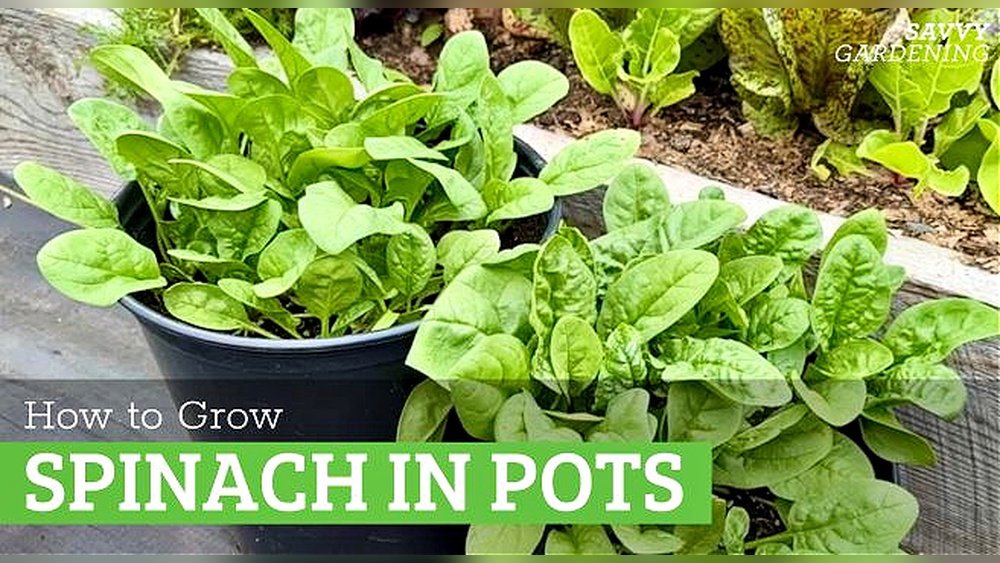
Growing your own spinach can be a rewarding experience. The taste of fresh, homegrown spinach leaves is richer, and you have full control over the growing process. For gardeners—beginners or experienced—spinach is a top pick. It’s fast-growing, nutritious, and adapts well to many climates. But to get the most from your seeds, you need to understand the right steps, timing, and care.
This guide walks you through everything you need to know to grow spinach from seed—step by step. You’ll learn what makes spinach unique, how to choose the right seeds, how to prepare your garden or containers, and how to avoid common mistakes.
By the end, you’ll be confident in your ability to grow a healthy crop of spinach, whether you have a backyard plot or a small balcony.
Why Grow Spinach From Seed?
Starting spinach from seed brings several advantages. First, seeds give you more control over variety selection. Many stores only sell one or two types of spinach, but seed catalogs offer dozens. You can choose varieties for taste, speed, or resistance to pests.
Second, spinach doesn’t transplant well. The roots are delicate, and moving young plants often damages them. By sowing seeds directly, you avoid transplant shock and get stronger plants.
Finally, growing from seed is budget-friendly. A single packet can yield pounds of spinach for the price of one bag at the store.
Understanding Spinach: Types And Growth Habits
Before you plant, it’s important to know the main types of spinach and how the plant grows. This helps you choose the right variety and predict what your crop needs.
Main Types Of Spinach
There are three basic types:
- Savoy Spinach: Leaves are dark green, curly, and crinkled. Great flavor, but harder to wash.
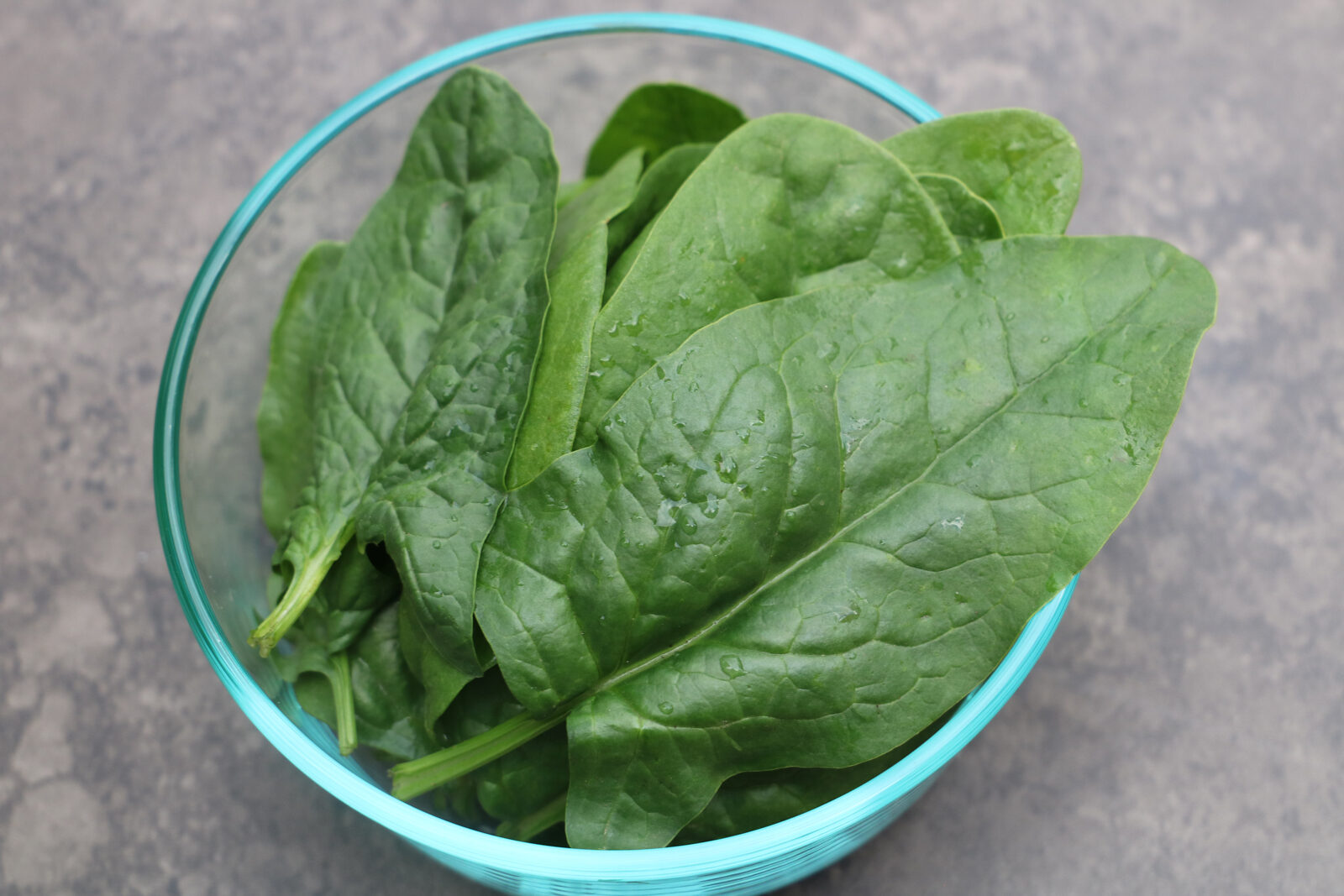
- Flat-Leaf Spinach: Smooth, flat leaves. Easier to clean and popular for salads.
- Semi-Savoy Spinach: A mix of the two—somewhat crinkled, but easier to handle.
Each type has varieties bred for cold resistance, slow bolting (not going to seed too quickly), or specific tastes. For example, ‘Bloomsdale’ is a classic savoy type, while ‘Space’ is a reliable flat-leaf variety.
Spinach Growth Habits
Spinach is a cool-season crop. It grows best when days are between 50°F and 70°F (10–21°C). Hot weather makes it bolt—send up a flower stalk and turn bitter. Most varieties mature in 35–50 days, so you can harvest quickly.
Spinach has a taproot system, meaning the main root grows deep. This makes it sensitive to transplanting and helps it draw water from lower soil layers.
Choosing The Right Spinach Seeds
Not all spinach seeds are the same. Here’s what to consider when picking seeds:
Variety Selection
Look for varieties that match your climate and use:
- If you have warm springs, choose slow-bolting types like ‘Tyee’ or ‘Space’.
- For cold regions, ‘Winter Bloomsdale’ or ‘Giant Winter’ are good picks.
- For salads, flat-leaf types like ‘Corvair’ are ideal.
Disease Resistance
Some spinach varieties resist diseases like downy mildew. If this is a problem in your area, look for seeds marked with resistance to common races (often shown as “DM 1–7”).
Seed Age
Spinach seeds lose viability quickly. Use seeds that are less than three years old for best results. Older seeds may have lower germination rates.
Organic Vs. Conventional
Organic seeds are untreated and best if you want a fully organic garden. Conventional seeds are often treated with fungicides to prevent rot but should be avoided if you prefer natural methods.
Coated Vs. Uncoated
Some seeds are coated to make them larger and easier to plant. This can help with even sowing but may delay sprouting by a day or two.
Preparing To Plant: Timing And Location
Timing and location are critical for spinach success. Spinach likes cool weather and rich, well-drained soil.
When To Plant
- Spring Planting: Sow as soon as the ground can be worked—often 4–6 weeks before the last frost. Spinach tolerates light frost.
- Fall Planting: In many areas, a fall crop is possible. Plant 6–8 weeks before your first expected frost.
- Succession Planting: For a steady supply, plant new seeds every 10–14 days until temperatures stay above 75°F (24°C).
Where To Plant
Spinach needs at least 4–6 hours of sun daily. In hot climates, some afternoon shade helps prevent bolting.
Soil should be loose, fertile, and drain well. Avoid compacted clay or soggy areas. Raised beds and containers work well if you have poor garden soil.
Soil Preparation And Fertility
Healthy soil is the backbone of a good spinach harvest. Spinach is a heavy feeder, especially for nitrogen.
Testing And Amending Soil
- Test your soil pH: Spinach prefers a range of 6.5 to 7.0. Slightly acidic to neutral is ideal.
- Add compost or aged manure to improve fertility and structure. Aim for at least 1 inch of compost mixed into the top 6 inches of soil.
If your soil is poor, add a balanced, organic fertilizer. Look for one with higher nitrogen (N) than phosphorus (P) or potassium (K).
Drainage And Bed Preparation
Spinach does not like “wet feet. ” If your soil is heavy clay, mix in sand or grow in raised beds. Beds should be at least 6–8 inches deep.
Remove rocks and break up clumps. Rake the surface smooth for even seed sowing.
Sowing Spinach Seeds
Planting spinach seeds is simple, but a few tricks can help increase your success.
Direct Sowing In The Ground
- Sow seeds ½ inch deep.
- Space seeds 1 inch apart in rows 12–18 inches apart.
- Cover lightly with soil and water gently.
Spinach seeds are slow to germinate—usually 7–14 days. Warmer soil (but not hot) speeds up sprouting.
Pre-soaking Seeds
Spinach seeds have a tough coating. Soaking them in water for 8–12 hours before planting can speed up germination. Drain and plant immediately after soaking.
Thinning Seedlings
Once plants have two true leaves, thin them to 3–6 inches apart. Crowded spinach grows slowly and is more likely to bolt.
Sowing In Containers
Spinach grows well in pots and window boxes. Choose containers at least 6 inches deep. Use a quality potting mix, and keep soil moist but not soggy.

Credit: www.youtube.com
Watering And Care
Proper watering keeps spinach growing fast and tender.
How Much Water?
Spinach needs about 1–1. 5 inches of water per week. This can come from rain or hand watering.
Watering Tips
- Water deeply but less often. This encourages deep root growth.
- Avoid watering leaves late in the day—wet leaves overnight can lead to disease.
- In hot weather, water more often to keep soil cool.
Mulching
Mulch helps keep soil cool and moist. Use straw, grass clippings, or shredded leaves around plants. Mulching also reduces weeds.
Fertilizing Spinach
Spinach benefits from extra nutrients, especially if your soil is not very rich.
When And What To Feed
- At planting: Mix in a balanced, slow-release fertilizer or compost.
- After thinning: Side-dress with a high-nitrogen fertilizer (e.g., blood meal, fish emulsion).
Too much fertilizer can lead to leafy growth but poor taste, so don’t overdo it.
Signs Of Nutrient Problems
- Yellow leaves: May indicate nitrogen deficiency.
- Pale or stunted growth: Could be poor soil or root problems.
If you see these signs, feed with a diluted liquid fertilizer every two weeks.
Sunlight, Shade, And Temperature
Getting sunlight and temperature right is key for healthy spinach.
Sunlight Needs
Spinach likes full sun but tolerates partial shade. In hot climates, afternoon shade is helpful.
Ideal Temperature
Spinach grows best between 50°F and 70°F (10–21°C). If temperatures rise above 75°F (24°C), spinach may bolt.
Protecting From Heat
- Use shade cloth or plant on the north side of taller crops.
- Mulch heavily to keep roots cool.
- Choose slow-bolting varieties if your springs heat up quickly.
Common Pests And Diseases
Like all crops, spinach can face problems. Early prevention and fast action help keep your plants healthy.
Pests
- Aphids: Small green insects on leaves. Blast off with water or use insecticidal soap.
- Leaf Miners: Larvae tunnel through leaves, leaving white trails. Remove affected leaves; use row covers to prevent.
- Slugs and Snails: Eat holes in leaves. Hand-pick or use slug bait.
Diseases
- Downy Mildew: Yellow spots and fuzzy growth under leaves. Choose resistant varieties and avoid overhead watering.
- Fusarium Wilt: Sudden wilting; soil-borne. Rotate crops and avoid planting spinach in the same spot each year.
Prevention Tips
- Space plants for good air flow.
- Water in the morning.
- Remove plant debris after harvest.
Table: Common Spinach Problems And Solutions
| Problem | Symptoms | Solution |
|---|---|---|
| Bolting | Plant sends up seed stalk, leaves turn bitter | Plant early, use slow-bolting varieties, provide shade |
| Yellow leaves | Lower leaves turn yellow | Add nitrogen-rich fertilizer |
| Leaf miners | White tunnels in leaves | Remove affected leaves, use row covers |
| Downy mildew | Yellow spots, fuzzy undersides | Plant resistant varieties, improve air flow |
Harvesting Spinach
Knowing when and how to harvest spinach makes a big difference in taste and yield.
When To Harvest
- Baby spinach: Harvest when leaves are 2–3 inches long, about 20–30 days after sowing.
- Mature spinach: Harvest when leaves are 4–6 inches, usually 35–50 days after sowing.
Pick in the morning for best flavor.
How To Harvest
- Cut outer leaves with scissors, leaving the center to keep growing.
- For a full harvest, cut the whole plant at the base.
Don’t let leaves get too large or tough—they taste best when young.
Multiple Harvests
Spinach can regrow after cutting, especially if you only take outer leaves. You can often get 2–3 harvests from a single planting.
Table: Spinach Harvest Timing
| Type | Days to Harvest | Leaf Size | Best Use |
|---|---|---|---|
| Baby spinach | 20–30 | 2–3 inches | Salads, sandwiches |
| Mature spinach | 35–50 | 4–6 inches | Cooking, freezing |
Storing Spinach
Proper storage keeps spinach fresh and tasty.
Washing
Wash leaves in cold water to remove soil and insects. Spin dry or blot with towels.
Short-term Storage
Store in the refrigerator in a plastic bag with a paper towel. Spinach lasts 5–7 days.
Freezing
Spinach freezes well for soups and cooked dishes. Blanch leaves in boiling water for 2 minutes, then cool in ice water. Drain, pack into freezer bags, and freeze for up to 6 months.
Advanced Tips For Bigger, Healthier Spinach
To maximize your spinach harvest, try these advanced techniques:
Succession Planting
Plant small amounts every 10–14 days. This gives you a steady supply and avoids overwhelming harvests.
Interplanting
Grow spinach with fast-growing crops like radishes or lettuce. This uses space efficiently and can reduce pests.
Winter Growing
In mild climates, spinach can grow all winter with protection. Use row covers or cold frames to keep plants alive through frost.
Saving Your Own Seed
If you let some plants bolt, you can collect seeds for next year. Spinach is wind-pollinated, so grow only one variety if you want pure seed.
Table: Spinach Companion Plants
| Good Companions | Poor Companions |
|---|---|
| Radish, lettuce, peas, strawberries | Potatoes, fennel |
Common Mistakes When Growing Spinach From Seed
Many gardeners struggle with spinach at first. Avoid these frequent errors:
- Planting too late: Warm weather quickly causes bolting.
- Crowded seedlings: Thin plants to avoid stunted growth and disease.
- Too little water: Dry soil leads to tough, bitter leaves.
- Ignoring soil quality: Poor soil means weak plants and low yields.
- Poor pest control: Early action stops infestations before they spread.
- Over-fertilizing: Too much nitrogen can make leaves watery and bland.
Real-world Example: Growing Spinach In Containers
Maria lives in an apartment with only a small balcony. She wants fresh spinach for salads but has little space. Here’s how she succeeds:
- She uses a 12-inch deep container and fills it with rich potting mix.
- Maria sows seeds in early spring, covering them lightly.
- She places the container where it gets morning sun and afternoon shade.
- She waters whenever the top inch of soil feels dry.
- She thins seedlings to 4 inches apart and harvests baby leaves after four weeks.
- By planting more seeds every two weeks, Maria has spinach for salads until early summer.
This example shows you can grow spinach almost anywhere with the right care.
Credit: seedsavers.org
Spinach Nutrition And Uses
Spinach is a nutritional powerhouse. One cup of raw spinach has only 7 calories but provides:
- Nearly 60% of daily vitamin A
- 34% of daily vitamin C
- 14% of daily iron
It’s also high in antioxidants and folate. Use spinach raw in salads, cook it in stir-fries, or blend it into smoothies. Cooking slightly increases the availability of some nutrients, such as iron.
Sustainable Spinach Growing
Growing spinach at home is good for you and the planet. It reduces food miles, packaging waste, and chemical use.
For even more impact:
- Use organic seeds and compost
- Water with collected rainwater
- Rotate crops to keep soil healthy
For more information on sustainable gardening, visit the EPA’s Sustainable Management Page.

Credit: lettucegrowsomething.com
Frequently Asked Questions
How Long Does Spinach Take To Grow From Seed?
Spinach germinates in 7–14 days and can be ready to harvest as baby leaves in about 20–30 days. For full-sized leaves, expect 35–50 days depending on the variety and growing conditions.
Why Are My Spinach Plants Bolting So Quickly?
Spinach bolts (goes to seed) in warm weather or when days get long. To delay bolting, plant early in spring, use slow-bolting varieties, and keep soil cool with mulch or shade.
Can I Grow Spinach Indoors?
Yes, spinach grows well indoors if you provide enough light. Use a sunny window or grow lights. Keep soil moist and cool, and use containers at least 6 inches deep.
What Is The Best Fertilizer For Spinach?
Spinach prefers fertilizers high in nitrogen. Organic options include compost, blood meal, or fish emulsion. Avoid too much phosphorus and potassium unless your soil test shows a deficiency.
How Do I Prevent Pests On My Spinach?
Keep your garden clean, use row covers to block insects, and inspect plants regularly. Remove pests by hand or use insecticidal soap for aphids. Rotate crops and space plants for good air flow to prevent diseases.
Growing spinach from seed is a simple, satisfying way to add fresh greens to your meals. With the right timing, care, and a few smart strategies, you’ll enjoy healthy spinach for months. Happy gardening!