
Keeping your yard neat is easier with the right tools. String trimmers—also called weed eaters or line trimmers—are popular for edging lawns and clearing weeds. One small but important part is the trimmer line. If you’ve ever seen uneven cuts or the trimmer not working well, you might wonder: How often should you replace the trimmer line? This guide answers that question, and gives you expert advice to make your yard work smoother.
Many people think trimmer line lasts forever, but that’s not true. Using old or damaged line can cause poor performance, extra stress on your machine, and even safety issues. This article explains when and why you should change the trimmer line, how to check for wear, and tips for making your line last longer.
You’ll also learn about different types of trimmer line, how your local environment affects replacement frequency, and mistakes to avoid.
Let’s get started and make sure your trimmer always works at its best.
What Is A Trimmer Line?
A trimmer line is the thin cord that spins at high speed in your string trimmer. It cuts grass, weeds, and small plants. Usually made of nylon, the line wears down as you use it. Different shapes and thicknesses are available for different jobs.
Key functions:
- Cuts grass and weeds
- Works instead of metal blades
- Can be replaced easily
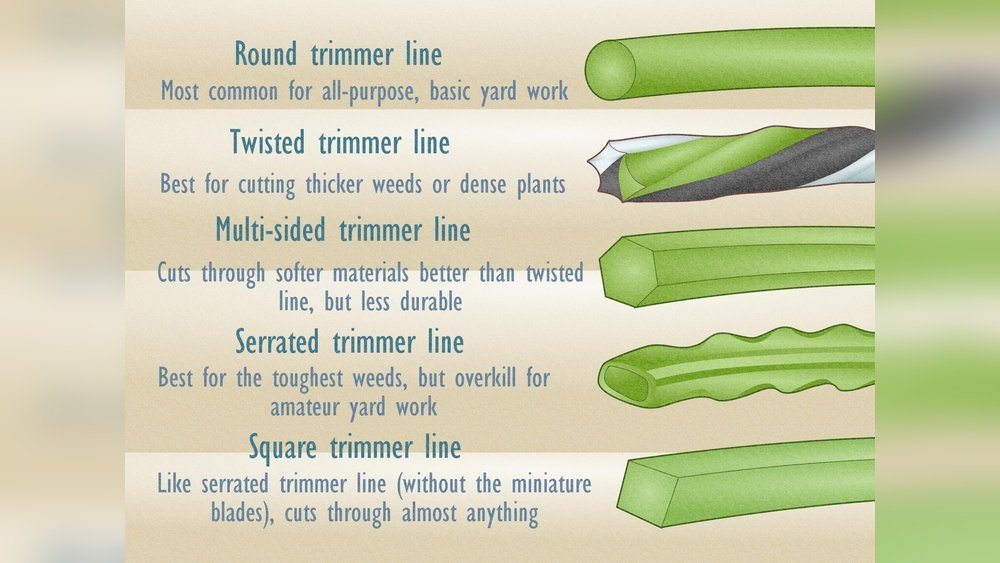
- Comes in different shapes: Round, twisted, square, star
Understanding what a trimmer line does is the first step to knowing when it needs replacement.
Why Does Trimmer Line Need To Be Replaced?
Trimmer line is not permanent. It breaks, wears down, or becomes brittle over time. Here are main reasons why you must replace the line:
- Wear from use: Every time you cut, the line hits hard surfaces like rocks, fences, or sidewalks. This wears it down.
- Breakage: The line can snap if it hits something tough or if it’s too old.
- Brittleness: Over time, especially if stored in dry or hot places, the line can become hard and break easily.
- Reduced cutting ability: As the line gets shorter or thinner, it cuts less effectively.
Using a damaged or old line can cause problems:
- Uneven cuts
- More strain on the motor
- Higher fuel or battery use
- Possible injury from snapped line
How Often Should You Replace Trimmer Line?
There is no single answer that fits everyone. The replacement frequency depends on several factors:
1. Frequency Of Use
If you trim often, you’ll need to replace the line more frequently. For most homeowners, changing the line every 3–5 uses is common. For professionals or large properties, it might be every 1–2 uses.
2. Type Of Vegetation
Cutting thick weeds or woody plants wears the line faster than trimming soft grass. If your yard has lots of tough plants, check and change the line more often.
3. Trimmer Line Quality
High-quality lines last longer. Cheaper lines may break or wear quickly. Investing in a good brand can save time and money.
4. Storage Conditions
Storing line in a cool, dry place helps it stay strong. If the line is kept in sunlight or extreme heat, it may become brittle and need replacement sooner.
5. Local Environment
Rocky or sandy areas wear down the line quickly. If your yard has many hard surfaces, plan to change the line more often.
6. Trimmer Type
Gas trimmers often use thicker, longer lines and may need fewer changes. Electric trimmers often have thinner lines that wear faster.
General guideline: For most home users, replace the trimmer line when it is visibly worn, snaps often, or after every 3–5 uses. For professionals or heavy users, check after every session.
Signs Your Trimmer Line Needs Replacing
Don’t wait for the line to break before changing it. Here are signs you should watch for:
- Line is shorter than normal: If the line is not reaching the recommended length, it won’t cut well.
- Line is frayed or split: Visible damage makes cutting harder and can cause the line to snap.
- Frequent breakage: If the line breaks often, it’s probably old or damaged.
- Poor cutting performance: If your trimmer is not cutting as fast or cleanly, the line may be too thin.
- Line is brittle or stiff: If the line feels hard and snaps when bent, it’s time to replace.
Pro tip: Always keep extra line handy so you can replace it quickly.

Credit: www.wikihow.com
How To Replace Trimmer Line: Step-by-step
Changing trimmer line is simple once you learn the steps. Here is a quick guide:
1. Turn Off And Unplug
Safety first. Make sure the trimmer is off and unplugged (or battery removed).
2. Open The Spool
Find the spool cover, usually on the head of the trimmer. Press tabs or unscrew to open.
3. Remove Old Line
Pull out any remaining line. Check for debris or damage in the spool.
4. Cut New Line
Measure the correct length—usually 15–25 feet for most trimmers. Check your manual for exact length.
5. Insert New Line
Find the holes or slots for the line. Insert one end and wind the line evenly in the direction shown (usually marked with arrows).
6. Reassemble
Leave a few inches of line sticking out. Close the spool cover and make sure it clicks in place.
7. Test
Turn the trimmer on and check that the line feeds correctly.
Common mistake: Winding the line too tightly or unevenly can cause jams. Always follow the direction shown.
Trimmer Line Types And Their Lifespan
Different types of trimmer line have different durability. Here’s a comparison:
| Line Type | Shape | Best For | Average Lifespan |
|---|---|---|---|
| Round | Circular | Grass, light weeds | Moderate |
| Twisted | Spiral | Heavy weeds, noise reduction | Long |
| Square | Four-sided | Thick weeds, edging | Long |
| Star | Multi-sided | Soft grass, smooth cuts | Short |
Insight: Twisted and square lines usually last longer and cut tougher plants. Star lines make cleaner cuts but wear down faster.
How Local Climate Impacts Replacement Frequency
Your region’s climate affects how often you need to change trimmer line.
Hot And Dry Climates
Heat and sun can make nylon brittle. If you live in a hot area, store line inside and replace more often.
Humid Climates
Humidity helps keep the line flexible. But wet grass can stick to the line, causing faster wear.
Cold Climates
Cold can make line stiff. Warm up the line before use or store it indoors.
Tip: Soaking line in water overnight before use can make it less brittle.
Cost Of Replacing Trimmer Line
Replacing trimmer line is not expensive, but costs can add up over time.
| Line Thickness | Price per Spool (Average) | Uses per Spool | Cost per Use |
|---|---|---|---|
| 0.065 inch | $6 | 6 | $1 |
| 0.080 inch | $8 | 8 | $1 |
| 0.095 inch | $10 | 10 | $1 |
| 0.110 inch | $14 | 12 | $1.17 |
Example: If you trim your lawn once a week, you may spend about $52 per year on line.
How To Make Trimmer Line Last Longer
Want to save money and time? Follow these tips:
- Use the right line type: Choose a line that fits your trimmer and yard.
- Avoid hitting hard objects: Try not to hit rocks, concrete, or fences.
- Store line properly: Keep line in a cool, dark place. Avoid sunlight and heat.
- Soak line in water: Overnight soaking keeps nylon flexible.
- Check spool regularly: Remove debris and wind line evenly.
- Use correct length: Don’t use too much or too little line.
- Trim when grass is dry: Wet grass can cause faster wear.
Insight: Many people forget that storage matters. Proper storage can double the lifespan of your trimmer line.
Common Mistakes When Replacing Trimmer Line
Avoid these errors to keep your trimmer working well:
- Using the wrong diameter: Too thick or too thin line can damage your trimmer or make it less effective.
- Not winding line evenly: Uneven winding causes jams.
- Using old line: Old, brittle line breaks easily.
- Overloading spool: Too much line can cause feeding issues.
- Not reading the manual: Each trimmer model has specific instructions.
Pro tip: Always check your trimmer’s manual for recommended line type and installation instructions.
How To Choose The Right Trimmer Line
Choosing the right line helps you get better results and reduces replacement frequency.
Factors To Consider
- Diameter: Thicker lines last longer and cut tougher plants.
- Shape: Twisted or square lines are stronger.
- Material: Nylon is standard; some lines have extra coatings for durability.
- Length: Buy enough line for multiple uses.
- Brand: High-quality brands usually perform better.
| Diameter | Best For | Durability | Recommended Use |
|---|---|---|---|
| 0.065–0.080 inch | Light grass | Low | Small yards |
| 0.085–0.095 inch | Medium weeds | Moderate | Average yards |
| 0.110 inch+ | Heavy weeds | High | Large properties |
Non-obvious insight: If you use a cordless trimmer, a thicker line can drain the battery faster. Balance power and durability.
Environmental Impact Of Trimmer Line
Most trimmer lines are made of nylon, which is not biodegradable. Using less line and choosing eco-friendly options helps reduce waste. Some brands offer recycled or biodegradable lines. Always dispose of old line properly.
Tip: Collect broken pieces after trimming to keep your yard clean and avoid harming animals.
How Professional Landscapers Manage Trimmer Line
Professional landscapers use trimmers every day. Here’s how they manage their lines:
- Check line before every job: Quick inspection prevents downtime.
- Use high-quality line: Durable lines save time.
- Carry extra line: Always ready to replace.
- Train staff: Correct replacement and winding methods.
- Track usage: Record how often lines are replaced.
Statistic: Many landscaping companies report replacing trimmer line every day or two for heavy work.
Are Automatic Feed Trimmers Better?
Some trimmers have automatic line feed systems. These can make replacing line easier but may use more line per session.
Benefits:
- Less manual effort
- Even line length
- Fewer jams
Drawbacks:
- Can use line faster
- May be harder to repair
Example: If you trim a large yard, an automatic feed may be helpful, but expect to replace line more often.
Safety Tips When Replacing Trimmer Line
Safety is important. Here’s what to remember:
- Always turn off and unplug trimmer before replacing line.
- Wear gloves to protect hands from sharp edges.
- Don’t use damaged or worn line.
- Make sure line is inserted correctly.
- Keep children and pets away during replacement.
Non-obvious insight: Some trimmer heads can pinch fingers. Always handle with care.
Geographic Differences In Trimmer Line Replacement
Replacement frequency can vary by location:
- Urban areas: More concrete and fences mean faster wear.
- Rural areas: More grass and open space, less wear.
- Coastal regions: Salt air can damage nylon; replace more often.
- Mountainous areas: Rocky soil means frequent changes.
Tip: Adjust your replacement schedule based on your environment.

Credit: www.familyhandyman.com
How To Store Trimmer Line For Longer Life
Storing trimmer line properly can prevent brittleness and breakage.
- Keep line in a sealed container.
- Store in cool, dark place.
- Avoid direct sunlight.
- If possible, keep line slightly moist.
Pro tip: Some people store line in a bag with a damp cloth to keep it flexible.
Troubleshooting Common Trimmer Line Issues
If you’re having problems, try these fixes:
- Line not feeding: Check for jams or rewind spool.
- Line breaking: Replace with fresh line, check for rough surfaces.
- Uneven cuts: Make sure line is correct length and not frayed.
- Spool not closing: Make sure line is wound evenly.
- Motor overheating: Use correct line diameter.
Insight: Most problems are caused by incorrect line installation or using old line.
Comparing Trimmer Line Brands
Choosing a reliable brand can improve performance and reduce replacement frequency.
| Brand | Durability | Price Range | Average User Rating |
|---|---|---|---|
| Stihl | High | $10–$15 | 4.8/5 |
| Echo | Moderate | $8–$12 | 4.6/5 |
| Husqvarna | High | $12–$17 | 4.7/5 |
| Black+Decker | Low | $6–$10 | 4.4/5 |
Non-obvious insight: Some brands offer lines with extra coating for durability. Check user reviews for your model.
How Trimmer Line Replacement Affects Machine Life
Replacing line regularly can make your machine last longer. Here’s how:
- Less strain on motor
- Fewer jams and breakdowns
- Cleaner cuts mean less vibration
Statistic: Regular maintenance can extend trimmer life by up to 30%.
Eco-friendly Alternatives To Nylon Trimmer Line
If you care about the environment, look for these options:
- Biodegradable lines: Made from plant-based materials.
- Recycled nylon: Reduces waste.
- Metal blades: For heavy-duty jobs, last longer but require safety precautions.
Tip: Ask your local garden store about eco-friendly products.
Frequently Asked Questions
How Do I Know Which Trimmer Line To Buy?
Check your trimmer’s manual for recommended diameter and shape. Consider your yard size and vegetation type. Look for durable brands.
Can I Use A Thicker Line Than My Trimmer Recommends?
No. Using too thick a line can strain the motor and cause damage. Always use the recommended size.
How Do I Make Trimmer Line Last Longer?
Avoid hard surfaces, store line properly, and use the correct type. Soaking line in water can help.
Are Automatic Feed Trimmers Worth It?
They save time but may use more line. Good for large yards or frequent trimming.
Is There An Eco-friendly Trimmer Line?
Yes. Some brands offer biodegradable or recycled lines. Check local stores or online sources like Wikipedia for options.
Taking care of your trimmer line means easier yard work, better cuts, and longer machine life. By paying attention to signs of wear and learning how to replace and store your line, you’ll spend less time fixing problems and more time enjoying your yard.
Remember, the right line and regular replacement can make a big difference.

Credit: fencearmor.com