
Every homeowner dreams of a lush, green lawn. But often, weeds turn this dream into a struggle. Weeds not only spoil the beauty of your lawn, but they also compete with grass for water, nutrients, and sunlight. Many people reach for chemical solutions, hoping for quick results. But chemicals can harm children, pets, and the environment. Luckily, there are organic ways to control weeds that are safe and effective.
This guide explores practical, science-backed methods to stop weeds in your lawn organically. Whether you want to avoid chemicals, improve soil health, or simply have a healthier yard, you’ll find clear steps and tips that work. You’ll learn how to prevent weed growth, remove existing weeds, and build a lawn that naturally resists invaders. Plus, you’ll see data, comparisons, and answers to common questions. Let’s get started on creating a weed-free lawn the natural way.
Why Organic Weed Control Matters
Choosing organic methods is about more than just avoiding chemicals. It’s about building a healthy ecosystem in your yard. Chemical herbicides can kill weeds quickly, but they often damage grass, soil microbes, and beneficial insects. Studies show that synthetic herbicides can linger in soil and water, affecting wildlife and even human health.
Organic weed control focuses on prevention, removal, and improving soil health. When you use natural methods, you help grass grow stronger and reduce the chance for weeds to take over. You also support pollinators, birds, and soil life. This approach makes your lawn safer for families, pets, and the environment.
Key Advantages Of Organic Methods
- Safe for children and pets
- Supports soil health
- Encourages beneficial insects
- Reduces chemical runoff
- Long-term weed resistance
Many homeowners notice fewer weeds over time with organic methods because healthy soil and thick grass make it harder for weeds to survive. While organic weed control can take more effort at first, the results are lasting and healthier.
Understanding Lawn Weeds
Before you fight weeds, you need to know what you’re up against. Lawn weeds come in many types, and each behaves differently. Some common examples include:
- Broadleaf weeds: Like dandelions, clover, and plantain. These have wider leaves and are easy to spot.
- Grassy weeds: Such as crabgrass and quackgrass. These look like grass but grow faster and in clumps.
- Annual weeds: Grow for one season, then die. Crabgrass is a common annual weed.
- Perennial weeds: Return year after year. Dandelions and clover are perennials.
Weeds spread by seeds, roots, or runners. Some seeds can survive in soil for years, waiting for the right conditions. If you remove one weed but leave roots or seeds behind, it can return.
How Weeds Outcompete Grass
Weeds often grow faster than grass. They use sunlight, water, and nutrients more efficiently, especially in poor soil. Weeds also adapt to mowing and can regrow quickly. Some weeds, like dandelions, have deep roots that allow them to survive drought and mowing.
Thick, healthy grass is the best defense. If grass is thin or stressed, weeds take advantage. Understanding these basics helps you plan your organic strategy.
Building A Weed-resistant Lawn: Prevention First
Prevention is the most powerful organic tool. If weeds never get a chance to grow, your lawn stays clean. Here are the main steps to make your lawn weed-resistant:
1. Improve Soil Health
Healthy soil supports thick grass and keeps weeds out. Weeds love poor, compacted soil. The first step is to test your soil. Simple kits are available at garden stores or online.
- PH: Most lawn grasses grow best at pH 6.0-7.0. If soil is too acidic or alkaline, grass weakens and weeds thrive.
- Nutrients: Grass needs nitrogen, phosphorus, and potassium. Lacking nutrients makes lawns thin and weak.
If your soil is low-quality, add compost or well-rotted manure. These organic materials feed soil microbes and improve structure. Avoid synthetic fertilizers; they may encourage weeds and harm soil life.
2. Aerate Compacted Soil
Compacted soil blocks air and water, making it hard for grass roots to grow. Weeds like plantain and dandelion often appear in compacted areas.
Aerate your lawn once a year, especially if you walk or play on it often. Use a manual or machine aerator to remove small plugs of soil. This lets grass roots spread and improves drainage.
3. Overseed Bare Spots
Thin lawns are open invitations for weeds. Overseeding means adding new grass seed to fill gaps. Choose a grass type that matches your climate.
- Cool-season grasses: Kentucky bluegrass, fescue, ryegrass
- Warm-season grasses: Bermuda, zoysia, buffalo grass
Spread seed in early fall or spring. Water lightly every day until new grass grows. Thick grass crowds out weeds.
4. Proper Mowing Techniques
Mowing incorrectly can help weeds. Cutting grass too short exposes soil, giving weeds a chance to sprout. Most lawn grasses do best at 2. 5–4 inches tall.
- Adjust your mower higher, especially in summer.
- Leave clippings on the lawn; they return nutrients and shade soil.
- Sharpen mower blades for clean cuts.
Longer grass shades soil and stops weed seeds from growing.
5. Water Wisely
Many people water lawns too often and too shallow. This encourages weeds with shallow roots. Water deeply, but less often.
- Aim for 1 inch of water per week (from rain or sprinklers)
- Water early in the morning to prevent disease
- Deep watering encourages grass roots to grow down, making grass stronger against drought and weeds
Avoid watering after rain, and check soil moisture to prevent overwatering.
6. Use Organic Mulch
Mulch blocks sunlight, stopping weed seeds from sprouting. In garden beds, use wood chips, straw, or compost. For lawns, organic mulch is harder but possible.
- Apply a thin layer of compost once or twice a year
- Avoid thick mulch, which can smother grass
Mulch also feeds soil microbes and improves soil health.
Removing Existing Weeds Organically
Even the best lawns get weeds sometimes. Organic removal focuses on safe, effective methods.
1. Hand-pulling
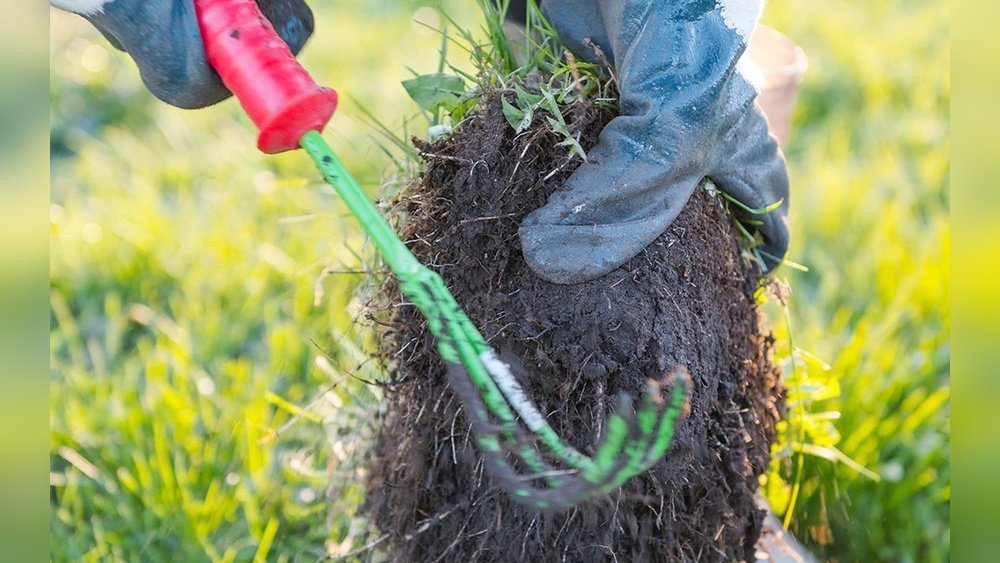
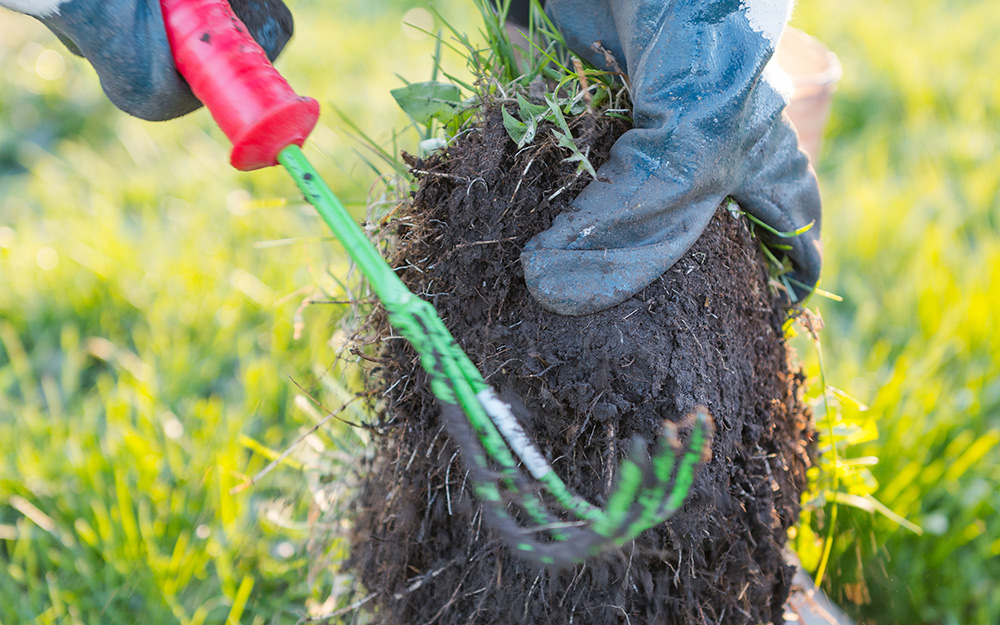
Hand-pulling is simple but powerful. It works best for small lawns or when weeds are few. Pull weeds when soil is moist; roots come out easier.
- Use a weeding tool for deep-rooted weeds
- Try to remove the whole root, especially for dandelions and plantain
Hand-pulling is less effective for large lawns or stubborn weeds.
2. Organic Weed Killers
Some natural products can kill weeds without harming grass. Common organic weed killers include:
- Vinegar: High-strength vinegar (20% acetic acid) burns weeds. It works best on young weeds but can damage grass.
- Salt: Kills weeds, but avoid using on lawns; salt can ruin soil.
- Corn gluten meal: Stops weed seeds from sprouting. Apply in early spring.
Always test organic weed killers on a small area. They may harm grass if used too much.
3. Boiling Water
Pouring boiling water directly on weeds kills them by cooking roots and leaves. This method is best for weeds in cracks or edges, not in the lawn itself. Grass may be harmed by boiling water.
4. Solarization
Solarization uses the sun’s heat to kill weeds and seeds. In small areas:
- Cover soil with clear plastic for 4–6 weeks in summer
- Sun heats soil, killing weeds and seeds
Solarization is good for preparing new lawns or fixing bare spots.
5. Flame Weeding
Flame weeders use propane to burn weeds. They are safe for walkways and garden edges but risky on lawns. Grass and weeds both burn, so use flame weeders only in non-lawn areas.
Organic Lawn Care Methods That Prevent Weeds
Certain organic practices keep weeds away by building grass strength and soil health.
Top Organic Lawn Care Practices
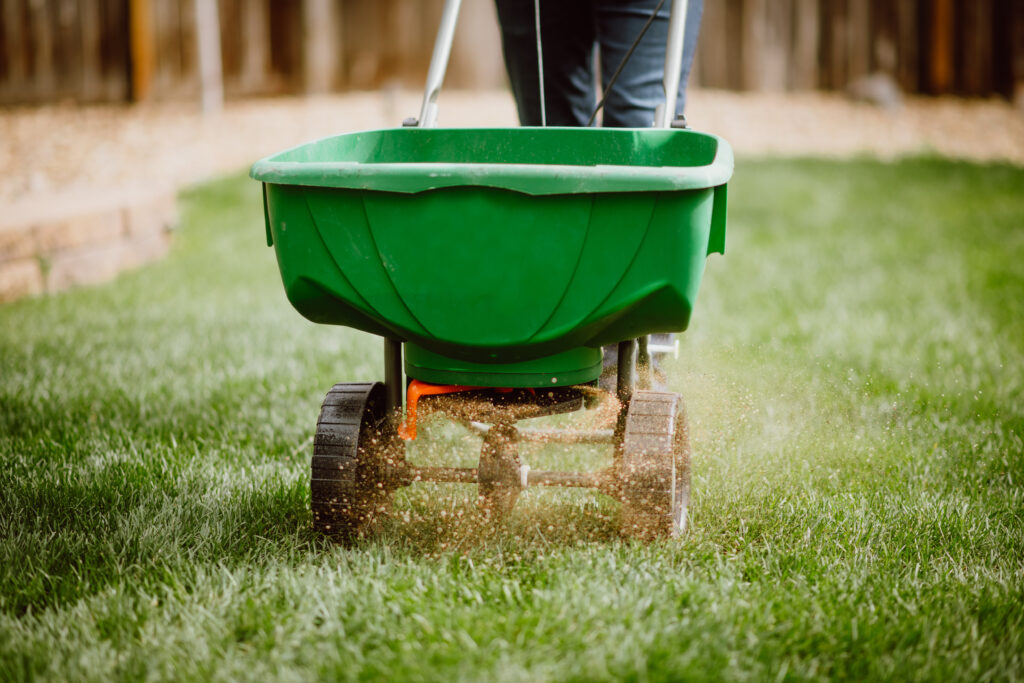
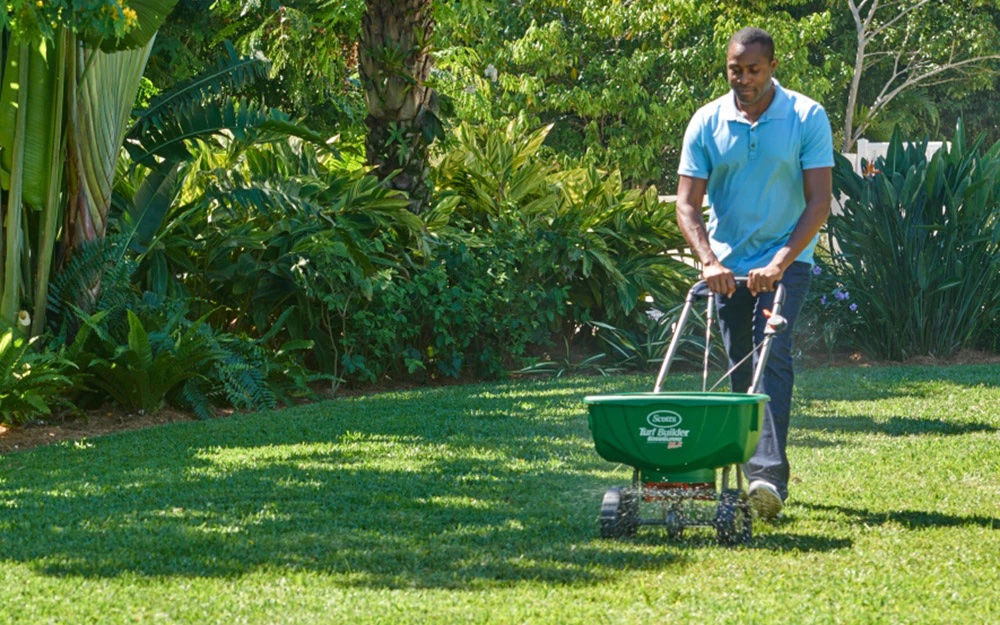
- Topdressing: Spread a thin layer of compost over the lawn once a year. It adds nutrients and helps grass grow thick.
- Natural fertilizers: Use products like fish emulsion, bone meal, or seaweed. These feed grass without harming soil life.
- Crop rotation and mixed planting: In large yards, plant clover or other legumes. They fix nitrogen and crowd out weeds.
- Encourage beneficial insects: Ladybugs, beetles, and ground bees eat weed seeds and help your lawn.
- Avoid overwatering: Too much water encourages weed growth and disease.
Comparing Organic And Chemical Weed Control
To help you see the differences, here’s a comparison between organic and chemical weed control methods:
| Aspect | Organic | Chemical |
|---|---|---|
| Safety | Safe for humans, pets, and wildlife | May harm children, pets, and pollinators |
| Soil Health | Improves soil microbes and structure | Can damage soil life and reduce fertility |
| Effectiveness | Slower but lasting results | Quick results, may require repeat applications |
| Cost | Often lower, especially over time | Higher, ongoing purchases needed |
| Environmental Impact | Supports biodiversity | May cause chemical runoff and pollution |
Organic methods are slower but build a healthy lawn that resists weeds naturally. Chemical methods work fast but can cause long-term problems.
Best Organic Weed Control Products
Some products help control weeds organically. Always use them carefully, and follow instructions.
Top Organic Weed Control Products
- Corn gluten meal: Stops weed seeds from sprouting. Apply in early spring. Safe for pets and children.
- High-strength vinegar: Burns weeds. Use on cracks or edges, not on lawn grass.
- Compost: Feeds soil and grass, helping lawns resist weeds.
- Natural lawn fertilizers: Fish emulsion, bone meal, and seaweed extracts.
Avoid products labeled as “organic” but still harmful to soil or water. Always check labels and research before buying.
How Lawn Thickness Impacts Weed Growth
The thickness of your lawn is a key factor in weed control. Studies show that lawns with more than 80% grass coverage have fewer weeds. Thin lawns let sunlight reach soil, waking up weed seeds. Thick lawns shade soil and crowd out weeds.
Here’s a comparison of weed growth based on lawn thickness:
| Lawn Thickness | Average Weed Density | Weed Control Effectiveness |
|---|---|---|
| Thin (less than 60% coverage) | High (over 50 weeds per sq ft) | Poor |
| Medium (60-80% coverage) | Moderate (15-30 weeds per sq ft) | Fair |
| Thick (over 80% coverage) | Low (less than 5 weeds per sq ft) | Excellent |
The best organic weed control is to make your lawn as thick as possible.
Common Mistakes In Organic Weed Control
Many people struggle with organic weed control because they make simple mistakes. Avoid these to get the best results.
Frequent Mistakes
- Not testing soil: Without knowing your soil’s needs, grass stays weak and weeds take over.
- Mowing too short: Short grass lets sunlight reach weed seeds.
- Overwatering: Too much water encourages shallow roots and weeds.
- Ignoring bare spots: Open soil is a perfect place for weeds to start.
- Using vinegar or salt on lawn grass: These burn grass along with weeds.
- Applying mulch too thickly: Thick mulch can smother grass.
- Skipping overseeding: Without new seed, lawns stay thin and weeds thrive.
Avoiding these mistakes will save time and effort.
Practical Tips For Organic Weed Control
Organic weed control is not just about products—it’s about smart habits and timing.
Useful Tips
- Spot weeds early: Walk your lawn once a week and pull weeds before they spread.
- Water deeply and less often: Shallow watering helps weeds, deep watering helps grass.
- Mow higher in summer: Taller grass shades soil and stops weed seeds.
- Use compost regularly: Topdress with compost to feed soil microbes.
- Encourage clover: Clover is a lawn-friendly plant that fixes nitrogen and crowds out weeds.
- Rotate organic weed killers: Don’t use the same product every time; switch between vinegar, corn gluten, and boiling water.
- Let grass clippings stay: They return nutrients and help cover soil.
Many of these tips are simple but make a big difference over time.
Organic Weed Control For Different Lawn Types
Not all lawns are the same. Some grass types need special care.
Cool-season Lawns
- Overseed in early fall.
- Use compost to help soil retain moisture.
- Water deeply, but avoid soggy soil.
Warm-season Lawns
- Overseed in late spring.
- Use natural fertilizers to boost growth.
- Mow higher during hot months.
Shady Lawns
- Use shade-tolerant grass varieties.
- Watch for moss, which signals poor drainage.
- Remove leaves quickly; they block sunlight.
High-traffic Lawns
- Aerate often to reduce compaction.
- Overseed with tough grass types.
- Spot-check for weeds weekly.
Data: Organic Weed Control Success Rates
Organic methods may take more work at first, but they succeed over time. Research from universities and lawn care experts shows that lawns managed organically have 30-50% fewer weeds after two years compared to lawns managed with chemicals.
In a study from the University of Maryland, lawns using compost and organic overseeding had:
- 40% reduction in weed density after 12 months
- 60% reduction after 24 months
Thick grass and healthy soil reduce the need for ongoing weed control. Organic lawns also support more pollinators and beneficial insects.
Credit: www.alphaoneinc.com
Comparing Organic Weed Killers
Many people ask how organic weed killers stack up against each other. Here’s a comparison of common products:
| Product | Effectiveness | Grass Safety | Best Use |
|---|---|---|---|
| Corn gluten meal | High for preventing seeds | Safe | Early spring, before weeds sprout |
| High-strength vinegar | Moderate for young weeds | Can harm grass | Edges, cracks |
| Boiling water | High for spot weeds | Can harm grass | Cracks, walkways |
| Compost | Indirect, improves grass | Safe | Topdressing, yearly |
Corn gluten meal is best for preventing weed seeds, while compost builds soil health. Vinegar and boiling water work for spot treatments but can harm grass.
Non-obvious Insights For Organic Weed Control
- Grass species selection matters: Many people choose grass based on looks, not weed resistance. Some types, like tall fescue, resist weeds better because they grow thick and shade soil. Picking the right grass for your climate is a secret to organic success.
- Timing is critical: Applying organic products like corn gluten meal too late means weeds already sprouted. Early spring is the best time for prevention. Overseeding after summer heat lets new grass grow strong before weeds return.
- Encourage microclover: Microclover is a new trend in organic lawns. It mixes with grass, stays low, fixes nitrogen, and naturally crowds out weeds. Many homeowners don’t know microclover exists, but it’s a game-changer.
- Mulch can be used creatively: For small lawns, use shredded leaves as a light mulch in fall. They break down over winter, feeding soil and blocking weeds.
Credit: www.homedepot.com
Seasonal Strategies For Organic Weed Control
Different seasons need different strategies to keep weeds away.
Spring
- Apply corn gluten meal to stop weed seeds.
- Overseed thin spots.
- Aerate soil if needed.
Summer
- Mow higher to shade soil.
- Water deeply but rarely.
- Spot-pull weeds weekly.
Fall
- Topdress with compost.
- Overseed before cold weather.
- Remove leaves to prevent weed growth.
Winter
- Avoid heavy foot traffic on dormant lawns.
- Plan soil tests for spring.
- Clean tools for next season.
Real-life Example: Organic Lawn Transformation
Sarah, a homeowner in Ohio, struggled with dandelions and crabgrass every year. She avoided chemicals because her children played on the lawn. Sarah started by testing her soil, which was low in nitrogen and very compacted.
She aerated, added compost, and overseeded with tall fescue. She used corn gluten meal in early spring, mowed higher in summer, and spot-pulled weeds weekly. After two years, her lawn was thick and green, with few weeds. Sarah noticed more butterflies and bees too.
Her organic approach took work, but her lawn became healthier and safer for her family.
Organic Weed Control And Pollinators
Organic lawns support pollinators like bees and butterflies. Chemical herbicides can kill flowers in lawns and harm insects. When you control weeds organically, you often leave small amounts of clover or dandelion. These provide food for pollinators.
If you want a perfect lawn, consider leaving a small area for wildflowers. This helps bees and butterflies while keeping most of your lawn weed-free.
Choosing The Right Organic Approach For Your Lawn
Every lawn is different. To choose the best organic weed control:
- Test your soil to know what grass needs.
- Pick grass types suited for your climate.
- Use prevention first: Thick grass, compost, proper mowing.
- Remove existing weeds safely.
- Avoid common mistakes.
- Try corn gluten meal, compost, and overseeding as main tools.
If you want more guidance, visit EPA’s Lawn and Garden page for research and tips.
Credit: ecoactions.homedepot.com
Frequently Asked Questions
What Is The Best Organic Way To Stop Weeds Before They Grow?
Corn gluten meal is one of the best organic pre-emergent products. Apply it in early spring before weeds sprout. It prevents seeds from growing but does not kill existing weeds. Combine with overseeding to make your lawn thick.
Can I Use Vinegar To Kill Weeds In My Lawn?
Vinegar works on young weeds but can harm grass. Use high-strength vinegar only on cracks, edges, or where grass is not present. Test on a small area before wider use.
How Often Should I Overseed My Lawn?
Overseed once a year, either in early fall (for cool-season grass) or late spring (for warm-season grass). This keeps your lawn thick and crowds out weeds. Overseeding is especially important after drought or disease.
Is Mulch Safe For Lawns?
Mulch is safe in garden beds. For lawns, use a thin layer of compost as mulch once or twice a year. Avoid thick mulch; it can smother grass. Mulch blocks weed seeds and feeds soil.
Do Organic Methods Take Longer To Work Than Chemicals?
Yes, organic methods take longer but give lasting results. Chemical products work fast but can harm soil and water. Organic weed control builds healthy soil and thick grass, making your lawn naturally weed-resistant over time.
Keeping weeds out of your lawn organically is a journey, not a quick fix. By focusing on prevention, healthy soil, and smart habits, you can enjoy a lush, safe yard year-round. With patience and the right tools, your lawn becomes stronger and weeds become rare.
Choose organic methods for healthier grass, safer families, and a better environment.